
Planting
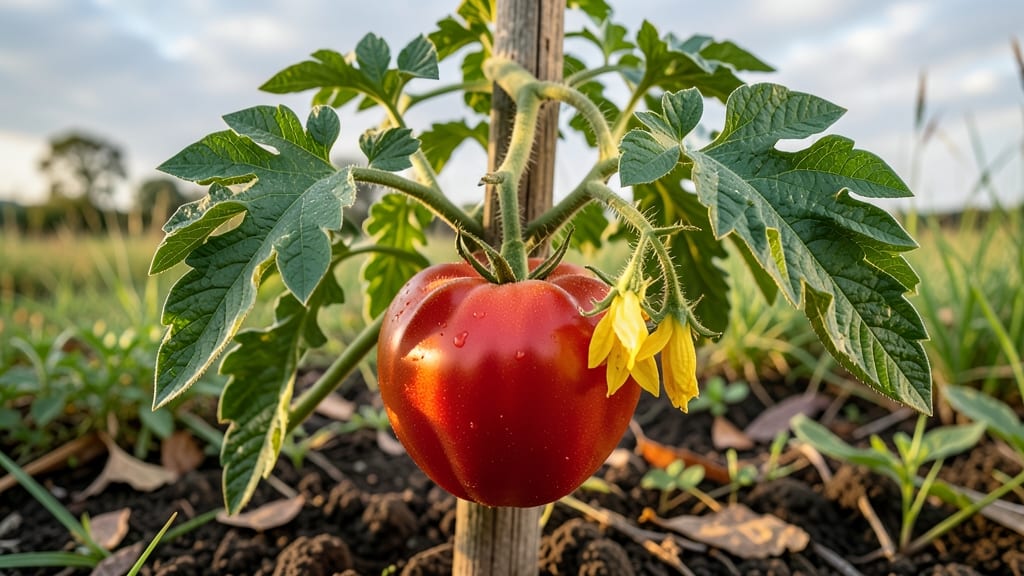
The beefsteak tomato plant height can reach 5-6 feet tall—taller than most gardeners expect, and way taller than a basic tomato cage can handle. 🌱 I learned this the hard way when my first beefsteak plant nearly toppled my fence, sending ripe fruit crashing to the ground.
The key to managing these giants isn't just staking—it's understanding their growth habits and giving them room to thrive without turning your garden into a jungle.
These indeterminate varieties keep growing until frost, so proper support is a must. A strong trellis or tall stake (6+ feet) paired with soft ties prevents breakage, while pruning suckers (those little shoots in the leaf axils) helps direct energy upward.
Spacing is critical too—plant them 3-4 feet apart in rows 4-5 feet apart to avoid overcrowding, which stresses plants and invites disease. My beefsteaks now produce 10-pound fruits without collapsing, all because I adjusted my approach after that first disastrous season.
What you’ll end up with is a vertical powerhouse—lush vines heavy with meaty, 1-pound slices that make store-bought tomatoes look like pebbles. The plants stay productive for weeks longer than determinate varieties, and the trellised layout saves space for companion plants like basil or lettuce at their base.
Just imagine: instead of a sprawling mess, you’ve got a neat, high-yielding tower that’s easier to harvest and less prone to rot.
For small spaces, consider espalier training against a fence or wall—it’s surprisingly simple and maximizes vertical growth without taking up extra ground. And if you’re in a windy area, add horizontal supports every 2 feet to prevent flopping.
The payoff? A clean, organized garden that produces more tomatoes in less footprint than you ever thought possible.
📚 In This Guide
- What you need
- Instructions
- Tips and common mistakes
- Wrapping up and next steps
What you need
- ● Beefsteak tomato seeds or seedlings: Choose indeterminate varieties like 'Brandywine,' 'Cherokee Purple,' or 'Big Beef.' Aim for 1-3 plants (they spread wide!).
- ● Large containers or garden bed: For containers: 5-gallon pots or larger (at least 18-24 inches deep) with drainage holes. Use 3-5 containers per plant if training vertically.
- ● For garden beds: Ensure 12+ inches of soil depth and 3-4 feet of space between plants (they’ll sprawl!).
- ● High-quality potting mix or garden soil: 1-2 cubic yards (for in-ground) or 1 bag per container (for pots). Amend with compost or aged manure (5-10% by volume) for nutrients.
- ● Fertilizer: Balanced fertilizer (10-10-10) or tomato-specific fertilizer (follow package rates).
- ● Organic options: Fish emulsion, worm castings, or compost tea (apply every 2-4 weeks).
- ● Support system: Cages: 6-8 foot tall (e.g., Tomato Tower cages or DIY wire cages).
- ● Trellis or stakes: 6-foot bamboo stakes or wooden lattice (bury stakes 18 inches deep).
- ● Twine or soft ties: 100+ feet (for securing vines as they grow).
- ● Hand trowel or transplanting spade (for planting seedlings).
- ● Watering can or hose with gentle nozzle (tomatoes hate soggy roots!).
- ● Pruning shears (for removing suckers and dead leaves).
- ● Mulch (straw or shredded leaves) (2-3 inches thick) to retain moisture.
- ● pH test kit (ideal soil pH: 6.0-6.8).
- ● Sunlight access: 6-8+ hours of full sun daily (no skimp here!).
- ○ Optional but helpful: Drip irrigation system (to keep soil consistently moist).
- ● Row covers (for early-season frost protection).
- ● Epsom salt (1 tablespoon per plant monthly for magnesium).
- ● Grow lights (if starting seeds indoors).
How to manage beefsteak tomatoes that grow 5-6 feet tall
These giants need special care to support their massive weight and reach their full potential.
🪴 Step 1: Choose the Right Support System for Height
Beefsteak tomatoes need sturdy support to prevent stems from snapping under fruit weight. I recommend a 6-foot-tall tomato cage with 16-gauge galvanized wire or a wooden stake system with 2x4s spaced 18 inches apart. The cage should be buried 12 inches deep to anchor it securely—dig a hole, place the cage in, and backfill with soil to stabilize it.
For even taller varieties, consider a floral wire trellis attached to a T-post driven 2 feet into the ground. The trellis should have horizontal wires every 12 inches to cradle the main stem and branches. I always add soft plant ties at planting time to avoid damaging stems later when growth is vigorous. These ties should be 3-4 feet long so you can adjust as the plant grows.
☀️ Step 2: Plant in Full Sun with Proper Spacing
Beefsteak tomatoes thrive in full sun (8+ hours daily) and need 36-48 inches between plants to allow airflow and prevent disease. I plant mine in raised beds or mounded soil to improve drainage—their heavy fruit can cause soil compaction and root rot. Amend the planting area with 2-3 inches of compost mixed into the top 12 inches of soil to provide nutrients for their long growing season.
When transplanting, bury one-third of the stem to encourage strong root development along the buried portion. This technique creates a sturdier base that supports the plant's height and heavy fruit load. Water deeply after planting to settle the soil around the roots, and apply 1 inch of mulch to retain moisture and suppress weeds.
🌿 Step 3: Prune and Train for Maximum Height and Strength
Pruning is critical for beefsteak tomatoes to direct energy toward fewer, larger fruit and maintain structural integrity. Remove suckers (side shoots) that form in the leaf axils—these compete with the main stem for nutrients. I prune suckers when they're no larger than 2 inches to minimize stress on the plant. Leave 3-4 main stems if the variety is indeterminate, or 1-2 stems if it's semi-determinate, to balance height and fruit production.
Train the main stems along the support system, securing them with soft plant ties every 12 inches. This prevents the plant from toppling under its own weight or fruit load. I also top the plant at 5-6 feet to control height and encourage bushier growth. Stopping growth at this height prevents the plant from becoming too top-heavy and ensures the support system can handle the weight.
💧 Step 4: Water and Fertilize for Height and Fruit Production
Deep, consistent watering is essential for tall beefsteak tomatoes—water 1-2 inches per week, ensuring the soil stays evenly moist but not waterlogged. I water at the base of the plant in the morning to reduce evaporation and fungal risks. Avoid overhead watering, which can spread disease and weaken the plant's structure. Use a soaker hose or drip irrigation to deliver water directly to the roots.
Fertilize with a balanced tomato fertilizer (10-10-10 or 5-10-10) at planting and again when flowers appear. I also add compost tea or fish emulsion every 2-3 weeks to provide organic nutrients that support the plant's height and fruit development. Monitor the soil for signs of nutrient deficiency—yellowing leaves often indicate a need for nitrogen, while purple stems signal phosphorus deficiency.
✂️ Step 5: Harvest and Maintain for Continued Growth
Harvest beefsteak tomatoes when they're fully colored and slightly soft to the touch—this ensures peak flavor and prevents overloading the plant. I pick fruit every 2-3 days during peak production to encourage more blooms and maintain the plant's energy balance. Use pruning shears to cut stems cleanly, leaving a small portion attached to the plant to avoid tearing.
Continue pruning and training throughout the season to manage height and fruit load. If the plant begins to sag despite support, add additional ties or a temporary stake to stabilize it. In cooler climates, extend the growing season with row covers or a small greenhouse to protect the plant and allow it to reach its full height and potential. With proper care, these giants will reward you with beefy, flavorful tomatoes that are worth the effort.
Tips & tricks for managing towering beefsteak tomatoes
Growing these massive plants successfully comes down to a few strategic moves that prevent common pitfalls. Here's what I've learned after years of training these giants to reach their full potential.
Support System Stability: The 6-foot-tall tomato cage or wooden stake system needs to be anchored like a skyscraper foundation. For the wooden stake version, I've found that driving the 2x4s at a 45-degree angle into the ground creates additional resistance against toppling. This is especially important when the plant reaches its full height and starts bearing heavy fruit. The 12-inch burial depth is non-negotiable—any less and you'll risk the cage toppling during wind storms or when you harvest those 1-pound tomatoes.
Pruning Precision: When removing those 2-inch suckers in Step 3, I use sharp pruning shears and make clean cuts just above the leaf axil. The key is to prune consistently—don't let those suckers grow beyond 2 inches or they'll siphon energy from your main stems. For indeterminate varieties, I leave 3-4 main stems but remove all lateral branches below the first flower cluster to maintain an open structure that allows sunlight to reach lower leaves and fruit.
Watering Wisdom: The 1-2 inches per week guideline is perfect, but timing matters just as much. I've learned that watering at the base in the morning prevents fungal issues that can weaken the plant's structural integrity. During peak production when those beefsteak tomatoes are developing, I increase to 2 inches per week and monitor soil moisture daily. The roots need consistent hydration to support both the plant's height and the weight of those massive fruits.
Season Extension Strategy: For cooler climates, I've had great success with low tunnels made from PVC pipes and row covers. These create a microclimate that can extend the growing season by 4-6 weeks. The key is to remove the covers during warm days to prevent overheating, then replace them at night when temperatures drop. This allows the plants to continue growing toward their full 5-6 foot height without suffering from cold damage.
Pro Tips for Beefsteak Tomato Plant Height
- Growing these massive plants successfully comes down to a few strategic moves that prevent common pitfalls.
- Support System Stability: The 6-foot-tall tomato cage or wooden stake system needs to be anchored like a skyscraper foundation.
- Pruning Precision: When removing those 2-inch suckers in Step 3, I use sharp pruning shears and make clean cuts just above the leaf axil.
Frequently asked questions
Got questions about growing towering beefsteak tomato varieties? You’re not alone! Here are answers to the most common concerns—from spacing to pruning and everything in between.
How tall do beefsteak tomatoes really get?
Most beefsteak varieties (like Brandywine or Cherokee Purple) can reach 5–6 feet tall with proper support. However, indeterminate types may keep growing until frost! Expect 10–12 feet in ideal conditions if left unpruned. Always check your seed packet for specifics!
When should I prune beefsteak tomatoes for height control?
Prune early and often—start when plants are 12–18 inches tall. Remove suckers (side shoots) weekly to focus energy on upward growth. For 5–6 ft varieties, aim to keep 3–4 main stems. Pro tip: Prune in the morning to let wounds heal before evening moisture sets in.
How much space do beefsteak tomato plants need?
Give them 2–3 feet of diameter space (or more if growing in containers). Since they’re tall, ensure 6+ feet of vertical clearance for cages or stakes. Crowding leads to disease and poor airflow—not ideal for giant beefsteaks!
Why is my beefsteak tomato plant growing too tall but not producing fruit?
Overgrowth without fruit? Likely due to too much nitrogen or lack of sunlight. Switch to a bloom-boosting fertilizer (high phosphorus) and ensure 6–8+ hours of direct sun daily. Also, check for pests like aphids, which sap energy from fruit production.
Can I grow beefsteak tomatoes in containers if they get so tall?
Yes! Use a 5-gallon+ container with a sturdy trellis or cage. Opt for dwarf or compact varieties (like Big Beef) if space is tight. Ensure drainage holes and regular watering—container-grown plants dry out faster. Bonus: Containers make harvesting easier!
What’s the best support for 6-foot beefsteak tomatoes?
Avoid flimsy cages! Use a heavy-duty tomato trellis, wooden stake (2x4), or metal cage with wire mesh. For windy areas, tie stems to bamboo stakes every 12 inches. Pro move: Weave plants into a tomato tower to save space!
Wrapping up and next steps
Growing beefsteak tomato varieties that tower to 5-6 feet is a rewarding challenge for any gardener! With the right support, soil, and care, these giants deliver massive, flavorful fruits that make every harvest feel like a victory.
Whether you’re a seasoned green thumb or a curious beginner, embrace the process—your patience will pay off in juicy, homegrown rewards.
Ready to level up your garden? Start small—pick one variety, gather your supplies, and plant with confidence. Before you know it, you’ll be harvesting beefsteak tomatoes the size of your palm! 🌱✨