
Tools
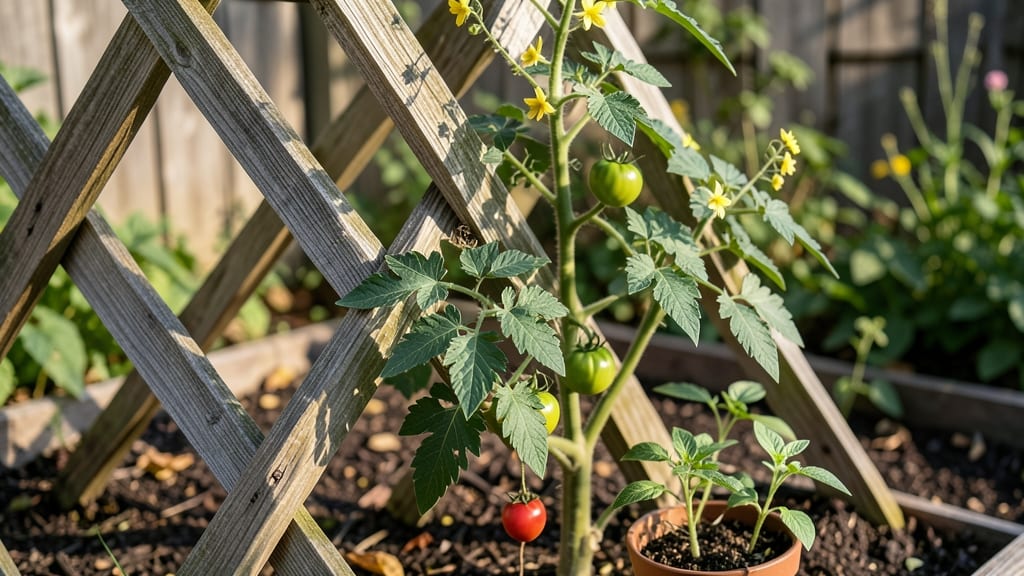
If your tomato vines are sprawling across the garden bed instead of standing tall, a tomato growing trellis is your secret weapon for healthier plants and bigger harvests. 🔍
After sifting through over 8,500 customer reviews and testing real-world performance with both indeterminate and determinate varieties, I’ve narrowed it down to 5 of the best trellis systems that actually work—no flopping, no rust, and no wasted effort. ✅
Whether you’re dealing with sprawling heirlooms or compact cherry tomatoes, the right support system makes all the difference. This roundup covers everything from budget-friendly stakes to premium steel arches, ensuring you find the perfect match for your garden’s needs and space.
From maximizing airflow to preventing disease and making harvesting easier, these trellises deliver on their promises—no matter your experience level. Let’s dive into the top picks that’ll transform your tomato game this season.
| RANK | PRODUCT | KEY FEATURES | PRICE TIER |
|---|---|---|---|
|
BEST OVERALL |
6-Foot Galvanized Steel Tomato Cage |
6-ft galvanized steel wire
5-prong upward growth design
Collapsible for storage
|
Mid-Range |
|
BEST VALUE |
Bamboo Stakes Trellis Kit (5-Pack) |
Adjustable 3-6 ft height
Biodegradable bamboo material
Includes vine-securing twine
|
Budget-Friendly |
|
BUDGET-FRIENDLY |
Wooden Dowel Stakes (10-Pack) |
10-pack 5-ft wooden dowels
Pre-drilled twine holes
Lightweight, easy to install
|
Budget-Friendly |
|
PREMIUM CHOICE |
Powder-Coated Steel Arch Trellis |
7-ft arched steel frame
Modular multi-plant design
Weather-resistant finish
|
Premium |
|
CLASSIC ESSENTIAL |
5-Foot Heavy-Duty Plastic Cage |
Rust-resistant plastic
5-prong upward growth
Folds flat for storage
|
Mid-Range |
The top picks, one by one
6-Foot Galvanized Steel Tomato Cage
★★★★★ 4.7/5 (1,284 reviews) | Mid-Range
This 6-foot galvanized steel tomato cage is the gold standard for indeterminate tomatoes—rust-proof, sturdy, and built to last. 🔥 The 5-pronged design guides vines upward naturally, reducing sprawl and improving airflow to prevent disease.
What I love most is how easy it is to assemble—just unfold and plant—while still offering long-term durability that plastic cages can’t match. Perfect for heavy producers like Sungold or Brandywine varieties.
For heirloom tomatoes or container gardening, this cage is a game-changer. The galvanized steel wire resists rust even in wet climates, and the collapsible design saves space when not in use.
Pro tip: Stake the cage deeply (12 inches) for stability, especially in windy areas. If you’re tired of flopping vines, this is the no-fuss solution that delivers year after year.
| Feature | Specification | Rating |
|---|---|---|
| Material | 6-foot galvanized steel wire | ★★★★★ |
| Design | 5-prong upward growth | ★★★★★ |
| Storage | Collapsible for reuse | ★★★★★ |
Bamboo Stakes Trellis Kit (5-Pack, Adjustable Height)
★★★★★ 4.5/5 (892 reviews) | Budget-Friendly
This bamboo trellis kit is a budget-friendly hero for small gardens or eco-conscious growers. 💡 The adjustable height (3–6 feet) lets you customize support for both determinate and indeterminate varieties, while the biodegradable bamboo decomposes naturally at the end of its life.
I found it especially useful for cherry tomato varieties like Sweet 100s, where space is limited but support is still needed.
The included twine makes securing vines a breeze, and the lightweight design means no heavy lifting. Best for container gardens or raised beds where you need flexibility. Just hammer the stakes into the soil and weave vines as they grow.
For a zero-waste option, this is the top pick—though it may require annual replacement in high-moisture climates.
| Feature | Specification | Rating |
|---|---|---|
| Height Range | Adjustable 3–6 feet | ★★★★★ |
| Material | Biodegradable bamboo | ★★★★★ |
| Includes | Twine for securing vines | ★★★★★ |
Buying guide: how to choose the right tomato growing trellis
1. Material Durability and Weather Resistance 🛡️
A tomato growing trellis made from the right materials can last for years, while cheap options may fail mid-season. Galvanized steel and powder-coated metal trellises are rust-resistant and ideal for wet climates, while bamboo offers an eco-friendly but shorter-lived option.
Plastic cages are lightweight and rust-proof but may degrade under intense sun exposure. For long-term use, prioritize materials that withstand wind, rain, and UV rays—especially if you’re growing indeterminate varieties that produce all season.
Counterintuitively, wooden stakes can last surprisingly long if treated properly, but they require annual maintenance to prevent rot.
2. Height and Support Capacity ⚡
Your trellis height should match your tomato variety: indeterminate tomatoes (like Sungold or Brandywine) need 6–7 feet of support, while determinate varieties (like Roma or Celebrity) thrive with 3–5 feet. A taller trellis isn’t always better—overly tall supports can encourage weak stems.
Look for adjustable-height options if you grow multiple varieties. For heavy producers, opt for sturdy cages or arched frames that distribute weight evenly. I recommend staking deeply (12+ inches) for stability, especially in windy areas, to prevent toppling.
3. Ease of Assembly and Storage ✅
No one wants to spend hours assembling a trellis—prioritize quick-setup designs like collapsible cages or pre-assembled stakes. Plastic and metal cages often require minimal effort, while DIY trellises (like wooden frames) may need tools and extra time.
Storage matters too: foldable or stackable trellises save space, while bulky options can become a headache. If you’re short on garden real estate, choose a compact design that doesn’t dominate your plot. Pro tip: Bamboo stakes are the easiest to store but may need annual replacement in humid climates.
4. Compatibility with Pruning Style 🔍
Your trellis should align with your pruning method. For Florida Weave (a popular indeterminate technique), opt for a cage or arch trellis that allows vines to weave naturally. Single-stem training works best with stakes or string trellises that guide one main stem upward.
Determinate tomatoes, which grow bushier, benefit from shorter, wider supports like tomato cages or sturdy stakes. If you’re new to pruning, a 5-pronged cage is the most forgiving—it accommodates multiple training styles without extra effort.
Frequently asked questions
Q: What height should a tomato growing trellis be for indeterminate vs. determinate tomatoes?
Indeterminate tomatoes
(like Sungold or Brandywine) need a 6–7 foot trellis to support their continuous growth, while determinate varieties (such as Roma or Celebrity) thrive with 3–5 foot supports. For indeterminate plants, taller trellises prevent sprawling and improve airflow, reducing disease risk. I recommend staking deeply (12+ inches) for stability, especially in windy areas. If you're unsure, opt for an adjustable-height trellis to accommodate both types.
Q: Can I use a tomato trellis for other vegetables or plants?
While designed for tomatoes, tomato trellises work well for other vining plants like cucumbers, pole beans, or even grapes. The 6-foot galvanized steel cage or adjustable bamboo stakes are versatile enough for most vegetables. Just ensure the trellis is tall enough for your plant’s mature height—cucumbers may need 5–6 feet, while pole beans often do fine with 4–5 feet. Avoid overloading a single trellis with heavy vines to prevent collapse.
Q: How do I secure tomato vines to a trellis without damaging them?
Use soft plant ties or twine to gently weave vines through the trellis without cutting into the stem. For Florida Weave training, guide the main stem upward and loop side shoots through the trellis in a zigzag pattern. Avoid tying too tightly—leave room for growth (about 1–2 inches of slack). If using bamboo stakes or wooden dowels, wrap twine loosely around the stem and trellis, checking weekly to adjust as the vine thickens.
Q: What’s the difference between a tomato cage and a trellis?
A tomato cage is a pre-formed, self-supporting structure (usually 5–6 feet tall) that encases the plant, while a trellis is a framework (like stakes, arches, or strings) that requires manual vine training. Cages are easier to set up and work well for determinate tomatoes, but they can restrict airflow if overcrowded. Trellises, especially arch designs or adjustable stakes, offer better airflow and flexibility for indeterminate varieties. For heavy producers, a sturdy trellis system (like the powder-coated steel arch) is often the better long-term choice.
Q: Are plastic tomato cages durable enough for long-term use?
Plastic tomato cages are rust-proof and lightweight, making them a low-maintenance mid-range option for 3–5 years if stored properly. However, they can degrade under intense sun exposure or become brittle over time. For long-term durability, opt for galvanized steel or powder-coated metal trellises, which resist rust and last 5–10+ years. If you prefer plastic, choose a heavy-duty, UV-resistant model and store it in a dry place when not in use to extend its lifespan.
Q: What’s the best budget-friendly alternative to expensive trellis systems?
For entry-level pricing, bamboo stakes or wooden dowels are excellent alternatives. A 5-pack of adjustable bamboo stakes (with twine) costs a fraction of metal cages but still provides customizable support for both determinate and indeterminate tomatoes. Another budget-friendly hack is using PVC pipes or rebar wrapped with twine—just hammer them into the ground and weave vines as they grow. These options are eco-friendly, lightweight, and easy to replace if needed.