
Pests
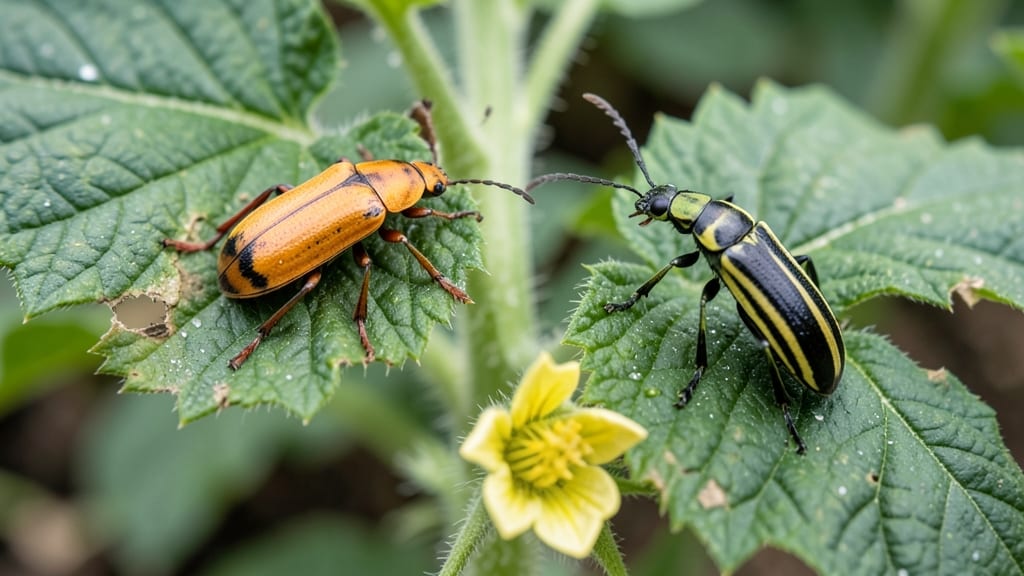
Beetles on tomato plants can turn a thriving harvest into a skeleton of chewed leaves. 🌱 I’ve watched Colorado potato beetles strip plants bare in just days—until I learned their weaknesses.
The key isn’t panic, but smart defense: knowing which beetles attack, how they damage plants, and what works to stop them without chemicals.
Most tomato beetles—like flea beetles or Colorado potato beetles—target young leaves and stems first. You’ll spot tiny holes, skeletonized foliage, or clusters of yellowish larvae feeding on roots. The good news? These pests have predictable life cycles, so timing your defenses matters more than brute force.
A few simple tools—like row covers, neem oil, or even a strong spray of water—can make all the difference.
With the right approach, you’ll save your plants and still enjoy a bountiful harvest. I’ve used companion planting with basil and marigolds to deter beetles, hand-picked larvae (yes, it’s gross but effective), and even introduced beneficial nematodes to the soil.
The result? Healthy plants that focus on fruit, not repair. Here’s how to build your beetle-fighting plan.
This works for backyard gardens, containers, and raised beds—no matter your setup. The secret is consistency: check plants weekly, act fast at the first sign of damage, and combine methods for the best results. Your tomatoes will thank you with juicy, unblemished fruit all season.
Root Causes of Beetle Infestations
When beetles—especially Epilachna (Mexican bean beetles) or Leptinotarsa (Colorado potato beetles)—invade your tomato plants, it’s rarely a random attack. These pests are drawn by specific conditions that make your garden an all-you-can-eat buffet.
Understanding why they show up is the first step to kicking them out for good. Let’s break down the science behind their unwelcome visits.
Beetles have a keen sense of smell and taste, and ripe or injured tomatoes are like flashing neon signs to them. Here’s why:
- Sugar and pH signals: Ripe tomatoes release volatile organic compounds (VOCs) that beetles detect from yards away. These compounds, especially hexanal and 2-isobutylthiazole, mimic the scent of fermenting fruit—a beetle’s dream.
- Physical cues: Cracked skin or bruised tomatoes expose the sweet, gel-like interior, which beetles love. Even a single blemish can trigger a feeding frenzy.
- Microbial attraction: Damaged fruit attracts yeast and bacteria, creating a secondary scent trail that beetles follow like breadcrumbs.
Actionable fix: Harvest tomatoes as soon as they ripen, and remove any fallen or damaged fruit immediately. For green tomatoes, pick them before they overripe—beetles prefer soft, easy targets.
Beetles aren’t picky eaters, but they do have favorites, and tomatoes are often at the top of their menu. The problem worsens when you plant too many tomatoes in one area:
- Chemical cues: Tomato plants release systemin and jasmonic acid when stressed (e.g., from drought or disease), which actually attracts beetles. These compounds signal “easy prey” to pests.
- Lack of biodiversity: Gardens with only tomatoes offer beetles a smorgasbord with no escape. Predatory insects (like ladybugs or lacewings) struggle to find alternative food sources.
- Hereditary memory: Some beetle species, like the Colorado potato beetle, learn to associate tomato plants with food. If your garden is a repeat offender, they’ll return yearly.
Actionable fix: Interplant tomatoes with repellent herbs like basil, thyme, or marigolds. Rotate crops annually to disrupt beetle “memory” and attract beneficial insects.
Stressed plants are beetle magnets. When tomatoes don’t get the right amount of water, they become desperately attractive to pests:
- Nutrient leakage: Underwatered plants can’t absorb nutrients efficiently, leading to higher sugar content in leaves—a beetle’s favorite snack.
- Thinner cell walls: Drought-stressed tomatoes develop softer foliage, making it easier for beetles to chew through and lay eggs.
- Root exudates: Plants under water stress release chemical distress signals through their roots, which can indirectly attract beetles by luring their natural prey (like aphids) first.
Actionable fix: Maintain consistent moisture (1–2 inches of water per week) and use mulch to retain soil hydration. Avoid overhead watering, which can create damp conditions that beetles love.
Beetles are opportunistic, and their life cycles sync with your tomato plant’s growth stages:
| Season | Why Beetles Strike | Peak Risk Period |
|---|---|---|
| Early Summer (🌞) | Warm soil triggers egg hatching for Colorado potato beetles. Tomatoes are young and tender, making them easy targets. | June–July (Northern Hemisphere) |
| Late Summer (🌊) | Humidity and heat create ideal breeding conditions. Adult beetles seek out ripening fruit for egg-laying. | August–September |
| Fall (🍂) | Cooler temps slow beetle activity, but overwintering eggs in soil hatch the following spring if conditions are right. | October–November (egg-laying) |
Actionable fix: Monitor beetle activity weekly during peak seasons. Use row covers in early summer to block adult beetles from laying eggs, and remove garden debris in fall to disrupt their lifecycle.
Pro tip: 💡 Beetles thrive in gardens with poor air circulation. Prune tomato plants to improve airflow—this reduces humidity (which they love) and makes it harder for them to hide in dense foliage.
Quick Fixes for Tomato Plant Pests
When beetles or other pests invade your tomato plants, acting fast is key to saving your harvest. Below are practical, step-by-step solutions tailored to the most common culprits—from leaf-eating beetles to sap-sucking invaders.
Each fix is designed to be easy, natural, and effective, so you can protect your plants without harsh chemicals.
If you spot Japanese beetles, Colorado potato beetles, or Mexican bean beetles, the simplest solution is to pick them off manually before they multiply.
How to do it:
- 👨🍳 Scout your plants in the early morning or evening when beetles are sluggish.
- 🔪 Drop them into soapy water—a bucket of water with a few drops of dish soap will kill them instantly.
- 🌡️ Repeat daily until no more beetles appear.
💡 Pro Tip: Wear gloves to avoid getting sap on your skin, which can cause rashes.
Neem oil is a powerful, organic pesticide that disrupts beetle feeding and reproduction. It works on eggs, larvae, and adults while being safe for plants (and pets) when used correctly.
How to make a DIY neem spray:
- 🌿 Mix 1 tbsp neem oil + 1 tsp mild liquid soap + 1 quart of water.
- 🔥 Shake well and spray on both sides of leaves, focusing on beetle hotspots.
- ⏰ Apply every 5–7 days or after rain.
✨ Bonus: Neem oil also repels other pests like aphids and whiteflies.
If beetle larvae or adults are crawling on soil or leaves, food-grade diatomaceous earth (DE) can dehydrate and kill them without chemicals.
How to apply DE:
- 🌡️ Lightly dust around the base of plants and on leaves (avoid over-applying—it can harm beneficial insects).
- 💡 Reapply after rain or watering, as DE loses effectiveness when wet.
- ⚠️ Wear a mask—DE is harmless but can irritate lungs if inhaled.
🎯 Best for: Colorado potato beetle larvae, fungus gnats, and other soft-bodied pests.
If beetles are a recurring problem, physical barriers can stop them before they lay eggs.
How to use row covers:
- 🛡️ Install fine mesh netting over tomato plants before beetles appear (early spring).
- 🌿 Secure edges with soil or stakes to prevent beetles from crawling underneath.
- 🌞 Remove covers when flowers appear for pollination, then reapply after fruiting if needed.
💡 Pro Tip: Use yellow sticky traps near plants to catch flying beetles before they land.
Instead of fighting beetles alone, attract their natural enemies to keep populations in check.
Best predator allies:
- 🐞 Ladybugs (eat aphids and small beetle larvae)
- 🕷️ Spiders (hunt Japanese beetles)
- 🐛 Ground beetles (devour beetle eggs)
How to attract them:
- 🌿 Plant companion flowers like marigolds, dill, and fennel near tomatoes.
- 💧 Avoid pesticides—they kill beneficial insects too.
- 🌡️ Leave some leaf litter in your garden for predator habitats.
The best defense? Stop them before they arrive.
🔥 Early Season:
- 🌱 Rotate crops—don’t plant tomatoes in the same spot yearly.
- 🌿 Mulch with straw to deter beetles from laying eggs in soil.
🍳 Mid-Season:
- 🕵️ Monitor plants daily—catch beetles early!
- 💦 Water in the morning—wet leaves can help wash off pests.
🌞 Late Season:
- 🍅 Harvest ripe tomatoes promptly—overripe fruit attracts pests.
- 🧹 Clean up debris—beetles overwinter in dead plant matter.
Final Thought: A mix of manual removal, neem oil, and predator-friendly gardening will keep your tomato plants thriving—without chemicals! 🍅💚
Frequently asked questions
What are the most common beetles that attack tomato plants?
The worst offenders are Colorado potato beetles, Mexican bean beetles, and flea beetles. Look for skeletonized leaves (Colorado), yellowish larvae (Mexican bean), or tiny holes (flea beetles). Japanese beetles also target tomatoes but focus on flowers and fruit.
Will beetles eat my tomato fruit?
Most beetles prefer leaves and stems, but Japanese beetles and Mexican bean beetles will chew ripening fruit. You’ll see irregular holes or soft spots—remove affected tomatoes immediately to stop the spread.
How do I know if beetle damage is too severe to save my plant?
If more than 50% of leaves are skeletonized or if you see yellowing stems (signs of larval feeding), your plant may not recover. Focus on saving nearby plants by removing the damaged one and treating the soil with beneficial nematodes to kill larvae.
Can I use coffee grounds to repel beetles?
Yes! Sprinkle used coffee grounds around tomato plants—the caffeine and acidity deter many beetles. Reapply after rain. For extra protection, mix with crushed garlic or chili powder (1:1 ratio) for a stronger repellent effect.
Why do beetles keep coming back even after I treat them?
Beetles have short life cycles (3-4 weeks) and lay hundreds of eggs. If you only treat adults, new generations will arrive. Use a combination approach: neem oil for adults, diatomaceous earth for larvae, and row covers to block new infestations. Consistency is key!