
Planting
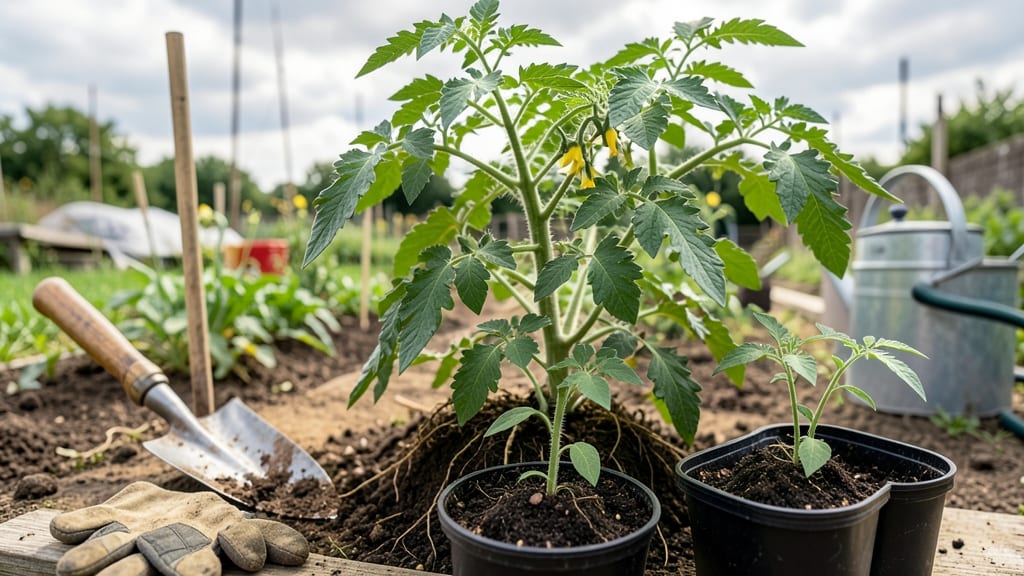
The best time of day to plant tomato plants is early morning when soil is cool and moisture levels are high — a critical window for strong root establishment.
Struggling to get your tomato plants off to the strongest start? The time of day you plant them can make the difference between thriving vines and struggling seedlings—thanks to soil temperature and moisture retention.
Tomatoes hate stress, and planting at the wrong time can shock their delicate roots. Early mornings give them a head start in warm soil while keeping evaporation low, setting the stage for faster growth.
Below, I’ll break down the science behind morning planting, how to adjust for your climate, and the one mistake that ruins even the best-laid plans.


Optimal planting times based on soil temperature and sun exposure
When transplanting tomato plants, the time of day you choose isn't just about convenience—it directly impacts root development and plant stress levels. Tomatoes thrive when planted in warm soil (70-85°F) and under gentle sunlight, which minimizes shock.
The wrong timing can lead to stunted growth or even transplant failure, so let's dive into the science behind the best windows.
Morning planting (before 10 AM) is often ideal because the soil retains moisture longer and hasn't absorbed the day's heat yet. However, evening planting (after 4 PM) can work in cooler climates, where daytime temperatures spike.
The key is avoiding midday heat (11 AM–3 PM), when soil can dry out quickly and stress young roots.
Soil temperature plays a critical role in root establishment. Tomatoes need warm soil (above 60°F) to encourage root growth, but overheated soil (above 90°F) can damage delicate roots. The ideal range for transplanting is 70–85°F—this balance promotes rapid root expansion without stressing the plant.
Here’s how sun exposure factors in: Direct sunlight during transplanting can dehydrate seedlings faster than you might think. Even a few hours of intense afternoon sun can double moisture loss from leaves, leaving roots struggling to adapt.
That’s why partial shade (like a temporary shade cloth) is a game-changer for midday transplants.
Let’s compare the best times of day for planting tomato transplants, including soil temperature, moisture retention, and stress factors:
If you’re planting in hotter climates (like USDA Zones 8–10), morning is your best bet—soil stays cooler, and plants recover faster. In cooler zones (Zones 3–6), evening planting can work because the soil retains heat from the day while staying comfortable for roots.
Always check the 5-day forecast for rain or extreme heat before scheduling your transplant.
Pro tip: If you must plant in the afternoon, water deeply the night before and use a shade cloth to reduce stress. Also, avoid planting on windy days, as dry air accelerates moisture loss from leaves and soil.
A light misting of leaves before transplanting can help, but focus on keeping the root ball moist, not the foliage.
One common mistake is assuming evening planting is always best—it’s not. In humid climates, evening moisture can linger on leaves, increasing the risk of fungal diseases like early blight. Balance is key: aim for 6–8 hours of sunlight after planting, but avoid the hottest part of the day.
For container-grown tomatoes, timing matters even more because pots heat up faster. Plant in the morning and place containers in a shaded spot for the first 24 hours to help roots adjust. Mulch heavily around the base to retain soil moisture and keep roots cool.
Remember, the soil temperature is more critical than the air temperature. Use a soil thermometer to check—if it’s below 60°F, wait a few days. Root growth stalls in cold soil, and your tomato plants will struggle to establish themselves.
Patience here pays off with stronger vines and higher yields later in the season.
How to adjust planting time for your climate zone
Your climate zone plays a bigger role in tomato success than you might think. In cool climates (USDA Zones 1-5), early spring planting requires extra caution—soil warms slowly, and late frosts linger.
Meanwhile, warm climates (Zones 7-10) demand shade protection during peak summer heat. The key is matching your local frost dates with soil temperatures of at least 60°F (15°C) for root establishment.
Microclimates add another layer. A south-facing slope warms faster than a shaded valley, while urban areas can trap heat differently than rural fields. Even within your yard, raised beds heat up quicker than in-ground soil.
Use a soil thermometer for 3-5 days before planting to confirm readiness—this beats guessing based on air temperature alone.
🌡️ Climate-Specific Planting Windows
- 🌱 Cool Climates (Zones 1-5): Plant after May 15 when night temps stay above 50°F (10°C). Use black plastic mulch to warm soil faster.
- 🌞 Temperate Zones (6-7): Ideal window is April 15-June 1. Monitor 7-day forecasts for stable temps above 65°F (18°C).
- 🔥 Warm Climates (8-10): Plant February-March or September-October to avoid 90°F+ (32°C+) stress. Use shade cloth for summer transplants.
- ❄️ High Altitudes (>5,000ft): Extend season with row covers or plant heat-tolerant varieties like 'Solar Fire' 2 weeks later.
Weather forecasts are your secret weapon. Look for 3-day forecasts predicting consistent highs above 70°F (21°C)—this ensures roots establish before heat stress sets in. Avoid planting if rain is forecasted within 48 hours, as soggy soil can suffocate roots.
For container tomatoes, wait until nighttime temps stay above 55°F (13°C) to prevent chilling injury.
Don't overlook microclimate tweaks. If your yard has hot spots (like near pavement), plant heat-loving varieties like 'Celebrity' there. For shady corners, choose determinate varieties that tolerate partial shade. Even a 5°F difference between microclimates can mean the difference between thriving plants and stunted growth.
Pro tip: Use the National Weather Service's Climate Normals tool to find your average last frost date. Then add 2-4 weeks as a buffer—this accounts for unpredictable spring weather. For example, in Zone 6, planting on May 1 gives roots 6 weeks to establish before summer heat peaks.
Remember, tomatoes are heat-loving but hate transplant shock. The best planting window balances warm soil, stable temps, and minimal stress. When in doubt, plant a week later—your tomatoes will thank you with bigger yields and fewer diseases. 🌱