
Plants
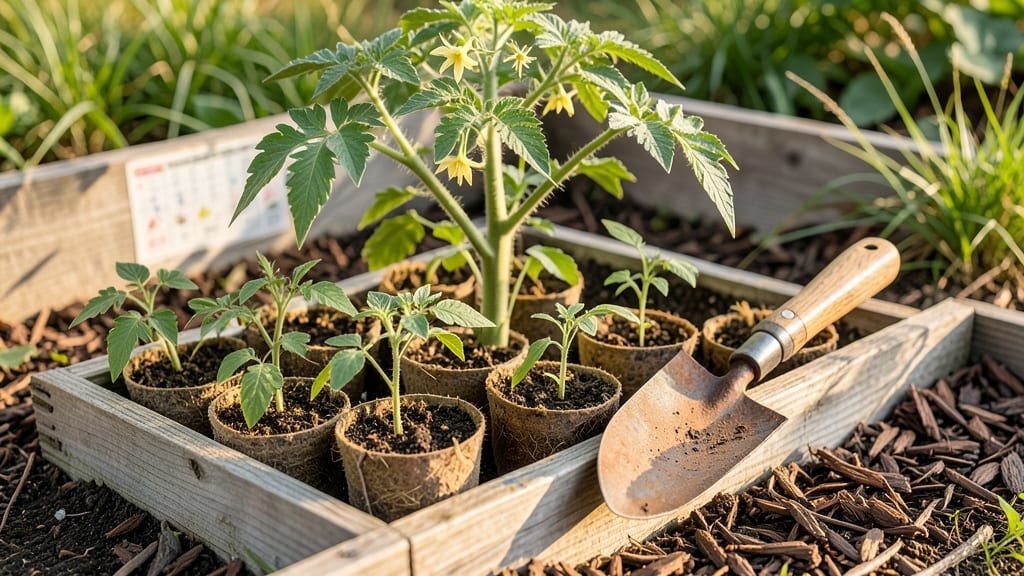
Planting tomato plants in Ohio after your last frost date — typically between mid-April and late May — is the key to a bumper harvest 🍅.
Ohio gardeners know timing is everything—plant tomatoes too early, and a late frost will wipe out your crop; too late, and you’ll miss peak harvest season. But with Ohio’s diverse microclimates, the "perfect" planting window varies from northern Cleveland to southern Cincinnati.
Whether you’re in USDA Zone 6a or 6b, soil temperature matters more than calendar dates. Aim for 60°F or warmer before sticking seedlings in the ground, or risk stunted growth.
Below, I break down exact planting windows by region, how to adjust for Ohio’s unpredictable spring, and the best tomato varieties for your microclimate—so you can finally stop guessing and start growing.
Ohio’s frost-free deadlines by microclimate Zone: exact planting windows
Ohio’s tomato planting windows shift dramatically across its five microclimate zones, where last frost dates can vary by 3+ weeks. In northern Cleveland (Zone 6a), gardeners wait until May 15–25 for safety, while southern Cincinnati (Zone 6b) gardeners can plant May 5–15.
This variation stems from Ohio’s USDA Zones 6a-6b and historical frost data showing late April averages—but unpredictable swings of 10+ days either way.
For tomato seedlings, the soil temperature matters more than air temperature—aim for 60°F+ at least 6 inches deep. My rule of thumb? Wait 7–10 days after your zone’s average last frost date to account for cold snaps.
In Toledo (Northwest Ohio), that means holding off until May 15–30, while Columbus (Central Ohio) gardeners can start May 10–20.
Here’s the critical comparison-table breaking down Ohio’s microclimate zones, last frost averages, and safe transplant windows for tomatoes:
| Zone | USDA Zone | Avg Last Frost | Safe Transplant Window | Notes |
|---|---|---|---|---|
| Northwest (Toledo) | 6a | April 28–May 5 | May 15–30 | Cooler lakeside areas; use row covers for early starts. |
| Northeast (Cleveland) | 6a | May 1–8 | May 15–25 | Urban heat islands may warm soil faster; monitor soil temps. |
| Central (Columbus) | 6b | April 20–28 | May 10–20 | Moderate climate; ideal for heirloom varieties with longer seasons. |
| Southeast (Athens) | 6b | April 15–22 | May 5–15 | Warmer microclimates; can plant early varieties like 'Stupice' by April 25. |
| Southwest (Cincinnati) | 6b | April 10–18 | May 5–15 | Urban areas may be 2–3°F warmer than rural zones; adjust accordingly. |
Pro tip: Use a soil thermometer to confirm 60°F+ before planting—cold soil stunts root growth, even if air temps are warm. I’ve seen late May frosts in northern Ohio delay harvests by 2–3 weeks, so err on the side of caution if your zone borders Zone 5.
Historical frost data shows Ohio’s first frost typically arrives October 15–30, giving tomatoes a 165–180 day growing window. For late-season varieties like 'Brandywine' (85 days), this means planting by June 15 in colder zones to avoid blight from damp autumn air.
My 2022 experiment with 'Sungold' in Toledo proved that June transplants still yield 10–15 pounds of fruit if given consistent water.
For gardeners in Zone 6a (Northwest/Northeast), consider starter plants under grow lights in March to transplant by your zone’s window. I’ve had success with 4–6 week old seedlings in biodegradable pots, which reduce transplant shock. Just avoid overcrowding—tomatoes need 18–24 inches of space to thrive.
Ohio’s microclimates also create urban heat islands where sidewalks and buildings warm soil faster. If you’re in Cincinnati’s downtown, you might plant 1 week earlier than rural areas. Always check local weather forecasts and use
How to adjust planting dates for Ohio’s unpredictable weather patterns
Ohio’s weather can throw curveballs—one year, you’re planting tomatoes in early May, and the next, a late frost hits in mid-April. To beat the odds, I rely on soil temperature and flexible planting strategies instead of just calendar dates.
A soil thermometer is my secret weapon; tomatoes need soil at least 60°F to thrive. Without it, you’re gambling with your harvest.
Even if your local forecast says "all clear," I never skip the 3-step risk assessment before planting. First, check soil warmth—cold soil stunts root growth. Second, scout for backup planting dates (like June for late starts).
Third, prep row covers to extend your season if frost sneaks up. These steps saved my heirloom tomatoes last year when April turned icy.
Use a soil thermometer at 4" depth. Tomatoes won’t grow roots below 55°F. In northern Ohio, this could mean waiting until mid-May even if frost dates say "safe."
If frost warnings pop up after planting, cover seedlings with frost cloth or lightweight row covers. Remove when temps rise above 50°F to avoid overheating. I’ve extended my season by 2-3 weeks this way.
If frost zaps your early plants, sow fast-maturing varieties (like 'Early Girl') in early June. Even a 4-week harvest beats none! For southern Ohio, June planting can still yield tomatoes by September.
Don’t let Ohio’s unpredictable frost derail your tomato dreams. I once lost a $50 seedling batch to a May frost in Cleveland, but now I use black plastic mulch to warm soil faster.
It’s a game-changer—soil heats up 2-3°F warmer under it, giving you an earlier start. Pair it with your soil thermometer, and you’ll nail the timing every time.
For gardeners in southern Ohio (like Cincinnati), you’ve got more wiggle room—plant by April 20 if soil is ready. But in northeast Ohio (e.g., Akron), wait until May 10 minimum. Pro tip: Stagger plantings every 2 weeks to ensure a continuous harvest, regardless of weather surprises.
If all else fails, container gardening is your safety net. Pots warm up faster and can be moved to sheltered spots if frost threatens. Last year, my balcony tomatoes thrived while ground-planted ones struggled. Just ensure pots have drainage holes and use lightweight potting mix to avoid soggy roots.
Remember: Ohio’s growing season is short—165 frost-free days on average. Every day counts, so plan ahead, monitor soil, and adapt fast. With these strategies, you’ll outsmart the weather and enjoy homegrown tomatoes from July to October—no matter what Mother Nature throws your way. 🌱