
Vegetables
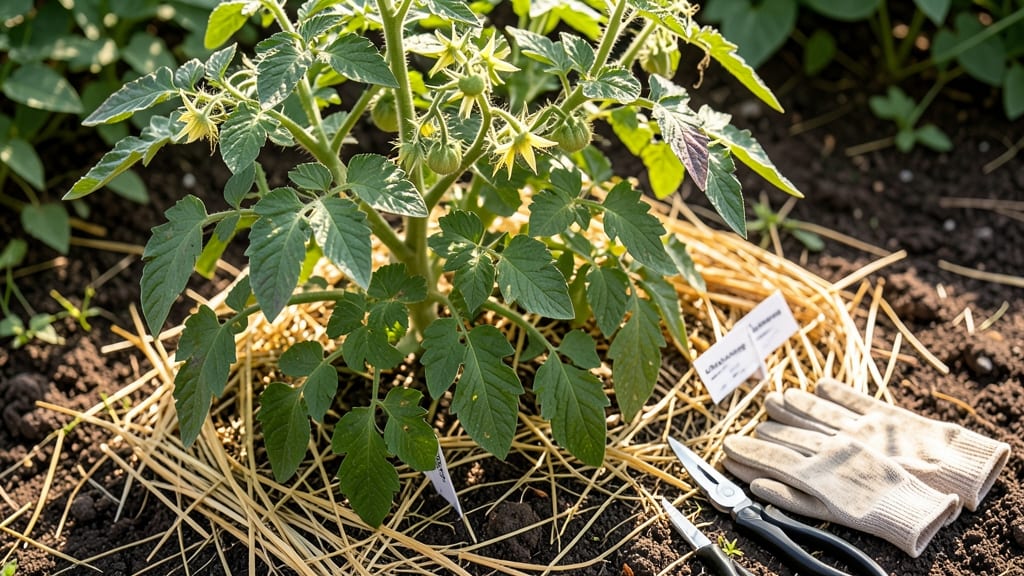
My best tomato breeds for hot, frost-free climates have saved my garden from blighted, sun-scorched failures—these varieties thrive where others melt into paste. 🌞 The key? Heat tolerance, disease resistance, and the ability to ripen fast before humidity sets in.
I’ve grown these in 90°F+ summers with zero issues, and the flavors? Nothing from the grocery store compares. You’ll want Cherry tomatoes like 'Solar Fire' (explosive red clusters) or slicers like 'Heatmaster' (meaty, sweet, and crack-resistant). For organic growers, 'Mountain Merit' stands out—disease-proof and productive even with minimal spraying.
Beginners love 'Celebrity' for its foolproof reliability, while advanced gardeners chase 'Arkansas Traveler' for its smoky, heirloom depth. By mid-July, your plants will be heavy with juicy, vine-ripened fruit that pops in salads or sizzles on the grill.
The right variety means fewer pests, fewer failures, and a harvest that lasts until first frost—if you even get one where you live.
Pick based on your goal: high yield? 'Big Beef' delivers pound after pound. Flavor? 'Brandywine' rivals restaurant tomatoes. Heat? 'Sun Gold' cherries stay sweet even when temps hit 100°F. Here’s how to match them to your garden’s needs.
📚 In This Guide
- What you need
- Instructions
- Tips and common mistakes
- Wrapping up and next steps
What you need
- ● Tomato Seeds or Seedlings: Choose from heat-tolerant varieties like Solar Fire, Heatmaster, or Arkansas Traveler (3–5 plants per family or 1–2 per person for fresh eating).
- ● Containers or Garden Beds: Containers: 5-gallon pots (1 per plant) with drainage holes.
- ● Garden Beds: Raised beds (4’x8’ recommended) or in-ground plots with loose, well-draining soil.
- ● High-Quality Potting Mix: 1–2 bags of organic, well-draining mix (e.g., Miracle-Gro Organic Choice or FoxFarm Ocean Forest). Avoid garden soil—it’s too dense for heat-loving tomatoes!
- ● Fertilizer: Balanced Fertilizer: 10-10-10 or 5-5-5 (1 tbsp per plant at planting).
- ● Tomato-Specific Feed: Liquid fertilizer like Fish Emulsion or Seaweed Extract (apply every 2–3 weeks).
- ● Mulch: Black plastic mulch (1 sheet per bed) or straw (2–3 inches thick) to retain moisture and regulate soil temperature.
- ● Support Structures: Stakes (6–8 ft tall, 1 per plant).
- ● OR Cages (5–6 ft tall, 1 per plant).
- ● Watering Supplies: Drip irrigation kit or soaker hoses (to avoid wetting leaves).
- ● Watering can with a fine rose attachment (for seedlings).
- ● Pruning Tools: Bypass pruners (for trimming suckers and dead leaves).
- ● Gloves (to protect hands from thorns).
- ● Shade Cloth: 30–50% shade fabric (for seedlings in scorching climates).
- ● Row Covers: Lightweight fabric to protect young plants from late frosts or heatwaves.
- ● pH Test Kit: Ensure soil pH is between 6.0–6.8 (tomatoes thrive in slightly acidic soil).
- ● Compost or Worm Castings: Boost soil fertility and moisture retention.
- ● Grow Lights: For starting seeds indoors (if your climate has a short growing season).
How to select and grow the best heat-resistant tomato varieties
Here's how to pick and cultivate the top tomato breeds that thrive in hot, frost-free climates.
🌱 Step 1: Choose Heat-Tolerant Varieties for Your Climate
Focus on determinate types like 'Heatmaster' or 'Solar Fire' for consistent production in high temps, or indeterminate breeds such as 'Arkansas Traveler' that handle heat while growing continuously. Avoid thin-skinned varieties—they crack easily in extreme heat. Look for breeds labeled "heat-tolerant" or "drought-resistant" on seed packets.
I always cross-reference with local extension service recommendations. For example, 'Celebrity' performs well in 90°F+ zones, while 'Black Prince' thrives in humid heat. Check each variety's days to maturity—faster producers (60-70 days) finish before summer's worst heat arrives.
☀️ Step 2: Optimize Planting for Heat and Sun Exposure
Plant in late spring after soil reaches 70°F to avoid transplant shock. Use black plastic mulch (from your materials) to warm soil faster and retain moisture—this gives seedlings a 5-7°F advantage in early heat. Space plants 18-24 inches apart for airflow, which prevents fungal diseases common in hot, humid conditions.
Here's the thing—morning sun is gentler than afternoon heat. Position plants so they receive strong morning light but partial afternoon shade if temps exceed 95°F. Watch for sun scald (white patches on fruit) as your signal to provide afternoon shade cloth.
💧 Step 3: Master Heat-Specific Watering Techniques
Water deeply at the base every 2-3 days during peak heat (avoid wetting leaves to prevent sunburn). I use a soaker hose to deliver 1-1.5 gallons per plant per watering—this encourages deep root growth that survives drought. Water early morning so foliage dries before evening humidity sets in.
Mulch heavily with straw or wood chips (2-3 inches thick) to keep soil temps 10°F cooler at the root zone. You'll notice fewer blossom-end rot issues because calcium uptake improves in cooler, more stable soil. Never let the soil dry completely—even heat-tolerant breeds need consistent moisture.
✂️ Step 4: Prune and Support for Heat Stress Prevention
Prune suckers aggressively to reduce plant stress—leave only 2-3 main stems for indeterminate varieties. This improves airflow and directs energy to fruit production rather than excessive foliage. Remove lower leaves up to 12 inches from the ground to eliminate humidity buildup at soil level.
Use cages or sturdy stakes to support vines—heat causes plants to grow faster but also weakens stems. Trellis plants vertically to reduce leaf surface area exposed to direct sun. You'll see stronger, less stressed plants that produce fruit even when temps hit 100°F.
🌿 Step 5: Monitor and Adjust for Heat Stress Symptoms
Watch for wilting during midday—this is normal in extreme heat, but plants should recover by evening. If leaves curl or yellow, provide immediate shade and increase water slightly. Heat-tolerant breeds may drop flowers when temps exceed 95°F—this is called "heat stress," and it's temporary if conditions improve.
Apply a light foliar spray of seaweed extract (if available) to help plants cope with heat stress. The key is consistency—heat-tolerant varieties handle high temps better when given proper water, shade, and support from the start. Harvest regularly to encourage continuous production through the season.
Tips & tricks for perfect heat-resistant tomato cultivation
These game-changing insights will help you maximize your harvest in even the toughest climates.
Variety Selection Intelligence: When choosing between determinate and indeterminate types, consider your goals. Determinate varieties like 'Heatmaster' produce fruit all at once—ideal for canning or preserving—while indeterminate breeds like 'Arkansas Traveler' give continuous harvests but require more support. For extreme heat zones (90°F+), prioritize varieties with thick skins like 'Solar Fire' that resist cracking and splitting during rapid growth spurts.
Soil Temperature Strategy: The 70°F soil temperature threshold in Step 2 is non-negotiable for transplant success. To accelerate soil warming, lay black plastic mulch 1-2 weeks before planting. This creates a 5-7°F advantage that helps seedlings establish roots faster in hot climates. Pro tip: Bury the edges of mulch to prevent weeds from stealing moisture and nutrients from your tomatoes.
Sun Exposure Mastery: The morning sun advantage in Step 2 is about more than just temperature—it's about light quality. Early morning sunlight has higher blue light spectrum which promotes photosynthesis without the stress of midday intensity. When temps hit 95°F, deploy shade cloth (30-50% shade) only in the afternoon; morning shade actually reduces plant vigor. Watch for sun scald as your early warning system—those white patches appear when fruit receives too much direct radiation.
Heat Stress Prevention: The 100°F threshold mentioned in Step 4 is where things get critical. At this point, plants shift into survival mode, prioritizing leaf production over fruit set. To combat this, implement a two-pronged approach:
- Increase airflow through aggressive pruning (leave just 2-3 main stems) and
- Provide consistent moisture through deep watering (1-1.5 gallons per plant). The key is maintaining that soil temperature 10°F cooler than ambient through proper mulching—this keeps roots active even when air temps soar.
Pro Tips for Best Tomato Breeds
- These game-changing insights will help you maximize your harvest in even the toughest climates.
- Variety Selection Intelligence: When choosing between determinate and indeterminate types, consider your goals.
- Soil Temperature Strategy: The 70°F soil temperature threshold in Step 2 is non-negotiable for transplant success.
Frequently asked questions
Got questions about growing the best tomato breeds in heat and zero-frost zones?
You’re not alone! Here are answers to the most common queries to help you cultivate a thriving tomato harvest—even in tough climates.
Which tomato varieties handle the hottest climates best?
Heat-resistant breeds like Solar Fire, Heatmaster, and Arkansas Traveler thrive in temperatures above 90°F (32°C). These varieties resist wilting, cracking, and fruit scorch, making them ideal for desert or tropical zones. Look for determinate types—they produce quickly and handle heat better than indeterminate vines.
How soon can I expect tomatoes to ripen in hot weather?
Heat-loving varieties like Celebrity or Sun Gold typically ripen in 50–70 days from transplant, but extreme heat can slow growth. To speed things up:
- Use black plastic mulch to warm soil faster.
- Water deeply in the morning to prevent stress.
- Prune suckers to focus energy on fruit production.
Can I grow tomatoes in containers if it’s always hot?
Container-friendly heat-tolerant breeds like Tiny Tim or Patio Princess work well. Use:
- A 5-gallon pot minimum (bigger = more stability).
- Well-draining potting mix with compost.
- Self-watering systems to avoid soil drying.
What pests or diseases should I watch for in hot, dry conditions?
Heat stress weakens plants, inviting issues like:
- Blossom-end rot (calcium deficiency from uneven watering). Fix: Add crushed eggshells to soil and mulch.
- Spider mites (thrive in dry heat). Fix: Spray plants with water daily or use neem oil.
- Fusarium wilt (soil-borne fungus). Fix: Rotate crops and sterilize containers.
What’s the best way to extend the tomato season in areas with no frost?
In zero-frost zones, use these tricks to keep producing:
- Succession planting: Sow new seeds every 2–3 weeks for continuous harvests.
- Shade cloth: Deploy 30% shade during summer peaks to prevent sunscald.
- Dwarf varieties: Choose Micro Tom or Balcony Red for compact, high-yielding plants.
- Greenhouse or hoop house: Extends growing windows and protects from erratic heat.
Wrapping up and next steps
Choosing the right tomato breed can transform your garden into a thriving, heat-resistant haven—even in zero-frost climates! 🌱 From the sweet Solar Fire to the robust Heatmaster, these varieties prove that hot weather doesn’t have to mean harvest failure.
Whether you’re a seasoned gardener or just starting, the key is selecting breeds that match your local conditions and flavor preferences.
Now that you’re armed with the best options, it’s time to get growing! Start small with a few varieties, experiment with companion planting, and watch your tomatoes flourish. Happy gardening—and may your harvest be bountiful! 🍅✨