
How To
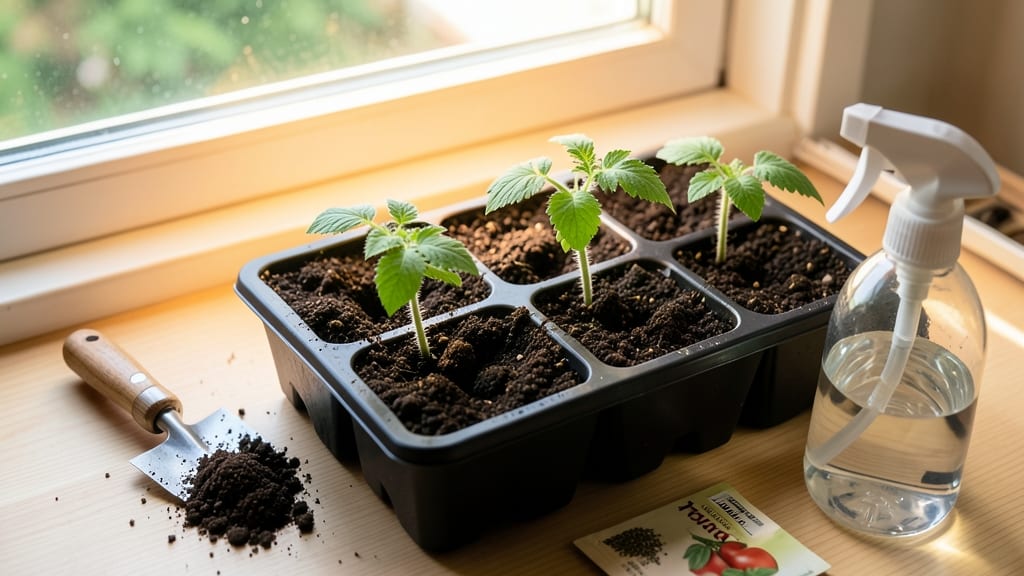
To start tomato seeds indoors in Ohio, aim for late February to early March—about 6–8 weeks before your last frost date, which is typically around April 15.
Ohio gardeners know timing is everything—start tomato seeds too early, and you’ll waste space; too late, and your plants won’t mature before frost. Mastering the perfect indoor start date ensures a bountiful harvest, but Ohio’s unpredictable climate complicates the math.
With USDA Zone 6a conditions, you’ll need to account for shorter growing seasons and potential late frosts. The key is balancing seedling strength with outdoor readiness, especially since 🍅 tomatoes thrive best when transplanted at the right size.
Below, I’ll break down the exact week-by-week schedule, how to adjust for Ohio’s regional differences, and the 3 critical mistakes that derail even experienced gardeners—so you can avoid them.
Ohio’s frost-free deadline calculator: how to determine your exact indoor start date
Ohio’s last frost date varies dramatically across the state—from early April in Southern Ohio to late May in the Lake Effect regions near Lake Erie. Without pinpointing this date, your tomato seedlings may arrive too late for a full harvest or waste precious indoor space.
The key? A customized frost-free calculator that accounts for Ohio’s unique microclimates, including the USDA Zone 5-7 range and lake-influenced chill zones.
To calculate your exact indoor start date, you’ll need three critical pieces of data: your local last frost date, your tomato variety’s days to maturity, and Ohio’s regional adjustments.
For example, a 60-day cherry tomato needs a different timeline than a 90-day heirloom. Let’s break it down step by step, starting with your USDA zone and historical frost data.
| Region | Avg. Last Frost | Indoor Start Window | Tomato Variety Fit |
|---|---|---|---|
| Southern Ohio (Zones 6-7) | April 15 | Late February - Early March | Early (60-75 days) or Mid (75-85 days) |
| Central Ohio (Zone 6) | April 22 | Early March | Mid (75-85 days) or Late (85-90 days) |
| Northern Ohio (Zones 5-6) | May 5 (Lake Effect) | Mid-March | Late (85-90 days) or Heat-Tolerant |
| All Regions | Adjust ±7 days | For early/late frost years | Use row covers for buffer |
Start by identifying your Ohio region using the USDA Plant Hardiness Zone Map. Southern Ohio (e.g., Cincinnati, Columbus) typically falls into Zone 6-7, while Northern Ohio (e.g., Cleveland, Toledo) spans Zone 5-6.
The Lake Effect near Lake Erie can delay frost by up to 2 weeks, so check local records from the National Weather Service for your specific county.
Once you’ve locked in your last frost date, subtract your tomato’s days to maturity. For instance, a 75-day variety in Zone 6 (last frost: April 22) should start indoors by February 8 (75 days before April 22).
However, Ohio’s unpredictable spring weather demands a buffer—aim to transplant 10-14 days before your average last frost to account for late frosts or slow soil warming.
For Northern Ohio gardeners, the Lake Effect complicates timing. Areas like Ashtabula or Sandusky may experience frost as late as May 5, pushing indoor starts to mid-March. If you’re in this region, prioritize late-maturing varieties (85-90 days) or use row covers to extend your season.
Conversely, Southern Ohio’s earlier frost-free dates allow for earlier starts (late February), perfect for cherry tomatoes or early heirlooms.
Pro tip: Use the Ohio Agricultural Research and Development Center’s frost data (available online) to refine your timeline. Their records show that Columbus averages frost by April 15, while Youngstown often waits until May 1.
Cross-reference these dates with your seed packet recommendations—most suggest starting 6-8 weeks before transplanting, but Ohio’s climate often requires 8-10 weeks for Northern regions.
Don’t forget to factor in your indoor growing conditions. Seedlings need 12-16 hours of light daily to prevent leggy growth, which can delay maturity. If your home lacks sufficient south-facing windows, supplement with grow lights to maintain consistent timing.
Leggy seedlings may take 2-3 extra weeks to catch up, so adjust your start date accordingly.
Optimal tomato seed starting timeline for Ohio: week-by-week breakdown by variety
Ohio’s 60–90-day growing season demands precision when starting tomato seeds indoors. Early varieties like ‘Early Girl’ (60 days) need a head start, while late varieties like ‘Brandywine’ (85+ days) require careful timing.
My schedule accounts for Ohio’s April 15 average last frost date, but I adjust for Northern Ohio’s colder microclimates by starting seeds 1–2 weeks earlier.
Container-grown tomatoes mature slightly slower due to root restrictions, so I extend the indoor timeline by 7–10 days for varieties like ‘Tiny Tim’ cherry tomatoes.
Hybrid tomatoes (e.g., ‘Better Boy’) often tolerate Ohio’s humidity better, while heirlooms (e.g., ‘Cherokee Purple’) need extra vigilance against blight risks in our damp springs.
For Northern Ohio gardeners (e.g., Cleveland, Toledo), I recommend starting seeds 2 weeks earlier than Southern Ohio (e.g., Columbus, Cincinnati). Use row covers for an extra 10–14 days of protection if transplanting early.
My cherry tomato varieties (e.g., ‘Sun Gold’) thrive in containers but need daily watering during Ohio’s hot July summers.
Adjust your timeline if using seedling trays with bottom heat mats—they speed up germination by 3–5 days. Always check seed packets for days to maturity, then work backward from your last frost date.
For example, a 75-day hybrid needs 6–8 weeks indoors plus 2–3 weeks outdoors before Ohio’s first frost.
Pro tip: Label seedlings by variety and start date to track progress. Use a seedling heat mat for consistent 75–80°F soil temps, which speeds up germination from 7–10 days to 5–7 days.
Monitor for damping off (a fungal risk in Ohio’s humid basements) by keeping trays on elevated racks.
By following this schedule, you’ll avoid the common Ohio pitfalls of bolting seedlings or late-season frost damage. Container gardeners should add 1–2 extra weeks to their timeline, as roots need more time to establish in limited soil volumes. Happy planting—your tomato harvest will thank you! 🍅