
Vegetables
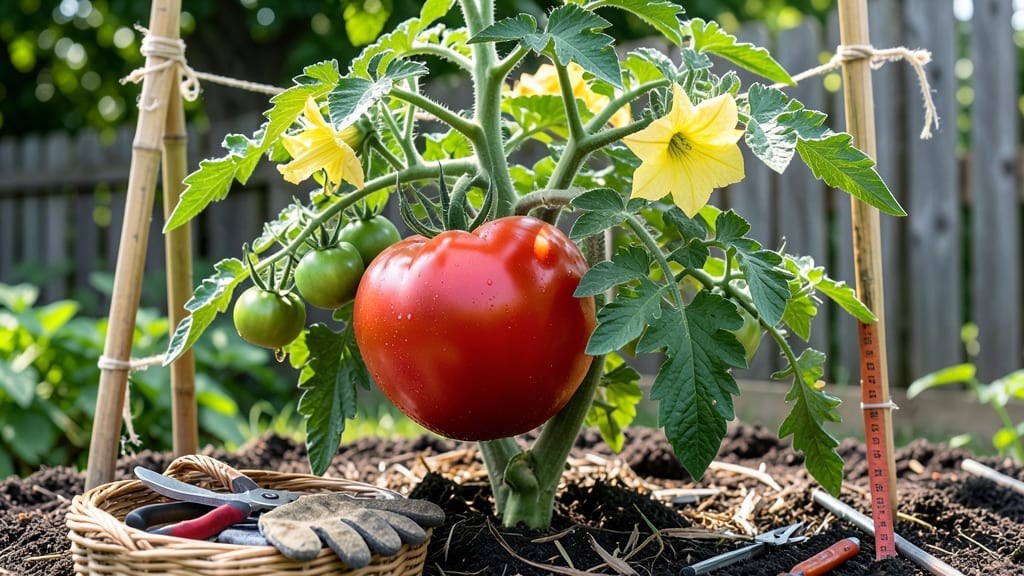
The biggest tomato in the world is the 'Giant Arizona Beefsteak,' weighing over 12 pounds (5.4 kg) in 2021. This record-holding variety thrives in hot climates with proper pruning, staking, and nutrient-rich soil to achieve massive size
The 'Giant Arizona Beefsteak' isn't just a record-breaker—it's a masterclass in botanical engineering. 🌱 This heirloom variety combines massive fruit size with rich, beefsteak-style flavor, making it a favorite among competitive growers.
The secret lies in its genetic potential to produce fruits weighing 10+ pounds when given the right conditions: consistent temperatures above 75°F, full sun exposure, and a trellis system to support the heavy vines.
Unlike smaller tomatoes, these giants need extra potassium and phosphorus to fuel their growth, which is why gardeners often amend soil with compost or specialized fertilizer blends.
What's fascinating is how these tomatoes grow—starting as small flowers that develop into fruits the size of footballs. The key to success at home is patience: these plants take longer to mature than standard varieties, often requiring 90-120 days from seed to harvest.
I've found that regular pruning to remove suckers (side shoots) redirects energy toward fewer, larger fruits rather than many small ones. The 2021 record-setter was grown in Arizona's desert climate, proving that extreme heat actually benefits this variety when paired with proper irrigation techniques.
💡 In This Article
- How Giant Tomatoes Grow: Science Behind Record-Breaking Size
- Growing a Giant Tomato at Home: Step-by-Step Guide
How giant tomatoes grow: science behind record-breaking size
The 'Giant Arizona Beefsteak' achieves its massive size through a combination of genetics and environmental optimization. This heirloom variety contains hybrid vigor traits that allow it to produce fruits weighing up to 12+ pounds—more than 20 times the average grocery-store tomato (0.5 pounds).
The key lies in its indeterminate growth habit, meaning it continues producing flowers and fruits throughout the growing season rather than stopping after a few harvests. 🌿
Temperature plays a critical role—these tomatoes thrive in 75-95°F conditions, where metabolic processes accelerate without causing stress. The plant's cells expand rapidly due to high auxin hormone production, which promotes cell elongation. In Arizona's record-setting climate, the long daylight hours (14+ hours) provide 16-18 hours of sunlight daily, maximizing photosynthesis.
The plant's roots also develop a deep taproot system that can access water and nutrients from up to 3 feet underground, unlike smaller varieties that rely on shallow roots.
Nutrient availability is equally crucial—giant tomatoes require 3-4 times more potassium than standard varieties to support their massive fruit load. Gardeners often use 5-10-10 fertilizer ratios (nitrogen-phosphorus-potassium) to balance growth and fruiting.
The soil's organic matter content must reach 5-10% to provide the necessary micronutrients like calcium and magnesium, which prevent blossom-end rot—a common issue with large fruits. The trellis system isn't just for support; it elevates the fruit off the ground, reducing disease risk from soil-borne pathogens.
Water management creates another challenge—these plants need 1-2 inches of water per week, delivered consistently to prevent uneven growth. The heavy fruits require structural support from the vine, which is why growers use sturdy wooden stakes or metal cages.
Without proper support, the vines can break under the weight of 8-12 pound tomatoes. The plant's natural growth habit produces 6-8 main stems that require careful pruning to direct energy toward fewer, larger fruits rather than excessive branching.
What's often overlooked is the role of humidity control. In arid climates like Arizona, maintaining 40-60% humidity around the plants prevents fungal diseases while allowing proper transpiration.
The record-breaking tomato's skin develops a thick, leathery texture (up to 0.5 inches thick in some cases) that protects the fruit from cracking—a common problem with rapid growth in fluctuating temperatures.
This adaptation allows the fruit to continue expanding without splitting, even when daily temperatures swing 20°F between day and night.
Here's the fascinating part about flavor: despite their size, these tomatoes maintain a rich, beefsteak-style taste with minimal wateriness. The low seed-to-flesh ratio (only 1-2% seeds compared to 5-10% in standard tomatoes) means more juice and fewer fibrous areas.
The flesh develops a deep red color due to high lycopene concentration, which actually increases with size—making the largest specimens even more flavorful. 🌶️
The record-setting growth process takes 90-120 days from transplanting to harvest, with the final 30 days being critical for maximum size development. During this period, the plant's metabolic focus shifts entirely to fruit maturation, with minimal new leaf growth.
This is why experienced growers often stop fertilizing with nitrogen 4-6 weeks before harvest to prevent excessive foliage that would compete with fruit development.