
Plants
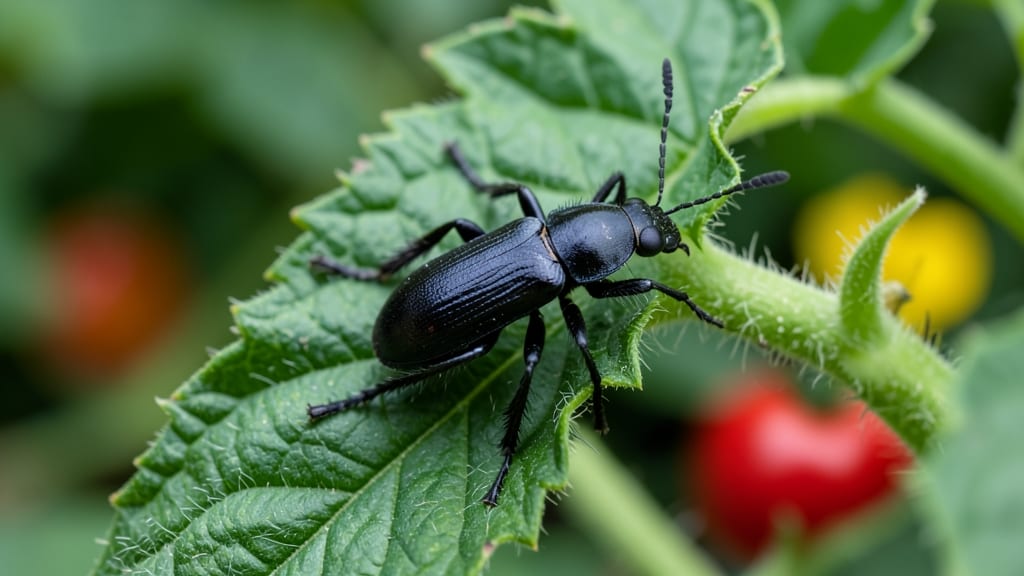
Black bugs on tomato plants mean your harvest could disappear overnight if you don’t act fast. 🌱 I’ve lost entire plants to hornworms and stink bugs—until I learned the right natural sprays that work within days.
The damage starts with chewed leaves, then moves to fruit, and before you know it, your tomatoes are gone.
Most black bugs—like hornworms, stink bugs, or aphids—hide under leaves or blend into foliage, making them hard to spot until it’s too late. The key is catching them early with a quick spray of neem oil or insecticidal soap, which disrupts their life cycle without harming your plants.
Handpicking works too, but only if you’re vigilant.
By the end of this guide, you’ll have a foolproof spray recipe that stops new bugs from hatching and protects your plants for the rest of the season. No more losing tomatoes to pests—just healthy, thriving vines with fruit ready to harvest. Let’s get those bugs under control.
Whether you’re dealing with a sudden infestation or just want to prevent one, these solutions work for all common black tomato pests. The best part? You’ll save money by skipping chemical sprays and using what’s already in your garden shed.
Root Causes Of Tomato Plant Invaders
Black bugs on your tomato plants aren’t just a random annoyance—they’re often the result of specific environmental triggers, plant weaknesses, or even your garden’s ecosystem imbalances. Understanding why these pests appear is the first step to stopping them before they devour your harvest.
Below, we break down the most common reasons these tiny menaces show up, backed by science and actionable insights.
Tomato plants under stress—whether from poor spacing, nutrient deficiencies, or water fluctuations—emit chemical signals that attract hungry pests like aphids, stink bugs, or even fungal gnats. Here’s how it happens:
- Poor Air Circulation: Dense foliage traps moisture, creating a damp, humid microclimate that loves fungal gnats and mites. These bugs thrive in 70–80% humidity and lay eggs in soggy soil.
- Nutrient Deficiencies: Plants lacking nitrogen (yellow leaves) or potassium (weak stems) produce less sugar-rich sap, making them easier targets for sap-sucking pests like aphids and whiteflies.
- Watering Mismanagement:
- Overwatering: Saturated soil drowns roots and invites fungal gnats, whose larvae feast on decaying organic matter.
- Underwatering: Drought-stressed plants release stress hormones (like jasmonic acid) that signal nearby pests to feast.
💡 Pro Tip: Space tomato plants 18–24 inches apart and prune lower leaves to improve airflow. Use drip irrigation (not overhead watering) to keep foliage dry.
Healthy ecosystems keep pests in check—but modern gardening often disrupts this balance. When natural predators vanish, black bugs move in like uninvited guests at a buffet.
| Missing Predator | Pests They Control | Why They’re Gone |
|---|---|---|
| Ladybugs | Aphids, mites, soft-bodied insects | Pesticide use (even "organic" sprays can harm them) or lack of habitat (e.g., no flowering plants for nectar). |
| Ground Beetles | Caterpillars, cutworms, fungal gnat larvae | Tilled soil destroys their hiding spots; they prefer undisturbed mulch. |
| Parasitic Wasps | Whiteflies, stink bugs, tomato hornworms | Monoculture gardens (only tomatoes = no diversity for wasp food sources). |
🔥 Action Step: Plant companion flowers like marigolds, dill, or basil to attract predators. Avoid broad-spectrum sprays—opt for neem oil or insecticidal soap instead.
Black bugs don’t just appear—they hitch rides on wind, wildlife, or even your gardening tools. Climate changes and seasonal shifts create perfect invasion conditions:
- Warmer Winters: Pests like stink bugs and aphids survive longer in mild climates, leading to earlier and larger infestations in spring.
- Monsoon Rains or Droughts:
- Heavy rains wash away natural predators but boost fungal gnat populations by increasing soil moisture.
- Droughts stress plants, making them release sugars that attract sap-suckers like aphids.
- Windborne Travelers: Aphids and whiteflies can fly 1–2 miles on wind currents, landing on your tomatoes after hitching a ride from nearby crops.
🌡️ Climate Hack: Use row covers in early spring to block migrating pests. If drought is an issue, mulch heavily to retain moisture without overwatering.
Sometimes, the problem isn’t nature—it’s you. Unintentional gardening mistakes can introduce black bugs faster than you can say "blight." Here’s how:
- Contaminated Tools or Soil: Reusing pots, trellises, or garden tools from infested areas transfers eggs or larvae to your tomatoes.
- Transplanting Infested Plants: Buying or swapping tomato starts from nurseries with hidden aphid colonies or fungal gnat eggs.
- Composting Pest-Damaged Plants: Throwing infested leaves into compost doesn’t kill eggs—it creates a breeding ground.
- Ignoring Weeds: Weeds like nightshade or purslane harbor stink bugs and spider mites, which jump to tomatoes when disturbed.
✨ Prevention Tip: Sterilize tools with rubbing alcohol between uses. Inspect new plants under leaves for eggs or tiny bugs before transplanting. Remove weeds within a 3-foot radius of tomato plants.
Now that you know why these black bugs crash your tomato party, the next step is natural sprays and traps to evict them—without harming your plants or the ecosystem. Stay tuned!
Natural Fixes for Tomato Plant Pests
Got those pesky black bugs wreaking havoc on your tomato plants? Don’t panic—there are effective, chemical-free solutions to reclaim your garden! Below, we’ll match common culprits (like aphids, stink bugs, or flea beetles) with practical fixes, from quick sprays to long-term prevention. Let’s get your tomatoes thriving again!
Not all black bugs are the same, so targeted action is key. Use this quick guide to diagnose and treat:
1. Tiny Black Specks? Flea Beetles Are the Culprits 🐞
🔪 Fix: These jumpy pests chew leaves into lace-like patterns. Here’s how to stop them: - Neem Oil Spray (🍳) – Mix 1 tsp neem oil + 1 tsp mild soap + 1 quart water.
Spray early morning or evening (avoid direct sun) every 3–5 days until gone. - Row Covers (🛡️) – Cover young plants with lightweight fabric to block beetles while allowing sunlight and water through. - Diatomaceous Earth (⏰) – Sprinkle food-grade DE around the base of plants.
It’s non-toxic but deadly to beetles—reapply after rain.
💡 Pro Tip: Flea beetles love cruciferous plants (like broccoli). Plant these as trap crops to lure them away from tomatoes!
2. Sticky Black Bugs? Stink Bugs Are Invading 🐛
🍳 Fix: These shield-shaped pests suck juices, causing yellowing or scarred fruit. Try these: - Kaolin Clay Spray (🌡️) – Mix 2 tbsp clay + 1 gallon water. The gritty film repels and smothers them.
Reapply after rain. - Handpick & Drop (👨🍳) – Crush them in soapy water (they stink when squished—wear gloves!). Do this at dawn when they’re sluggish. - Beneficial Nematodes (🔄) – Soil-dwelling microbes that attack stink bug eggs. Apply in early spring (follow package rates).
✨ Prevention: Diverse plantings (marigolds, basil) confuse stink bugs. Avoid monoculture (planting only tomatoes in a row).
3. Black Clusters? Aphids or Scale Are Feasting 🐜
🔪 Fix: These sap-suckers weaken plants and spread disease. Knock them off fast! - Soap Spray (🧼) – 1 tbsp castile soap + 1 quart water. Spray directly on bugs (they’ll drop off).
Repeat every 5–7 days. - Ladybugs & Lacewings (🐞💥) – Release beneficial insects (available at garden centers). They eat aphids for breakfast! - Prune & Burn (🔥) – Cut off heavily infested leaves and burn or compost them (don’t add to your garden).
🎯 Quick Win: Blast them off with a strong stream of water from your hose—aphids can’t swim!
4. Black Slime? Mealybugs or Scale Are Hiding 🍯
🍳 Fix: These waxy pests secret sticky honeydew, attracting ants (which protect them!). Scrape them off! - Rubbing Alcohol Spray (🧴) – Mix 1 part alcohol + 3 parts water. Dab directly on bugs (they’ll dissolve).
Safe for plants! - Horticultural Oil (🌿) – Dormant oil smothers eggs and adults. Apply in early spring before new growth starts. - Coffee Grounds (☕) – Sprinkle used grounds around the base—caffeine repels mealybugs!
💡 Pro Tip: Ants = free pest control. If you see ants, they’re farming aphids. Spray soapy water on ant trails to break the cycle.
Once you’ve kicked the pests out, lock them out with these habits: - Crop Rotation (🔄) – Don’t plant tomatoes in the same spot yearly.
Bugs overwinter in soil! - Healthy Soil (💪) – Compost + worm castings = strong plants that resist pests naturally. - Interplanting (🌿) – Mix tomatoes with basil, marigolds, or onions.
Their scents confuse bugs. - Early Harvest (🍅) – Pick tomatoes before they ripen if pests are bad. Green tomatoes can ripen indoors!
🚨 Last Resort: If infestations persist, pyrethrin spray (derived from chrysanthemums) is a low-toxicity option—but use it late in the day to protect bees.
Now grab your spray bottle and get those tomatoes back on track! 🌱💚 Which bug is bothering your plants? Drop a comment below—we’ve got more tricks up our sleeves!
Frequently asked questions
What are the most common black bugs that attack tomato plants?
The most troublesome black bugs include hornworms (large green caterpillars with black stripes), stink bugs (shield-shaped with black and brown markings), aphids (tiny black clusters), and flea beetles (tiny jumping black specks). Each leaves distinct damage—hornworms chew leaves, while aphids and stink bugs suck plant juices.
How do I tell if my tomato plants have a serious infestation?
Watch for chewed leaves, sticky residue (honeydew from aphids), or wilting despite proper watering. A serious infestation means you’ll see 5+ bugs per leaf or new damage daily. Act fast—these pests multiply quickly!
Can I use vinegar spray to kill black bugs on tomato plants?
No—vinegar spray (1:1 vinegar-water mix) can harm tomato plants. Instead, use neem oil or insecticidal soap, which target pests without damaging foliage. For stubborn cases, try kaolin clay (a natural barrier that repels bugs).
How often should I apply natural sprays to prevent reinfestation?
Apply neem oil every 7–10 days or after rain, and insecticidal soap every 5–7 days during active pest seasons (spring-fall). For prevention, focus on healthy soil and companion planting—this reduces the need for frequent sprays.
Will my tomato fruit still be safe to eat if I’ve used natural sprays?
Yes! All recommended sprays (neem oil, soap, kaolin clay) are food-safe once dry. Wait 24 hours after spraying before harvesting. Avoid chemical pesticides—they leave harmful residues. Your tomatoes will be delicious and pest-free!