
Size
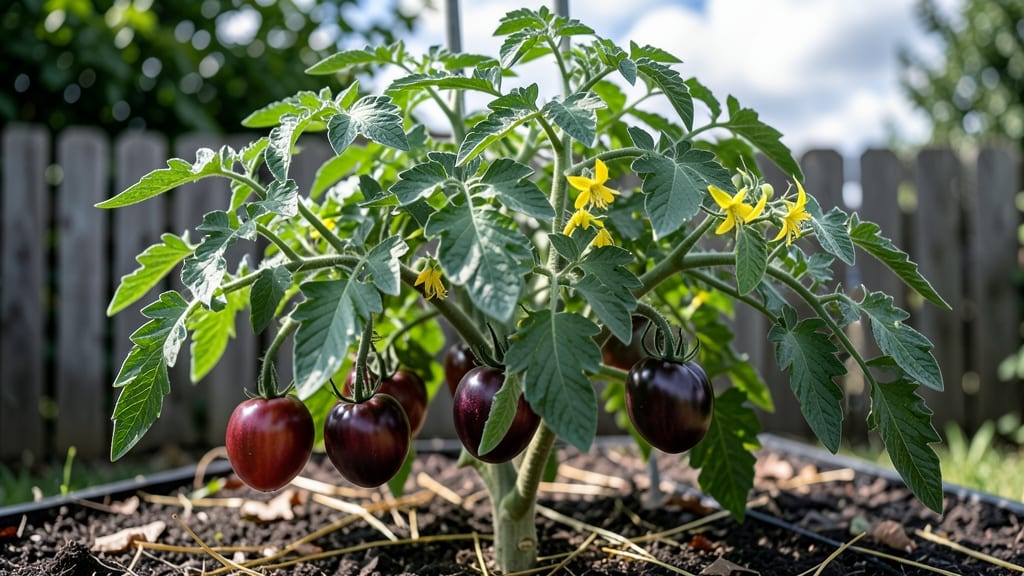
The Black Krim tomato size surprises even seasoned gardeners with its towering vines and oversized fruit—think 5-6 feet tall and 2-3 inches per tomato at peak ripeness.
If you’ve ever dreamed of growing massive, flavor-packed tomatoes but struggled with spacing or plant size, the Black Krim might be your perfect match—this heirloom variety can reach surprising heights while delivering prolific yields.
Unlike cherry tomatoes that stay compact or beefsteaks that sprawl, the Black Krim 🍅 strikes a balance: tall enough to need support but manageable with the right pruning and trellising. Below, I’ll break down how to maximize its size without sacrificing fruit production, plus spacing tricks to avoid overcrowding.
You’ll also discover how sunlight, pruning, and even fertilizer choices can tweak vine growth—because yes, your Black Krim can get even bigger with the right care (or stay smaller if you prefer).

Black Krim tomato plant size: height, spread & growth habits explained
If you’ve ever wondered how much space to allocate for your Black Krim tomatoes, you’re not alone. This indeterminate variety grows taller than many gardeners expect, often reaching heights that rival small trees.
Understanding its growth habits and mature dimensions will help you plan your garden layout for maximum yield without overcrowding.
The Black Krim tomato plant typically matures between 5 to 6 feet tall, with vines that can spread 3 to 4 feet wide if left unpruned. Unlike determinate varieties that grow in compact bushes, Black Krims produce an endless supply of fruit as long as the vine stays healthy.
This makes them ideal for vertical gardening or trellising in smaller spaces.
Here’s a quick breakdown of what to expect from a mature Black Krim plant:
One of the biggest factors influencing Black Krim tomato size is your climate zone. In hot, sunny regions like the Southwest U.S., these plants can grow aggressively, sometimes reaching 7 feet or more if not pruned.
Conversely, in cooler climates like the Pacific Northwest, they may max out around 4–5 feet due to shorter growing seasons.
To manage vine size and encourage larger fruit production, I recommend pruning suckers regularly and providing strong support like a tomato cage or trellis system. This not only keeps the plant contained but also improves air circulation, reducing the risk of disease and ensuring healthier growth.
If you’re growing Black Krims in containers, expect slightly smaller plants—typically 3–4 feet tall—since root growth is restricted. However, with proper fertilization and pruning, you can still achieve excellent yields in 5-gallon pots or larger.
For maximum yield, allow your Black Krims to grow to their full height but prune aggressively to focus energy on fruit development rather than excessive foliage. Remove suckers (the shoots that grow between the main stem and branches) every 2–3 weeks during the growing season.
This simple technique can increase fruit size by up to 30%.
Another tip: If you’re in a short-season climate, start your Black Krims indoors 6–8 weeks before the last frost to give them a head start. This extra time helps them reach their optimal height and produce more fruit before cooler temperatures slow growth.
Finally, remember that soil quality plays a huge role in plant size. Amend your soil with compost and a balanced fertilizer (like 10-10-10) to support robust growth. Well-fed plants will develop sturdier stems and larger leaves, which in turn supports bigger fruit.
With the right care, your Black Krim tomatoes will thrive, producing flavorful, meaty fruit while keeping your garden looking lush and productive. Happy growing! 🌱
Optimal spacing for Black Krim tomatoes: maximizing yield without crowding
Getting the spacing right for your Black Krim tomatoes is the secret to maximizing those heirloom-sized fruits without sacrificing plant health.
These indeterminate vines can grow 5-6 feet tall and sprawl 2-3 feet wide, so proper spacing ensures good airflow and sunlight penetration—critical for preventing diseases like blight and encouraging robust fruit production.
In garden beds, aim for 18-24 inches between plants and 36-48 inches between rows. This gives roots room to spread while keeping foliage from shading neighboring plants.
If you're growing in containers, choose pots that are at least 5 gallons per plant, as smaller containers restrict root growth and limit yield.
| Growing Method | Spacing Between Plants | Spacing Between Rows | Container Size | Yield Impact |
|---|---|---|---|---|
| Garden Bed | 18-24" | 36-48" | N/A | Maximized |
| Raised Bed | 24" | N/A (single row) | N/A | High |
| Containers | 1 plant per container | N/A | 5+ gallons | Moderate |
| Trellis/Cage | 18" | 36" | N/A | High (vertical growth) |
Companion planting can also optimize space while improving yields. Pair your Black Krims with basil or marigolds to deter pests like hornworms and aphids. Avoid planting near corn or fennel, as they compete for nutrients and can stunt tomato growth.
If space is limited, consider interplanting with shallow-rooted herbs like thyme or oregano.
Pruning plays a huge role in managing plant size and fruit production. By removing suckers (the shoots that form in the leaf axils) and lower leaves, you encourage the plant to focus energy on fruit development rather than excessive foliage.
This not only improves airflow but also makes it easier to harvest those 2-3 inch fruits without breaking stems. Aim to prune weekly during the growing season.
Don’t overlook the support system you provide. A 6-foot tall tomato cage or sturdy trellis can help manage vine sprawl while keeping fruits off the ground. For containers, use a strong bamboo stake tied with soft plant ties to avoid damaging the stems.
Proper support reduces disease risk and makes harvesting a breeze, especially when those heirloom-sized tomatoes reach their peak ripeness.
With the right spacing and care, your Black Krim tomatoes will thrive, producing flavorful, beefsteak-sized fruits all season long. Just remember: airflow, sunlight, and support are your best friends for a productive tomato patch! 🌱