
Companion Plants
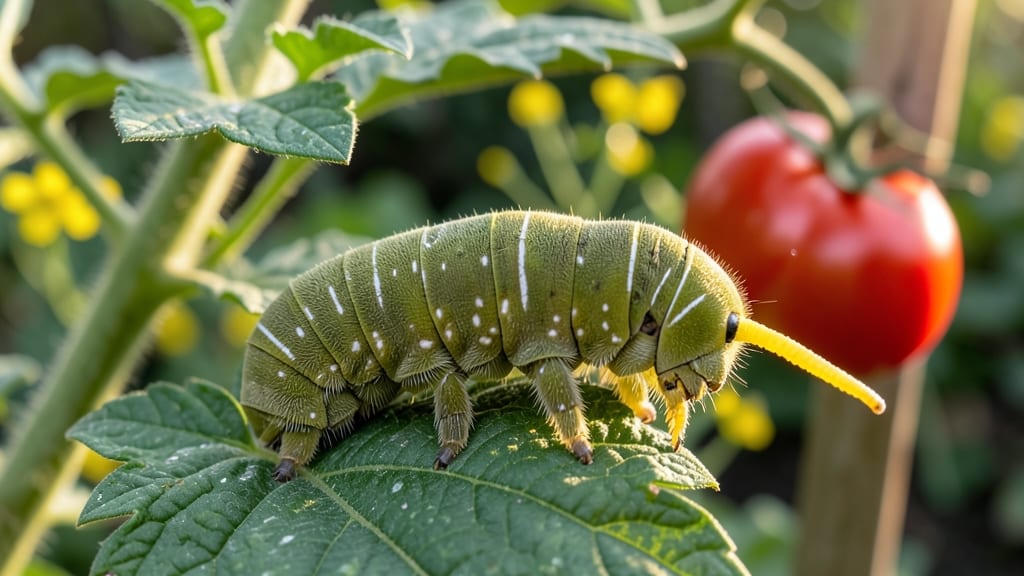
Finding a huge caterpillar munching on your tomato plant can feel like a nightmare—until you know the right moves. 🌱 These striped bandits (usually hornworms) can strip a plant bare in days, but they’re also easy to handle with the right natural tools.
I’ve saved dozens of tomato plants this way, and the secret isn’t harsh chemicals but smart, eco-friendly tactics that work faster than you’d think.
The first step is identification: look for green, black-striped caterpillars with white diagonal lines, or fuzzy white ones (tomato fruitworms). They leave behind skeletonized leaves and chewed fruit, but the good news?
They’re slow-moving and easy to spot. Once you recognize them, you’ll catch them before they cause real damage—and that’s when the real fun begins.
You’ll be amazed how quickly your plants bounce back once you remove these pests. Handpicking at dawn (when they’re sluggish) works wonders, and introducing parasitic wasps or praying mantises turns your garden into a natural defense system. No more chemical residue, just healthier plants that keep producing all season.
This method works for all tomato varieties, from cherry to beefsteak, and adapts to any garden size. Whether you’re dealing with a single plant or a full plot, these techniques keep your harvest safe without harming the ecosystem. Let’s get those tomatoes thriving again!
What Lures Giant Caterpillars
If you’ve spotted a huge caterpillar munching away on your tomato plant, don’t panic—understanding the why behind their visit is the first step to stopping them. These voracious larvae aren’t just random visitors; they’re drawn to your garden by specific conditions and plant choices.
Let’s break down the key factors that turn your tomato patch into a caterpillar buffet.
Tomato plants are like an all-you-can-eat buffet for many caterpillar species, especially the hornworm (a common culprit) and tomato fruitworm. Here’s why:
- Rich, tender foliage: Young tomato leaves are packed with nutrients, making them irresistible to hungry caterpillars. The high water content and soft texture make them easy to chew and digest.
- Sweet, aromatic flowers: Tomato blossoms release volatile organic compounds (VOCs) that attract not just pollinators but also moths and butterflies—whose larvae (caterpillars) will later feast on the plant.
- Fruits in development: Once tomatoes start forming, caterpillars like the tomato fruitworm (larvae of the Manduca genus) burrow into them, laying eggs inside. The resulting damage can ruin your harvest.
Actionable fix: If you’re growing tomatoes, monitor plants closely during flowering and fruiting stages. Remove damaged leaves or fruits immediately to discourage egg-laying.
Most giant caterpillars start life as eggs laid by moths or butterflies. These adults are often drawn to your garden for these reasons:
- Night-blooming flowers: Many tomato pests, like the hornworm moth, are nocturnal and are attracted to fragrant night-blooming flowers (e.g., petunias, jasmine, or even tomatoes themselves). Their strong scent acts like a dinner bell.
- Warm, humid climates: Moths thrive in heat and moisture, which is why caterpillar infestations spike in summer. If your garden stays warm and damp, it’s caterpillar paradise.
- Lack of natural predators: Birds, parasitic wasps, and other predators keep moth populations in check. But if your garden lacks diversity (e.g., no flowering herbs or shrubs), moths may go unchecked.
Actionable fix: Add night-blooming companion plants like four o’clocks or evening primrose to distract moths away from your tomatoes. Or, introduce beneficial nematodes (like Steinernema carpocapsae) to target caterpillar larvae in the soil.
A monoculture garden—where you plant only tomatoes or other single crops—is like a neon sign for pests. Here’s how lack of diversity helps caterpillars thrive:
- No predator habitat: Gardens with only tomatoes lack the flowers, shrubs, and weeds that attract ladybugs, lacewings, and parasitic wasps—natural caterpillar hunters.
- No competing plants: Caterpillars have a buffet of host plants (e.g., peppers, eggplants, potatoes). If your garden is a tomato-only zone, they’ll focus their energy there.
- Soil depletion: Over time, tomato-heavy soil can become nutrient-poor, stressing plants. Stressed plants produce more volatile organic compounds (VOCs), which signal distress to pests like moths.
Actionable fix: Interplant tomatoes with basil, marigolds, or nasturtiums. These companions repel pests, attract beneficial insects, and improve soil health. A diverse garden is a pest-resistant garden.
Caterpillar populations aren’t random—they follow seasonal and climatic patterns:
- Summer heat waves: Warmth accelerates moth reproduction. A single female hornworm moth can lay up to 2,000 eggs in her lifetime, and heat speeds up their hatching.
- Rainfall spikes: Moisture helps caterpillar survival rates. After heavy rain, expect an influx of slugs, snails, and caterpillars as they take advantage of lush, water-rich plants.
- Drought stress: Paradoxically, drought-stressed tomato plants can also attract pests because their chemical defenses weaken, making them easier targets.
Actionable fix: Use row covers during peak moth seasons (late spring to early summer) to block egg-laying. Mulch evenly to retain moisture without over-saturating soil, and water deeply but infrequently to avoid stressing plants.
Now that you know why these caterpillars show up, the next step is learning how to outsmart them without harsh chemicals. 🚀
How to Treat and Prevent Caterpillar Damage
Now that you know what’s munching on your tomato plants, it’s time to take action! The good news? You don’t need harsh chemicals to keep these fuzzy invaders in check.
Below are targeted, natural solutions based on the most common causes—plus prevention tips to keep your garden thriving without a single caterpillar in sight.
If you spot a huge caterpillar (like a tomato hornworm or cutworm) feasting on your leaves, remove it immediately. This is the most effective method when dealing with visible pests.
How to do it: 🔥 Step 1: Scout at dawn or dusk – Caterpillars are most active when temperatures are cooler. 🍳 Step 2: Wear gloves – Some caterpillars have irritating hairs or spines. 👨🍳 Step 3: Pluck them off – Gently grasp the caterpillar (or drop it into soapy water if you’re squeamish). 🥘 Step 4: Drop them far from your garden – Or feed them to chickens if you have any!
Pro tip: 💡 Check the undersides of leaves—that’s where they often hide during the day.
Instead of reaching for pesticides, encourage beneficial predators that naturally keep caterpillar populations in balance.
| Predator | What It Eats | How to Attract It |
|---|---|---|
| Parasitic Wasps | Tomato hornworm larvae | Plant dill, fennel, or marigolds nearby. |
| Ladybugs | Small caterpillar eggs | Avoid pesticides; plant alyssum or cosmos. |
| Praying Mantises | Cutworms & loopers | Leave some wild grass or tall plants for shelter. |
| Birds | Large caterpillars | Install a bird feeder or birdhouse. |
Pro tip: 🌡️ Neem oil spray (1 tsp neem oil + 1 tsp mild soap per quart of water) can disrupt caterpillar growth without harming beneficial insects.
If caterpillars are cutting down seedlings (like cutworms) or skeletonizing leaves, prevent access with simple barriers.
For seedlings: ✂️ Collar method: Cut a toilet paper roll in half, split it lengthwise, and wrap it around the stem. Bury the bottom 1 inch deep to block cutworms. 🌱 Row covers: Use floating row covers (lightweight fabric) over young plants until they’re established.
For larger plants: 🔪 Prune heavily damaged leaves – Remove only the worst-chewed foliage to encourage new growth. ⏰ Harvest early – If caterpillars are relentless, pick tomatoes before they ripen and finish them indoors.
Planting caterpillar-deterring companions near your tomatoes can reduce infestations by up to 70%!
Best repellent plants: 🌿 Basil – Masks tomato scent and contains deterrent oils. 🌼 Marigolds – Release pyrethrin, a natural insect repellent. 🍃 Nasturtiums – Trap aphids (which caterpillars eat) and act as a sacrificial plant. 🌻 Sunflowers – Attract parasitic wasps that hunt hornworms.
Pro tip: 🎯 Interplant basil between tomato rows for maximum protection.
The best defense? A healthy, pest-resistant garden. Follow these long-term strategies to minimize future outbreaks:
✅ Rotate crops – Avoid planting tomatoes in the same spot every year (pests build up in the soil). ✅ Remove plant debris – Caterpillars overwinter in dead leaves, so clean up in fall. ✅ Use trap crops – Plant a small patch of basil or parsley away from tomatoes to lure pests away. ✅ Encourage biodiversity – The more wildflowers and native plants in your garden, the more beneficial insects will visit. ✅ Water deeply but less often – Stressed plants attract more pests, so keep soil consistently moist.
Final thought: 🌟 With a little early intervention and smart gardening, you can save your tomato harvest without chemicals. Try one or two of these methods this season—and watch your plants thrive while caterpillars become a rare sight!
Frequently asked questions
What kind of caterpillar is eating my tomato plant?
The most common culprits are tomato hornworms (green with white stripes) or tomato fruitworms (fuzzy white). Both grow up to 4 inches long and can devour entire leaves overnight. Look for chewed leaves with frass (black droppings) as a dead giveaway.
Are these caterpillars harmful to humans or pets?
Most tomato caterpillars aren't dangerous, but some (like hornworms) have tiny spines that can irritate skin. Avoid touching them barehanded, especially if you have sensitive skin. Pets generally ignore them unless they're extremely hungry—just remove them from the garden.
How quickly can one caterpillar destroy a tomato plant?
A single hornworm can skeletonize a leaf in 24 hours and strip a plant bare in 3-5 days if left unchecked. They're most destructive during the flowering and fruiting stages, so act fast when you spot them. Daily checks at dawn/dusk help catch them early.
Will my tomatoes still grow if caterpillars have already damaged the plant?
Yes! Tomato plants are resilient. Prune heavily damaged leaves and focus on protecting new growth. The plant will redirect energy to fruit production. For severe cases, harvest green tomatoes early and ripen them indoors. Healthy roots mean the plant can recover surprisingly well.
Can I use homemade sprays to get rid of these caterpillars?
Try a soapy water spray (1 tsp mild soap per quart of water) or neem oil mixture (1 tsp neem oil + 1 tsp soap per quart). Spray directly on caterpillars and undersides of leaves. Reapply every 3-5 days during infestations. Always test on a small area first.