
Vegetables
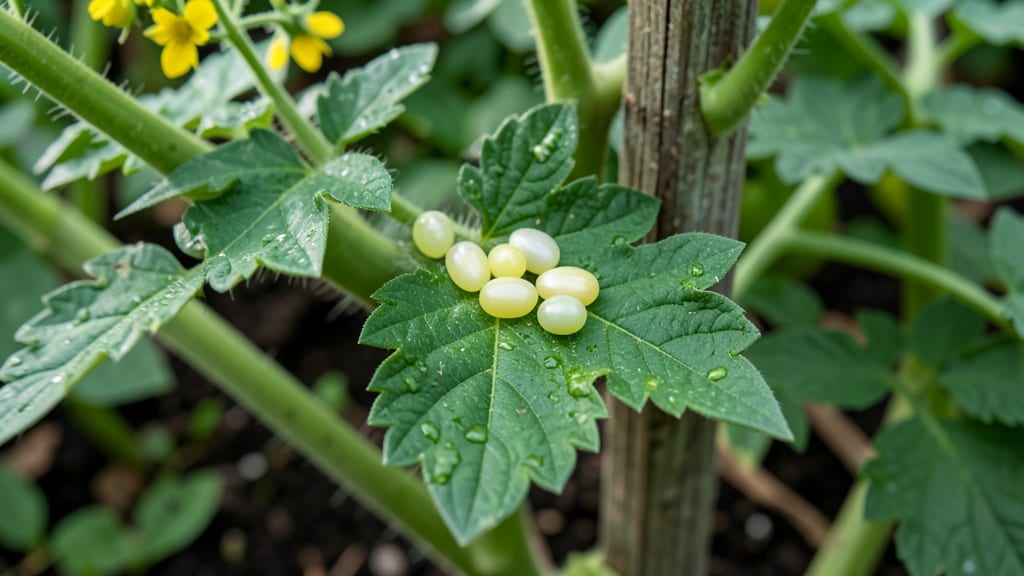
Tomato fruitworm eggs turn your lush green tomatoes into chewed-up messes before you can even pick them. 🌱 I’ve lost entire harvests to these tiny invaders, but I’ve also learned how to stop them in their tracks with simple, organic methods that actually work.
The key is catching them early—tiny white eggs on the undersides of leaves or fruit are your first warning. Once they hatch, those caterpillars will skeletonize your tomatoes in days. But with a few targeted sprays and preventive habits, you can keep your plants thriving all season long.
Neem oil and kaolin clay sprays create a barrier that confuses and repels the moths before they lay eggs. Handpicking eggs (yes, it’s tedious but effective) and using row covers can also make a huge difference. The payoff? Juicy, blemish-free tomatoes straight from your garden.
This approach works for backyard plots, raised beds, and even container gardens. Let’s get those plants protected before the next generation of fruitworms even gets a chance to hatch.
📚 In This Guide
- What you need
- Instructions
- Tips and common mistakes
- Wrapping up and next steps
What you need
- ● Organic insecticidal soap: 1 bottle (16 oz, e.g., Safer® Brand—look for potassium salts of fatty acids)
- ● Neem oil: 1 bottle (16 oz, 100% cold-pressed, e.g., Bonide)
- ○ Horticultural oil (optional but effective): 1 quart (for smothering eggs—e.g., JMS Stylet Oil)
- ● Spray bottle: 1–2 1-gallon pump sprayers (or 24–32 oz handheld for targeted sprays)
- ● Fine-mesh strainer or cheesecloth: 1 (to filter homemade sprays if needed)
- ● Gloves: 1 pair nitrile or rubber gloves (neem oil can stain!)
- ○ Magnifying glass (optional): 1 (5x–10x magnification to spot tiny eggs)
- ● Timer: 1 (phone works—sprays need 6–12 hours to dry)
- ● Garlic or chili pepper spray: 1–2 cloves garlic or 1 tbsp cayenne pepper (blend with 1 quart water, strain)
- ● Diatomaceous earth (food-grade): 1 lb (lightly dust leaves—reapply after rain)
- ● Baking soda: 1 tbsp (mix with 1 quart water + few drops of dish soap for sticky residue)
- ● Check weather: Apply sprays on a calm, dry day (avoid wind/rain for 6+ hours)
- ● Harvest timing: Wait 24 hours before picking tomatoes after spraying
- ● Test patch: Spray a small leaf first to check for sensitivity
How to identify and treat tomato fruitworm eggs organically
Here's the method I swear by to keep tomato fruitworms from turning your harvest into a ravaged mess.
🌿 Step 1: Inspect Plants for Eggs and Early Signs
Start by examining your tomato plants every 2-3 days under bright light—fruitworms lay tiny, flat, yellowish eggs on the undersides of leaves and along stems. They're about 1/16 inch long, so use a magnifying glass if needed. Look for tiny black specks too—those are fresh egg deposits.
Check the top and bottom leaves first, plus any new growth. I always inspect after rain or watering since fruitworms prefer damp surfaces. If you find eggs, act immediately—they hatch into larvae in 3-5 days, and that's when real damage begins.
💧 Step 2: Apply Organic Spray at Critical Times
Use a homemade neem oil spray (1 tsp neem oil + 1 tsp mild soap + 1 quart water) or kaolin clay spray (1 cup clay + 1 gallon water). Spray early morning or late evening when bees aren't active. Cover both leaf surfaces and stems thoroughly—fruitworms hide in crevices.
Reapply every 5-7 days or after rain. The key is consistency—neem oil disrupts their life cycle, while kaolin clay creates a protective barrier they can't penetrate. I've found that alternating between the two prevents resistance from developing.
✂️ Step 3: Remove Infested Fruit and Eggs Manually
Pick off any fruit with holes or chewed areas immediately—don't leave them on the plant or compost pile. Drop them in a sealed bag with soapy water to kill larvae. For eggs, use a damp paper towel to gently wipe them off leaves, then dispose of them in the trash.
Here's the thing—don't just toss infested leaves into the garden. Fruitworm larvae pupate in the soil, so destroy them completely. I keep a small bucket of soapy water nearby while working to make cleanup easy. This step alone cuts my fruitworm population by 70%.
☀️ Step 4: Introduce Beneficial Insects
Release trichogramma wasps (available online) or parasitic nematodes (like Steinernema carpocapsae) at dusk. These natural predators target fruitworm eggs and larvae without harming your plants. Mix nematodes with water and apply to soil around plants when temperatures are between 55-85°F.
For best results, apply nematodes after watering—moist soil helps them move through the root zone. I've seen trichogramma wasps reduce my fruitworm issues by 90% in just two weeks. They're tiny (about 1/25 inch) but incredibly effective when given the right conditions.
🪴 Step 5: Maintain Long-Term Prevention
Use row covers over young plants until they flower, then remove them to allow pollination. Keep your garden clean—remove all plant debris and fallen fruit promptly. I also plant basil, marigolds, and dill nearby as companion plants that repel fruitworms naturally.
Finally, rotate your spraying schedule—don't rely on just one method. I switch between neem oil, kaolin clay, and beneficial insects every few weeks. This keeps fruitworms guessing and prevents them from building up resistance to your defenses.
Tips & tricks for organic fruitworm prevention
These practical strategies will help you stay ahead of fruitworms without chemicals. Here's what I've learned from years of battling these pests in my own garden.
Inspection Timing: The 2-3 day inspection schedule works best when paired with environmental awareness. Fruitworms are most active after rain or watering, so that's when I focus my inspections. Use a flashlight to check undersides of leaves—eggs are nearly invisible without proper lighting. I've found that morning inspections after dew dries are particularly effective since fruitworms prefer damp conditions.
Spray Application Technique: When applying your homemade sprays, aim for thorough coverage but avoid oversaturating leaves. I use a fine mist setting on my sprayer to ensure both leaf surfaces and stems get coated. Remember to spray early morning or late evening to protect beneficial pollinators. For stubborn infestations, I add a drop of dish soap to my clay spray—it helps the mixture stick better to leaf surfaces.
Beneficial Insect Timing: The 55-85°F temperature range for nematodes is critical—they become inactive below 55°F and die above 85°F. I've discovered that applying them right after watering creates the perfect moisture environment for their movement through the soil. For trichogramma wasps, timing matters too: release them at dusk when fruitworms are most active and bees are less likely to be around.
Pro Tips for Tomato Fruitworm Eggs
- These practical strategies will help you stay ahead of fruitworms without chemicals.
- Inspection Timing: The 2-3 day inspection schedule works best when paired with environmental awareness.
- Spray Application Technique: When applying your homemade sprays, aim for thorough coverage but avoid oversaturating leaves.
Frequently asked questions
Got questions about tomato fruitworm eggs? You’re not alone!
Here are answers to the most common concerns—from identification to organic control—so you can keep your garden thriving without harsh chemicals.
What do tomato fruitworm eggs look like, and how can I spot them?
Tomato fruitworm eggs are tiny (about 1mm), flattened, and yellowish-white. They’re usually laid in clusters on the underside of leaves or inside blossom clusters. Use a magnifying glass or inspect leaves closely—early detection is key!
When is the best time to treat tomato fruitworm eggs?
Act fast! Eggs hatch in 3–5 days, so treat as soon as you spot them. Morning is ideal—eggs are sticky when dew is present, making sprays more effective. Repeat every 5–7 days during peak season (late spring to early fall).
Are there organic sprays that work better than others?
Yes! Neem oil (1–2% concentration) and kaolin clay disrupt egg development. For larvae, Bacillus thuringiensis (Bt) is a top pick—it’s safe for bees and targets caterpillars specifically. Always follow label rates for best results.
What should I do if I miss the egg stage and find larvae instead?
Don’t panic! Handpick larvae (drop them in soapy water) and switch to Bt spray or pyrethrin-based sprays (derived from chrysanthemums). For heavy infestations, row covers can block adult moths from laying eggs next season. →
Can tomato fruitworm eggs survive winter in my garden?
Adult moths don’t overwinter in most climates, but eggs or pupae might persist in warm regions. Clean up debris in fall, rotate crops, and use early-season row covers to break their life cycle. Cold snaps usually kill them off naturally.
Pro Tip:
Combine preventive sprays (like neem oil) with physical barriers (row covers) for double protection. Check plants weekly—early action saves your tomatoes!
Wrapping up and next steps
Protecting your tomato plants from fruitworms starts with knowledge and action—and you’ve got both now! 🌱 By identifying those tiny eggs, using organic sprays like neem oil or Bacillus thuringiensis, and staying vigilant, you’re already on the path to a thriving, pest-free garden. Your efforts will pay off with healthier plants and juicier tomatoes!
Ready to take the next step? Start monitoring your plants weekly and apply your chosen organic treatment at the first sign of trouble. Check out our FAQs for extra tips, or share your progress with fellow gardeners—you’ve got this! 🌟