
Vegetables
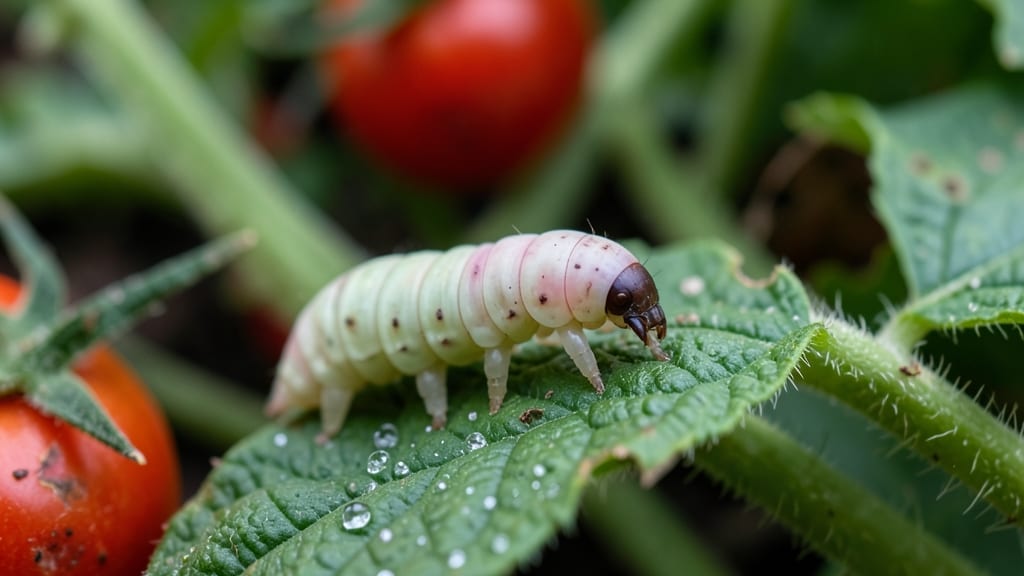
Those tiny white grubs devouring your tomatoes from the inside out are tomato fruitworm larvae—and they’re harder to spot than you’d think. 🌱 I’ve battled them for years, and the organic methods I’ve perfected now keep my plants thriving without harsh chemicals.
The key is catching them early, before they turn your prize tomatoes into a mushy mess.
You’ll learn to identify their telltale signs: tiny holes in fruit, black frass (their droppings), or wilting vines that seem otherwise healthy. Handpicking, neem oil sprays, and Bacillus thuringiensis (a natural bacteria) are my go-to tools, but timing matters—apply treatments at dusk when the larvae are most active.
Preventive steps like row covers and early harvesting make all the difference.
By the end, you’ll have a healthy tomato harvest and a garden free of those sneaky pests. No more ruined fruit or last-minute scrambles—just consistent, organic protection that works. The best part? These methods keep your plants strong and your kitchen table stocked with perfect tomatoes.
Whether you’re dealing with a first infestation or yearly battles, this approach scales from backyard plots to container gardens. Let’s get those worms under control—naturally.
Root Causes Of Infestation
Understanding why tomato fruitworm larvae (or Helicoverpa zea and Helicoverpa armigera) invade your garden starts with recognizing the perfect storm of conditions they thrive in. These pests don’t just appear out of nowhere—they’re drawn to specific vulnerabilities in your tomato plants and growing environment.
Below, we break down the key triggers and their scientific roots.
Tomatoes are a buffet for fruitworm larvae because they’re packed with nutritious, soft flesh—ideal for feeding and development. Here’s why your plants become a magnet:
- Sugar & Moisture Content: Ripe tomatoes are rich in sugars and water, which larvae crave for rapid growth.
Unripe or green tomatoes are less appealing but can still attract eggs. - Volatile Compounds: Tomatoes emit chemical signals (like volatile organic compounds) that fruitworms detect from up to 10 feet away.
These scents act like an invitation. - Thin Skin: The delicate skin of ripe tomatoes makes it easy for larvae to burrow in, unlike tougher-skinned fruits.
Actionable Insight: 💡 Harvest tomatoes early (before full ripeness) to reduce attractiveness. Use yellow or orange traps (like sticky cards) to lure adults away from your main crop.
Fruitworms are temperature-sensitive, and their lifecycle accelerates in warm, humid conditions. Here’s how climate plays a role:
| Factor | Why It Matters | Risk Window |
|---|---|---|
| Heat (75–95°F) | Larvae develop 3x faster in heat; adults lay more eggs. | Late spring to early fall |
| Humidity (>60%) | Moisture keeps eggs from drying out; larvae thrive in damp soil/fruit. | After rain or irrigation |
| Long Daylight | Adult moths are more active with 14+ hours of daylight, increasing egg-laying. | Summer solstice to early autumn |
Actionable Insight: ⏰ Monitor weather forecasts and time your plantings to avoid peak infestation periods. Use row covers in early summer to block moths before they lay eggs.
A cluttered garden is an open invitation for fruitworms. Here’s how debris and organic matter create a breeding ground:
- Dropped Fruit & Leaves: Overripe or fallen tomatoes rot, releasing fermenting odors that attract egg-laying adults.
Decaying plant matter also provides shelter for larvae. - Weeds & Volunteer Plants: Weeds like nightshade or wild tomatoes host fruitworms year-round, acting as a reservoir for reinfestation. - Compost Piles: While composting is great, uncovered piles can harbor larvae if they contain tomato scraps or infested plant material.
Actionable Insight: 🔥 Practice "clean gardening":
- Remove all plant debris (especially tomatoes) from beds and compost piles.
- Solarize soil in fall by covering it with clear plastic for 4–6 weeks to kill overwintering larvae.
- Mulch strategically: Use straw or wood chips (not fresh grass clippings) to deter eggs from hatching in moist soil.
Adult fruitworm moths are master stealth bombers, laying eggs strategically to ensure larvae have the best chance of survival:
- Nocturnal Visitors: Moths are most active at dusk and dawn, when they’re less likely to be spotted by predators (like bats or birds). - Egg Placement: Females lay tiny, flat eggs (about 0.5mm) on leaves, stems, and fruit.
They prefer the undersides of leaves or cracks in tomato skin for camouflage. - Batch Laying: A single female can lay up to 2,000 eggs in her lifetime, often in clusters of 20–50 near tomato flowers or fruit.
Actionable Insight: 👨🍳 Scout at dawn:
- Inspect leaf undersides and fruit stems with a magnifying glass.
- Look for tiny white eggs (like grains of rice) or newly hatched larvae (black or green, ~1/8 inch long).
- Handpick eggs and drop them into soapy water—this can reduce infestation by 70% before larvae emerge.
Planting only tomatoes (or other nightshades like peppers and eggplants) creates a monoculture, which is a goldmine for fruitworms. Here’s why:
- No Natural Predators: In diverse gardens, predators like parasitic wasps, ladybugs, and birds keep fruitworm populations in check.
Monocultures starve these helpers. - Uniform Food Source: Fruitworms specialize in nightshades, so a single crop becomes an endless buffet with no breaks. - Soil Fatigue: Repeatedly growing tomatoes in the same spot depletes beneficial microbes that might otherwise suppress pests.
Actionable Insight: 🌿 Break the cycle with intercropping:
- Plant basil, marigolds, or nasturtiums near tomatoes—their strong scents repel moths.
- Rotate crops annually to disrupt larvae life cycles.
- Introduce beneficial nematodes (Steinernema carpocapsae) to target larvae in the soil.
While pesticides can seem like a quick fix, overuse actually worsens fruitworm problems by creating super-pests:
- Killing Natural Predators: Broad-spectrum sprays (like pyrethroids) wipe out ladybugs, lacewings, and spiders, leaving fruitworms unchecked.
- Resistant Strains: Fruitworms develop resistance to synthetic pesticides (e.g., Bt sprays) when used too frequently.
- Secondary Infestations: Chemical stress can make plants more susceptible to other pests, creating a cascade effect.
Actionable Insight: ✨ Shift to organic, targeted controls:
- Use kaolin clay or neem oil as a physical barrier to deter egg-laying.
- Apply **Bt (Bacillus thuringiensis) only when larvae are present (not as a preventative).
- Avoid synthetic pyrethroids—they’re counterproductive** for long-term control.
How to Fix Wormy Tomato Plants
Now that you know how tomato fruitworm larvae invade your garden, let’s tackle the problem with effective, organic solutions tailored to each cause. These methods prioritize plant health while keeping your tomatoes safe for harvest.
Below, we map common triggers to targeted fixes—plus prevention tips to keep your garden worm-free long-term.
Cause: Adult moths lay eggs on leaves, and larvae burrow into fruit. Fix: Block access with these simple (but powerful) barriers.
🍳 Handpick Eggs & Larvae Daily
- How: Inspect leaves and fruit early morning (larvae are sluggish then).
Look for tiny white eggs (size of a pinhead) or green/black worms. - Action: Drop eggs into soapy water or crush larvae between your fingers. Pro tip: Use a magnifying glass for stubborn spots! 🔍 - When: Repeat every 2–3 days during peak moth activity (dusk/dawn).
👨🍳 Cover Plants with Row Covers or Netting
- How: Use fine mesh (0.6mm or smaller) to cover tomato plants before flowering.
Secure edges with soil or stakes. - Action: Remove covers only for pollination (if needed) or use pollination-friendly mesh that allows bees through. - Bonus: Extend coverage to soil level to trap emerging adults.
🥘 Trap Crops & Sacrificial Plants
- How: Plant basil, dill, or marigolds near tomatoes—moths prefer these over your prized fruit.
- Action: Check trap crops daily and destroy infested leaves. Replace every 2 weeks for fresh bait.
Cause: Larvae chew through fruit, causing rot and yield loss. Fix: Use targeted sprays to kill larvae without harming beneficial insects.
🌿 Bacillus Thuringiensis (Bt) Spray
- How: This soil bacterium kills only caterpillars (including fruitworms) when ingested.
- Action:
- Mix 1 tbsp Bt per gallon of water (follow label rates).
- Spray evenly on leaves and fruit, focusing on undersides where eggs hide.
- Reapply every 5–7 days or after rain (Bt degrades quickly).
- Pro Tip: Apply at dusk to avoid harming bees. 🐝
🍎 Neem Oil or Kaolin Clay
- How: These create a physical barrier that disrupts feeding and egg-laying.
- Action for Neem Oil:
- Mix 1 tbsp neem oil + 1 tsp mild soap per gallon of water.
- Spray directly on eggs/larvae (avoid flowering plants to protect pollinators).
- Action for Kaolin Clay:
- Apply as a white, chalky film on leaves/fruit (looks unappetizing to moths).
- Reapply after rain or every 7–10 days.
🎯 Beneficial Nematodes (For Soil-Dwelling Larvae)
- How: If larvae pupate in soil, Heterorhabditis bacteriophora nematodes seek them out and kill them.
- Action:
- Apply 1–2 lbs per 100 sq ft of garden soil.
- Water deeply before and after application (nematodes need moisture).
- Best used early in the season or when first signs appear.
Cause: Overcrowded plants or poor garden hygiene attract moths. Fix: Adjust your growing habits to make your garden less inviting.
🌡️ Prune & Thin Plants for Airflow
- How: Fruitworms thrive in dense, humid foliage.
Improve airflow to dry leaves faster. - Action: - Remove lower leaves (they touch soil and collect moisture). - Space tomato plants 18–24 inches apart (follow variety guidelines). - Solarize soil in fall: Cover beds with clear plastic for 4–6 weeks to kill overwintering pupae. 🔥
💡 Crop Rotation & Cleanup - How: Moths return to the same spot yearly.
Break the cycle! - Action: - Rotate tomatoes to a new bed each year (avoid planting in the same family—nightshades like peppers/eggplants too). - Remove all plant debris after harvest (burn or compost in a sealed bin). - Till soil in fall to expose pupae to predators/birds.
🎯 Pheromone Traps (Monitor & Confuse)
- How: Moths use pheromones to find mates.
Traps disrupt mating and reduce egg-laying. - Action: - Place 1–2 traps per acre (or 1 per 500 sq ft in small gardens). - Hang 5–6 feet high near tomato plants. - Replace lures every 2–4 weeks (check manufacturer guidelines).
Cause: Neglecting early signs or ignoring risk factors. Fix: Stay proactive with these low-effort habits.
- 🌱 Start with resistant varieties: Try ‘Mountain Merit’, ‘Celebrity’, or ‘Solar Fire’—they’re less appealing to fruitworms.
- 🐦 Encourage predators: Attract birds, parasitic wasps, and ground beetles with:
- Bird baths or shallow water sources.
- Diverse plantings (e.g., alyssum, fennel, or yarrow).
- 🕒 Plant at the right time: Avoid transplanting seedlings after June—moths peak in late summer.
- 🍅 Harvest early: Pick tomatoes before they ripen (green tomatoes) and store them indoors to ripen.
Final Note: Consistency is key! Combine barriers + sprays + cultural fixes for the best results. With these methods, you’ll enjoy plump, worm-free tomatoes all season—no chemicals needed! 🍅🌿
Frequently asked questions
How can I tell if my tomatoes have fruitworm larvae inside?
Look for tiny holes in the fruit or black frass (droppings) near the entry points. Cut open suspected tomatoes—you’ll see green or black larvae (about 1/2 inch long) tunneling through the flesh. Wilting vines with no other obvious issues can also signal an infestation.
Will neem oil kill tomato fruitworm larvae already inside tomatoes?
No, neem oil only works on the surface of leaves and fruit. Once larvae burrow inside, you’ll need to remove the infested tomatoes immediately. For prevention, apply neem oil every 5–7 days to deter egg-laying moths.
Can I still eat tomatoes with fruitworm damage?
Yes, but only if you cut out the affected areas (at least 1 inch around holes). The rest of the tomato is safe to eat. For severe infestations, harvest early and ripen indoors to avoid attracting more moths.
How long does it take for Bt spray to work on fruitworm larvae?
Bt (Bacillus thuringiensis) typically kills larvae within 24–48 hours of ingestion. Apply it at dusk when larvae are most active, and reapply after rain. For best results, use it preventatively during peak moth activity (late spring to early fall).
Do row covers work for container-grown tomatoes?
Use fine mesh (0.6mm or smaller) to cover pots before flowering. Secure the edges tightly and remove covers only for pollination (or use bee-friendly mesh). This blocks moths entirely while allowing sunlight and water.