
Plants
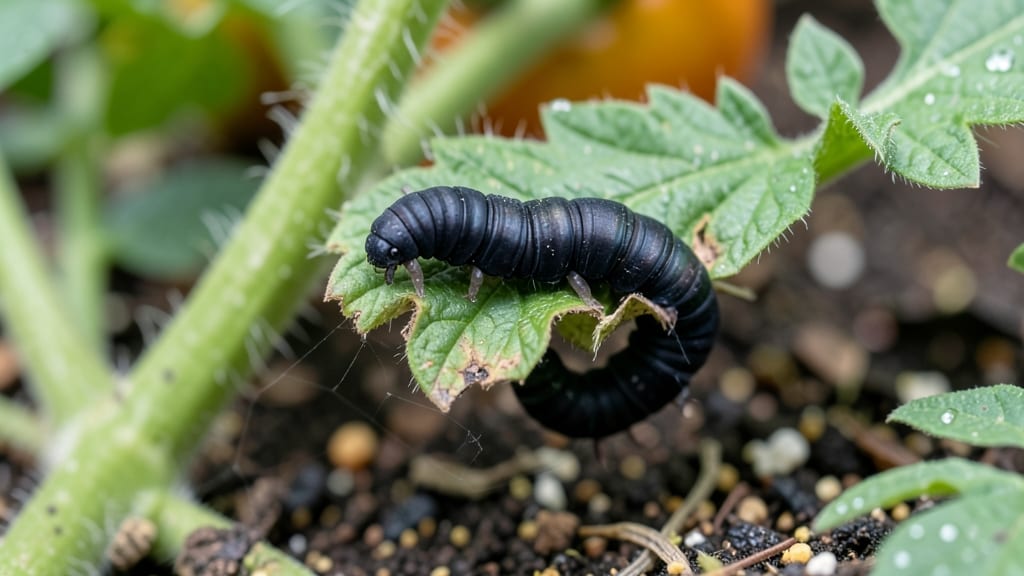
Black worms on tomato plants can turn your harvest into a sad, chewed-up memory before it even ripens. I’ve lost more than a few plants to these sneaky pests, but I’ve also learned how to stop them in their tracks without harsh chemicals.
The key is acting fast—before the damage gets worse.
These black worms (often cutworms or hornworms) hide under leaves or in the soil, waiting to munch on stems and leaves. They thrive in warm, damp conditions, which means your tomato plants are basically an all-you-can-eat buffet for them.
The good news? You don’t need toxic sprays to win this battle—just a few targeted, organic moves.
Within 24 hours, you can reduce their numbers and protect your plants. I’ll show you how to spot them early, use simple traps, and create barriers that keep them away. No more waking up to half-eaten leaves or wilting vines—just healthy, thriving tomatoes by midsummer.
Works for both garden beds and containers, and it’s safe for pollinators too. Let’s get those worms out of your tomatoes for good.
Root Causes of Tiny Invaders
When you spot slimy, black, worm-like creatures wriggling in your tomato soil or on plant stems, they’re likely one of several pests—each with distinct triggers. Understanding why they show up helps you disrupt their lifecycle before they devour your harvest. Here’s the science behind the most common culprits:
Black worms thrive in soggy, anaerobic environments where oxygen is scarce. Their favorite habitats? Soil that stays damp for days after watering, especially in:
- Poor drainage: Clay-heavy soil or compacted beds trap water, creating the perfect breeding ground. Example: If your tomatoes sit in puddles after rain, worms will move in within 24–48 hours.
- Overwatering: Watering every day (or using drip systems without gaps) keeps soil moisture levels ideal for pests like sowbugs or cutworm larvae. Pro tip: Let the top 1–2 inches of soil dry between waterings.
- Mulch that suffocates: Thick layers of organic mulch (like grass clippings) decompose into a waterlogged mat, trapping moisture. Fix: Use straw or wood chips in a 2–3 inch layer and keep them 6+ inches from the stem.
Black worms are detritivores—they feast on rotting plant material. If your garden has:
- Compost heaps too close to tomato plants: Piles of banana peels, coffee grounds, or fallen leaves release ammonia and heat, attracting black soldier fly larvae or earthworm predators like centipedes.
- Old crop debris left in beds: Diseased tomato stems or fallen fruit create a buffet. Example: A single rotting tomato can host hundreds of larvae in a week.
- Weeds with thick roots: Plants like bindweed or dandelions rot underground, drawing worms that later migrate to your tomatoes.
⚠️ Warning: Avoid "chop-and-drop" mulching (leaving fresh clippings directly on soil)—it’s an open invitation.
Black worms often surge when their natural enemies decline. Common disruptors:
- Pesticide overuse: Neonicotinoids or broad-spectrum sprays kill ground beetles and birds, which eat worm eggs/larvae. Result: Worm populations explode unchecked.
- Lack of beneficial nematodes: Tiny Steinernema nematodes hunt cutworms naturally. If your soil lacks them (due to tilling or chemicals), worms take over.
- Monoculture planting: Growing tomatoes in the same spot yearly depletes soil microbes that suppress pests. Solution: Rotate with legumes (like peas) to restore balance.
Most black worms are larval stages of insects that time their hatching to tomato growth:
| Pest | Peak Season | Trigger |
|---|---|---|
| Cutworms (black, smooth larvae) | Spring/fall (50–70°F soil) | Cool nights + moist soil after planting |
| Sowbugs/pill bugs (armored, slow-moving) | Year-round (humid climates) | Shady, damp corners of beds |
| Black vine weevil larvae (C-shaped, creamy-black) | Summer (warm soil) | Adults lay eggs in potted tomatoes or mulch |
💡 Pro Tip: Set out yellow sticky traps in early spring to monitor adult moths (cutworm parents) before larvae appear.
By targeting these root causes—drainage, decay, predators, and timing—you’ll starve out the worms before they starve your tomatoes. Next up: 3-step organic removal to reclaim your garden!
How to Fix Creepy Crawlies on Tomatoes
Now that you know what’s munching on your tomato plants, it’s time to take action! The good news? Most of these black worms can be managed without harsh chemicals—just a few targeted, organic strategies.
Below, we’ll match the most likely culprits to the best fixes, plus tips to keep your plants thriving long-term.
Before treating, confirm what you’re dealing with. Grab a flashlight after sunset (that’s when many pests are most active!) and inspect the undersides of leaves, stem crevices, and soil surface. Use a magnifying glass if needed—some worms are tiny!
- For Hornworms 🐛: - Handpick them (yes, really!).
Wear gloves if you’re squeamish—these guys can be gross up close. - Drop them into soapy water to kill them instantly. Pro tip: 💡 Check for white egg sacs on leaves and scrape them off—they hatch into more hornworms! - For Cutworms 🌙: - They hide in the soil or curl up like a tiny cinnamon roll at the base of stems. Shake plants gently over a bucket of soapy water in the evening to flush them out. - Collar method: 🔪 Wrap the stem with a cardboard collar (cut from a cereal box) to block cutworms from chewing through. - For Slugs/Snails 🐌: - Look for silver slime trails on leaves or soil. Beer traps work—bury a shallow dish filled with beer near plants.
The slugs crawl in and drown. Gross but effective!
Mother Nature has her own pest control squad. Invite them to your garden with these low-effort tactics:
| Predator | How to Attract Them | What They Eat |
|---|---|---|
| Ladybugs 🐞 | Plant dill, fennel, or marigolds nearby. | Aphids, small caterpillars |
| Praying Mantis 🙏 | Leave wildflowers and tall grasses. | Hornworms, beetles |
| Ground Beetles 🪲 | Mulch with straw or leaves (they love hiding). | Cutworms, slug eggs |
| Birds 🐦 | Hang a bird feeder or install a bath. | Adult moths (hornworm parents) |
Pro tip: 🌡️ Avoid pesticides—even "organic" sprays can harm these helpful critters!
If worms are still winning, try these DIY solutions that are tough on pests but safe for your plants:
- Neem Oil Spray 🌿
- Mix 1 tbsp neem oil + 1 tsp mild soap + 1 quart water. Spray evenly on leaves (especially undersides) at dusk. Reapply every 5–7 days.
- Why it works: Disrupts worm feeding and egg-laying. Bonus: Prevents fungal diseases too!
- Bacillus Thuringiensis (Bt) 🦠
- A bacteria-based spray (sold as "Dipel" or "Thuricide") that targets caterpillars like hornworms. Safe for humans/pets but deadly to worms.
- How to use: Spray directly on worms or as a preventative. Works in 24–48 hours.
- Diatomaceous Earth (DE) 💎
- Sprinkle food-grade DE around plant bases and on leaves. It’s like tiny glass shards that dehydrate worms.
- Warning: Reapply after rain—it loses potency when wet.
- Coffee Grounds ☕
- Sprinkle used coffee grounds around tomato bases. The bitter smell repels slugs and cutworms, and it adds nutrients to the soil!
The best defense? Stopping worms before they start. Here’s how to outsmart them:
- Rotate crops 🌱: Don’t plant tomatoes (or nightshades like peppers/eggplants) in the same spot two years in a row.
Worms remember! - Remove debris 🧹: Clear fallen leaves and old plants from your garden—these hide eggs and larvae. - Mulch smartly 🍂: Use straw or grass clippings (not wood chips), which deter cutworms and slugs. - Plant companion plants 🌼: - Basil repels thrips and whiteflies (which attract hornworms). - Nasturtiums trap aphids away from tomatoes. - Garlic/chives confuse pests with their strong scent. - Water wisely 💦: Deep watering in the morning (not evening) reduces slug activity and fungal growth.
Final pro tip: ✨ Keep your garden healthy! Strong, well-fed tomato plants resist pests better than stressed ones. Use compost, balanced fertilizer, and prune for airflow to keep them robust.
With these steps, your tomato plants should bounce back in no time—and you’ll be harvesting juicy, worm-free tomatoes in weeks! 🍅🎉
Frequently asked questions
Are black worms on tomato plants always harmful?
Not all black worms are pests! Earthworms (dark brown/reddish) actually improve soil health. The harmful ones—like cutworms or hornworms—are usually smooth, black, and hairless. Check for damage: if your plants have chewed stems or missing leaves, those worms are bad news.
How do I tell if it's cutworms vs. hornworms?
Cutworms are smooth, black, and curl up when disturbed (like tiny cinnamon rolls). Hornworms are green with white stripes (though some are black) and grow up to 4 inches long. Cutworms hide in soil by day, while hornworms stay on leaves.
Will coffee grounds really keep worms away?
Yes! The bitter smell repels slugs and cutworms while adding nitrogen to soil. Sprinkle used grounds around plant bases (not directly on stems) and water lightly. Reapply every 2-3 weeks for best results.
Can I use soap spray on tomato plants?
Only mild, diluted soap (like Castile soap) is safe. Mix 1 tsp soap per quart of water and spray directly on worms. Avoid harsh detergents—they can damage plant leaves. Test on a small area first!
How long until my tomatoes recover after worm damage?
New growth appears in 7-10 days if you remove the worms and improve plant health. Severely chewed stems may need pruning, but healthy plants often regrow quickly. Keep soil moist but not soggy to help recovery.