
Container Gardens
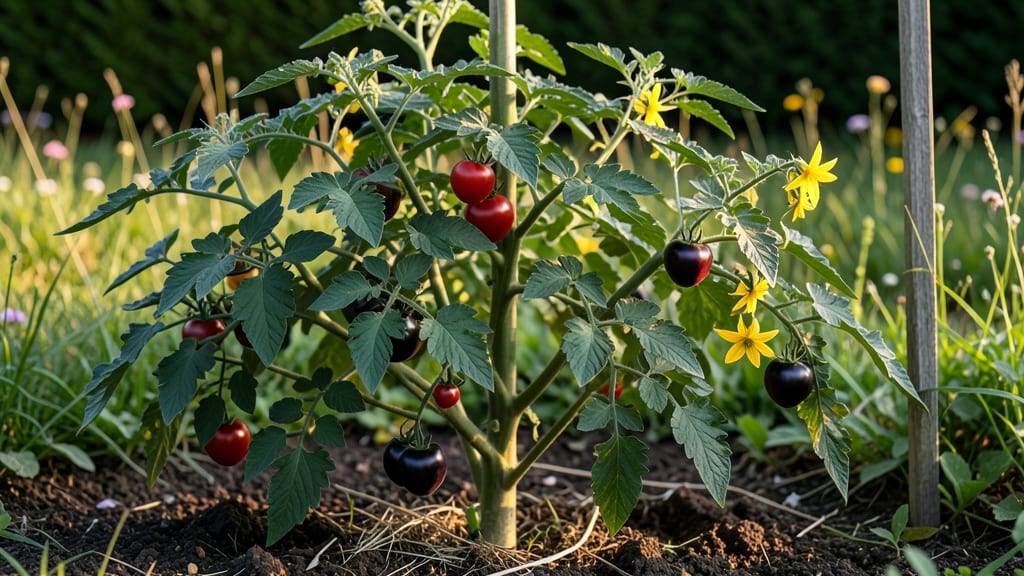
Growing Black Prince tomatoes in containers delivers bold, meaty slices with minimal space. 🌱 I’ve grown this variety for three summers now, and its compact vines make it perfect for patios, balconies, or small yards—no sprawling trellis required.
The key is matching its needs to your setup, from soil depth to sunlight exposure. This heirloom thrives in 5-gallon containers with proper drainage, and its disease resistance means fewer chemical sprays.
You’ll harvest deep purple-black fruits that ripen all season long, with a flavor so rich it’ll make store-bought tomatoes taste bland. The secret? Pruning just enough to keep vines manageable while encouraging fruit production.
By late summer, you’ll be snipping pound after pound of tomatoes for sauces, salads, or slicing—all from a plant that fits neatly on a windowsill or deck. The vines stay under 3 feet tall, making them ideal for urban gardeners or those with limited reach.
Start with sterile potting mix and a sunny spot, and you’ll avoid the most common mistakes. Here’s how to set it up for success from seed to harvest.
📚 In This Guide
- What you need
- Instructions
- Tips and common mistakes
- Wrapping up and next steps
What you need
- ● Container: A 5-gallon fabric grow bag or 5-gallon plastic/ceramic pot (minimum 12" deep) with drainage holes. Pro tip: 💡 Use a pot with 10+ inches of depth for better root growth!
- ● Potting Mix: 1 bag (1.5–2 cubic feet) of high-quality, well-draining potting soil (avoid garden soil—it compacts!). Look for a mix labeled for vegetables or tomatoes.
- ● Black Prince Tomato Seeds or Seedlings: Seeds: 2–3 seeds per container (thin to the strongest seedling).
- ● Seedlings: 1 healthy transplant per pot (5–6" tall, sturdy stem).
- ● Fertilizer: Balanced starter fertilizer (e.g., 10-10-10 or 5-5-5) for seedlings.
- ● Tomato-specific fertilizer (e.g., 7-7-7 or 5-10-10) for flowering/fruiting stages.
- ● Support: A 3–4 ft tall tomato cage or bamboo stakes (3–4 ft long) to train vines.
- ● Mulch: Straw or shredded leaves (1–2 inches) to retain moisture and suppress weeds.
- ● Hand trowel (for transplanting and soil amendments).
- ● Watering can with a rose attachment (for gentle watering).
- ● Pruning shears (to remove suckers and dead leaves).
- ○ pH test kit (optional but helpful—ideal pH: 6.0–6.8).
- ● Epsom salt (1 tbsp per gallon of water, monthly) for magnesium boosts.
- ● Compost or worm castings (1 cup per pot, mixed into soil) for extra nutrients.
- ● Shade cloth (30–50%) for hot climates to prevent sunburn on fruits.
Step-by-step instructions for growing Black Prince tomatoes in containers
Here's how to coax those prized Black Prince tomatoes into producing heavy yields on compact vines.
🌱 Step 1: Select the Right Container and Soil Mix
Choose a 5-gallon container with drainage holes—Black Prince tomatoes need deep roots to support their fruit weight. I use fabric grow bags because they prevent root circling and allow excess water to evaporate through the sides. Fill the container with a mix of 50% high-quality potting soil and 50% compost to ensure excellent drainage while retaining moisture.
Add a handful of slow-release fertilizer (10-10-10 works well) into the bottom layer of soil. This ensures a steady nutrient supply as the plant grows. Tap the container gently to settle the mix without compacting it—you want a fluffy texture that roots can easily penetrate. The soil should feel like a damp sponge when squeezed.
☀️ Step 2: Plant and Provide Optimal Light
Plant your Black Prince tomato seedling at the same depth it was growing in its nursery pot. Gently remove it from its container and loosen the roots if they appear tightly bound. Place it in the center of the container and fill the remaining space with soil, pressing lightly around the base to eliminate air pockets.
Position the container in a spot that receives 6-8 hours of direct sunlight daily. A south-facing window or balcony works well, but if natural light is insufficient, supplement with a grow light placed 6-12 inches above the plant. Watch for leggy growth—thin, stretched stems with large gaps between leaves—this signals insufficient light. Adjust the light source or move the container closer to a brighter window immediately.
💧 Step 3: Water and Fertilize for Heavy Yields
Water the plant deeply when the top 1-2 inches of soil feel dry. Use a watering can with a narrow spout to direct water to the base of the plant, avoiding the leaves to prevent disease. I like to water in the morning so the foliage has time to dry out during the day. Overwatering is a common mistake—Black Prince tomatoes are prone to blight, so always allow the top layer of soil to dry slightly between waterings.
Feed the plant every 2-3 weeks with a balanced liquid fertilizer (like fish emulsion or seaweed extract) to encourage robust growth and heavy fruit production. You'll notice new leaves emerging and a steady increase in vine thickness—this is your sign the plant is thriving. Stop fertilizing once flowers appear to redirect the plant's energy toward fruit development rather than foliage.
✂️ Step 4: Prune and Support for Compact Growth
Prune the plant by removing suckers—the small shoots that grow in the crotch between the main stem and branches. Use clean pruning shears to snip these off at the base. Pruning encourages stronger, more compact growth and improves air circulation, which reduces the risk of disease. Limit the plant to 3-4 main stems to keep the vine manageable and prevent it from becoming top-heavy.
Install a sturdy cage or trellis as soon as you plant the seedling. Black Prince tomatoes produce heavy fruit, so support is critical to prevent the vines from snapping. Gently weave the main stems through the cage as they grow to encourage upward development. You'll see the plant fill out the container more evenly, with fruit hanging neatly within reach.
🌿 Step 5: Harvest and Maintain Through the Season
Harvest tomatoes when they reach 1-2 inches in diameter and have turned a deep, glossy purple-black. Use a small knife or your fingers to twist the fruit gently from the vine—avoid pulling, as this can damage the plant. Harvesting regularly encourages more flowers to set, leading to a continuous supply of fruit. Store harvested tomatoes in a cool, dry place for up to 2 weeks.
Continue to monitor the plant for signs of pests or disease, such as yellowing leaves or white mold. Remove any affected foliage immediately and treat with a neem oil solution if necessary. As the season progresses, you may need to add a slow-release fertilizer to the soil surface to replenish nutrients. Keep an eye on the plant's overall health—strong, vibrant leaves and a steady stream of new flowers mean you're on the right track.
Tips & tricks for growing Black Prince tomatoes in containers
Here's what I've learned after nurturing these prized tomatoes to perfection—these details make all the difference.
Container Selection: Fabric grow bags are my go-to because they prevent root circling and allow excess moisture to escape through the sides. If you don't have fabric bags, choose containers with multiple drainage holes—Black Prince tomatoes hate soggy roots. The 5-gallon size is critical for supporting those heavy fruit loads; anything smaller risks toppling or poor growth.
Soil Preparation: That 50/50 mix of potting soil and compost isn't just arbitrary—it creates the perfect balance of aeration and moisture retention. I always sift the mix to eliminate large clumps that could impede root growth. Pro tip: Add a handful of perlite to improve drainage if your compost is particularly dense. The soil should crumble easily between your fingers when lightly squeezed.
Light Optimization: Those 6-8 hours of direct sunlight are non-negotiable, but here's the secret: rotate your containers every few days so all sides get equal exposure. If using grow lights, position them 6-12 inches above the plant and keep them on for 14-16 hours daily to mimic natural daylight. Watch for leaves growing toward the light—this is your plant begging for more even distribution.
Pruning Strategy: When limiting to 3-4 main stems, focus on the strongest, most vertical shoots. Remove suckers consistently—they're energy vampires that divert nutrients from fruit production. I prune in the morning when the plant is hydrated and can recover quickly. Sterilize your pruning shears with rubbing alcohol between cuts to prevent disease transmission.
Pro Tips for Black Prince Tomato Growing
- Here's what I've learned after nurturing these prized tomatoes to perfection—these details make all the difference.
- Container Selection: Fabric grow bags are my go-to because they prevent root circling and allow excess moisture to escape through the sides.
- Soil Preparation: That 50/50 mix of potting soil and compost isn't just arbitrary—it creates the perfect balance of aeration and moisture retention.
Frequently asked questions
Got questions about growing Black Prince tomatoes in containers?
You’re not alone! Here are answers to the most common queries from gardeners just like you.
How long does it take for Black Prince tomatoes to produce fruit?
With proper care, Black Prince tomatoes typically start flowering 6–8 weeks after transplanting (or 8–10 weeks from seed indoors). The first ripe fruits usually appear 10–12 weeks later, depending on sunlight, warmth, and container size. Patience pays off—these compact plants reward consistency with heavy harvests!
When is the best time to plant Black Prince tomatoes in containers?
Start seeds indoors 6–8 weeks before your last frost date (early spring). Transplant seedlings after soil temps hit 55°F+ and nighttime temps stay above 50°F. For container gardens, late May or early June is ideal in most U.S. zones. Use a heat mat if your space is chilly!
Can I grow Black Prince tomatoes in small containers, or do they need deep pots?
Black Prince thrives in 5-gallon containers or larger (minimum 12–18" deep) to support their vigorous roots. Smaller pots (under 3 gallons) may stunt growth or reduce yields. If space is tight, opt for fabric grow bags or stackable containers—just ensure they have drainage holes and support stakes!
What are the most common pests for Black Prince tomatoes, and how do I prevent them?
Watch for aphids, hornworms, and whiteflies, which love tender tomato leaves. Preventative tips:
- Use row covers early in the season.
- Spray leaves with neem oil weekly.
- Handpick hornworms (they’re big and easy to spot!).
- Encourage ladybugs with companion plants like basil.
For heavy infestations, insecticidal soap works safely for containers.
Why are my Black Prince tomatoes cracking, even though I’m watering consistently?
Cracking usually happens when plants experience uneven watering—soaking dry soil, then drought stress. Fix it with:
- Watering deeply 1–2 times daily (morning + evening) during heatwaves.
- Using mulch (straw or coconut coir) to retain moisture.
- Avoiding overhead watering (use drip irrigation or a watering wand).
- Harvesting tomatoes when ¾ ripe to reduce stress.
Consistency is key—Black Prince tomatoes forgive occasional slips but hate extremes!
Wrapping up and next steps
Growing Black Prince tomatoes in containers is a rewarding journey that delivers heavy harvests with minimal space—perfect for urban gardeners or small yards! With the right container, soil, and care, these compact vines thrive while packing a punch of flavor and productivity.
Whether you’re a beginner or a seasoned grower, your effort will pay off with juicy, rich tomatoes that are easy to share (or devour yourself!).
Ready to dig in? Start by planting your seeds or seedlings this season—your future harvest is just a few weeks (and a little sunshine) away! 🌱