
Plants
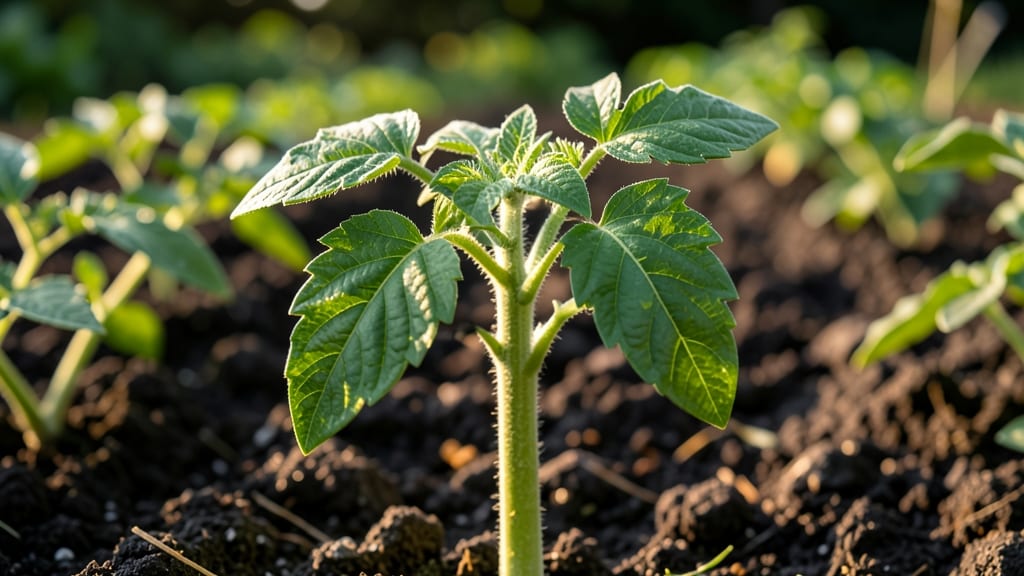
Identifying tomato seedlings early ensures strong plants for a bountiful harvest. These 10 visual stages—from sprout to true leaves—help gardeners distinguish healthy seedlings from weeds or struggling starts, even for beginners.
Germinated Tomato Seed with Radicle Emerging
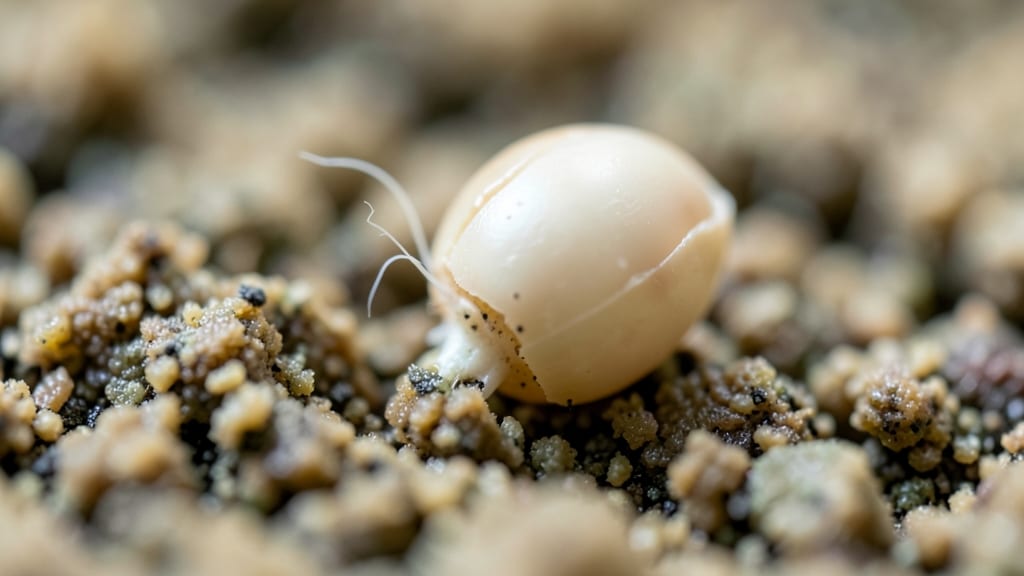
That tiny white thread poking out of your tomato seed is the radicle—the first sign your seed has successfully sprouted. This delicate root is your cue to celebrate (or troubleshoot) before any leaves appear, making it the most exciting stage for impatient gardeners.
The radicle emerges first, anchoring the seedling and absorbing water before the shoot grows upward. Keep your seedling mix moist but not soggy—overwatering can suffocate this early root. At this stage, you’ll want to avoid disturbing the seed, as the radicle is fragile and still developing its root system.
This moment is your confirmation that germination worked—no leaves needed! It’s especially reassuring for gardeners who’ve battled slow-starting seeds or dampening off in the past. 🌱
First Cotyledon Leaves Unfurling Green
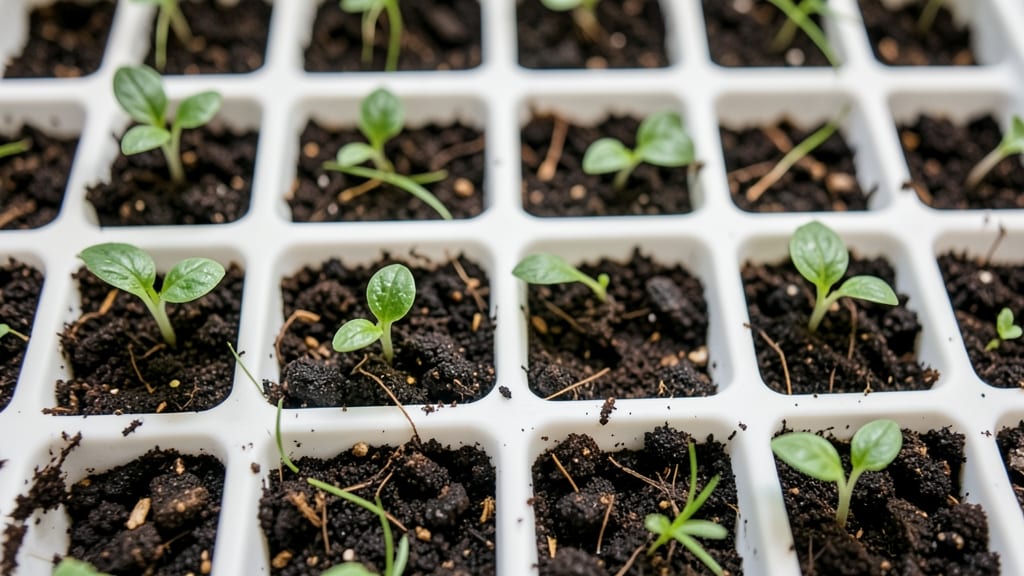
If you’ve ever wondered whether those tiny green sprouts in your seed tray are tomato seedlings or just weeds, look no further than the cotyledon stage. These first leaves appear 7–14 days after germination and are your first real clue—rounded, smooth-edged, and resembling miniature tomato leaves.
Unlike grass or other weeds, tomato cotyledons are bright green, oval-shaped, and slightly fleshy, with visible veins that give them a delicate, almost translucent look. At this stage, they’re not yet true leaves (those come later), but their shape is already a dead giveaway for tomato. Keep soil moist but not soggy to encourage healthy unfurling.
This stage is especially useful for gardeners dealing with weedy seed trays or those who direct-sow seeds outdoors. Spotting these early leaves helps you thin seedlings before they compete for nutrients. 🌱
Seedling with Two Fully Open Cotyledons
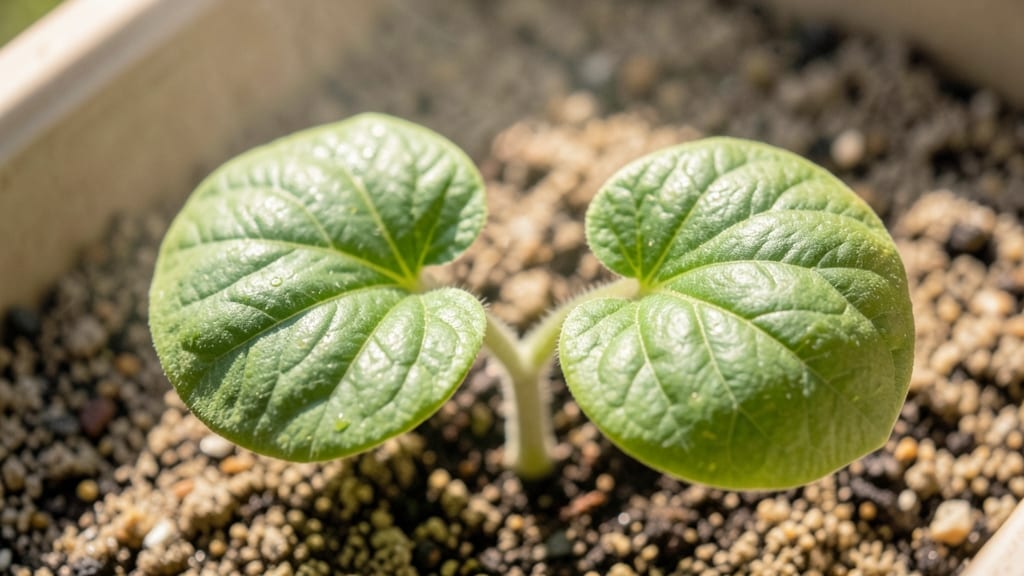
When your tomato seedling unfurls its two fully open cotyledons, you’ve reached a critical growth milestone. These vibrant, rounded leaves—now wide and flat—are actively photosynthesizing, meaning your seedling is converting sunlight into energy for rapid growth.
Look for bright green, plump cotyledons that sit upright, not curled or yellowing. This stage typically appears 10-14 days after germination and is your cue to monitor soil moisture (keep it lightly damp but not soggy). Avoid disturbing the seedling—it’s still delicate, and its roots are shallow.
This is the perfect moment to plan your transplant timing if using a heat mat or grow lights. Beginners often rush to move seedlings too soon, so wait until the cotyledons are fully open and firm before considering outdoor hardening. 🌱
First True Leaf Appearance Near Stem
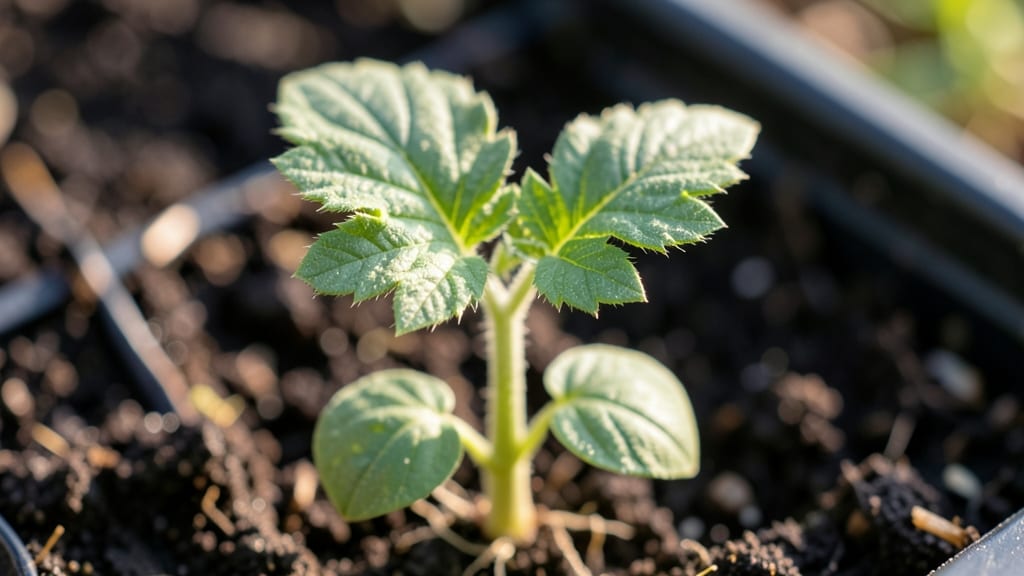
When your tomato seedlings push past the cotyledon stage, look for the game-changer: the first true leaf with its distinctive serrated edges. This isn’t just another leaf—it’s your plant’s first real declaration of identity, appearing 2-3 weeks after germination and resembling a miniature version of the adult plant’s foliage.
Unlike the smooth cotyledons, true leaves have jagged edges and a more complex vein structure. This is when you can confidently say, “Yes, this is a tomato!”—not a weed or a mistaken pepper seedling. The leaf emerges close to the stem, often between the cotyledons, and signals it’s time to start monitoring for pests like aphids, which love tender new growth.
For beginner gardeners, this stage is the perfect moment to prick out seedlings into individual pots, giving roots room to expand. It’s also when you can begin rotating trays for even light exposure, ensuring your seedlings grow strong and true. 🌱
Two True Leaves Fully Developed
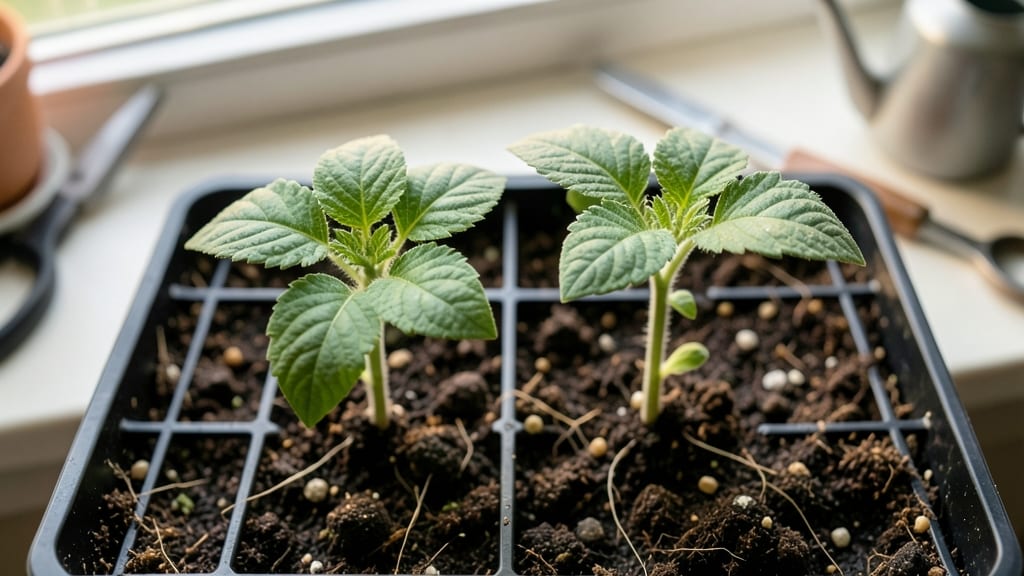
At this stage, your tomato seedlings finally reveal their true identity—two fully developed true leaves with serrated edges, distinct from the earlier cotyledons. This is your confirmation that these are genuine tomato plants, not weeds or volunteers, and the perfect moment to act.
Gently prick out seedlings into individual pots (2-3 inches deep) to give roots room to grow. Use a small trowel to lift seedlings by their leaves, not stems, and transplant into sterile seedling mix with added perlite for drainage. Place pots under grow lights or in a sunny windowsill (6+ hours of light daily) to prevent leggy growth.
This is especially helpful for beginners who want to avoid overcrowding or mistakenly transplanting weeds. With proper spacing now, you’ll set your seedlings up for stronger roots and healthier growth before they hit the garden. 💪
Third Leaf Emerging with Visible Veins
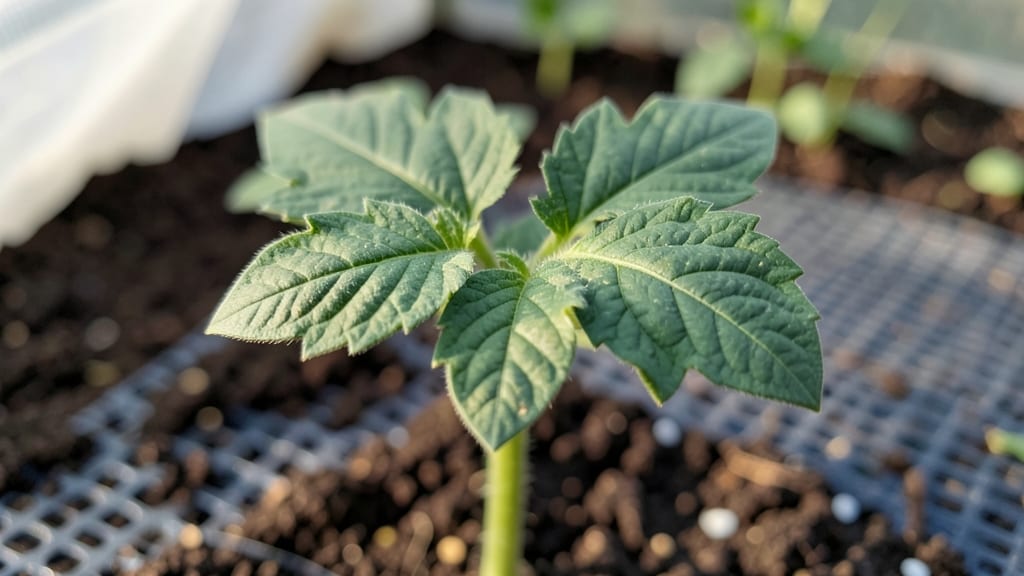
When your tomato seedling sprouts its third leaf, you’re not just watching growth—you’re seeing the first clues about whether you’re growing a heirloom or hybrid variety. This leaf’s lobed shape and prominent veins become your secret code for identifying traits that matter when saving seeds.
Look for deeply serrated edges and a distinct lobed pattern—heirloom varieties often show more pronounced veins and irregular lobes compared to hybrids. This stage is perfect for noting leaf shape if you plan to save seeds, as these traits carry forward. The third leaf also signals the seedling’s transition to stronger photosynthesis, setting the stage for robust future growth.
For seed savers and variety enthusiasts, this is your moment to compare seedlings and make informed choices about which plants to nurture. 🌱
Four-Leaf Stage with Compact Growth
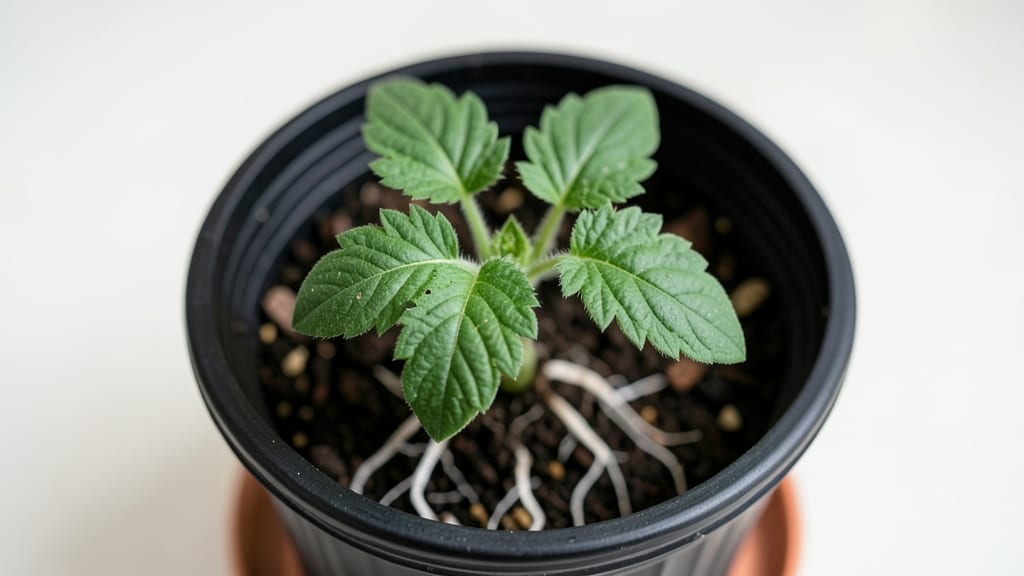
When your tomato seedlings reach the four-leaf stage with a compact, bushy shape, you’ve got a powerhouse ready for the next big step: hardening off. This sturdy growth pattern signals that the roots have developed enough to handle cooler outdoor temperatures, making it the perfect time to prepare seedlings for transplanting in regions with shorter growing seasons.
The thick stems and dark green leaves at this stage are your cues that the seedling is strong enough to endure gradual exposure to wind and temperature fluctuations. Aim to harden off seedlings over 7-10 days, starting with just 1-2 hours of outdoor time daily and increasing slowly. This method helps prevent shock while building resilience for cooler climates where last frost dates are unpredictable.
Gardeners in USDA Zones 3-6 will find this stage especially valuable, as it ensures seedlings are ready for early planting before the rush of spring. With proper hardening, you’ll be rewarded with vigorous, thriving plants that bounce back from transplant stress. 🌱
First Signs of Stem Hairiness
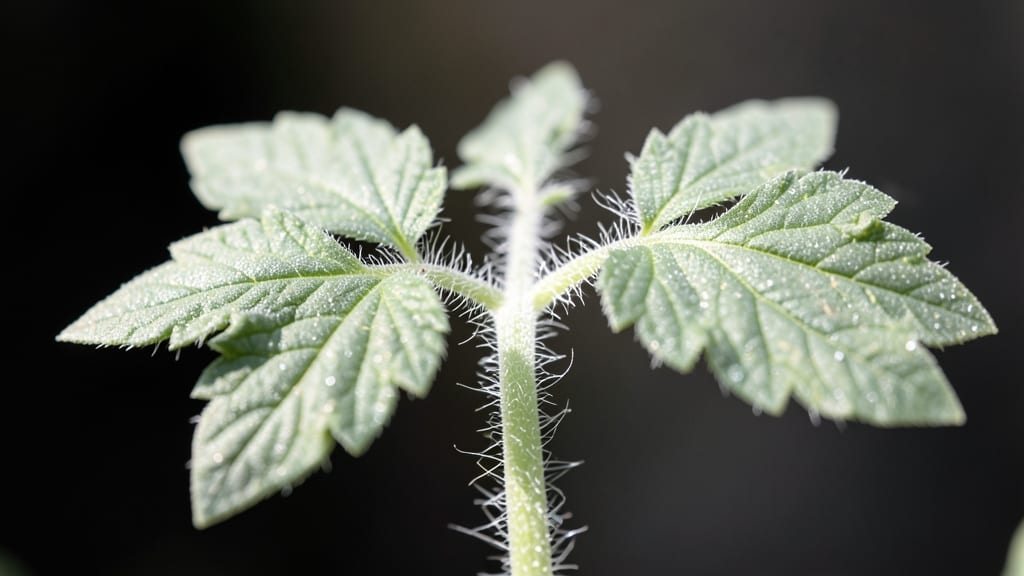
When your tomato seedlings reach 4-6 weeks old, a telltale sign of their true identity emerges—fine, silky hairs along the stem. This fuzzy texture, best spotted with a magnifying glass or even a smartphone macro lens, is a tomato-exclusive trait that sets them apart from pepper or eggplant seedlings, which have smooth stems.
These tiny hairs aren’t just for show—they help regulate moisture and protect the plant from pests. To check for them, gently run your thumb along the stem between leaves. If you feel a soft, velvety resistance, congratulations: you’ve found a tomato! This stage is especially useful for urban gardeners with limited space, where distinguishing plants early prevents accidental culling of valuable seedlings.
This subtle detail becomes your secret weapon when comparing seedlings in trays. 🌱
Seedling with Flower Bud Formation
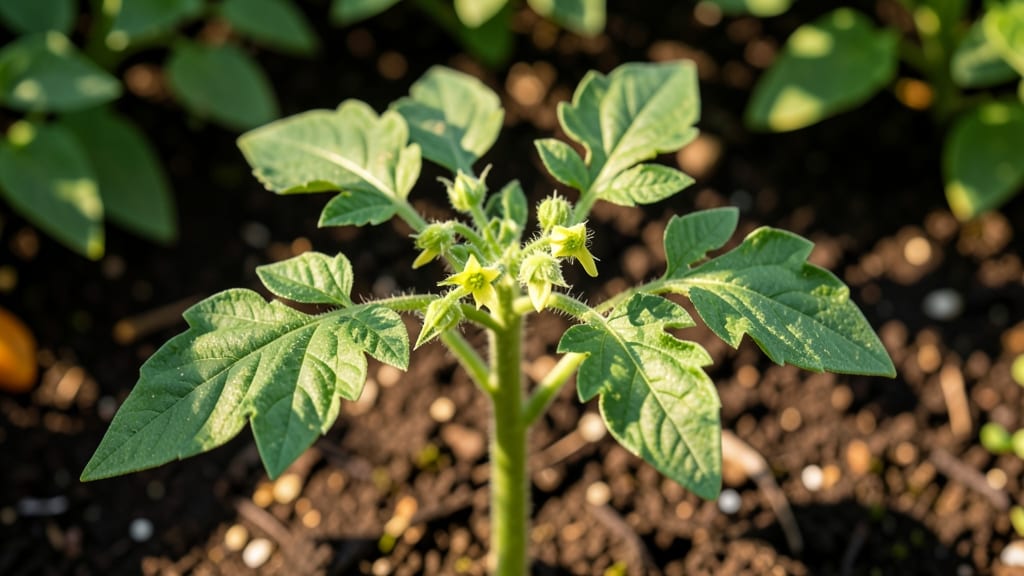
When your tomato seedlings develop tiny yellow-green clusters near the stem (around 4-6 weeks after germination), you’ve spotted flower buds—a game-changer for your garden’s timing. These buds mark the plant’s transition from vegetative growth to fruiting, meaning it’s now prioritizing energy for tomatoes over leaves.
This is your cue to install trellises or cages soon, as indeterminate varieties will need support within weeks. Look for buds appearing between the 4th and 6th true leaves, often accompanied by a slight thickening of the stem. Prune suckers (side shoots) below the first flower cluster to direct energy upward and maximize fruit production.
Gardeners in cooler climates should use this stage to accelerate hardening off, as the plant’s focus shifts from leaves to flowers. Early bud formation also helps you predict harvest timing—count 50-60 days from bud appearance for ripe tomatoes. 🌟
True Leaf Cluster Before Transplanting

When your tomato seedlings sport a cluster of 6-8 true leaves and a noticeably thick stem, they’re ready to graduate from indoor pots to your garden beds. This stage marks the perfect window for transplanting, ensuring your plants have enough foliage to support robust growth once outdoors.
Look for leaves that are deep green, serrated, and lobed—these resemble miniature versions of mature tomato foliage. The stem should be sturdy, not brittle, and at least ¼-inch thick, signaling strong root development. Avoid transplanting leggy seedlings; instead, choose those with a compact, bushy shape to minimize shock.
This milestone is especially valuable for gardeners in cooler climates, as it aligns with the ideal timing for hardening off seedlings before the last frost. With proper care, these robust starts will quickly establish themselves in the garden. 🌱