
Pests and Diseases
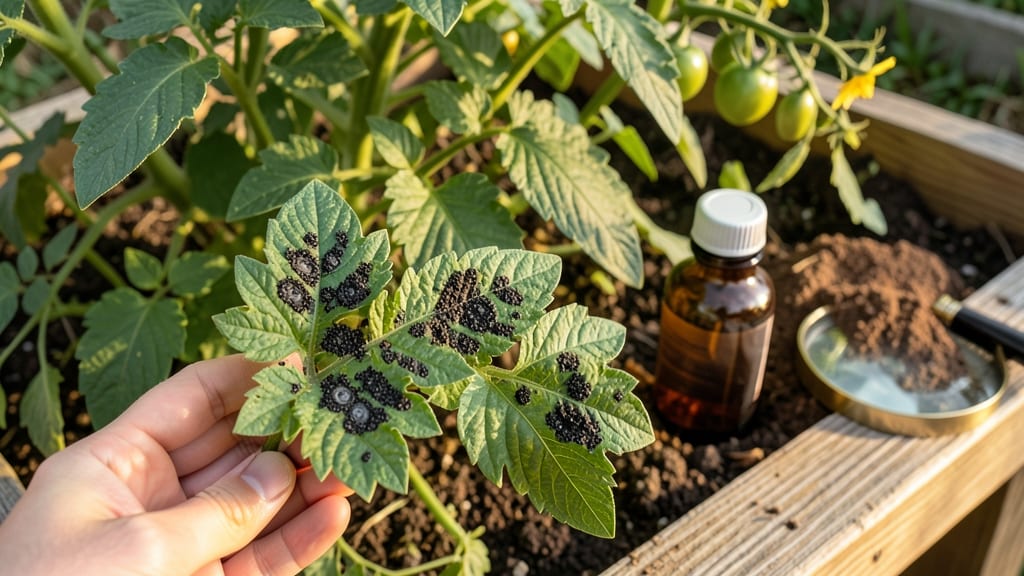
Black specks on tomato leaves mean your plants are fighting a fungal battle—and you can turn it around fast. 🌱 I’ve seen this ruin entire harvests when ignored, but with the right moves, you can stop it before it spreads. The key is acting within days, not weeks.
Most black specks come from early blight or septoria leaf spot, both fungal diseases that thrive in wet, warm conditions. You’ll spot concentric rings on leaves or black spots with yellow halos—these are classic signs. The good news? These aren’t pests; they’re treatable with the right organic fixes.
Within a week, you’ll see healthier leaves if you prune infected foliage, space plants for airflow, and apply copper fungicide or baking soda spray. The goal is to break the fungus’s cycle before it reaches the fruit. I’ve saved entire plants this way—it’s all about timing and consistency.
If the spots keep spreading despite your efforts, check for powdery mildew or bacterial issues too. When in doubt, snap a photo and compare it to plant disease guides. Most gardeners fix this themselves, but if your plants look like they’re dying fast, a local extension office can help.
Root Causes of Leaf Discoloration
When you spot tiny black specks on your tomato leaves, it’s rarely a coincidence—it’s a sign of underlying stress or infection. Understanding the why behind these specks is the first step to saving your plants.
Below, we break down the most common culprits, from environmental factors to fungal invaders, with clear explanations of how they trigger this symptom.
Fungal diseases are the #1 cause of black specks on tomato leaves, often appearing as powdery, sooty, or tar-like spots. These pathogens thrive in warm, humid conditions and latch onto leaves, stems, or even fruit. Here’s how they work:
- Early Blight (Alternaria solani): This fungus produces concentric rings of black spots with yellow halos. It enters through wounds (like pruning cuts) or natural openings in the leaf surface. Over time, the spots expand, merging into larger lesions that can kill leaf tissue.
- Late Blight (Phytophthora infestans): Though more notorious for causing greasy, brown patches, late blight can also leave black specks or crusty lesions on leaves, especially in high-moisture environments. It spreads rapidly, often overnight, and can destroy plants within days.
- Black Mold (Aspergillus or Botrytis): Less common on leaves but possible, this fungus creates black, fuzzy specks that resemble soot. It thrives on dead or dying plant matter, often appearing after environmental stress weakens the tomato.
🔍 Pro Tip: Use a hand lens (10x magnification) to inspect specks—fungal spores often appear as tiny, powdery dots or thread-like hyphae (fungal "roots"). If you see these, act fast!
Not all black specks are from fungi—sometimes, your tomatoes are screaming for better care. Environmental factors can cause necrotic (dead) spots that look like specks, often due to:
| Cause | How It Happens | Signs to Watch For |
|---|---|---|
| Overwatering or Poor Drainage | Excess moisture suffocates roots, leading to oxygen deprivation. The plant struggles to absorb nutrients, causing leaf tip necrosis (blackened, crispy edges) or speckled discoloration. | Yellowing between leaf veins, mushy stems, or waterlogged soil. |
| Chemical Burn (Fertilizer or Pesticide) | Too much salt (from fertilizers) or residual herbicides (even from neighboring plants) can scorch leaf tissue, leaving behind black or brown specks. Tomato leaves are especially sensitive to chlorine in tap water. | Specks appear randomly, often on older leaves first. New growth may look stunted or curled. |
| Extreme Heat or Sunburn | Intense sunlight (especially after rain or wind) can overwhelm chlorophyll, causing photoxidative damage. This creates tiny black or brown specks, particularly on leaf edges. | Specks appear in sun-exposed areas; leaves may feel rough or papery. |
💡 Quick Fix: If environmental stress is the culprit, adjust watering (let soil dry between waterings), flush soil with rainwater (to reduce salt buildup), and provide afternoon shade during heatwaves.
Some pests don’t just eat leaves—they leave behind black "gifts". Here’s how tiny critters turn your tomatoes into a speckled mess:
- Aphids or Spider Mites: These sap-suckers excrete sticky honeydew, which attracts sooty mold fungus. The mold grows as black, velvety specks on leaves, blocking sunlight and stunting growth.
- Thrips: Their scratchy feeding causes silver streaks or blackened specks on leaves, especially on the undersides. They also spread tobacco mosaic virus, which can cause mosaic-like black speckling.
- Fungal Galls (from Nematodes or Mites): Some microscopic pests induce abnormal growths on roots or leaves, leading to raised, blackened spots.
🕵️♂️ Tell-Tale Signs: Look for webby strands (mites), tiny black bugs (aphids), or distorted new growth—these confirm pest activity.
If your tomato’s roots aren’t happy, its leaves pay the price. Black specks can signal:
- Nutrient Deficiencies: Lack of magnesium (Mg) or calcium (Ca) causes interveinal chlorosis (yellowing between veins) that can turn necrotic and black over time. Potassium (K) deficiency leads to speckled, brown leaf edges.
- Compacted or Waterlogged Soil: Restricted roots can’t absorb oxygen, leading to root rot and blackened leaf tips.
- Toxic Soil pH: Tomatoes prefer slightly acidic soil (pH 6.0–6.8). If pH is too high (>7.5), iron and manganese become unavailable, causing black speckling between veins.
🔥 Soil Test Tip: Use a home pH test kit ($10–$15) to check your soil. If pH is off, amend with sulfur (to lower pH) or lime (to raise pH).
Now that you know why those black specks appear, the next step is identifying the exact problem and acting fast. Don’t let your tomatoes become a fungal buffet—your harvest is waiting!
Quick Fixes for Leaf Spots
If you’ve spotted black specks marring your tomato leaves, don’t panic—most issues are treatable with the right approach. Below, we’ve mapped out the most common causes and their corresponding fixes, so you can act fast and keep your plants thriving.
Prevention tips are included to stop future outbreaks before they start.
Fungal spores thrive in damp conditions, and once they take hold, they can spread rapidly. Here’s how to tackle them:
🔥 Remove Infected Leaves Immediately
- How: Snip off leaves with black or brown spots using clean pruners. Dispose of them in the trash (not compost) to prevent reinfection.
- Why: Removing infected foliage reduces spore spread and helps the plant focus energy on healthy growth.
- Pro Tip: 💡 Sterilize your pruners with rubbing alcohol between cuts to avoid transferring spores.
🍳 Apply Fungicidal Sprays (Organic or Chemical)
- Organic Options:
- Copper fungicide (e.g., Bonide Copper Fungicide): Spray every 7–10 days until the issue clears. Copper disrupts fungal cell walls.
- Neem oil solution (1 tbsp neem oil + 1 tsp mild soap + 1 quart water): Spray leaves thoroughly, focusing on undersides where spores hide. Reapply every 5–7 days.
- Baking soda spray (1 tbsp baking soda + 1 quart water + a few drops of soap): Fungicidal and safe for edible plants.
- Chemical Options:
- Chlorothalonil (e.g., Daconil): Follow label instructions for strong, fast-acting protection. Best for severe outbreaks.
- When to Spray: Early morning or late evening to avoid burning leaves in direct sunlight.
🌡️ Improve Air Circulation & Reduce Moisture
- How:
- Space plants 18–24 inches apart to allow airflow.
- Prune lower leaves to enhance ventilation (especially for bush tomatoes).
- Water at the base (not overhead) and avoid late-day watering to keep foliage dry.
- Why: Fungi love humidity—dry leaves = fewer spores.
🎯 Prevent Recurrence with Crop Rotation
- How: Rotate tomato plant locations yearly to prevent soil-borne fungi from building up.
- Why: Many fungal pathogens overwinter in the soil, so changing spots disrupts their cycle.
Tiny pests can leave behind black specks (frass or sooty mold) while feeding on tomato sap. Here’s how to evict them:
👨🍳 Blast Off Pests with Water or Soap
- How:
- Strong water spray: Use a hose to dislodge aphids or spider mites from leaves (do this in the early morning).
- Insecticidal soap (e.g., Safer Brand Soap): Mix 1–2 tbsp per quart of water and spray directly on pests. Reapply every 5–7 days.
- Why: Soap breaks down pests’ protective wax layers, dehydrating them.
🔪 Introduce Beneficial Insects
- How: Release ladybugs, lacewings, or parasitic wasps (available at garden centers). They feast on aphids and mites naturally.
- Why: Biological control is chemical-free and sustainable.
⏰ Set Up Sticky Traps for Early Detection
- How: Place yellow sticky traps near plants to monitor pest activity. Thrips and whiteflies are attracted to yellow.
- Why: Catching pests early prevents sooty mold buildup (a black fungal growth fed by pest honeydew).
If the specks are physical (not biological), the fix is simpler—clean up and protect your plants.
🧹 Gently Wipe or Rinse Leaves
- How:
- Use a damp cloth to wipe off debris or pollen.
- For hail damage, trim severely torn leaves and apply a light layer of compost tea to boost recovery.
- Why: Removing debris prevents secondary fungal infections.
🛡️ Shield Plants from Future Damage
- How:
- Use row covers or cloches to protect tomatoes from hail or heavy pollen.
- Mulch heavily to reduce soil splatter onto leaves during rain.
- Why: Prevention keeps leaves clean and healthy.
Stop black specks before they start with these proactive steps:
- 🌱 Start with resistant varieties: Choose tomato types like ‘Mountain Merit’ (early blight-resistant) or ‘Defiant PhR’ (phytophthora-resistant).
- 🌡️ Monitor humidity: Use a hygrometer to keep levels below 70%. A small fan on low can improve airflow in greenhouses.
- 🍅 Rotate crops: Avoid planting tomatoes, peppers, or potatoes in the same spot for 3+ years.
- 🌿 Boost plant health: Feed tomatoes with compost or balanced fertilizer (10-10-10) to build natural resistance.
- 🚫 Avoid overhead watering: Use drip irrigation or soaker hoses to keep foliage dry.
Frequently asked questions
Are black specks on tomato leaves always caused by disease?
Not always! While fungal diseases like early blight are common culprits, black specks can also result from pest activity (like aphids or thrips leaving frass), environmental stress (such as sunburn or chemical burns), or even physical damage from hail or debris. Always check for additional symptoms like yellow halos or sticky residue to narrow it down.
How quickly can I expect to see results from fungicide treatments?
With consistent application, you should notice improvement within 5-7 days. Organic options like neem oil or baking soda may take slightly longer (7-10 days) to show visible effects, while chemical fungicides like chlorothalonil can provide faster results (3-5 days). The key is applying treatments before rain and repeating every 7-10 days until new growth appears.
Will pruning infected leaves help stop the spread of black specks?
Yes! Removing infected leaves immediately is one of the most effective ways to prevent spread. Always use sterilized pruners and dispose of infected foliage in the trash (not compost). Focus on leaves with concentric rings or yellow halos—these are classic signs of fungal diseases like early blight that need urgent removal.
Can black specks on tomato leaves affect the fruit?
If left unchecked, fungal diseases causing black specks can spread to fruit, leading to rot or unsightly blemishes. Early blight, for example, often moves from leaves to stems and eventually to tomatoes. To protect your harvest, prune aggressively, space plants properly, and apply fungicides preventatively—especially during humid weather.
What's the difference between early blight and late blight on tomato leaves?
Early blight shows as concentric black rings with yellow halos, while late blight appears as greasy, brown patches that spread rapidly—often overnight. Early blight targets lower leaves first, while late blight can strike anywhere and spreads faster. Late blight is more destructive and requires immediate action with copper fungicides or chlorothalonil.