
Companion Plants
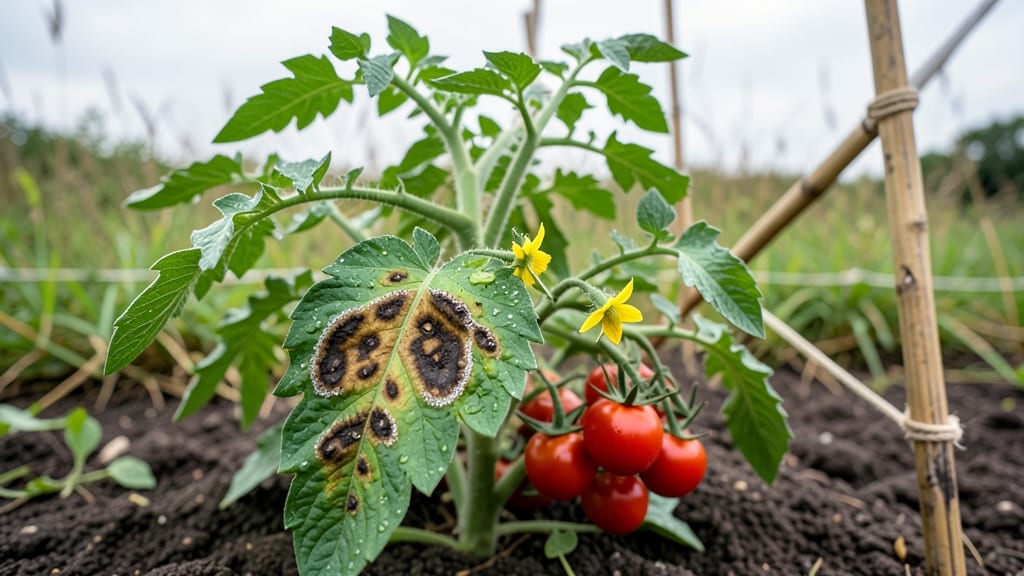
Fungus on tomato plant leaves don’t have to mean game over. 🌱 I’ve battled early blight, late blight, and powdery mildew in my garden—and learned the exact steps to stop them before they ruin your harvest. The key is acting fast, using the right mix of prevention and treatment, and knowing when to prune aggressively. Most fungal issues start with overcrowded plants or wet foliage, so spacing and watering habits make all the difference. I’ll show you how to adjust those first, then move to organic sprays like copper fungicide or neem oil that actually work. The goal? Healthy leaves that keep producing until your first frost. By the end, you’ll spot early signs before they spread, prune the right way, and even save next year’s plants with simple soil tweaks. No more watching your tomatoes turn into a fungal free-for-all—just strong, productive vines all season long. This works for backyard gardens, containers, and even greenhouses. Let’s get those leaves clean and your tomatoes thriving again!
Hidden Triggers Behind Leaf Fungus
Fungal infections on tomato leaves aren’t random—they’re often the result of specific conditions that create the perfect storm for spores to thrive. Understanding these triggers is the first step to stopping the spread before your plants are overwhelmed.
Below, we break down the key causes of fungal leaf infections, backed by science and actionable insights.
Fungi love moisture—think of them as aquatic invaders waiting for a flood. When tomato leaves stay damp for more than 4–6 hours, fungal spores (like those causing early blight or late blight) germinate and penetrate leaf tissue.
- Why it happens:
- High humidity (above 75–80%) creates a thick, invisible layer of water vapor around leaves, slowing evaporation.
- Poor air circulation traps moisture, while overhead watering (especially in the evening) leaves droplets on leaves, acting as fungal "highways."
- Rain or irrigation without proper drainage can saturate soil, releasing spores from infected debris.
- Actionable fix:
- Space plants 18–24 inches apart to improve airflow.
- Water early in the day (before 10 AM) so leaves dry by nightfall.
- Use drip irrigation or soaker hoses to avoid wetting foliage.
Tomatoes need breathing room—just like you’d suffocate in a crowded room. When plants are too close, humidity spikes, and spores linger longer, turning leaves into fungal buffets.
- Why it happens:
- Dense foliage traps stagnant air, reducing evaporation and extending leaf wetness.
- Fungal spores (e.g., Alternaria or Septoria) hitchhike on wind or splashing water, infecting new leaves.
- Mulch piled too high against stems can block airflow and trap moisture.
- Actionable fix:
- Prune lower leaves (especially those touching soil) to improve airflow.
- Thin plants if overcrowded—aim for 1–2 main stems per plant.
- Avoid thick mulch layers; opt for straw or wood chips (2–3 inches deep) with gaps around stems.
A healthy tomato plant is like a fortress with guards—when it’s stressed, fungi exploit the cracks. Poor nutrition, disease, or pests leave plants vulnerable.
- Why it happens:
- Nutrient deficiencies (especially magnesium, potassium, or nitrogen) weaken cell walls, making them easier targets.
- Insect damage (e.g., aphids, spider mites) creates wounds where spores enter.
- Root stress from overwatering, compacted soil, or poor drainage reduces the plant’s ability to fight infections.
- Actionable fix:
- Fertilize regularly with a balanced 10-10-10 or tomato-specific formula (rich in potassium).
- Inspect leaves daily for pests—spray with neem oil or soapy water if needed.
- Test soil pH (ideal: 6.0–6.8)—acidic or alkaline soil stresses plants.
Fungal spores are patient survivors—they can lurk in soil for years, waiting for the right moment to strike. Even well-meaning gardeners can accidentally spread them.
- Why it happens:
- Infected plant debris (e.g., old leaves, stems) left in soil releases spores when conditions are right.
- Reusing contaminated tools (pruners, trowels) spreads spores from plant to plant.
- Compost with diseased plants can reintroduce pathogens to the garden.
- Actionable fix:
- Remove and destroy infected leaves/stems (don’t compost them—burn or trash them).
- Sterilize tools with rubbing alcohol (70%+) or bleach solution (1 part bleach to 9 parts water).
- Rotate crops—avoid planting tomatoes in the same spot for 3–4 years to break the fungal cycle.
Fungi thrive in moderate warmth (60–80°F) but can also strike in cool, damp springs or fall. Sudden weather changes create ideal conditions.
- Why it happens:
- Cool nights (50–60°F) + warm days create condensation, extending leaf wetness.
- Frequent rain or fog keeps spores active longer.
- Late blight (a devastating fungus) spreads rapidly in temperatures above 65°F with high humidity.
- Actionable fix:
- Mulch heavily (3–4 inches) to stabilize soil temperature and reduce moisture loss.
- Use row covers in early spring to protect from cool, damp conditions.
- Monitor weather forecasts—if rain is predicted, prune lower leaves to reduce infection risk.
Fungi don’t respect property lines. Spores can travel miles on wind, water, or even your shoes.
- Why it happens:
- Infected wild plants (e.g., nightshade, blackberry) near your garden can spread spores.
- Wind or splashing irrigation carries spores from compost piles or neighboring farms.
- Birds or insects (like slugs) can transport spores to your plants.
- Actionable fix:
- Remove wild hosts (e.g., nightshade, solanum weeds) within 50 feet of your garden.
- Avoid overhead watering—use drip systems to minimize spore dispersal.
- Quarantine new plants for 2 weeks before introducing them to your garden.
Pro Tip: 💡 Preventative fungicides (like copper-based sprays or baking soda mix) can create a protective barrier—apply every 7–10 days during high-risk weather. But prevention (airflow, dry leaves, clean tools) is always better than cure!
How to Treat and Prevent Fungus
Fungus on tomato leaves can feel like a nightmare, but don’t let it ruin your harvest! With the right approach, you can reverse the damage and keep your plants thriving. Below, we break down targeted fixes based on the most common causes—plus prevention tips to stop future outbreaks.
1.
Improve Airflow & Reduce Humidity 🌬️ Cause: Overcrowded plants or poor airflow trap moisture, creating the perfect fungal buffet. Fix: - Prune wisely 🔪—Remove yellow or diseased leaves (sterilize pruners with rubbing alcohol). - Space plants 18–24 inches apart for better airflow. - Water at the base (not overhead) and early in the day so leaves dry quickly. - Use a fan 🌬️ on low speed near plants to circulate air (great for greenhouses!).
Prevention Tip: 💡 Stake or cage tomato plants to avoid sprawling vines that block airflow.
2.
Boost Plant Health Naturally 🌱 Cause: Weak or nutrient-deficient plants are fungus magnets. Fix: - Fertilize with compost or balanced organic fertilizer (10-10-10) to strengthen plants. - Add mulch (straw or grass clippings) to keep soil moist (but not soggy) and suppress weeds that harbor spores. - Avoid overwatering—let the top inch of soil dry out between waterings.
Pro Tip: 🌡️ Test your soil pH (ideal: 6.0–6.8). Acidic soil (below 5.5) makes plants more susceptible.
3.
Fight Fungus with Natural Sprays 🛡️ Cause: Existing spores need to be stopped before they spread. Fix: - Baking soda spray (1 tsp baking soda + 1 quart water + a drop of dish soap) – spray every 7–10 days. - Neem oil solution (1 tbsp neem oil + 1 tsp mild soap + 1 quart water) – spray at dusk (avoid direct sun). - Copper fungicide (follow label instructions) for severe cases.
Safety Note: 🛡️ Always test sprays on a few leaves first to avoid burning plants.
4.
Remove & Destroy Infected Leaves 🧹 Cause: Leaving infected foliage spreads spores like wildfire. Fix: - Pick off yellow/spotted leaves and dispose of them in the trash (not compost!). - Burn or bag heavily infected plants if the fungus is widespread. - Wash hands and tools with soap and water after pruning.
Prevention Tip: ✨ Rotate crops—don’t plant tomatoes (or nightshades like peppers/eggplants) in the same spot for 3+ years.
5. Companion Plants to Repel Fungus 🌿
Cause: Some plants naturally deter fungal spores. Fix:
- Plant basil, marigolds, or garlic nearby—they release antifungal compounds.
- Interplant with onions or chives to improve airflow and confuse pests.
Bonus: 🎯 Avoid planting tomatoes near fennel or dill—they can attract pests that weaken plants.
If the fungus spreads aggressively (e.g., black mold on stems), you may need to:
- Pull the plant (if it’s a young seedling).
- Use a systemic fungicide (like Myclobutanil) only as a last resort—follow label directions carefully.
Final Prevention Checklist: ✅ Water deeply but less often (early morning only). ✅ Keep the garden clean—remove debris and weeds. ✅ Monitor plants weekly for early signs (tiny yellow spots!). ✅ Harvest promptly—ripe tomatoes are less prone to fungal stress.
With these steps, your tomato plants will bounce back stronger—and next season, you’ll be fungus-proof! 🍅💪
Frequently asked questions
How do I tell if my tomato leaves have fungus vs. normal discoloration?
Look for distinct patterns: Fungal spots often start as tiny yellow or brown dots with darker edges (like bullseye rings for early blight) or powdery white coatings (powdery mildew). Healthy discoloration from heat stress is usually uniform yellowing without defined borders. Check the undersides of leaves too—fungus often appears there first.
Can I still harvest tomatoes from plants with fungal leaves?
Yes, but only the ripe fruit—fungus doesn't spread through the tomato itself. Remove and compost infected leaves first, then harvest carefully to avoid brushing against spores. For green tomatoes, wait until fully ripe to pick, as unripe fruit may still absorb fungal toxins.
What's the fastest way to stop fungus spread in my garden?
Combine three immediate actions:
- Prune all infected leaves (sterilize tools with rubbing alcohol),
- apply neem oil spray (1 tbsp + 1 tsp soap per quart of water), and
- improve airflow by spacing plants wider. Reapply sprays every 5–7 days during humid weather.
Will fungicides harm my tomatoes if I spray directly on leaves?
Most organic fungicides (like copper or baking soda) are safe when used correctly, but always test on a small leaf first—some plants can develop chemical burns if sprayed too heavily. Avoid systemic fungicides within 2 weeks of harvest. For preventative care, focus on airflow and watering habits first.
Can I reuse last year's tomato soil without getting fungus again?
No—fungal spores can survive years in soil. Instead, solarize the bed (cover with clear plastic for 4–6 weeks in summer) or replace the top 6 inches of soil. For containers, sterilize with hydrogen peroxide (3%) before replanting. Crop rotation is key: Wait 3+ years before replanting tomatoes in the same spot.