
Pests and Diseases
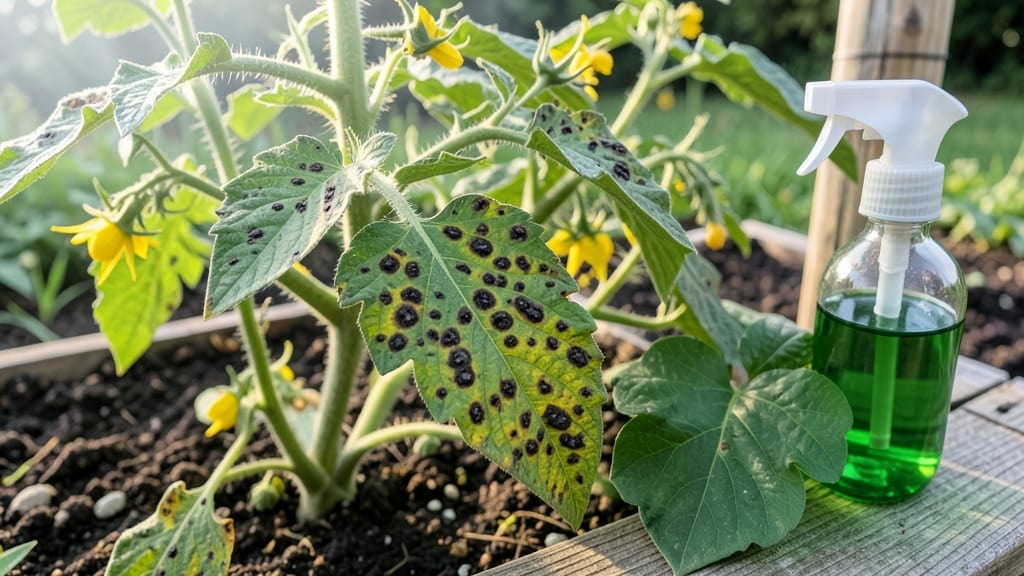
Black spots on tomato leaves mean your plants are fighting a fungal blight—and it spreads fast. 🌱 I’ve seen healthy tomato plants turn into sad, spotted messes in just a week, but these three steps saved my harvest last summer when my plants looked like they were dying.
The spots start small and dark, often with yellow rings around them, and can spread to stems and fruit if ignored. Overwatering, poor airflow, and wet foliage create the perfect storm for fungal growth. The good news? You can stop it before it ruins your tomatoes.
With the right approach—like pruning for airflow, using copper fungicide, and adjusting your watering—you’ll see new growth within days. Your plants won’t just survive; they’ll bounce back stronger than ever. This works for both garden beds and containers, and the fixes are simple enough for beginners.
Let’s get those leaves healthy again!
Root Causes of Leaf Spots
Black spots on tomato leaves aren’t just an eyesore—they’re a red flag signaling trouble for your plants. Understanding why these blemishes appear is the first step toward saving your harvest. Below, we break down the most common culprits, from fungal invaders to environmental stressors, with the science behind each issue.
Fungal diseases are the #1 cause of black spots on tomato leaves, thriving in warm, humid conditions. Here’s how they strike:
🌡️ Early Blight (Alternaria solani)
This fungal pathogen starts as small, dark spots with concentric rings on lower leaves, eventually turning yellow and crispy. Why it spreads:
- Spores love moisture: Early blight spores splash from soil to leaves during watering or rain, especially when leaves stay wet for more than 4 hours.
- Warmth fuels growth: Ideal conditions are 75–85°F (24–29°C) with high humidity—common in summer gardens.
- Old debris = new infections: Infected plant residue (like last year’s stems) releases spores year after year.
Pro tip: 💡 Early blight targets lower leaves first—if you see spots only on the bottom, act fast before it climbs upward.
🌧️ Late Blight (Phytophthora infestans)
This aggressive fungus causes greasy, black spots with white moldy edges that spread rapidly, even killing plants in days. Why it’s so destructive:
- Cool, wet weather: Thrives in 50–77°F (10–25°C) with constant dampness (think foggy mornings or overwatered soil).
- Airborne spores: Unlike early blight, late blight spreads via wind and water, infecting leaves within 24 hours of exposure.
- Systemic damage: It invades stems and fruit, turning them black and mushy.
Warning sign: 🚨 If spots appear on upper leaves or fruit, late blight is likely—this is a garden emergency.
🍂 Septoria Leaf Spot (Septoria lycopersici)
Small, dark brown/black spots with tiny black dots (pycnidia) in the center? That’s septoria. How it hijacks your plants:
- Overcrowded leaves: Poor airflow (from dense foliage or tight spacing) traps moisture, giving spores a foothold.
- Splash dispersal: Spores hitch rides on water droplets during irrigation or rain.
- Cool, wet springs: Peaks in 60–75°F (15–24°C) with frequent rain.
Key difference: 🔍 Septoria spots don’t merge like early blight—they stay distinct with those telltale black specks.
Water isn’t just a necessity—it’s a delivery system for fungal spores. But even without fungi, poor watering habits can cause black spots:
🌊 Overwatering & Poor Drainage
Soggy soil = fungal paradise. Why wet leaves = black spots:
- Fungal buffet: Constant moisture lets spores germinate and multiply on leaf surfaces.
- Root suffocation: Waterlogged soil starves roots of oxygen, weakening the plant’s defenses.
- Foliar diseases: Water droplets splash spores upward from soil to leaves.
Fix it: 💡 Use drip irrigation or soaker hoses to keep leaves dry, and amend soil with compost or perlite for better drainage.
☀️ Sun Scorch & Heat Stress
Black or brown spots with crispy edges? Your tomatoes might be fried by the sun. How it happens:
- Sudden heat waves: Plants acclimated to cool weather get sunburned when temps spike over 90°F (32°C).
- Water loss: Hot, dry winds cause plasmolysis (cells shrinking), leading to dead tissue.
- Lack of shade: Young leaves or those near the soil are most vulnerable.
Prevent it: 🌡️ Mulch heavily to retain moisture and use shade cloth (30–50%) during heatwaves.
Not all black spots are fungal—some are bug bites gone wrong. Here’s how pests turn leaves into a polka-dot mess:
🐜 Spider Mites & Aphids
Tiny pests with huge appetites. How they cause spots:
- Feeding frenzy: They pierce cells to suck sap, leaving behind stippled, blackened areas.
- Toxin buildup: Their saliva contains toxins that trigger necrotic (dead) tissue.
- Webbing clue: Spider mites leave fine webs on undersides; aphids cluster in sticky honeydew.
Tell-tale sign: 🕷️ Check leaf undersides for tiny moving dots or silver speckling.
🐛 Cutworms & Slugs
Overnight leaf holes with ragged edges? These nocturnal chewers are to blame. Why they leave blackened trails:
- Enzymatic spit: Their saliva contains digestive enzymes that turn chewed tissue black.
- Nocturnal raids: They feed at night, leaving large, irregular spots by morning.
- Slime trails: Slugs leave glossy, silver paths behind them.
Nighttime patrol: 🌙 Use beer traps or copper barriers to catch them before they strike.
Now that you know the why, the next step is actionable fixes to restore your tomato plants to peak health. Don’t let these spots steal your harvest—act now!
Quick Fixes for Tomato Leaf Spots
Once you’ve identified the culprit behind those pesky black spots on your tomato leaves, it’s time to act! The good news? Most solutions are simple, natural, and effective—no fancy (or expensive) tools required.
Below, we’ll map the most common causes to practical fixes, plus prevention tips to keep your tomatoes thriving. Let’s get those leaves healthy again!
Fungi love damp, warm conditions, and your tomato plants are their all-you-can-eat buffet. Here’s how to starve them out and restore your plants:
🔥 Step 1: Remove the Infected Leaves
- Why? Fungal spores spread like wildfire (literally). Cut off any leaves with black or brown spots—don’t compost them!
Toss them in the trash or burn them (if safe in your area). - Pro Tip: 💡 Use sterilized pruners (wipe with rubbing alcohol) to avoid spreading spores to healthy leaves.
🍳 Step 2: Apply a Fungicide (Natural or Store-Bought)
- DIY Copper Fungicide (Best for Early Blight):
- Mix 1 tsp copper sulfate (or 1 tbsp baking soda + 1 tsp dish soap + 1 quart water) in a spray bottle.
- Spray both sides of leaves at dawn or dusk (when it’s cooler).
- Reapply every 7–10 days or after rain.
- Commercial Options:
- Neem oil (disrupts fungal growth, use at night to avoid harming bees).
- Serenade Garden Disease Control (contains beneficial bacteria).
👨🍳 Step 3: Improve Airflow & Reduce Moisture
- Space plants 18–24 inches apart (crowding = fungal paradise).
- Water at the base (not overhead) and early in the day so leaves dry by evening.
- Mulch with straw (not plastic) to keep soil moist but prevent splashing spores.
🌡️ Prevention for Next Season
- Rotate crops—don’t plant tomatoes (or nightshades like peppers/eggplants) in the same spot for 3 years.
- Plant resistant varieties like ‘Mountain Merit’ or ‘Defiant PhR’ (they fight early blight better).
Tiny pests can cause blackened leaves by sucking sap or chewing edges. Here’s how to evict them fast:
🔪 Step 1: Blast Them Off
- Spray with water (a strong stream from the hose dislodges aphids).
- Use insecticidal soap (1 tbsp mild soap + 1 quart water, spray directly on pests).
🐝 Step 2: Introduce Beneficial Bugs
- Ladybugs (eat aphids), lacewings (devour mites), or predatory mites (for spider mites).
- Plant companion flowers like marigolds or nasturtiums to attract them.
⏰ Step 3: Protect Young Plants
- Cover seedlings with floating row covers until they’re established (pests love tender new growth).
- Check undersides of leaves daily—pests hide there!
🎯 Prevention Tips
- Avoid over-fertilizing with nitrogen (soft, sappy leaves = pest buffet).
- Inspect plants weekly—early action = fewer battles.
If the spots look dry, crispy, or yellow-edged, your tomatoes might be overheated or chemically burned.
💦 Step 1: Shade & Hydrate
- Provide afternoon shade (use shade cloth if temps hit 90°F+).
- Water deeply 1–2 inches per week (drought stress = weak plants).
🚫 Step 2: Check Your Soil & Fertilizer
- Avoid high-salt fertilizers (like some synthetic mixes)—they burn leaves.
- Test soil pH (ideal: 6.0–6.8). Use lime to raise pH or sulfur to lower it if needed.
✨ Prevention for Next Year
- Mulch heavily to retain moisture and cool roots.
- Use organic, slow-release fertilizer (like compost or worm castings).
If more than 50% of leaves are blackened, it’s time to quarantine or replace the plant:
- Isolate the plant 10+ feet from others.
- Spray with a strong fungicide (copper or neem oil) daily for 3 days.
- Monitor closely—if it doesn’t improve in a week, remove it to save the rest of your garden.
Final Pro Tip: 🌱 Healthy soil = healthy plants! Amend your garden with compost, mycorrhizal fungi, and organic matter to boost natural defenses. Your tomatoes will thank you with juicy, spot-free fruit!
Frequently asked questions
Are black spots on tomato leaves always caused by disease?
Not always! While fungal infections like early blight are the most common culprits, black spots can also result from pest damage (like spider mites or aphids), sun scorch (dry, crispy edges), or even nutrient deficiencies. Always check for yellowing leaves, webbing, or irregular patterns to narrow down the cause.
Can I still harvest tomatoes if the leaves have black spots?
Yes, but only if the spots are on lower leaves and haven’t reached the fruit. Remove infected foliage immediately to prevent spread. If spots appear on upper leaves or fruit, it’s likely late blight—harvest and destroy affected tomatoes to stop contamination.
How often should I spray fungicide to prevent black spots?
For prevention, spray every 7-10 days during humid weather, especially after rain. If treating an active infection, apply every 3-5 days until new growth appears. Always spray both leaf sides at dawn or dusk for best results.
Will removing spotted leaves help my tomato plants recover?
Pruning infected leaves stops spore spread and redirects the plant’s energy to healthy growth. Use sterilized shears and remove leaves 1 inch below the spot to prevent regrowth. This simple step can save your harvest in just days.
Can I use household items to treat black spots?
Yes! Mix 1 tbsp baking soda + 1 tsp dish soap + 1 quart water for a mild fungicide, or use milk spray (1 part milk to 9 parts water) (the lactic acid helps prevent fungal growth). Reapply every 5-7 days for best results. Always test on a small leaf first.