
Companion Plants
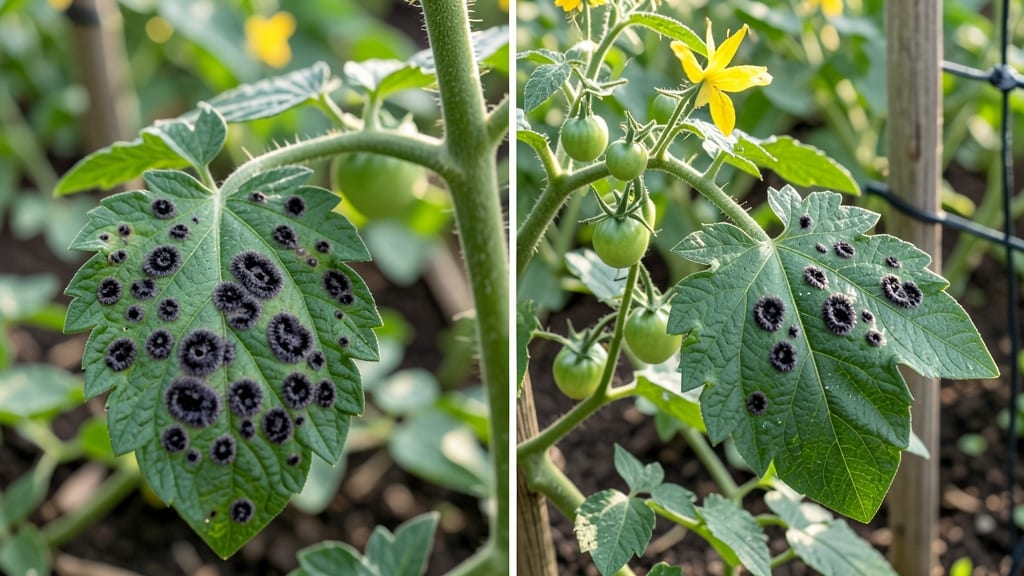
Black spots on tomato plant leaves don’t have to mean game over. 🌱 After my first garden season where half my tomatoes looked like they’d been attacked by a polka-dotted monster, I learned the telltale signs—and how to stop it fast.
Those dark, spreading marks? They’re usually early blight or bacterial spot, but they could also be sunburn or even nutrient stress. The key is acting before the spots turn into a full-blown crisis.
Most people panic and reach for chemicals, but the real fix starts with 3 simple steps: pruning infected leaves, adjusting watering habits (morning is best), and spacing plants properly to improve airflow.
I’ve tried everything from copper fungicides to homemade baking soda sprays—some work better than others, and I’ll share which ones actually stop the spread without harming your plants. The goal? Healthy leaves that keep producing tomatoes instead of turning into a fungus buffet.
You’ll spot the difference within a week: fewer new spots, greener leaves, and plants that bounce back stronger. The secret isn’t just treating the symptoms—it’s fixing the conditions that let the problem take hold in the first place.
And if your plants look like they’re in a losing battle, I’ll tell you exactly when to call in reinforcements (hint: it’s not always necessary).
This isn’t just about saving your tomatoes—it’s about building a garden that fights back. Whether you’re dealing with a single leaf or a full-blown outbreak, these steps work for both containers and in-ground plants. Let’s turn those black spots into a thing of the past.
Root Causes of Leaf Spots
When your tomato plants start showing black spots on their leaves, it’s rarely a random act of nature—it’s usually a sign of stress, infection, or environmental mismanagement. Understanding the why behind these spots is the first step to saving your plants.
Below, we break down the most common culprits, from fungal invaders to hidden environmental triggers, with clear explanations of how they damage your tomatoes.
Fungi are the #1 cause of black spots on tomato leaves, thriving in warm, humid conditions. These microscopic invaders don’t just ruin aesthetics—they block sunlight, disrupt photosynthesis, and can kill your plant if left unchecked.
- Early Blight (Alternaria solani)
This fungus starts as small, target-like brown spots with concentric rings on older leaves. Over time, the spots turn black, and yellow halos appear around them. Early blight spreads via wind and water splashes, often entering through wounds or weak spots on leaves.
Why it happens: High humidity (above 75%), poor air circulation, and wet foliage create the perfect breeding ground. Overhead watering or crowded plants accelerate its spread.
- Late Blight (Phytophthora infestans)
A more aggressive cousin of early blight, late blight produces greasy, dark spots with white mold on the undersides of leaves. It spreads rapidly in cool, wet conditions (50–77°F) and can destroy an entire plant in weeks.
Why it happens: This fungus thrives in overhead irrigation, dense plantings, and nighttime dew. It’s especially dangerous in regions with sudden temperature shifts, like coastal areas or greenhouses.
- Septoria Leaf Spot (Septoria lycopersici)
Characterized by tiny black specks surrounded by gray centers, this fungus often appears in late summer. Unlike blights, it doesn’t spread as fast but can defoliate plants over time, reducing yield.
Why it happens: Poor sanitation (e.g., leaving infected debris in soil) and excessive leaf wetness encourage spores to germinate. It’s common in organic gardens where fungicides aren’t used.
💡 Pro Tip: Fungal spores hibernate in soil and plant debris—always rotate crops and remove infected leaves before they fall to the ground.
Not all black spots are fungal. Extreme or inconsistent growing conditions can weaken tomato leaves, making them vulnerable to physiological disorders that mimic disease.
- Sunscald or Heat Stress
If your leaves develop crispy, blackened edges (especially on older leaves), your plants may be suffering from too much direct sunlight after a cool period. This is common in greenhouses or when young plants are suddenly exposed to harsh afternoon sun.
Why it happens: Tomato leaves have a wax coating that protects them from water loss. When temperatures spike after cool nights, the wax cracks, exposing cells to dehydration and oxidation, which turns them black.
- Chemical Burn from Fertilizer or Pesticides
Black, irregular patches with yellowing around the edges can signal over-fertilization (especially with high-salt fertilizers like synthetic nitrogen) or pesticide drift. These burns disrupt the leaf’s cuticle layer, leading to necrosis.
Why it happens: Applying fertilizer or herbicides directly to leaves or using too much salt-based product (like Epsom salt overuse) throws off the plant’s osmotic balance, causing cells to die.
- Poor Airflow and Crowding
Leaves in shady, stagnant areas of the plant often develop small, black, water-soaked spots due to lack of evaporation. This creates a microclimate where humidity stays high, inviting fungal growth.
Why it happens: Tomato plants need at least 12–18 inches of space between stems for airflow. Crowded plants retain moisture longer, slowing drying and promoting fungal spores to latch on.
🌡️ Quick Fix: Move potted tomatoes to partial shade during heatwaves and prune lower leaves to improve airflow. Always water at the base (never overhead) to avoid chemical buildup on leaves.
Some black spots aren’t from disease—they’re physical damage left by pests that feed on tomato leaves. Their saliva or frass (waste) can create dark, irregular marks that look like rot.
- Tomato Hornworms
These green caterpillars leave behind black, tar-like droppings and ragged holes in leaves. While the damage is more about missing tissue than spots, their waste can stain leaves black over time.
Why it happens: Hornworms thrive in warm, humid nights and are drawn to healthy, lush tomato plants. They melt into the foliage, making them hard to spot until the damage is done.
- Aphids or Spider Mites
These tiny pests inject toxins into leaves as they feed, causing blackened, curled, or stippled areas. Heavy infestations lead to sooty mold (a black fungal growth fed by their honeydew).
Why it happens: Aphids love new growth, while spider mites prefer dry, dusty conditions. Both multiply rapidly in low-humidity environments (below 40%).
🔥 Pest Prevention: Introduce beneficial insects like ladybugs or lacewings, and spray leaves with water daily to wash off mites. Neem oil disrupts their life cycles without harming your tomatoes.
Now that you know the real culprits behind those black spots, you’re ready to tackle the problem head-on. The next step? Diagnosing and treating your tomatoes before the damage spreads.
Fixing Black Spots Fast
Black spots on your tomato leaves don’t have to spell the end of your harvest—with the right approach, you can turn things around in no time. Below, we’ve mapped out practical, step-by-step solutions tailored to the most common causes, from fungal infections to environmental stressors.
Follow these fixes, and your plants will bounce back stronger than ever.
If your tomato leaves are covered in dark, circular spots with yellow halos, fungi like Alternaria or Phytophthora are likely to blame. These spread quickly in damp conditions, but you can stop them in their tracks.
🔥 Step 1: Remove Infected Leaves Immediately
- 👨🍳 Snip or prune any leaves with black spots using sterilized scissors or pruners (wipe with rubbing alcohol between cuts).
- 🗑️ Do NOT compost the clippings—toss them in the trash to prevent reinfection.
- ⏰ Time it right: Do this in the morning so leaves have time to dry before evening moisture sets in.
🍳 Step 2: Apply a Fungicide (Natural or Chemical)
| Option | How to Use | Best For |
|---|---|---|
| Neem Oil | Mix 1 tbsp neem oil + 1 tsp mild soap + 1 quart water. Spray evenly on both leaf sides and stems. Repeat every 7–10 days. | Early-stage infections, organic gardens |
| Copper Fungicide | Follow label instructions (usually 1–2 tbsp per gallon of water). Spray at dawn or dusk to avoid leaf burn. | Severe infections, preventative care |
| Baking Soda Spray | Combine 1 tsp baking soda + 1 tbsp oil + 1 quart water. Spray weekly as a preventative. | Mild cases, eco-friendly approach |
💡 Pro Tip: For best results, spray undersides of leaves—that’s where fungi love to hide!
🌡️ Step 3: Improve Airflow & Reduce Moisture
- 🌿 Space plants 18–24 inches apart to allow airflow.
- 💦 Water at the base (avoid overhead watering) and early in the day so leaves dry by night.
- 🌞 Increase sunlight: Tomatoes need 6–8 hours of direct sun daily—prune nearby shade-causing plants.
🔄 Prevention for Next Season
- 🌱 Rotate crops: Don’t plant tomatoes in the same spot for 3+ years.
- 🌿 Use mulch: Apply straw or grass clippings to keep soil moist but prevent splashing.
- 🌱 Choose resistant varieties: Look for ‘Mountain Merit’ or ‘Defiant PhR’ (blight-resistant tomatoes).
If spots look dry, crispy, and brown (like paper burns), your tomatoes are suffering from too much sun or heat stress.
🍳 Step 1: Provide Afternoon Shade
- 🌳 Use shade cloth (30–50% coverage) during peak sun hours (11 AM–3 PM).
- 🏠 Move potted tomatoes to a spot with morning sun + afternoon shade.
💦 Step 2: Water Deeply & Consistently
- 💧 Water deeply 1–2 inches per week (check with a trowel—soil should be moist but not soggy).
- 🌊 Use drip irrigation to keep leaves dry and roots cool.
✨ Step 3: Mulch to Retain Moisture
- 🌿 Apply 2–3 inches of mulch (straw, wood chips, or grass clippings) to lock in moisture and regulate soil temp.
🔄 Prevention Tips
- 🌱 Plant in late spring (after last frost) to avoid early-season heat waves.
- 🌿 Choose heat-tolerant varieties like ‘Solar Fire’ or ‘Heatmaster’.
Tiny pests can weaken leaves, making them susceptible to black spots. Here’s how to kick them out:
🔥 Step 1: Blast Them Off
- 💦 Spray leaves with water (forceful stream from a hose) to dislodge mites and aphids.
- 🕷️ Check undersides—that’s where pests hide!
🍳 Step 2: Use Insecticidal Soap or Oil
- 🧼 Mix 1 tbsp insecticidal soap + 1 quart water and spray directly on pests.
- 🌿 Repeat every 5–7 days until gone.
🌱 Step 3: Introduce Beneficial Bugs
- 🐝 Ladybugs, lacewings, or predatory mites eat aphids and spider mites naturally.
- 🛒 Buy them online or attract them with neem oil sprays.
🔄 Prevention for Next Time
- 🌿 Inspect new plants before bringing them home.
- 🌱 Interplant with basil or marigolds to repel pests.
No matter the cause, strong plants resist problems better.
Follow these year-round tips: - 💪 Fertilize right: Use a balanced 10-10-10 or compost tea every 4–6 weeks (avoid too much nitrogen—it weakens leaves). - 🌿 Prune regularly: Remove suckers and lower leaves to improve airflow. - 🌱 Test soil pH: Tomatoes thrive in 6.0–6.8 pH—adjust with lime (to raise) or sulfur (to lower). - 🌿 Clean up debris: Remove fallen leaves and plant waste at season’s end to prevent fungal overwintering.
🎯 Final Reminder: Act fast—the sooner you treat black spots, the better your chances of saving your tomato plants. With these fixes, you’ll be back to juicy, blemish-free tomatoes in no time! 🍅✨
Frequently asked questions
Why do my tomato leaves get black spots even when I water them at the base?
Even with proper watering, black spots often appear due to fungal spores already present in your soil or from last season. High humidity (above 75%) or poor airflow between plants creates the perfect breeding ground. Try spacing plants 18-24 inches apart and adding mulch to reduce soil splashes onto leaves.
Can I still eat tomatoes if the leaves have black spots?
Yes, you can still harvest and eat the tomatoes! The spots on leaves usually don't transfer to the fruit. However, if you see spots on the fruit itself (especially if they're sunken or moldy), remove and discard those tomatoes. Focus on treating the leaves to protect future harvests.
How often should I spray neem oil to prevent black spots?
For prevention, spray neem oil every 7-10 days during warm, humid weather. If you already see spots, apply it weekly for 3-4 weeks to stop the spread. Always spray in the early morning so leaves have time to dry before evening moisture sets in.
Will removing all spotted leaves kill my tomato plant?
No, removing spotted leaves actually helps your plant! Pruning infected leaves improves airflow and reduces fungal spread. Just don't remove more than 25-30% of the foliage at once—this prevents stress. Focus on the most severely affected leaves first.
What's the difference between early blight and late blight spots?
Early blight spots start as small brown circles with yellow halos on older leaves, while late blight creates greasy, dark spots with white mold on undersides. Late blight spreads much faster in cool, wet conditions (50-77°F) and can destroy plants in weeks. Early blight progresses slower but is still serious if untreated.