
Companion Plants
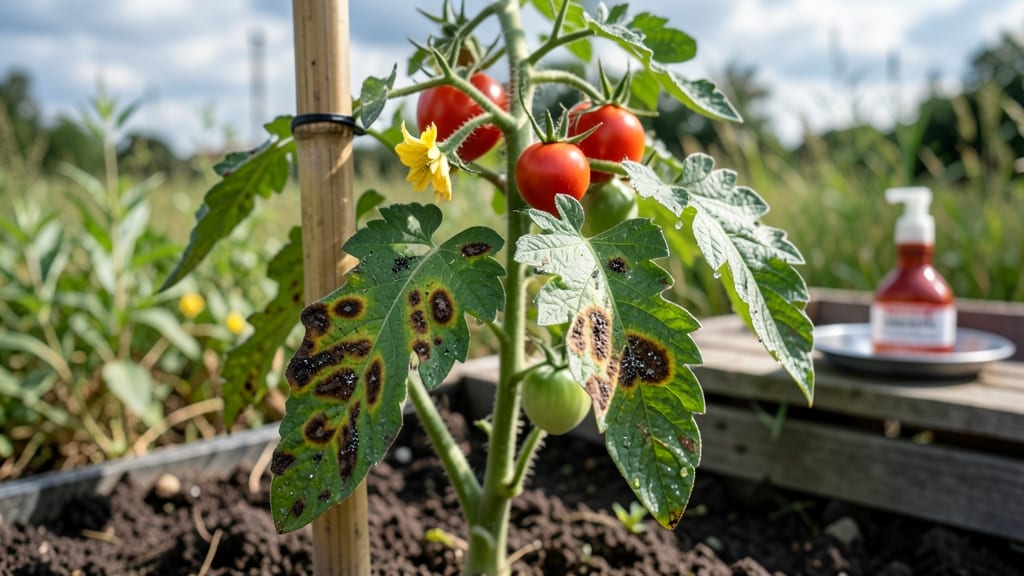
Those ugly brown spots on your tomato leaves aren’t just unsightly—they’re stealing your harvest. 🌱 I’ve lost entire plants to fungal blight, but copper spray saved my tomatoes last summer, and I’m sharing exactly how to stop the spread before it’s too late.
The spots usually start as tiny dots near the edges of lower leaves, then spread in concentric rings. Early blight loves crowded plants and overhead watering, while late blight creates greasy-looking lesions that spread faster in humid weather.
The key is acting fast—once the spots hit the fruit, it’s game over. With copper spray, you’ll see new growth emerge within 7-10 days if you catch it early. The formula kills spores on contact while being safe for bees and beneficial insects.
I’ve also included my go-to preventive mix that keeps plants thriving all season. Works for garden beds, containers, and even greenhouse tomatoes. Let’s get those leaves healthy again!
Root Causes Of Leaf Discoloration
When your tomato plants start showing brown spots on leaves, it’s often a sign of stress or infection—but don’t panic! Understanding the why behind these spots is the first step to saving your harvest.
Below, we break down the most common culprits, from environmental factors to fungal invaders, with clear explanations and actionable insights.
Fungi are the #1 cause of brown spots on tomato leaves, thriving in warm, humid conditions. These pathogens don’t just ruin aesthetics—they weaken plants, reduce yields, and can even kill your tomatoes if left unchecked.
- Early Blight (Alternaria solani):
This fungal disease causes target-like brown spots with concentric rings, often starting at the lower leaves. It spreads via infected seeds, soil, or splashing water. Why it happens: Cool nights (50–60°F) followed by warm, humid days create the perfect breeding ground.
Spores survive in soil for years, waiting for the right conditions to attack.
- Late Blight (Phytophthora infestans):
A more aggressive cousin of early blight, late blight produces greasy, dark brown spots that spread rapidly.
It’s especially dangerous because it can infect both leaves and fruit. Why it happens: This fungus loves wet foliage (think morning dew or overhead watering) and temperatures between 60–75°F. It’s also notorious for jumping from infected plants to healthy ones via wind or water.
- Septoria Leaf Spot (Septoria lycopersici):
Small, round brown spots with tiny black dots in the center (fungal fruiting bodies) are the trademark of this disease. Why it happens: It thrives in high humidity and poor air circulation, often appearing in crowded plantings or after heavy rain.
Unlike blights, it doesn’t spread as fast but can defoliate plants over time.
💡 Pro Tip: Fungal spores are always present in the environment—it’s the right conditions (moisture + warmth) that trigger outbreaks. Rotate crops yearly and avoid overhead watering to disrupt their lifecycle.
While fungi get most of the blame, bacteria can also cause brown spots—often with a yellow halo and water-soaked edges. These infections are harder to treat because they spread quickly and can survive in plant debris.
- Bacterial Spot (Xanthomonas perforans or Pseudomonas syringae):
Tiny, watery brown spots that enlarge with a dark center and yellow border are classic signs. Why it happens: Bacteria hitchhike on wind, rain, or contaminated tools and thrive in warm, wet conditions (75–90°F). They also love injured leaves (e.g., from hail or pruning), making entry easy.
🔥 Warning: Unlike fungi, bacterial infections cannot be cured—only managed. Remove infected leaves immediately and sterilize pruners with 70% isopropyl alcohol to prevent spread.
Not all brown spots mean disease! Sometimes, your tomato plants are just reacting to their environment. Here’s how to spot the difference:
- Sun Scorch 🔥:
Crispy, brown edges on leaves (especially on young plants) often mean too much direct sunlight. Why it happens: Tomatoes need gradual acclimation to sun (“hardening off”). Sudden exposure to intense heat (above 90°F) causes oxidative stress, drying out leaf edges. Shade cloth or afternoon shade can prevent this.
- Water Stress 💦:
Uneven watering leads to brown, crunchy spots (underwatering) or yellowing with brown tips (overwatering). Why it happens:
- Underwatering: Roots can’t supply enough moisture, causing leaf desiccation (drying out).
- Overwatering: Soggy soil cuts off oxygen, leading to root rot and nutrient deficiencies.
- Chemical Burns 🧪:
Brown spots with irregular, scorched edges might mean fertilizer burn or pesticide residue. Why it happens: Overapplying nitrogen or using synthetic fertilizers without diluting them properly can damage leaf cells. Even “organic” sprays (like copper soap) can burn if applied too concentrated or in direct sunlight.
🌡️ Quick Fix: Check the soil moisture with your finger—top 1–2 inches should be dry before watering. For chemical burns, flush the soil with water and avoid further applications until new growth appears.
Some brown spots aren’t from pathogens at all—they’re dinner leftovers from hungry pests. Look for:
- Chewing Damage:
Irregular, ragged brown holes (not spots) are often from tomato hornworms, cutworms, or grasshoppers. Why it happens: These pests target soft new growth and leave behind frass (insect poop) and skeletonized leaves.
- Sap-Sucking Pests:
Brown or yellow spots with sticky residue (honeydew) may mean aphids, whiteflies, or spider mites. Why it happens: These pests inject toxins while feeding, causing necrotic (dead) tissue. Heavy infestations also attract sooty mold, a black fungal growth that further stresses the plant.
🎯 Solution: Inspect the undersides of leaves for pests. A strong spray of water or neem oil can dislodge many insects. For hornworms, handpick them (they’re giant—easy to spot!).
Fixing Brown Spots on Tomato Leaves
Now that you know the culprits behind those pesky brown spots—whether it’s fungal diseases like early blight, late blight, or Septoria leaf spot, or environmental stressors like sunscald or nutrient deficiencies—it’s time to roll up your sleeves and get your tomato plants back to their vibrant best.
Here’s a practical, step-by-step guide to treating and preventing brown spots, tailored to each cause.
Fungal infections like early blight (Alternaria solani) or late blight (Phytophthora infestans) thrive in damp, warm conditions. The good news? Copper-based sprays are your first line of defense—and they’re effective, organic, and easy to use.
🔥 Step 1: Remove Infected Leaves
Action: Snip off and dispose of (not compost!) any leaves with brown spots. Fungi spread via spores, so containment is key. Pro Tip: 💡 Use sterilized pruners (wipe with rubbing alcohol) to avoid cross-contamination.
🍳 Step 2: Apply Copper Fungicide
Action: Mix a copper fungicide (like Bordeaux mixture or copper sulfate) according to package instructions. Spray both sides of leaves and the stems, focusing on the undersides where spores love to hide. Frequency: Apply every 7–10 days during wet or humid conditions.
For severe cases, spray preventatively at the first sign of spots. Pro Tip: 🌡️ Apply in the early morning or late afternoon to avoid burning leaves in direct sunlight.
👨🍳 Step 3: Improve Air Circulation
Action: Thin out crowded plants and space them 18–24 inches apart. Use stakes or cages to elevate plants and prevent foliage from touching the soil. Why? Fungi spread faster in humid, stagnant air. Good airflow = fewer spores.
⏰ Step 4: Rotate Crops & Sanitize Tools
Action: If you’ve had fungal issues before, avoid planting tomatoes (or nightshades like peppers/eggplants) in the same spot for 2–3 years. Sterilize tools, pots, and containers with a 10% bleach solution (1 part bleach to 9 parts water).
If your tomato leaves are crispy with brown, sunken spots (especially on lower leaves), sunscald or heat stress is likely the culprit. These issues are preventable with a few simple adjustments.
🔪 Step 1: Provide Shade Cloth
Action: If your plants are exposed to intense afternoon sun, drape 30–50% shade cloth over them during peak heat (11 AM–4 PM). Pro Tip: 🎯 For container tomatoes, move pots to a shadier spot temporarily.
🥘 Step 2: Mulch & Water Deeply
Action: Apply 2–3 inches of mulch (straw or grass clippings) to keep soil moist and cool. Water deeply at the base (1–2 inches per week) rather than shallowly. Why? Dry, hot soil = stressed roots = crispy leaves.
💡 Step 3: Adjust Planting Location
Action: If your garden gets scorching afternoon sun, consider:
- Planting tomatoes near taller crops (like corn or sunflowers) for natural shade.
- Using white or light-colored mulch to reflect heat.
Brown spots from magnesium (potassium) or nitrogen deficiencies respond well to targeted soil amendments. Here’s how to diagnose and treat:
| Symptom | Likely Cause | Solution |
|---|---|---|
| Yellow-brown edges | Potassium deficiency | Side-dress with wood ash or use a balanced fertilizer (5-10-10). |
| Pale, weak leaves | Nitrogen deficiency | Add compost, fish emulsion, or blood meal. |
| Crinkled, brown tips | Magnesium deficiency | Sprinkle Epsom salt (1 tbsp per gallon of water) every 2 weeks. |
Pro Tip: 🔥 Test your soil (DIY kits are cheap!) to confirm deficiencies before amending.
Once your tomatoes are healthy again, keep them that way with these long-term strategies:
- 🌿 Companion Planting: Interplant tomatoes with basil, marigolds, or onions—these repel pests and improve airflow.
- 💧 Water Wisely: Use drip irrigation or soaker hoses to keep leaves dry (fungi love damp foliage).
- 🌱 Crop Rotation: Never plant tomatoes in the same spot year after year.
- 🍅 Start Strong: Use disease-resistant varieties (like ‘Mountain Merit’ or ‘Celebrity’ tomatoes).
- 🧼 Clean Up: Remove all plant debris in fall to eliminate fungal overwintering spots.
Brown spots might seem like a death sentence, but with quick action and consistent care, your tomato plants can bounce back—often stronger than before. Monitor daily, adjust as needed, and soon you’ll be harvesting plump, juicy tomatoes instead of battling blight! 🍅✨
Frequently asked questions
Why do my tomato leaves get brown spots even when I water regularly?
Brown spots with regular watering often signal fungal diseases like early blight or Septoria leaf spot. These thrive in humid conditions, not just dryness. Check for concentric rings or black dots—classic fungal signs. Copper spray and better airflow can help.
Can I still eat tomatoes if the leaves have brown spots?
It depends! If spots are from early blight (lower leaves), fruit is usually safe. But late blight (greasy spots) or bacterial infections can spread to tomatoes—discard affected fruit immediately. When in doubt, remove spotted leaves and monitor fruit closely.
How do I tell if brown spots are from disease or just sunburn?
Sunburn shows as crispy, dry edges on leaves exposed to intense afternoon sun, while disease spots often have dark centers, yellow halos, or concentric rings. Check leaf undersides for fungal growth. Move plants to shade for sunburn; prune and treat for disease.
Will removing spotted leaves stop the problem completely?
No—removing leaves helps, but spores remain in soil and air. For fungal issues, combine pruning with copper fungicide and improve airflow. Bacterial spots can't be cured, so focus on prevention: sterilize tools and avoid overhead watering.
Are there any organic sprays that work better than copper?
For fungal issues, neem oil (preventative) or baking soda spray (1 tbsp baking soda + 1 tsp oil per gallon) can help. However, copper remains the most effective organic treatment for established infections. Always test sprays on a small leaf first.