
How To
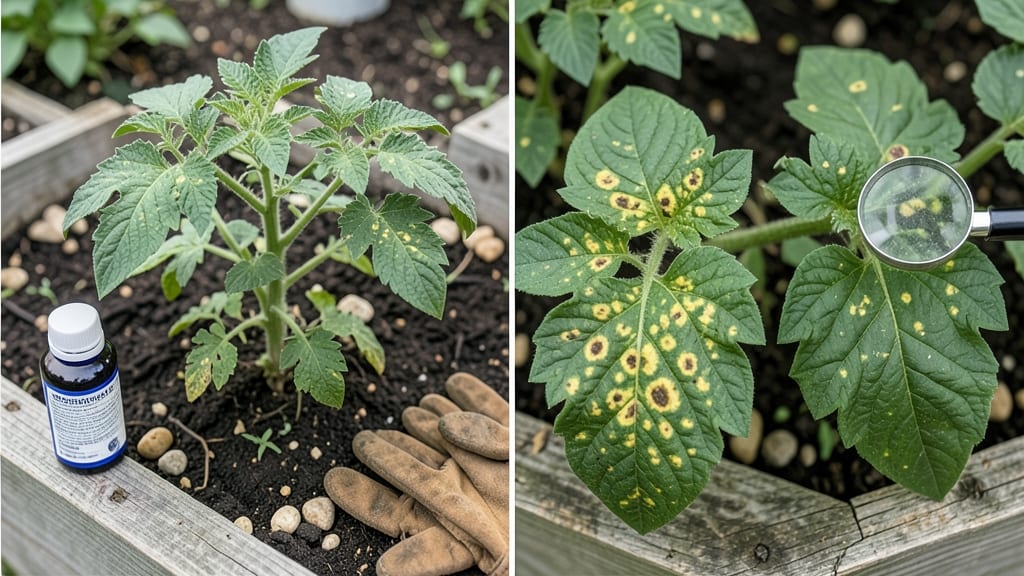
When your tomato leaves have yellow spots, your plants are screaming for help—often before the fruit even shows signs. 🌱 I’ve seen this ruin entire harvests, but the good news?
Most causes have fast fixes that work in days, not weeks. The key is spotting the difference between nutrient issues, fungal infections, and environmental stress before it spreads.
First, check the spots: Are they dry and brown (early blight), greasy-looking (bacterial spot), or surrounded by yellow halos (nutrient deficiency)? Early blight starts at the lower leaves and spreads upward, while nutrient issues often appear on younger leaves first.
My rule of thumb? Act within 48 hours—that’s when the difference between saving and losing your plants happens.
For fungal issues, prune infected leaves immediately and spray with a mix of 1 tablespoon baking soda, 1 quart water, and a few drops of dish soap. For nutrient deficiencies, a balanced organic fertilizer (like fish emulsion) works wonders in 3-5 days.
The goal isn’t just to stop the spots—it’s to keep your plants producing healthy, disease-free fruit all season.
Prevention is where the real magic happens: rotate crops yearly, water at the base (not overhead), and pick up fallen leaves daily. Trust me, these small habits cut down on yellow spots by 80% next season. Let’s get those tomatoes back to their vibrant green selves—fast.
Root Causes Behind Yellow Spots
Yellow spots on tomato leaves aren’t just a cosmetic issue—they’re your plants’ way of signaling distress. Whether it’s a nutrient deficiency, pest attack, or environmental stress, understanding the why behind these spots is the first step to saving your harvest.
Below, we break down the most common culprits, backed by science, so you can diagnose—and fix—the problem fast.
When tomato leaves develop yellow spots, waterlogged soil is often the silent villain. Roots suffocate in soggy conditions, starving the plant of oxygen and nutrients. This triggers a process called chlorosis—where chlorophyll breaks down, leaving yellow patches, especially on lower leaves.
Here’s the science: Excess moisture disrupts the plant’s ability to absorb iron and manganese, two critical nutrients for chlorophyll production. Over time, these deficiencies spread upward, turning leaves pale or spotted.
Actionable fix:
- ✅ Test your soil: Stick your finger 2 inches deep—if it’s damp after 24 hours, you’re overwatering.
- ✅ Improve drainage: Mix in perlite or compost to aerate heavy clay soil.
- ✅ Water wisely: Only water when the top inch of soil is dry, and avoid overhead sprinkling (it promotes fungal diseases too).
Yellow spots between leaf veins? Your tomatoes might be screaming for micronutrients. Iron and manganese deficiencies are classic causes, especially in alkaline soils (pH > 7.0), where these nutrients become locked and unavailable.
Why? These minerals are essential for chlorophyll synthesis. Without them, older leaves (which transport nutrients to new growth) turn yellow first, often with green veins—a telltale sign of interveinal chlorosis.
Actionable fix:
- ✅ Lower soil pH: Add sulfur or chelated iron (like iron sulfate) to acidic soil amendments.
- ✅ Foliar spray: Mix 1 tsp iron chelate + 1 gallon water and spray leaves every 7–10 days.
- ✅ Feed smart: Use a balanced fertilizer (10-10-10) with micronutrients, or switch to fish emulsion for organic boost.
Tiny invaders like spider mites and aphids don’t just suck sap—they leave behind yellow stippling (tiny dots) as they feed. These pests inject toxins that disrupt chlorophyll, causing leaves to yellow and eventually crisp.
Spider mites thrive in dry, dusty conditions, while aphids cluster on new growth. Both weaken plants, making them susceptible to secondary infections.
Actionable fix:
- ✅ Inspect leaves: Hold a white sheet under the plant and shake—falling pests confirm an infestation.
- ✅ Blast them off: Spray leaves with a strong stream of water to dislodge pests.
- ✅ Natural remedies:
- 🌿 Neem oil: Mix 1 tbsp neem oil + 1 tsp soap + 1 quart water and spray (reapply weekly).
- 🍋 Pepper spray: Blend 1 chili pepper + 1 quart water, strain, and spray (wear gloves!).
- ✅ Prevent recurrence: Increase humidity with a hose mist or mulch to retain moisture.
If yellow spots appear on upper leaves exposed to direct sunlight, your tomatoes might be sunburned. Intense heat (especially above 90°F/32°C) causes photooxidative stress, damaging chlorophyll and creating bleached or yellow patches.
Young, tender leaves are most vulnerable. Heat stress also accelerates water loss, leading to wilting and further nutrient deficiencies.
Actionable fix:
- ✅ Provide shade: Use shade cloth (30–50%) during peak afternoon sun.
- ✅ Mulch heavily: Straw or wood chips keep roots cool and retain moisture.
- ✅ Water deeply: Soak soil at dawn or dusk to reduce evaporation.
- ✅ Avoid fertilizing in heat: High nitrogen can stress plants further—wait until temps drop.
Yellow spots with concentric rings or dark borders? Fungal diseases like early blight (Alternaria solani) or Septoria leaf spot (Septoria lycopersici) are likely culprits. These pathogens thrive in humid, wet conditions and clog stomata (leaf pores), blocking nutrient uptake.
Fungi release toxins that destroy chlorophyll, creating target-like lesions. Left unchecked, they spread to stems and fruit, reducing yields.
Actionable fix:
- ✅ Remove infected leaves: Prune and dispose of them in the trash (not compost).
- ✅ Improve airflow: Space plants 18–24 inches apart and prune suckers to reduce humidity.
- ✅ Copper fungicide: Spray copper hydroxide (like Bordeaux mixture) every 10–14 days as a preventive.
- ✅ Rotate crops: Avoid planting tomatoes in the same spot next year—fungi persist in soil.
Pro Tip: 💡 Keep a plant journal! Note when spots appear, weather conditions, and treatments. Patterns (like spots after rain) help you predict and prevent future issues.
Quick Fixes for Yellow Spots on Tomato Leaves
Yellow spots on tomato leaves can be frustrating, but the good news is that most causes have simple, effective solutions. Whether it’s a nutrient deficiency, fungal infection, or environmental stress, taking action early can save your plants—and your harvest!
Below are practical, step-by-step fixes tailored to the most common culprits, plus tips to keep your tomatoes thriving.
If yellowing is caused by a lack of key nutrients, your tomatoes need a targeted boost. Here’s how to diagnose and treat the most common deficiencies:
🔥 Magnesium Deficiency (Yellow Edges & Spots)
Signs: Yellow patches between leaf veins, often starting on older leaves. Fix: - Apply Epsom salt: Mix 1 tablespoon of Epsom salt (magnesium sulfate) in 1 gallon of water.
Spray the solution onto the leaves and soil every 2–3 weeks until symptoms improve. - Use compost or worm castings: Work 2–3 inches of well-aged compost into the soil around the base of the plant to replenish magnesium naturally. - Avoid overwatering: Too much water flushes nutrients away—stick to 1–1.5 inches per week (including rain).
💡 Pro Tip: If your soil is sandy or acidic, magnesium may leach out faster—consider a slow-release fertilizer with magnesium (like 5-10-10) for long-term prevention.
🍳 Nitrogen Deficiency (Pale Yellow Leaves, Stunted Growth)
Signs: Overall yellowing (chlorosis) starting on older leaves, weak stems, or slow growth. Fix:
- Use a balanced fertilizer: Apply a high-nitrogen fertilizer (like 10-10-10 or blood meal) at half strength every 2–3 weeks during the growing season.
- Add coffee grounds: Sprinkle used coffee grounds (dried) around the base—they’re rich in nitrogen. Avoid fresh grounds, as they can burn roots!
- Mulch with grass clippings: A thin layer of dried grass clippings (not wet) breaks down quickly, releasing nitrogen.
⚠️ Warning: Too much nitrogen = lush leaves but few tomatoes. Balance with phosphorus (for roots) and potassium (for fruit).
👨🍳 Potassium Deficiency (Yellow Leaf Edges, Weak Plants)
Signs: Yellowing or browning at the edges of older leaves, weak stems, or poor fruit development. Fix:
- Use banana peels or wood ash: Bury crushed banana peels (rich in potassium) near the roots or sprinkle wood ash (1 cup per plant) around the base.
- Apply a potassium-rich fertilizer: Choose a low-nitrogen, high-potassium fertilizer (like 0-0-50) and apply every 4–6 weeks.
- Compost tea: Brew compost tea (steep compost in water for 24 hours, strain) and use as a foliar spray or soil drench.
🌡️ Heat & Stress Tip: Potassium helps plants resist heat stress—water deeply in the morning to reduce evaporation and lock in nutrients.
If yellow spots are oily, greasy, or accompanied by black/moldy patches, a fungal infection (like early blight or septoria leaf spot) is likely. Act fast to prevent it from spreading!
🔪 Prune & Remove Infected Leaves
- Cut off affected leaves with sterilized scissors (wipe with rubbing alcohol between cuts).
- Do not compost infected plant material—toss it in the trash to prevent reinfection.
- Space plants properly: Ensure 18–24 inches between tomato plants for airflow (fungi thrive in humidity).
🥘 Natural & Chemical Fungicides
| Method | How to Use | Frequency |
|---|---|---|
| Baking soda spray | Mix 1 tsp baking soda + 1 tsp oil + 1 tsp dish soap in 1 quart water. Spray leaves (avoid fruit). | Every 7–10 days |
| Neem oil | Mix 1 tbsp neem oil + 1 tsp soap in 1 quart water. Spray evenly on both sides of leaves. | Every 5–7 days (rotate with copper) |
| Copper fungicide | Use liquid copper spray (follow label). Avoid spraying in direct sun (can burn leaves). | Every 10–14 days |
| Milk spray | Mix 1 part milk to 9 parts water. Spray leaves (milk contains fungus-fighting compounds). | Every 5–7 days |
✨ Prevention Tip: Water at the base (not overhead) and remove lower leaves that brush the soil to reduce spore splash.
Sometimes, yellow spots appear due to overwatering, sunburn, or poor drainage. Adjusting your care can reverse the damage quickly.
💧 Overwatering or Poor Drainage
- Check soil moisture: Stick your finger 1–2 inches deep—if it’s soggy, wait to water.
- Improve drainage: Amend soil with perlite or coarse sand (20% mix) to prevent waterlogging.
- Use containers with drainage holes if growing in pots.
☀️ Sunburn or Heat Stress
- Provide afternoon shade with a lightweight shade cloth (30–50%) during peak heat (12–4 PM).
- Mulch with straw or grass clippings to keep roots cool and retain moisture.
- Water deeply in the morning to reduce evaporation and stress from wilting.
🌡️ Temperature & Humidity Swings
- Avoid cold drafts (like near AC units or open windows at night).
- Use a humidity tray (fill a shallow tray with pebbles and water) under pots to add moisture if your home is dry.
Once you’ve treated the issue, prevent recurrence with these habits:
- Rotate crops: Plant tomatoes in a different spot each year to prevent soil-borne diseases.
- Test your soil: Use a DIY soil test kit (or send to a lab) to check pH and nutrient levels—tomatoes prefer pH 6.0–6.8.
- Feed regularly: Use a balanced fertilizer (like 5-5-5) every 4–6 weeks during the growing season.
- Monitor pests: Aphids and spider mites can cause yellowing—spray with soapy water (1 tsp mild soap per quart) if you spot them.
Final Thought: Most yellow-spotted tomato leaves recover within 2–4 weeks with the right care. Stay consistent, and your plants will bounce back—ready for a bountiful harvest! 🍅🌿
Frequently asked questions
What's the difference between yellow spots from pests vs. nutrient deficiencies?
Pest-related yellowing (like from spider mites or aphids) often shows as tiny stippling dots or irregular patches with visible pests underneath. Nutrient deficiencies create more uniform yellowing—especially between leaf veins (iron/manganese) or along leaf edges (magnesium/potassium). Check for webs (mites) or sticky residue (aphids) to confirm pests.
Can I still eat tomatoes if the leaves have yellow spots?
Yes, but only if the spots are from nutrient deficiencies or environmental stress. If the issue is fungal disease (like early blight) or chemical sprays, avoid eating fruit from affected plants. Always wash tomatoes thoroughly before eating, regardless of leaf health.
How often should I check my tomato plants for yellow spots?
Inspect leaves every 3-5 days during the growing season, especially after rain or when using new fertilizers. Early detection is key—catching issues before they spread prevents them from becoming unmanageable. Use a magnifying glass for tiny pest damage or fungal spots.
Will yellow leaves always grow back green?
Not always. If the yellowing is from severe nutrient deficiency or fungal infection, some leaves may stay damaged. However, with proper treatment (like Epsom salt for magnesium or copper spray for fungus), new growth should emerge green and healthy within 2-4 weeks. Focus on keeping the plant healthy for future leaves.
Can I use household items to fix yellow spots?
For nutrient deficiencies, try Epsom salt spray (1 tbsp/gallon) for magnesium or banana peels buried near roots for potassium. For fungal issues, mix 1 tsp baking soda + 1 tsp oil + 1 tsp soap in a quart of water. Always test small areas first to avoid burning leaves.