
Plants
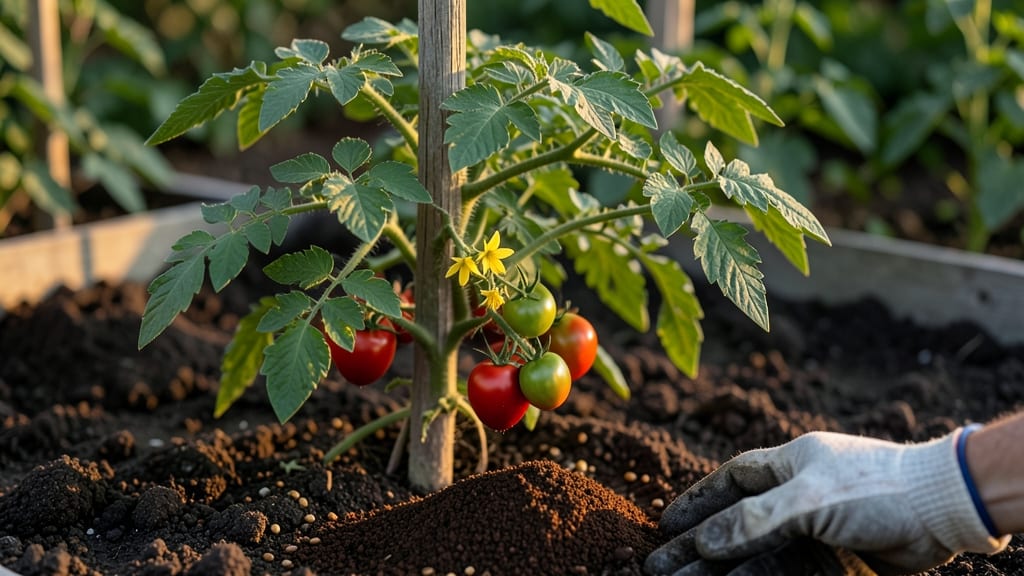
Coffee grounds help tomato plants by improving soil acidity, providing nitrogen-rich organic matter, and deterring pests like slugs, though they should be used sparingly to avoid over-acidifying the soil or attracting mold.
Tomatoes thrive in slightly acidic soil (pH 6.0–6.8), and coffee grounds naturally lower pH levels while breaking down to release nitrogen—a key nutrient for leafy growth. 🌱 The caffeine in grounds acts as a natural pest deterrent, keeping slugs and snails away from your plants.
However, too much can create a nitrogen-heavy environment that promotes leaf growth at the expense of fruit production, so balance is key.
For best results, mix used grounds into compost or sprinkle lightly around the base of plants (about 1–2 cups per plant monthly). Avoid piling them directly on stems, as they can compact and suffocate roots.
If your soil tests too acidic, you can neutralize it by adding a pinch of lime to the mix.
I’ve seen firsthand how a little coffee magic can transform struggling tomato plants—just remember, moderation is everything in the garden! 💫
💡 In This Article
- How Coffee Grounds Benefit Tomato Plant Growth
- Best Practices for Using Coffee Grounds in Tomato Gardens
How coffee grounds benefit tomato plant growth
Coffee grounds work their magic on tomato plants primarily through three key mechanisms: nitrogen enrichment, soil acidity adjustment, and natural pest deterrence. When grounds decompose, they release nitrogen—a critical nutrient for leafy growth—through microbial breakdown, similar to how compost works.
Tomatoes need nitrogen most during their early vegetative stage, but too much later can delay fruiting. The ideal soil pH for tomatoes is 6.0–6.8, and coffee grounds (which typically have a pH of 6.2–6.8) help maintain this slightly acidic range without over-acidifying.
The caffeine in coffee grounds acts as a natural slug and snail repellent, creating a barrier these pests avoid.
Studies show caffeine disrupts mollusks' feeding behavior by interfering with their mucus production, making the grounds an eco-friendly alternative to chemical deterrents. 🌱 However, the caffeine content varies—used grounds contain about 0.1–0.2% caffeine, while fresh grounds have up to 2%**, but the pest-repellent effect remains effective even after decomposition begins.
The texture of grounds also improves soil aeration when mixed lightly into the top inch of soil, preventing compaction that can suffocate roots.
What most gardeners don't realize is how coffee grounds stimulate beneficial soil microbes. The organic matter feeds decomposers like bacteria and fungi, which in turn break down nutrients into forms tomato roots can absorb.
This microbial activity creates a more vibrant soil ecosystem, though it requires moisture to work effectively—dry grounds can form a crust that repels water.
The key is balance: while nitrogen boosts growth, too much can lead to "luxuriant leafiness" where plants produce abundant foliage but fewer tomatoes, a phenomenon called "nitrogen burn."
For the best results, use grounds that have already been brewed and cooled—hot grounds can scorch tender roots.
The grounds should be mixed into the soil or compost rather than piled around stems, as they can mat and trap moisture, creating conditions ripe for fungal growth. 💫 A general rule is to apply 1–2 cups of grounds per plant monthly, but this depends on your soil's existing nitrogen levels and pH. If your tomatoes show signs of yellowing leaves (a classic nitrogen deficiency symptom), grounds can provide a quick fix, but always pair them with a soil test to avoid overdoing it.
One surprising benefit is the slow-release nature of coffee grounds' nutrients. Unlike synthetic fertilizers that deliver a quick but short-lived boost, grounds release nitrogen gradually over 2–4 weeks, providing a steady supply without the risk of nutrient burnout.
This makes them particularly useful for container-grown tomatoes, where soil volume is limited. The dark color of grounds also helps absorb sunlight, slightly warming the soil—a subtle but helpful boost in cooler climates.
To maximize these benefits, pair coffee grounds with other organic amendments like compost or worm castings. The combination creates a nutrient-rich environment where tomatoes can thrive without the risk of over-acidification.
For example, mixing grounds with 1 part lime to 10 parts soil can neutralize any excess acidity while still providing nitrogen. 🔥