
Blooming
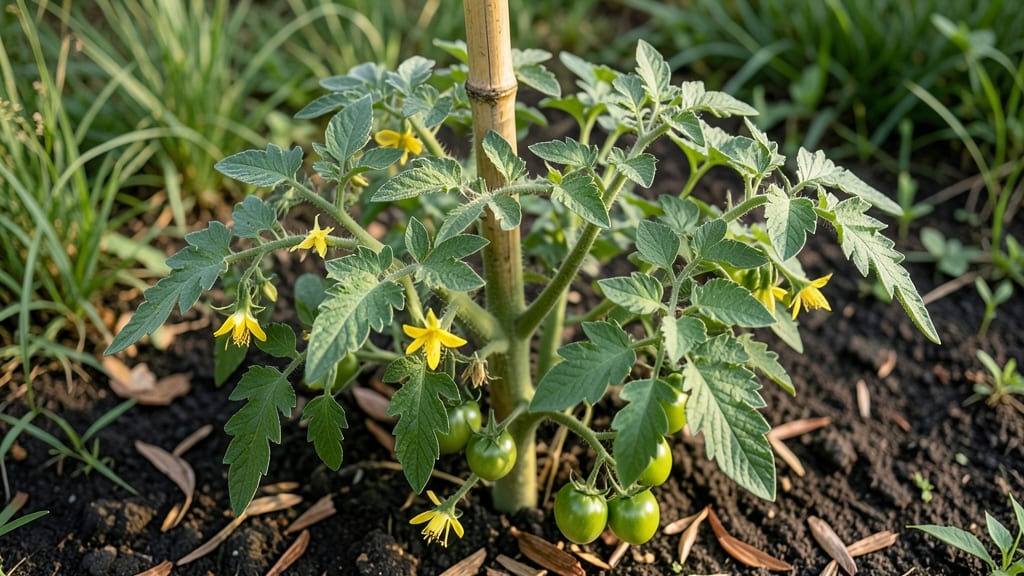
When tomato blossoms appear but vanish without fruit, your plant is whispering for help. 🌱 I’ve seen this happen with even the healthiest-looking plants—until I learned the pruning secrets that turn those pretty flowers into a bountiful harvest.
The key isn’t just cutting branches; it’s understanding how your plant directs its energy, and where it’s wasting it.
Most gardeners prune too late or too aggressively, stressing the plant when it’s already struggling. The right technique—removing suckers early, thinning crowded stems, and opening up airflow—lets your tomato focus on what matters: setting fruit.
I’ve gone from half-empty vines to overflowing baskets just by making a few strategic cuts in the right spots.
You’ll end up with stronger stems, more consistent fruit set, and fewer dropped blossoms—no more guessing games. The best part? These pruning tweaks work for both determinate (bush) and indeterminate (vining) tomatoes, so you’re covered no matter what variety you grow.
Fair warning: this isn’t a one-time fix. You’ll need to check your plants weekly during peak blooming season, but the payoff—heavier harvests with fewer empty flowers—makes it worth the effort. Let’s get those blossoms turning into tomatoes!
📚 In This Guide
- What you need
- Instructions
- Tips and common mistakes
- Wrapping up and next steps
What you need
- ● Tomato plants – Choose determinate (bush) or indeterminate (vining) varieties (e.g., Roma, Cherry, Beefsteak).
- ● Pruning shears – Bypass pruners (sharp, clean-cutting) or felco pruners (for precision).
- ○ Garden gloves – Heavy-duty, cut-resistant (optional but recommended).
- ● Compost or fertilizer – Balanced 10-10-10 or tomato-specific blend (follow package instructions).
- ● Watering can or hose – With a gentle spray nozzle to avoid damaging blossoms.
- ● Disinfectant spray (70% isopropyl alcohol) – To sterilize pruners between cuts.
- ● Plant ties or stakes – For indeterminate varieties to support growth.
- ● Epsom salt – 1 tablespoon per gallon of water (for magnesium boost).
- ● Shade cloth – Lightweight (30-50%) to protect blossoms from extreme heat.
- ● Sunny location – 6+ hours of direct sunlight daily.
- ● Well-draining soil – pH 6.0–6.8 (test kit recommended).
- ● Patience! – Pruning takes time; start early (when plants are 12–18 inches tall).
Pruning secrets to boost tomato blossoms and fruit
Here’s how to turn those early flowers into a bountiful harvest by pruning strategically.
✂️ Step 1: Identify and Remove Suckers Early
Suckers are the small shoots growing in the joint between the main stem and a branch. These compete with your fruit for energy, so pinch them off when they’re no bigger than a pencil—this redirects growth to blossoms and developing tomatoes. I always check for suckers twice weekly during peak growth, especially in warm weather when they appear faster.
Use your thumb and forefinger to gently squeeze the sucker at its base until it snaps cleanly. Avoid tearing the stem, which can invite disease. If you miss a sucker, it’ll grow into a vigorous branch that steals energy from your fruit clusters. Think of this as shaping your plant’s energy—less foliage means more resources for blossoms.
☀️ Step 2: Prune Lower Leaves for Airflow and Sunlight
Remove the bottom 12 inches of leaves once your plant reaches 18-24 inches tall. This prevents soil-borne diseases from splashing onto foliage and improves airflow, which keeps blossoms healthy. I use clean, sharp pruners to cut just above a leaf joint to avoid leaving stubs that can rot.
Don’t overdo it—leave enough leaves to shade developing fruit from sunburn. If you see yellowing leaves at the base, that’s your cue to prune them immediately. The goal is to balance sun exposure with foliage health, ensuring blossoms get the light they need to set fruit.
✂️ Step 3: Thin Fruit Clusters for Larger Tomatoes
Once your tomato plant has 5-7 blossom clusters, thin each cluster to 3-5 flowers per stem. Overcrowded fruit competes for nutrients, leading to small, underdeveloped tomatoes. I remove excess blossoms by gently twisting them off—no need for pruners here. Focus on keeping the largest, healthiest blossoms per cluster.
If you’re growing determinate varieties (bush tomatoes), you can leave more fruit since they naturally stop growing. But for indeterminate varieties, aggressive thinning ensures bigger, juicier tomatoes. Watch for new blossoms forming—if you see more than you can support, thin again in 7-10 days.
🌱 Step 4: Support and Train Vines for Optimal Growth
As your plant grows, guide the main stem along a sturdy cage or trellis to prevent sprawling. Remove any side shoots that grow below the first fruit cluster—these drain energy without contributing to yield. I tie the main stem loosely to the support every 4-6 inches to keep it upright without restricting growth.
If your plant starts to lean or sag, adjust the ties immediately. A well-supported tomato plant directs its energy upward, where it can focus on producing more blossoms and fruit. Avoid tying too tightly—you want the stem to grow, not strangle.
💧 Step 5: Adjust Watering to Encourage Blossoming
Tomatoes need consistent moisture, but overwatering can lead to blossom-end rot or excessive foliage at the expense of fruit. Water deeply once or twice weekly, depending on your climate, and always at the base of the plant to keep leaves dry. I check soil moisture by sticking my finger 1-2 inches deep—if it’s dry, it’s time to water.
During hot spells, mulch around the base with 2-3 inches of organic mulch to retain moisture and cool roots. Stress from uneven watering causes blossoms to drop, so aim for steady hydration. If you notice flowers wilting in the heat, provide afternoon shade until they recover.
Tips & tricks for pruning tomato plants
These practical strategies will help you maximize your tomato plant's potential without sacrificing health or yield.
Timing is Everything: The twice-weekly sucker removal in Step 1 works best during the plant's exponential growth phase, typically when it reaches 12-18 inches tall. I've found that morning pruning (before 10am) gives plants the full day to recover and redirect energy to blossoms. Avoid pruning after sunset, as plants need several hours of daylight to heal and prevent disease entry points.
Visual Cues for Pruning: In Step 2, when removing the bottom 12 inches of leaves, look for leaves that are yellowing or have brown spots—these are your first targets. Healthy green leaves should remain to protect developing fruit from sunburn. For Step 3's fruit thinning, focus on keeping blossoms that are facing outward rather than inward—they'll receive more sunlight and develop better flavor.
Support System Strategy: For Step 4's vine training, I recommend using soft plant ties rather than wire or zip ties that can damage stems. The 4-6 inch spacing between ties allows the plant flexibility to grow while maintaining stability. If your plant starts to outgrow its support, add a second trellis or cage rather than forcing it to bend unnaturally—this prevents stem breakage during wind or rain.
Watering Wisdom: The 1-2 inch soil moisture check in Step 5 works best when done in the morning. If you're watering twice weekly, split the amount evenly between morning and evening to prevent evening moisture from lingering on leaves overnight. During heatwaves, I increase to daily watering but reduce the amount slightly to prevent root stress from soggy soil.
Pro Tips for Blossoms On Tomato Plants
- These practical strategies will help you maximize your tomato plant's potential without sacrificing health or yield.
- Timing is Everything: The twice-weekly sucker removal in Step 1 works best during the plant's exponential growth phas...
- Visual Cues for Pruning: In Step 2, when removing the bottom 12 inches of leaves, look for leaves that are yellowing ...
Frequently asked questions
Got questions about those delicate tomato blossoms? You’re not alone! Here are answers to the most common concerns—so you can turn those flowers into a bountiful harvest.
Why are my tomato blossoms falling off before fruiting?
This is often due to blossom drop, caused by temperature swings (below 55°F or above 90°F), poor pollination, or stress from overwatering. To fix it, ensure consistent moisture, protect plants from extreme temps, and gently shake plants to aid pollination.
When is the best time to prune tomato blossoms for more fruit?
Prune only after the first fruit sets (usually 4–6 weeks post-planting). Remove suckers (side shoots) and lower leaves to improve airflow and sunlight exposure. Avoid heavy pruning during flowering—focus on shaping the plant, not trimming blossoms.
Should I remove tomato blossoms to boost fruit size?
Only if your plant is overloaded with flowers (common in indeterminate varieties). Leave 5–7 blossom clusters per plant to avoid stress. Removing too many can reduce yield, but thinning excess flowers can help larger tomatoes develop.
What can I do if my tomato blossoms aren’t turning into fruit?
Check for pollination issues (wind, bees, or hand-pollination may help). Poor soil nutrients (especially phosphorus) or fungal diseases (like blight) can also halt fruiting. Test soil pH, fertilize with bloom booster, and treat diseases promptly.
Are there alternatives to pruning for better tomato blossoms?
Yes! Use cage supports to improve airflow, mulch to retain moisture, and apply calcium (like crushed eggshells) to prevent blossom-end rot. For indoor growers, LED grow lights with red/blue spectrums can mimic natural pollination cues.
Wrapping up and next steps
Watching your tomato plants burst into blossoms and later heavy with fruit is incredibly rewarding! 🌸 By mastering the art of strategic pruning—like removing suckers, thinning overcrowded foliage, and balancing growth—you’re not just boosting yield, you’re nurturing healthier, more productive plants.
Whether you’re a seasoned gardener or just starting, these techniques will help you turn those blossoms into a bountiful harvest.
Ready to put your new skills into action? Start by inspecting your plants this week, and don’t hesitate to experiment—every garden is unique! 🌱 Grab your pruners and get growing!