
How To
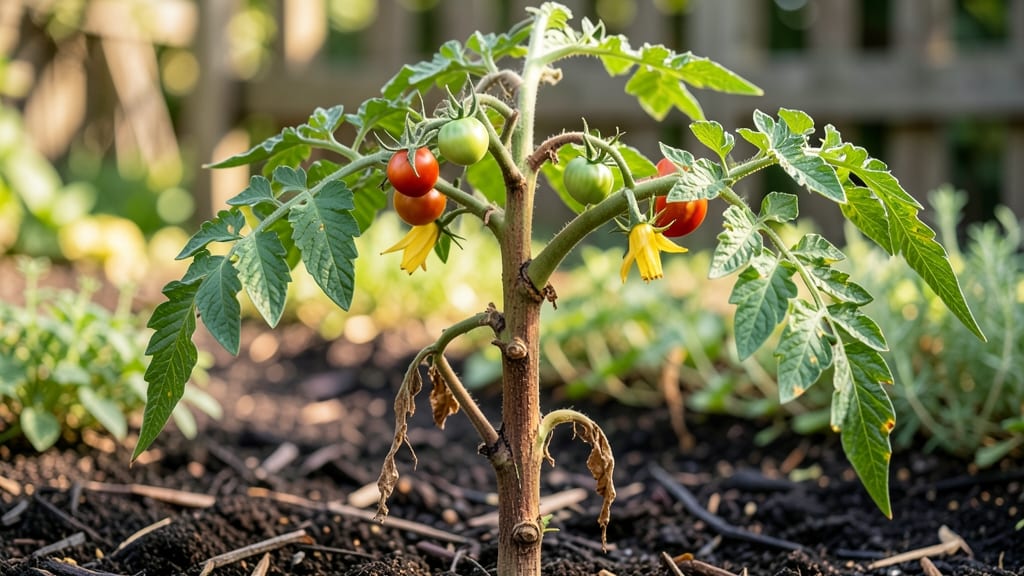
Brown tomato stems can turn your thriving plants into a sad, wilted mess overnight—but there’s a quick way to save them. 🌱 I’ve seen this happen after just one heavy rain or a scorching afternoon, and the good news is most cases aren’t hopeless.
The key is acting fast before the problem spreads to the fruit.
Most brown stems come from either too much water (root rot) or too little (sunscald), but fungal diseases like early blight or bacterial infections can also creep in. The brown edges on leaves?
That’s your first warning sign. If you catch it early, you can prune the damaged stems, adjust watering, and even use a simple fungicide spray to stop the spread.
By the time you’re done, your plants will look healthy again—no more wilting, no more brown patches—and you’ll have a foolproof system to keep them that way. The best part? You’ll save your tomatoes from turning mushy or splitting, so you get that juicy harvest you’ve been waiting for.
Works for both backyard gardens and container-grown tomatoes. Here’s how to diagnose the problem and get your plants back on track—before it’s too late.
Root Causes Of Stem Discoloration
Understanding why your tomato stems turn brown is the first step to saving your plants—and your harvest. Brown stems aren’t just a cosmetic issue; they often signal deeper problems that can stunt growth, reduce yield, or even kill your plants if ignored.
Below, we break down the most common culprits, backed by science, so you can diagnose and act fast.
Tomatoes love warmth, but too much direct sunlight—especially during scorching afternoons—can cause sun scorch. When stems and leaves absorb excessive heat, their cells rupture or dry out, leading to brown, crispy patches.
This is most common in: - Thin-skinned varieties (like cherry tomatoes) - Plants with sparse foliage (not enough leaves to shade stems) - Hot, dry climates (e.g., desert gardens or summer heatwaves)
Why it happens: The cuticle, a waxy layer on stems, acts as a protective barrier. When temperatures exceed 90°F (32°C), this layer breaks down, exposing delicate tissues to dehydration. Over time, the stems oxidize (turn brown) as cells die from heat stress.
Actionable clue: Check for brown spots that are dry to the touch and appear on exposed stems (not just leaves).
Tomatoes are thirsty but sensitive—too much or too little water can trigger stem browning through different mechanisms.
🔥 Underwatering (Drought Stress)
When soil dries out, roots struggle to absorb water, causing wilting and xylem collapse (the plant’s water-transport system).
As a result: - Vascular tissues (like straws inside stems) clog or rupture. - Brown, brittle stems develop as cells plasmolyze (shrink from dehydration). - Fruit may drop prematurely due to stress signals.
Why it happens: Underwatering triggers ethylene production, a plant hormone that accelerates aging and browning in stems. The lignin (a structural polymer) in stems also degrades, making them weak and discolored.
Actionable clue: Look for wilting leaves that don’t perk up after watering and soil that’s bone-dry 1–2 inches deep.
🌊 Overwatering (Root Rot & Oxygen Starvation)
Excess water drowns roots, cutting off oxygen and inviting fungal pathogens like Phytophthora or Fusarium.
Brown stems here are often soft, mushy, or dark brown/black, signaling: - Root rot (roots turn black and slimy). - Stem girdling (brown bands that constrict the stem, blocking nutrient flow).
Why it happens: In waterlogged soil, anaerobic bacteria thrive, producing toxins that disrupt cell membranes. The stem’s phloem (food-transport tissue) gets clogged, causing browning and necrosis (cell death).
Actionable clue: Gently pull a plant—if it slips out easily or smells rotten, overwatering is likely the culprit.
Pathogens are a major cause of brown stems, often spreading through wounds, splashing water, or contaminated tools. The two most common offenders:
🍄 Early Blight (Alternaria solani)
- Symptoms: Brown, concentric rings (like bullseyes) on stems and leaves.
- Why it happens: The fungus spores land on wet foliage, germinate, and penetrate stomata (leaf pores).
It secretes cellulases, enzymes that digest plant cell walls, causing browning and tissue death. - Actionable clue: Check lower leaves first—they’ll show spots before stems do.
🦠 Bacterial Wilt (Ralstonia solanacearum)
- Symptoms: Sudden wilting (even with moist soil), brown vascular streaks when you cut the stem.
- Why it happens: Bacteria clog xylem vessels with slime and dead cells, blocking water.
The stem’s vascular system turns brown as it rots internally. - Actionable clue: Squeeze the stem—if a milky, foul-smelling sap oozes out, it’s bacterial wilt.
- Mechanical injury (e.g., rough handling, hail, or tools) can bruise stems, exposing them to pathogens.
- Herbicide drift (from nearby weed killers) burns stems, causing bleached or brown patches as cells die from chemical damage.
Why it happens: Damaged cells release sugars, attracting fungi/bacteria. Herbicides disrupt cell membranes, leading to oxidative stress (browning).
Actionable clue: Look for irregular brown patches (not uniform) or discoloration near wounds.
Brown, blossom-end rot-like symptoms on stems (not just fruit) can signal calcium deficiency.
While blossom-end rot affects fruit, stem browning can occur when: - Calcium uptake is blocked (e.g., too much nitrogen, poor drainage, or root damage). - Cell walls weaken, leading to necrosis (dead, brown tissue).
Why it happens: Calcium stabilizes cell membranes. Without it, stems develop brown, corky lesions as cells collapse from poor structure.
Actionable clue: Test soil—pH >7.0 or high potassium can lock out calcium.
Pests like hornworms, aphids, or spider mites pierce stems, injecting toxins or spreading disease. Their saliva contains enzymes that discolor stems as they feed.
Why it happens:
- Aphids excrete honeydew, which fosters sooty mold (a black fungus that stains stems brown).
- Hornworms chew stems, creating entry points for bacteria.
Actionable clue: Inspect stems for tiny holes, webbing, or sticky residue.
Quick Fixes for Healthy Tomato Stems
Now that you know the root causes behind those unsightly brown tomato stems—whether it’s fungal infections, environmental stress, or poor watering habits—it’s time to take action! Below, we’ve broken down practical, step-by-step solutions tailored to each problem, plus prevention tips to keep your tomato plants thriving.
No more wilting or discolored stems—just lush, productive plants ready for harvest!
Fungal issues like early blight, late blight, or gray mold are the most common culprits behind brown, mushy, or spotted stems. Here’s how to stop the spread and restore your plants:
🔥 Step 1: Remove Infected Plant Parts
- Prune away any leaves, stems, or fruit showing brown spots, lesions, or mold immediately.
- Use clean, sharp pruners (disinfect with rubbing alcohol between cuts) to avoid spreading spores.
- Do not compost infected plant material—trash it instead to prevent reinfection.
🍳 Step 2: Apply Fungicidal Sprays
- Copper-based fungicides (like Cupric Hydroxide) or neem oil spray are organic and effective.
- Baking soda spray (1 tsp baking soda + 1 quart water + a drop of dish soap) can also help for early blight.
- Reapply every 7–10 days or after rain, as fungi thrive in damp conditions.
👨🍳 Step 3: Improve Air Circulation
- Space plants 18–24 inches apart to reduce humidity buildup.
- Prune lower leaves (up to 12 inches from the ground) to allow airflow and sunlight penetration.
- Avoid overhead watering—use a drip irrigation system or water at the base instead.
🌡️ Prevention Tips for Fungal Issues
✅ Rotate crops—don’t plant tomatoes in the same spot year after year. ✅ Solarize soil (cover with clear plastic for 4–6 weeks in hot sun) to kill fungal spores before planting. ✅ Choose resistant varieties like ‘Mountain Merit’ (blight-resistant) or ‘Defiant PhR’. ✅ Water in the morning so foliage dries quickly.
Brown, crispy, or shriveled stems often signal watering woes. Whether your plants are drowned or dehydrated, these fixes will revive them fast.
🔥 Step 1: Check Soil Moisture
- Stick your finger 1–2 inches into the soil. If it’s dry, water deeply. If it’s soggy, hold off until it drains.
- Avoid shallow watering—soak the root zone (6–8 inches deep) instead.
🍳 Step 2: Adjust Your Watering Schedule
- Morning watering (6–9 AM) is ideal—it reduces evaporation and fungal risk.
- Mulch heavily (2–3 inches of straw or wood chips) to retain moisture and cool roots.
- Use a moisture meter if you’re unsure—consistency is key!
👨🍳 Step 3: Fix Drainage Issues
- If soil stays waterlogged, amend it with compost or perlite to improve aeration.
- Raise beds slightly or plant in containers with drainage holes if your garden has poor soil.
- Avoid saucers under pots—they trap excess water, leading to rot.
🎯 Prevention Tips for Watering Stress
✅ Group plants with similar water needs (tomatoes need 1–2 inches per week). ✅ Monitor weather—adjust watering during heatwaves or droughts. ✅ Drip irrigation is the gold standard—it delivers water slowly and directly to roots.
Extreme temperatures or intense sunlight can cause stems to turn brown and brittle. Here’s how to shield your plants and bring them back to health.
🔥 Step 1: Provide Shade Cloth or Row Covers
- If stems look sunburned (bleached or crispy), drape lightweight shade cloth (30–50%) over plants in peak afternoon sun.
- Whitewash tomato cages with a mix of water and milk (1:10 ratio) to reflect sunlight.
🍳 Step 2: Protect from Cold Snaps
- Cover plants at night with frost blankets or old sheets if temps drop below 50°F (10°C).
- Move potted tomatoes indoors (near a sunny window or grow lights) if frost is forecasted.
👨🍳 Step 3: Boost Soil Health for Stress Resistance
- Add compost or worm castings to improve root strength and water retention.
- Fertilize lightly with a balanced organic fertilizer (10-10-10) to support recovery.
✨ Prevention Tips for Environmental Stress
✅ Plant in late spring (after the last frost) for a longer, cooler growing season. ✅ Use black plastic mulch to warm soil faster in cold climates. ✅ Choose heat-tolerant varieties like ‘Solar Fire’ or ‘Heatmaster’ for hot summers.
Brown, chewed, or torn stems? Pests, wildlife, or rough handling could be the culprit. Here’s how to repair and deter damage:
🔥 Step 1: Identify the Culprit
- Slugs/snails? Look for silver slime trails and ragged holes.
- Rats or rabbits? Check for gnawed stems or burrows near plants.
- Insects (hornworms, aphids)? Inspect leaves for chewed edges or sticky residue.
🍳 Step 2: Use Physical Barriers
- Copper tape around pots or beds repels slugs.
- Chicken wire or hardware cloth (1/4-inch mesh) keeps out rabbits and rodents.
- Row covers protect against flying insects like hornworms.
👨🍳 Step 3: Apply Natural Deterrents
- Diatomaceous earth (DE) kills soft-bodied pests like slugs (reapply after rain).
- Beer traps (bury a cup filled with beer) attract and drown slugs.
- Handpick pests early in the morning when they’re sluggish.
🎯 Prevention Tips for Physical Damage
✅ Harvest gently—support tomatoes with soft hands and baskets, not cloth bags that can tear stems. ✅ Remove hiding spots—clear debris where pests or animals might nest. ✅ Plant companion plants like basil, marigolds, or nasturtiums to deter pests.
If your tomato plant is already struggling, try this emergency recovery plan:
- Trim back all severely damaged stems/leaves.
- Water deeply (but don’t overdo it) to rehydrate roots.
- Apply a seaweed or fish emulsion fertilizer to boost recovery.
- Move to partial shade for a few days if stressed by sun/heat.
- Monitor daily—healthy new growth should appear in 3–7 days.
Remember: The key to long-term success is prevention—healthy soil, proper watering, and vigilant care will keep your tomato stems green, strong, and productive all season! 🚀🍅
Frequently asked questions
Why do my tomato stems turn brown after heavy rain?
Heavy rain often signals overwatering or fungal issues. If stems feel soft and mushy, it’s likely root rot from poor drainage. For crispy brown patches, check for early blight—a common fungal disease that thrives in wet conditions. Prune affected areas and improve airflow to prevent spread.
Can I still harvest tomatoes if the stems are brown?
Yes, but only if the fruit itself is healthy and the browning is limited to the stem. If the brown areas are from sun scorch or underwatering, the tomato is usually fine. However, if the browning is caused by fungus or bacterial wilt, avoid eating the affected fruit to prevent contamination.
How do I tell if brown tomato stems are from pests or disease?
Check for physical damage first: Chewed stems or holes mean pests (like hornworms or slugs). For disease, look for spots, mold, or slimy sap. Bacterial wilt causes milky sap when stems are cut, while fungal issues (like blight) show concentric rings on leaves and stems.
Will cutting brown stems help my tomato plant recover?
Pruning infected or damaged stems stops the spread of disease and redirects the plant’s energy to healthy growth. Use clean scissors and cut just above a leaf node. For severe cases, remove up to one-third of the plant to encourage recovery—just avoid over-pruning during fruiting.
Can I save a tomato plant if the main stem is completely brown and mushy?
Unfortunately, if the main stem is rotted or collapsed, the plant is likely beyond saving. However, if only side stems are affected, prune them and focus on reviving the healthy parts. For future plants, ensure proper drainage and avoid overwatering to prevent this issue.