
Companion Plants
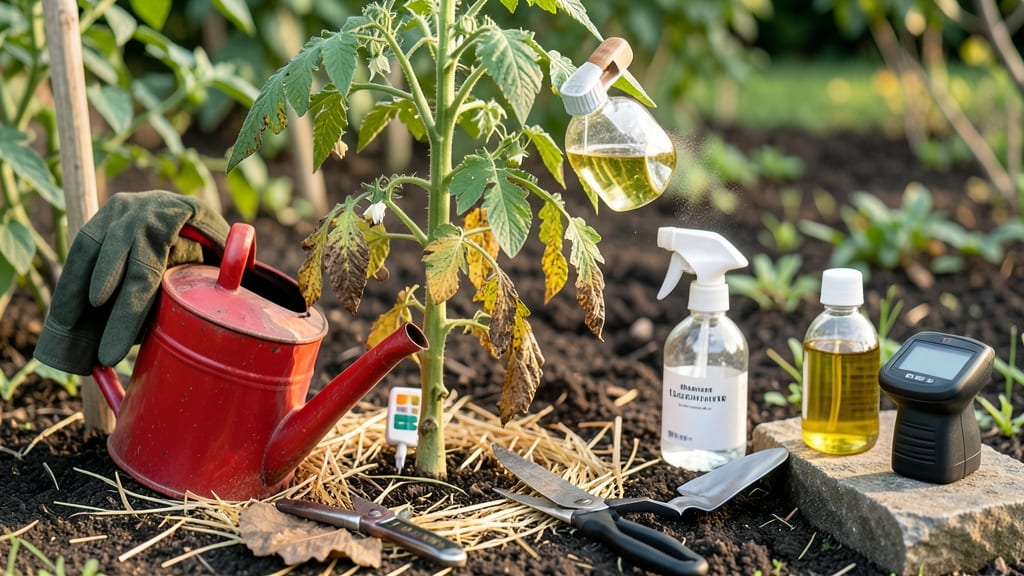
How to bring your tomato plants back to life—even if they look completely dead—is easier than you think. 🌱 The key is diagnosing the problem fast, whether it’s overwatering, pests, or disease, so you can act before it’s too late. I’ve nursed back more tomato plants than I’ve lost, and the secret lies in checking the roots, stems, and leaves for clues. Start by gently tugging on the plant: if it slides out easily, the roots are rotting from too much water. If the leaves are yellowing but the soil feels dry, underwatering is the culprit. Pests like aphids or blight spots? That’s a different fix entirely. The good news? Most issues can be reversed with the right steps. Within 48 hours of proper care, you’ll see new growth pushing through. Prune damaged leaves, adjust your watering, and add a balanced fertilizer to jumpstart recovery. The plants might look shaky at first, but they’ll bounce back stronger than ever. This works for both container and in-ground tomatoes, no matter the season. Let’s get those plants thriving again—here’s exactly how to do it.
Root Causes Of Tomato Decline
Tomato plants are resilient, but even the hardiest varieties can succumb to stress—often without obvious warning. Understanding the why behind wilting, yellowing, or dying leaves is the first step to revival. Below, we break down the most common culprits, backed by plant science, so you can diagnose and act fast.
Tomatoes thrive on consistent moisture, but too much water suffocates roots by cutting off oxygen.
Here’s what happens: - Waterlogged soil forces roots to starve for air, triggering anaerobic conditions (lack of oxygen), which releases toxic byproducts like ethanol and acetaldehyde. - Fungal infections (e.g., Phytophthora, Pythium) exploit soggy soil, rotting roots and blocking nutrient uptake. - Symptoms: Yellowing lower leaves, mushy stems, or a foul smell at the base.
Actionable clue: Stick your finger 2 inches into the soil—if it’s damp, hold off on watering. Raised beds or containers with drainage holes prevent this.
Tomatoes are 95% water, and drought stress forces them into survival mode:
- Plasma membrane damage: Cells lose turgor pressure (rigidity), causing leaves to wilt and curl inward.
- Nutrient lockout: Roots shrink back, reducing absorption of nitrogen, phosphorus, and potassium—critical for leaf health.
- Heat scorch: Temperatures above 90°F (32°C) cause oxidative stress, where excess sunlight damages chlorophyll (the green pigment in leaves).
Actionable clue: Wilting that happens during the day (but recovers at night) is classic underwatering. Mulch with straw to retain moisture and water deeply once a week (not daily).
Hidden invaders can drain sap, block stomata (pores), or inject toxins—all of which mimic nutrient deficiencies:
- Aphids & Spider Mites: Pierce leaves to suck sap, leaving stippled, yellowed patches and sticky honeydew (a fungal magnet).
- Blight (Early/Fungal): Alternaria or Septoria spores thrive in humid conditions, creating brown, crusty lesions that spread like wildfire.
- Root-Knot Nematodes: Microscopic worms burrow into roots, forming galls (lumpy growths) that strangle water flow.
Actionable clue: Check undersides of leaves for pests or stem cracks (blight entry points). Prune infected foliage immediately and apply neem oil or copper fungicide as a preventative.
Tomatoes are heavy feeders, and soil imbalances show up fast:
- Nitrogen (N) Deficiency: Leaves turn yellow (chlorosis) from the bottom up—a classic sign of poor protein synthesis.
- Potassium (K) Deficiency: Brown, crispy leaf edges (called "scorch") occur when plants can’t regulate water or fight disease.
- Magnesium (Mg) Deficiency: Interveinal chlorosis (yellowing between veins) happens when magnesium can’t activate chlorophyll.
Actionable clue: Conduct a soil test (DIY kits are cheap!). For quick fixes, use fish emulsion (N), banana peel tea (K), or Epsom salt (Mg).
Even gentle mishandling can sever root hairs or disrupt the plant’s mycorrhizal fungi (beneficial soil microbes):
- Root pruning: Accidental cutting during repotting reduces water uptake by 30–50% for weeks.
- Wind or hail damage: Torn leaves increase transpiration (water loss), while broken stems expose tissue to pathogens.
- Over-fertilizing: A salt burn from synthetic fertilizers (like too much 10-10-10) osmotically stresses roots, preventing water absorption.
Actionable clue: After transplanting, water deeply and avoid fertilizing for 7–10 days to let roots recover. Use row covers to shield from wind.
Tomatoes are sensitive to extremes, and sudden changes trigger shock:
- Temperature swings: Below 50°F (10°C) or above 95°F (35°C) disrupt enzyme activity, halting growth and causing blossom drop.
- Poor air circulation: Humid, stagnant air traps fungal spores and encourages powdery mildew or bacterial spot.
- Soil compaction: Heavy foot traffic or clay soil crushes roots, reducing oxygen and nutrient access.
Actionable clue: Use drip irrigation (not overhead) to avoid wetting leaves, and space plants 18–24 inches apart for airflow.
Revive Your Tomato Plants Now
Don’t toss that wilted tomato plant just yet! With the right care, you can nurse it back to health and enjoy a bountiful harvest. Below are practical, step-by-step solutions tailored to common causes of tomato plant distress, along with prevention tips to keep your plants thriving long-term.
Let’s get those leaves perking up again!
If your tomato plant’s leaves are yellowing, mushy, or the soil smells sour, it’s likely drowning in excess water. Overwatering suffocates roots and invites fungal diseases like blight or root rot.
How to Fix It:
🔥 Step 1: Stop Watering Immediately
- Let the soil dry out completely for 2–3 days. Stick your finger 1–2 inches into the soil—if it’s damp, wait longer.
🍳 Step 2: Improve Drainage
- Gently loosen compacted soil around the base with a fork or trowel (avoid damaging roots).
- Mix in perlite, coarse sand, or compost to aerate the soil. Aim for a 50/50 blend of existing soil and amendments.
👨🍳 Step 3: Repot (If Necessary)
- If the roots are rotting (black, slimy, or crumbling), transfer the plant to a clean, well-draining pot with fresh potting mix. Trim any mushy roots with sterilized scissors.
🥘 Step 4: Adjust Your Watering Routine
- Water deeply but infrequently—aim for 1–1.5 inches per week (adjust for rain). Use a drip irrigation system or water at the base (never overhead) to prevent fungal spread.
💡 Prevention Tips:
- Use containers with drainage holes or raised beds.
- Test soil moisture with a moisture meter or your finger before watering.
- Mulch with straw or wood chips to retain moisture without soggy soil.
Crispy, brown edges on leaves or wilting despite dry soil? Your tomato plant is thirsty or struggling with heat stress. Tomatoes need consistent moisture, especially in hot weather.
How to Fix It:
🔥 Step 1: Water Deeply and Slowly
- Use a watering can or hose with a gentle spray to soak the soil 6–8 inches deep. Avoid shallow watering, which encourages shallow roots.
🍳 Step 2: Provide Afternoon Shade
- If temps exceed 90°F (32°C), shield plants from direct afternoon sun with a shade cloth (30–50%) or move containers to a spot with partial shade.
👨🍳 Step 3: Mulch to Retain Moisture
- Apply 2–3 inches of organic mulch (straw, grass clippings, or shredded leaves) around the base to lock in water and cool roots.
🥘 Step 4: Boost Humidity (For Container Plants)
- Place a tray of water with pebbles near the plant or mist leaves early in the morning (avoid evening misting to prevent fungal issues).
💡 Prevention Tips:
- Water in the early morning to reduce evaporation.
- Choose heat-tolerant varieties like ‘Solar Fire’ or ‘Heatmaster’ for hot climates.
- Group plants together to create a microclimate with higher humidity.
Dark spots, white powder, or yellowing leaves with black edges? Fungal diseases like early blight, late blight, or powdery mildew can cripple tomato plants—but they’re treatable!
How to Fix It:
🔥 Step 1: Prune Infected Areas
- Remove all affected leaves (including stems) using sterilized pruners. Dispose of them in the trash (not compost).
🍳 Step 2: Apply Fungicide
- Spray with a copper-based fungicide (like Copper Soap) or a baking soda solution (1 tsp baking soda + 1 quart water + a drop of dish soap).
- For severe cases, use neem oil (1 tbsp per quart of water) as a preventive spray every 7–10 days.
👨🍳 Step 3: Improve Air Circulation
- Space plants 18–24 inches apart and stake or cage them to keep foliage off the ground.
- Remove lower leaves touching the soil to prevent splashing spores.
🥘 Step 4: Adjust Watering Practices
- Water only at the base and avoid wetting leaves. Use a soaker hose for targeted hydration.
💡 Prevention Tips:
- Rotate crops—don’t plant tomatoes in the same spot yearly.
- Solarize soil in spring by covering it with clear plastic for 4–6 weeks to kill fungal spores.
- Choose resistant varieties like ‘Mountain Merit’ (blight-resistant) or ‘Defiant PhR’ (phytophthora-resistant).
Holes in leaves, sticky residue, or wilting despite no water issues? Pests like aphids, spider mites, or whiteflies are likely sucking the life out of your tomatoes.
How to Fix It:
🔥 Step 1: Identify the Pest
- Aphids: Tiny green/black bugs clustered on new growth.
- Spider mites: Fine webbing on undersides of leaves.
- Whiteflies: Tiny white moths fluttering when disturbed.
🍳 Step 2: Blast Them Off
- Strong spray of water (early morning) dislodges many pests.
- For aphids, spray with soapy water (1 tsp mild soap per quart of water).
👨🍳 Step 3: Introduce Beneficial Insects
- Release ladybugs, lacewings, or predatory mites to eat pests naturally.
- Plant companion herbs like basil or marigolds nearby to repel pests.
🥘 Step 4: Use Organic Pesticides (If Needed)
- Neem oil (1 tbsp per quart of water) smothers pests and eggs.
- Diatomaceous earth (food-grade) can be sprinkled around the base (reapply after rain).
💡 Prevention Tips:
- Inspect plants weekly for early signs of pests.
- Remove weeds near tomato plants (they harbor pests).
- Rotate planting locations to disrupt pest life cycles.
With these targeted fixes, your tomato plants should bounce back in 1–2 weeks. Keep an eye on them, adjust care as needed, and soon you’ll be harvesting juicy, homegrown tomatoes again! 🍅✨
Frequently asked questions
Why are my tomato plant’s leaves turning yellow from the bottom up?
This is usually a sign of overwatering or nitrogen deficiency. Yellowing from the bottom indicates roots struggling to absorb nutrients. Check soil moisture first—if it’s soggy, let it dry out. For deficiency, use a balanced fertilizer or fish emulsion to revive growth.
Can I save a tomato plant with black, mushy stems?
This is likely root rot from overwatering. Trim away all mushy stems and roots, then repot in fresh, well-draining soil. Reduce watering immediately and only water when the top 2 inches of soil are dry. If the plant is beyond saving, take healthy cuttings for propagation.
How long does it take to revive a struggling tomato plant?
With proper care, you’ll see improvement in 3–7 days. Focus on fixing the root cause (water, pests, or nutrients) and providing consistent conditions. Prune damaged leaves to redirect energy to new growth. Most plants show significant recovery within 2 weeks if the roots are still healthy.
What’s the best way to check if my tomato plant is truly dead?
Gently tug on the plant—if it slides out easily with no resistance, the roots are dead. Check the stem: if it’s brown and crumbly, it’s beyond saving. However, if there’s any green tissue or the plant resists pulling, it’s still worth reviving with proper care.
Can I use coffee grounds to revive my tomato plants?
Yes! Coffee grounds add nitrogen and improve soil structure, but use them sparingly. Mix 1 cup of used grounds into the soil per plant, then water well. Too much can make soil acidic—balance with wood ash if needed. Best for plants showing signs of slow growth or yellowing.