
Plants
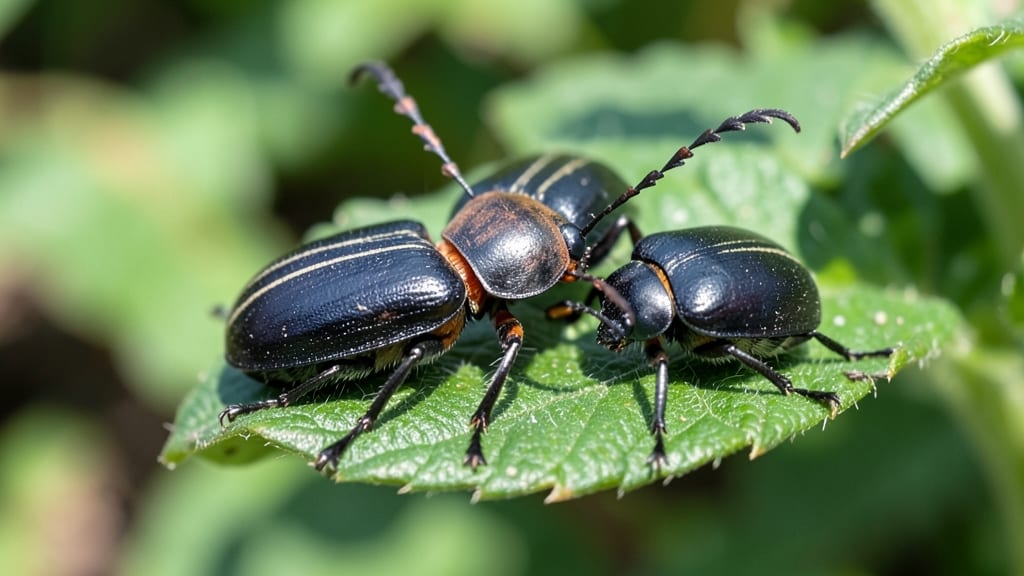
Those big black bugs devouring your tomato plants are more than just a nuisance—they’re a full-blown threat to your harvest. 🌱 I’ve lost entire tomato vines to these voracious pests, but I’ve also learned how to spot them early and stop them before they ruin your season.
Whether it’s hornworms, stink bugs, or beetles, each one demands a different approach.
Hornworms are the sneakiest culprits—they blend into foliage until half your leaves are gone. Stink bugs leave behind a telltale yellowing on fruit, while beetles chew through stems like they’re made of paper.
The good news? None of them are invincible. Handpicking, neem oil, or even introducing beneficial predators like ladybugs can turn the tide in your favor.
By the end of this guide, you’ll know exactly which bugs you’re dealing with and how to eliminate them—without resorting to harsh chemicals. Your tomatoes will stay lush, your plants will thrive, and you’ll finally get the harvest you’ve been dreaming of.
Works for backyard gardens, containers, and even small urban plots. Let’s get those pests under control before they take over!
Root Causes Of Unwanted Visitors
When those big black bugs start feasting on your tomato plants, it’s rarely a random event—it’s usually a sign your garden is offering the perfect conditions for pests. Understanding why these critters show up helps you take targeted action before they wreak havoc.
Let’s break down the most common reasons these invaders appear and what they’re really after.
Tomato plants under stress are like an all-you-can-eat buffet for pests. When plants are too close together, poor air circulation traps moisture, creating a damp, humid microclimate that attracts bugs like hornworms and stink bugs.
Additionally, overwatering or nutrient deficiencies weaken plants, making them easier targets for chewing insects.
Why it matters:
- Poor airflow = higher humidity = fungal diseases + bug magnets.
- Weak stems/leaves = easier entry for pests like colorado potato beetles.
- Excess nitrogen (from over-fertilizing) can make plants soft and tasty for bugs.
💡 Pro Tip: Space tomato plants 18–24 inches apart and prune lower leaves to improve airflow. If your soil is soggy, amend it with compost to boost drainage.
Not all tomatoes are equally appealing to pests. Heirloom, thin-skinned, or overly ripe tomatoes are like neon signs for bugs. For example:
- Hornworms love large, leafy varieties like Brandywine or Cherokee Purple.
- Stink bugs target overripe or bruised fruit.
- Flea beetles prefer young, tender seedlings.
Why it matters: Some tomato types have thicker skins or natural pest-resistant traits (like celebrity or solar fire varieties). If you’re growing high-value heirlooms, expect more visitors—and plan accordingly.
🎯 Action Step: If pests are relentless, try hybrid varieties bred for resistance (e.g., Mountain Merit or Defiant PhR). For heirlooms, harvest early or use row covers to protect fruit.
In a balanced ecosystem, birds, ladybugs, and parasitic wasps keep pest populations in check. But if your garden lacks diverse plantings or beneficial insects, those big black bugs move in unchecked.
Why it matters:
- Monoculture gardens (only tomatoes) = no habitat for predator insects.
- Pesticide use kills both pests and their natural enemies.
- Urban/suburban areas often have fewer wild predators than rural farms.
🔥 Game-Changer: Plant companion plants like basil, marigolds, or dill to attract beneficial insects. Avoid broad-spectrum pesticides—opt for neem oil or insecticidal soap instead.
Many of these black bugs thrive in hot, sticky conditions. For instance:
- Stink bugs love 80°F+ temperatures and high humidity.
- Flea beetles are most active in dry, warm springs.
- Hornworms grow faster in consistent heat.
Why it matters: Climate change is extending pest seasons. If your area has longer summers or delayed rains, expect earlier and more aggressive infestations.
⏰ Timing Is Key: Monitor weather forecasts and apply preventive measures (like row covers or traps) before heatwaves hit. Mulching with straw or grass clippings can also help regulate soil temperature.
Now that you know why these bugs are crashing your tomato party, the next step is identifying the exact culprit and kicking them out for good. Stay tuned!
How to Fix It Fast
Spotting big black bugs on your tomato plants can feel like a gardening crisis—but don’t panic! With the right approach, you can identify the culprit, act quickly, and save your harvest.
Below, we break down targeted solutions for the most common offenders, from stink bugs to cutworms, plus prevention tips to keep your plants thriving. Let’s get those pests out of your garden for good!
If your tomatoes are being punched with tiny holes (and your garden smells like… well, stink), these shield-shaped invaders are likely the culprits. Here’s how to evict them:
🍳 Immediate Removal (Manual Attack)
- Handpick them off plants in the early morning when they’re sluggish. Drop them into soapy water to kill them instantly.
- Use a vacuum (yes, really!)—run it over leaves and empty the contents into a sealed bag outside.
- Crush them with your fingers (wear gloves if you’re squeamish). They release a foul odor when squished, but it’s worth it for your tomatoes!
👨🍳 Traps and Barriers
- Yellow sticky traps lure them in—place them near plants to reduce populations.
- Row covers (fine netting) block stink bugs from laying eggs on your tomatoes. Install them before bugs appear.
- Reflective mulch (like aluminum foil or silver plastic) confuses their navigation systems. Wrap it around the base of plants.
🌡️ Organic Sprays (For Heavy Infestations)
If the problem persists, try these non-toxic options:
- Neem oil spray (1 tsp neem oil + 1 tsp mild soap + 1 quart water). Spray evenly on leaves (avoid flowers to protect pollinators). Reapply every 5–7 days.
- Kaolin clay (like Surround WP) creates a protective film that repels stink bugs. Mix with water and spray on foliage.
- Pyrethrin-based sprays (derived from chrysanthemums) work fast but only use at dusk to protect bees.
If your tomato seedlings are suddenly severed at the base or leaves have ragged, chewed edges, cutworms are likely munching away at night. These plump, dark gray or black caterpillars hide during the day—so you’ll need to outsmart them.
⏰ Nighttime Patrols (The Old-Fashioned Way)
- Shine a flashlight around your garden at dusk or dawn. Cutworms will uncurl from their hiding spots under leaves or mulch. Drop them in soapy water.
- Use a cardboard collar around young plants: Cut a strip of cardboard (4–6 inches tall), slit it lengthwise, and wrap it around the stem. The worm can’t climb over the edge to reach the plant.
🌱 Soil Treatments (Prevent Future Attacks)
- Diatomaceous earth (DE): Sprinkle food-grade DE around the base of plants. It’s harmless to humans but dehydrates cutworms. Reapply after rain.
- Beauveria bassiana (a natural fungus) kills cutworms without chemicals. Mix with water and spray on soil.
- Encourage predators: Birds, toads, and ground beetles love cutworms. Add a shallow water dish for toads or plant marigolds to attract beneficial insects.
An ounce of prevention is worth a pound of pesticide-free tomatoes! Follow these easy habits to make your garden less inviting to big black bugs:
💡 Pro Tips for a Bug-Resistant Garden
- Rotate crops annually to disrupt pest life cycles. Avoid planting tomatoes in the same spot every year.
- Remove debris (fallen leaves, old mulch) where bugs hide. Clean up after harvest to eliminate egg-laying sites.
- Plant companion plants like basil, marigolds, or nasturtiums to repel pests naturally.
- Water in the morning (not at night) to reduce humidity, which attracts many garden pests.
- Inspect new plants before bringing them home. Quarantine them for a few days to spot hitchhiking bugs.
✨ Long-Term Garden Hygiene
Think of your garden like a fortress. The healthier the ecosystem, the fewer pests will thrive:
- Use organic fertilizer to boost plant resilience. Weak plants attract more bugs!
- Avoid over-fertilizing with nitrogen—it makes plants soft and tasty to pests.
- Encourage biodiversity: Plant flowers like dill, fennel, or alyssum to attract ladybugs, lacewings, and parasitic wasps—all natural pest controllers.
- Prune regularly to improve airflow and reduce hiding spots for bugs.
With these strategies, you’ll minimize damage, protect your harvest, and enjoy plump, juicy tomatoes without the black bug invasion. Happy gardening—and may your tomatoes stay hole-free!
Frequently asked questions
What are the most common big black bugs I’ll find on my tomato plants?
The top culprits include hornworms (green with black stripes), stink bugs (shield-shaped), cutworms (plump black caterpillars), and colorado potato beetles. Each leaves distinct damage—hornworms skeletonize leaves, while stink bugs create tiny holes in fruit.
Are these big black bugs harmful to humans or pets?
Most won’t bite humans, but some (like stink bugs) release foul odors when crushed. Cutworms and beetles can carry mild toxins if ingested in large quantities by pets, but they’re not dangerous. Always wash tomatoes thoroughly before eating. The real threat is what they do to your plants!
How do I tell if my tomato plants are just stressed or actually being eaten by bugs?
Look for chewed edges (not ragged tears from wind) and fecal droppings on leaves. Bugs leave behind skeletonized leaves (veins remain) or punctured fruit. Stress usually causes yellowing without visible holes. Check undersides of leaves too—eggs or tiny bugs often hide there.
Will commercial pesticides actually work, or should I stick to organic methods?
Synthetic pesticides can kill bugs fast, but they also harm beneficial insects and may leave residues. For light infestations, try neem oil or insecticidal soap first. Save harsher chemicals for severe cases, and always apply early morning or evening to protect pollinators.
How often should I check my tomato plants for these bugs?
Inspect plants 2-3 times per week during growing season, focusing on leaf undersides and fruit clusters. Early detection is key—some bugs (like hornworms) can defoliate a plant in just 24 hours. Morning checks work best when bugs are sluggish.