
How To
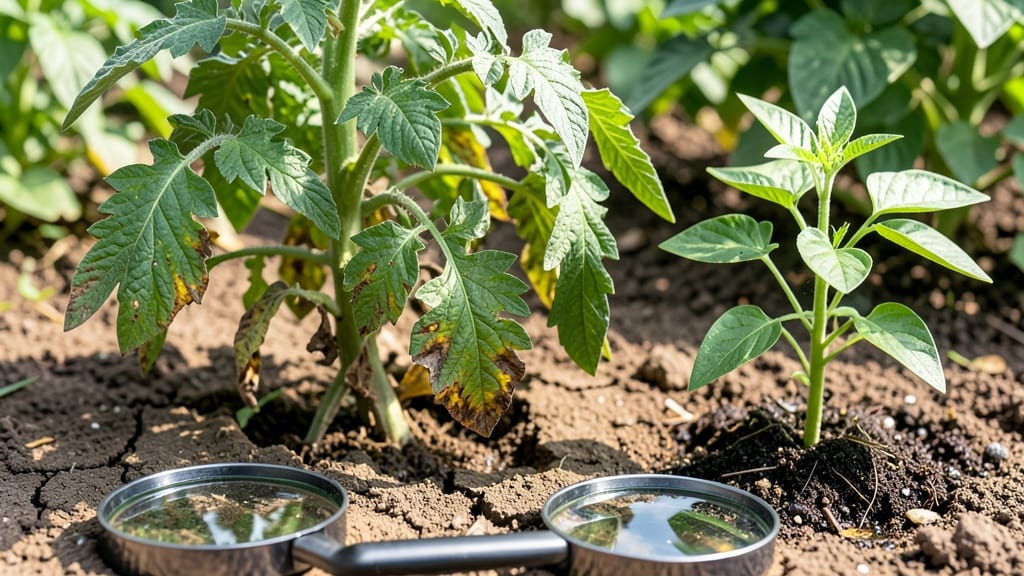
When your tomato seedlings' leaves curl down like a sad puppy's ears, it's your garden's way of screaming "HELP!" 🌱 The good news? This isn't always a death sentence—it's usually fixable in 24 hours if you catch it early.
I've seen seedlings go from wilted to thriving in just a day by tackling the right issue, whether it's overwatering, pests, or something sneaky like fungal disease.
First, grab a magnifying glass and check the undersides of leaves for tiny webs (spider mites), sticky residue (aphids), or weird spots (fungus). Then stick your finger in the soil—if it's soggy, you're overwatering; if it's bone-dry, you're underwatering.
Most beginners assume seedlings need constant moisture, but they actually prefer slightly dry soil between waterings. Trust me, I drowned my first batch before I learned this.
The fix depends on what you find: neem oil spray for pests, adjusting your watering schedule for root rot, or moving plants to better light if they're stretching. For fungal issues, I swear by a baking soda solution (1 tsp per quart of water) that works like a charm.
Within 3-5 days, your seedlings should perk up if you address the root cause—literally and figuratively.
Prevention is easier than curing: water at the base, not overhead; space seedlings properly for airflow; and rotate plants weekly so all sides get sunlight. Once you spot the early signs—like just one leaf curling—you'll save yourself hours of panic.
And hey, even if you lose a few seedlings, you'll learn faster than I did.
Root Causes Behind Curling Leaves
When your tomato seedlings’ leaves start curling downward like a sad, wilted flag, it’s often a cry for help from the plant. Understanding the underlying causes is the first step to saving your seedlings. Here’s a breakdown of the most common culprits and why they trigger this distress signal:
Tomato seedlings are sensitive to extreme temperatures, and when conditions stray too far from their comfort zone, their leaves curl as a protective response.
- Heat Stress: Temperatures above 90°F (32°C) can cause leaves to curl downward to reduce surface area and limit water loss through transpiration.
This is especially common in greenhouses or during heatwaves. - Cold Stress: If seedlings are exposed to temperatures below 50°F (10°C), growth slows, and leaves may curl as a survival mechanism.
Young seedlings are particularly vulnerable to chilly nights or drafts. - Fluctuations: Rapid temperature swings (e.g., warm days and cold nights) can confuse the plant’s physiology, leading to curling and stunted growth.
Actionable Fix:
- Use shade cloth (30-50%) during peak sun hours to protect seedlings from overheating.
- Move containers to a sheltered spot if nighttime temps drop.
- Consider a small seedling heat mat (set to 70-75°F) if your grow space is too cool.
Water is the lifeblood of tomato seedlings, but too much or too little can send leaves into a downward spiral.
- Overwatering & Root Rot: Excess moisture suffocates roots, cutting off oxygen and leading to root rot (often caused by Pythium or Phytophthora fungi).
Curling leaves are a symptom of poor nutrient uptake and cellular damage. - Underwatering: Dry soil forces leaves to curl inward to conserve moisture, a classic sign of drought stress.
Seedlings in small pots dry out faster, especially in hot or windy conditions. - Inconsistent Moisture: Letting soil dry out completely between waterings (or drowning it intermittently) disrupts root development, leading to weak, curling foliage.
Actionable Fix:
- Check soil moisture by sticking your finger 1 inch deep—water when it’s dry but not bone-dry.
- Use well-draining soil (a mix of potting soil, perlite, and coco coir works well).
- Water at the base (not overhead) to prevent fungal diseases and ensure roots absorb moisture efficiently.
Tiny pests can wreak havoc on seedlings, causing leaves to curl as they inject toxins or suck out vital sap.
- Aphids: These sap-sucking insects cluster on undersides of leaves, injecting saliva that distorts and curls foliage.
They also excrete honeydew, which attracts mold. - Spider Mites: In dry conditions, these microscopic pests spin webs and feed on leaf cells, causing a bronzing or curling effect as the plant loses chlorophyll. - Whiteflies: Similar to aphids, they cluster on leaves and leave behind sticky residue, stunting growth and curling leaves. - **Fungal Galls (e.g., Fusarium or Verticillium): Some soil-borne pathogens cause leaf curl by disrupting vascular tissue, restricting water and nutrient flow.
Actionable Fix:
- Inspect leaves daily (especially undersides) for pests or webbing.
- Blast off pests with a strong spray of water or use neem oil (1 tsp per quart of water, applied in the evening).
- Introduce beneficial insects like ladybugs or lacewings to control aphids naturally.
- For fungal issues, remove infected seedlings and treat soil with copper fungicide or baking soda spray (1 tsp baking soda + 1 quart water + a drop of dish soap).
Tomato seedlings need a balanced diet, and deficiencies or excesses in key nutrients can manifest as curled leaves.
- Nitrogen Deficiency: Leaves may curl upward (not downward) but can also show yellowing (chlorosis).
Nitrogen is critical for leaf expansion. - Potassium Deficiency: Leaves curl downward and develop brown edges or spotting, as potassium regulates water and nutrient transport. - Phosphorus Deficiency: Curling paired with dark green or purple stems signals poor root development. - Over-Fertilization: Excess salts from fertilizers (especially synthetic blends) can burn roots, leading to curling as the plant struggles to absorb water.
Actionable Fix:
- Use a balanced fertilizer (e.g., 5-5-5 or 10-10-10) at half-strength for seedlings.
- Flush soil with water every 2-3 weeks to prevent salt buildup.
- Add compost or worm castings for slow-release nutrients and improved soil structure.
When seedlings are transplanted too early or roughly, their roots sustain damage, causing leaves to curl as the plant recovers.
- Root Pruning: If roots circle the pot (a condition called root-bound) or are trimmed during transplanting, the plant struggles to establish new growth.
- Environmental Shift: Moving seedlings from a cozy indoor setup to harsh outdoor conditions (wind, sun, or temperature swings) can trigger stress responses like curling.
- Poor Soil Transition: Heavy or compacted soil restricts root expansion, while overly sandy soil drains too quickly, both leading to nutrient and water stress.
Actionable Fix:
- Hardening off seedlings gradually (5-7 days of outdoor acclimation) before transplanting.
- Loosen roots gently when repotting to encourage outward growth.
- Choose well-aerated, nutrient-rich soil** for transplanting (avoid garden soil, which may harbor pathogens).
Quick Fixes for Curling Tomato Leaves
Now that you know the likely culprits behind your tomato seedlings’ downward-curling leaves—whether it’s root rot, pests, environmental stress, or nutrient deficiencies—let’s roll up our sleeves and get those plants back on track.
Below are practical, step-by-step solutions tailored to each cause, plus prevention tips to keep your seedlings thriving.
If your seedlings are wilted, mushy at the base, or have yellowing leaves, root rot is likely the villain. Act fast—this disease spreads quickly and can kill plants in days.
🔥 Step 1: Remove the Plant (Gently!)
- Use clean, sterilized scissors or pruners to snip the plant just above the soil line.
- If repotting, shake off old soil to inspect roots. Healthy roots are firm and white; rotten roots are dark, mushy, or smell foul.
🍳 Step 2: Disinfect & Repot
- Sanitize your pots: Wash with a 10% bleach solution (1 part bleach to 9 parts water) or soapy water, then rinse well.
- Fresh potting mix: Use a sterile, well-draining mix (avoid garden soil—it may harbor pathogens).
Add perlite or vermiculite for extra aeration. - Repot carefully: Place the seedling in the new pot, ensuring the stem sits just above the soil line (not buried). Water lightly to settle the soil.
👨🍳 Step 3: Adjust Watering Habits
- Let the top inch of soil dry out between waterings.
Stick your finger in—if it’s damp, wait! - Water at the base, avoiding leaves to prevent fungal spread. - Improve drainage: Ensure pots have drainage holes and elevate them on saucers or trays.
💡 Pro Tip:
🌡️ Fungicide boost: Add 1 tsp hydrogen peroxide (3%) per gallon of water) to your watering can for a few days to fight residual fungus. Alternatively, use a copper-based fungicide as directed.
✨ Prevention for Next Time:
- Avoid overwatering—tomato seedlings prefer consistently moist (not soggy) soil.
- Use raised beds or containers if your garden has poor drainage.
- Rotate crops—don’t plant tomatoes in the same spot year after year.
If tiny holes, webbing, or chewed leaves are to blame, pests like aphids, spider mites, or whiteflies are likely the culprits. Here’s how to evict them:
🔪 Step 1: Isolate & Inspect
- Move infested seedlings away from healthy plants to prevent spread.
- Check undersides of leaves and stems with a magnifying glass for eggs or pests.
🥘 Step 2: Blast Them Away (Non-Toxic First!)
- Spray with soapy water: Mix 1 tsp mild dish soap (like Castile) + 1 quart water.
Spray directly on pests (avoid overspray on flowers/fruit). - Neem oil solution: Mix 1 tbsp neem oil + 1 tsp mild soap + 1 quart water.
Spray every 5–7 days for 2 weeks. - Introduce beneficial insects: Ladybugs, lacewings, or predatory mites devour pests naturally (available at garden centers).
🎯 Step 3: Physical Barriers & Traps
- Sticky traps: Place yellow sticky cards near plants to catch flying pests.
- Row covers: Use fine mesh fabric to block pests while allowing light and water through.
- Handpick large pests: For caterpillars or beetles, drop them in soapy water.
💡 Pro Tip:
🌿 Diatomaceous earth (DE): Sprinkle food-grade DE around the base of plants (avoid direct contact with leaves—it can harm beneficial insects). Reapply after watering.
✨ Prevention for Next Time:
- Inspect new plants before bringing them home.
- Encourage biodiversity: Plant marigolds, basil, or nasturtiums nearby—they repel pests naturally.
- Rotate pesticides: Don’t rely on one method; pests build resistance.
If your seedlings are curling due to temperature swings, humidity issues, or transplant shock, they’ll perk up with a few simple tweaks.
🔥 Step 1: Optimize Temperature & Humidity
- Ideal temps: Keep seedlings in 65–75°F (18–24°C) during the day and 55–60°F (13–15°C) at night.
- Avoid cold drafts: Keep them away from AC vents, windows, or doors.
- Humidity control:
- Too dry? Use a humidifier or place a tray of water near seedlings.
- Too humid? Improve airflow with a small fan (set to low) to prevent fungal issues.
🍳 Step 2: Gradual Acclimation (Hardening Off)
If seedlings were indoor-started, they need time to adjust to outdoor conditions:
- Start 1–2 weeks before transplanting: Place them outside for 1–2 hours daily, increasing time gradually.
- Use shade cloth if direct sun causes stress (especially in hot climates).
👨🍳 Step 3: Support & Stability
- Stake or cage seedlings early: Use toothpicks, bamboo stakes, or small cages to prevent wind damage.
- Avoid overcrowding: Give each seedling at least 18–24 inches of space for airflow.
💡 Pro Tip:
🌡️ Morning watering: Water early in the day so leaves dry quickly, reducing stress and fungal risk.
✨ Prevention for Next Time:
- Use grow lights if natural light is insufficient (seedlings need 12–16 hours of light/day).
- Monitor weather forecasts and protect seedlings from heatwaves or frost.
Yellowing leaves, stunted growth, or curling edges? Your seedlings might be hungry or thirsty for specific nutrients.
🔥 Step 1: Test Your Soil (Quick & Easy)
- DIY pH test: Use a soil pH kit (available at garden centers).
Tomatoes thrive in pH 6.0–6.8. - Visual clues: - Yellow lower leaves = Nitrogen deficiency (common in overwatered or poor soil). - Purple stems/leaves = Phosphorus deficiency (needed for root growth). - Brown leaf edges = Potassium or calcium deficiency (or overwatering).
🍳 Step 2: Fertilize Correctly
- For nitrogen: Add compost, fish emulsion, or a balanced fertilizer (10-10-10).
- For phosphorus: Use bone meal or a high-phosphorus fertilizer (5-10-10).
- For potassium/calcium: Try kelp meal, wood ash (for potassium), or crushed eggshells (for calcium).
- Avoid over-fertilizing: Start with half the recommended dose to prevent burning roots.
👨🍳 Step 3: Foliar Feeds for Fast Results
- Epsom salt spray: Mix 1 tbsp Epsom salt + 1 gallon water for a magnesium boost (helps with yellowing between veins).
- Seaweed extract: Spray diluted liquid seaweed (follow package instructions) for trace minerals and stress relief.
💡 Pro Tip:
🥗 Compost tea: Brew compost tea (steep compost in water for 24–48 hours, strain) for a gentle, nutrient-rich feed.
✨ Prevention for Next Time:
- Amend soil before planting: Mix in compost, worm castings, or aged manure for long-term nutrition.
- Fertilize in stages: Apply light feedings every 2–3 weeks instead of one heavy dose.
- Mulch well:
Frequently asked questions
Why are my tomato seedlings' leaves curling down only in the afternoon?
This is likely heat stress—tomato seedlings curl their leaves downward during hot afternoons to reduce water loss through transpiration. Move seedlings to a shadier spot (like under 30% shade cloth) during peak sun hours (11 AM–3 PM). If you're in a greenhouse, increase airflow with a small fan or mist leaves lightly in the morning to help them retain moisture.
I see tiny webs on my seedlings' leaves—could this be causing the curling?
Yes! Those webs are almost certainly spider mites, and they're sucking the life out of your seedlings. Blast them off with a strong spray of water first, then treat with neem oil (1 tsp per quart of water) every 5–7 days for 2 weeks. Isolate affected seedlings immediately to prevent the mites from spreading to healthy plants.
Should I prune the curled leaves off my tomato seedlings?
Only remove severely damaged leaves (those that are brown, crispy, or completely curled). Pruning helps the plant focus energy on new growth, but avoid cutting more than 20% of the foliage at once. For minor curling, it's better to address the root cause (water, pests, or nutrients) first—your seedlings will recover faster without unnecessary stress.
My seedlings were fine indoors, but now they're curling after moving outside—what am I doing wrong?
This is classic transplant shock! Seedlings need time to adjust to outdoor conditions. Start by hardening them off (gradually expose them to outdoor conditions for 1–2 hours daily over 5–7 days before full transplant). Also, ensure they get morning sun only at first, and protect them from wind with a small cage or stake.
Can I save my seedlings if the soil smells rotten and the stems are mushy?
You might still save them if you act fast! Gently remove the seedling, trim away any mushy roots with sterilized scissors, and repot in fresh, sterile potting mix with perlite for drainage. Water lightly only when the top inch of soil is dry, and avoid wetting the leaves. For extra protection, add 1 tsp hydrogen peroxide (3%) per gallon of water to your next few waterings.