
Companion Plants
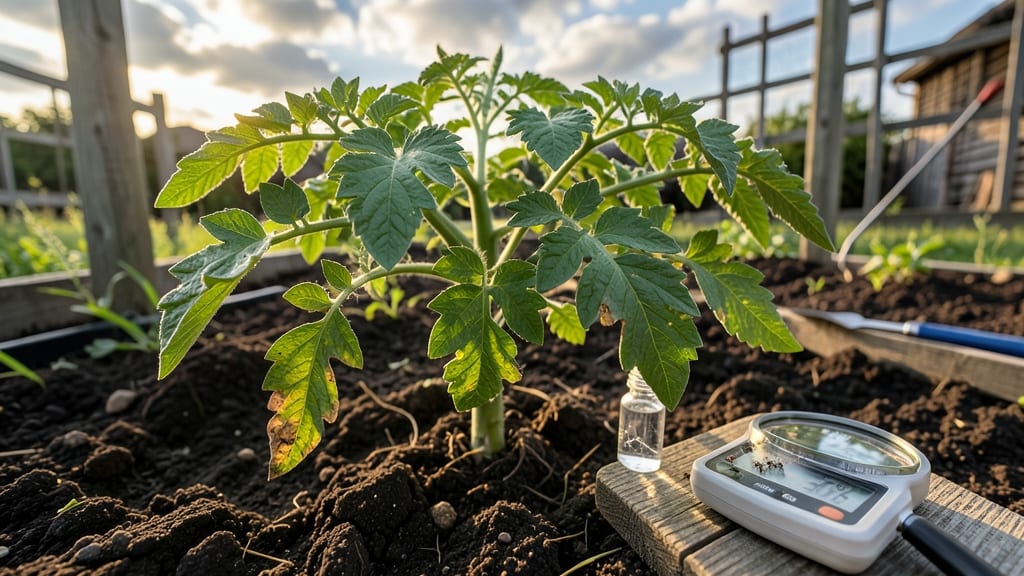
Tomato plant leaves curling downward? That classic crinkle isn’t just a bad hair day—it’s a cry for help from your plant. 🌱 I’ve seen this symptom turn into full-blown disaster when ignored, but the good news?
Most cases fix fast with the right approach. The first step is identifying whether it’s pests, disease, or environmental stress causing the trouble.
Here’s the thing—most gardeners assume spider mites or aphids are to blame, but overwatering and nutrient deficiencies show up the same way. I learned that the hard way after drowning my tomatoes one summer.
Start by checking the undersides of leaves for tiny webs or bugs, then inspect the soil moisture and plant health. A simple leaf rub test (yes, really) can reveal hidden pests.
Once you know the cause, recovery is often instant with the right fix. For pests, a strong spray of water or neem oil works wonders. Nutrient issues?
A balanced fertilizer boosts leaves back to normal in days. Environmental stress? Shade cloth or consistent watering can reverse the damage faster than you’d think.
This isn’t just about saving your tomatoes—it’s about preventing future problems. The plants that recover from curling leaves often grow even stronger afterward. Let’s get those leaves flat and happy again before it’s too late.
Root Causes Of Leaf Curl
Understanding why your tomato plant’s leaves curl downward is the first step toward fixing the issue. This problem rarely happens in isolation—it’s usually a symptom of deeper stress. Below, we break down the most common culprits, backed by science, so you can diagnose and act fast.
Tomato plants thrive in warm but not scorching conditions (ideally 70–85°F / 21–29°C during the day). When temperatures exceed 90°F (32°C) or drop below 50°F (10°C), leaves curl as a protective response.
- Why it happens: Extreme heat causes transpiration rates to skyrocket, pulling moisture out of leaves faster than roots can replace it.
Cells lose turgor pressure, leading to curling. - Signs to watch for: - Curling only on upper leaves (new growth is most sensitive). - Wilted but still firm leaves (not limp like overwatering). - Sunburned edges (brown or white patches). - Quick fixes: - Provide shade cloth (30–50%) during peak afternoon sun. - Mulch heavily to keep soil cool (use straw or grass clippings). - Water deeply in the morning to reduce evaporation.
While tomatoes love moisture, soggy roots strangle them. Poor drainage or excessive watering leads to root suffocation, cutting off oxygen and nutrients.
- Why it happens: Waterlogged soil forces roots to gasps for air, triggering a stress response.
Leaves curl as the plant conserves energy and reduces water loss. - Signs to watch for: - Yellowing lower leaves (first sign of root stress). - Mushy, foul-smelling soil when touched. - Curling paired with stunted growth. - Quick fixes: - Check drainage—poke a stick into the soil.
If it comes out damp after 24 hours, you’re overwatering. - Amend soil with perlite, sand, or coconut coir to improve aeration. - Water only when the top 1–2 inches of soil are dry (stick your finger in to test).
Tiny pests suck sap from leaves, causing curls, stunted growth, and sticky residue (honeydew). Their saliva contains toxins that distort leaf tissue.
- Why it happens: Pests inject enzymes that disrupt plant hormones (like ethylene and jasmonic acid), forcing leaves to curl as a defense mechanism.
- Signs to watch for:
- Sticky leaves (honeydew) or white webbing (spider mites).
- New growth curls upward (unlike heat stress, which affects older leaves).
- Visible bugs on undersides of leaves.
- Quick fixes:
- Blast off pests with a strong spray of water (disrupts their life cycle).
- Introduce predator insects (ladybugs, lacewings) or neem oil spray (1 tsp per liter of water).
- Reflective mulch (aluminum foil) confuses whiteflies and reduces egg-laying.
Tomatoes are heavy feeders, and deficiencies—especially in nitrogen (N) or potassium (K)—can cause leaf curling.
- Why it happens:
- Low nitrogen → Stunted growth + yellowing lower leaves (oldest leaves curl first).
- Low potassium → Weak cell walls (leaves curl and develop brown edges).
- Magnesium deficiency (common in acidic soils) → Interveinal yellowing + curling.
- Signs to watch for:
- Yellowing between leaf veins (magnesium deficiency).
- Purple stems or undersides (phosphorus deficiency).
- Slow growth despite regular watering.
- Quick fixes:
- Fertilize with a balanced 10-10-10 or tomato-specific feed (high in potassium).
- Epsom salt spray (1 tbsp per gallon of water) for magnesium boosts.
- Compost or worm castings for slow-release nutrients.
Strong winds desiccate leaves by increasing transpiration, while mechanical stress (like hail or rough handling) can physically damage leaf tissue.
- Why it happens: Wind strips the waxy cuticle, causing water loss.
Leaves curl to minimize surface area exposed to drying air. - Signs to watch for: - Curling on windward side of the plant. - Tattered or torn leaves (not just curling). - Symptoms appear suddenly after a storm. - Quick fixes: - Provide windbreaks (burlap screens, straw bales, or tall companion plants like corn). - Stake or cage plants to prevent flopping in gusts. - Mist leaves lightly on calm days to restore moisture.
Pathogens like early blight, late blight, or bacterial spot can cause leaves to curl, yellow, and develop spots.
- Why it happens:
- Fungi (e.g., Alternaria solani for early blight) clog stomata, disrupting gas exchange.
- Bacteria (e.g., Xanthomonas) infect leaf tissue, causing curling and necrosis.
- Signs to watch for:
- Concentric rings or dark spots on curled leaves.
- Slime or ooze (bacterial infections).
- Curling paired with wilting (systemic infection).
- Quick fixes:
- Remove infected leaves immediately (don’t compost them!).
- Apply copper fungicide (prevents spread).
- Improve airflow (prune crowded foliage, space plants 18–24 inches apart).
If your tomato was recently moved, root damage during transplantation can cause stress, leading to curled leaves.
- Why it happens: Disturbed roots temporarily lose function, reducing water and nutrient uptake.
The plant conserves resources by curling leaves. - Signs to watch for: - Curling starts 3–7 days after transplanting. - No other symptoms (pests, spots, or wilting). - New growth is slow or nonexistent. - Quick fixes: - Water deeply to encourage root recovery. - Avoid fertilizing for 1–2 weeks (stressed roots can’t absorb nutrients). - Use a root stimulator (like seaweed extract) to speed healing.
Quick Fixes for Wrinkled Tomato Leaves
When your tomato plant’s leaves start curling downward like a sad, wilted invitation, it’s time to roll up your sleeves and take action! The good news? Most causes have simple, effective fixes—no fancy tools or expensive treatments required.
Below, we’ve matched the most common culprits to practical, step-by-step solutions, plus prevention tips to keep your plants thriving. Let’s turn those droopy leaves around!
If your tomato plant is wilting or curling due to temperature extremes, the fix is all about balance.
🔥 Fix for Heat Stress
- Move it to shade: Relocate pots or use shade cloth (30-50%) for outdoor plants during peak sun (10 AM–4 PM).
- Water deeply in the morning: Soak the soil 6–8 inches deep to help roots absorb moisture before the heat peaks.
- Mulch like a pro: Spread 2–3 inches of straw or wood chips around the base to retain soil moisture and cool roots.
✨ Prevention Tip: Choose heat-tolerant varieties like ‘Solar Fire’ or ‘Heatmaster’ if you live in a hot climate.
❄️ Fix for Cold Stress
- Cover young plants: Use row covers or old bedsheets to protect from frost (below 50°F/10°C).
- Move potted plants indoors: If temperatures drop below 45°F (7°C), bring them into a sunny garage or greenhouse.
- Avoid evening watering: Wet leaves can freeze overnight—water in the morning instead.
Tomatoes hate soggy roots and thirsty roots. Here’s how to diagnose and correct watering woes.
🍳 Fix for Overwatering (Mushy Leaves)
- Stop watering immediately: Let the top 1–2 inches of soil dry out before watering again.
- Improve drainage: Add perlite or vermiculite to pots, or amend garden soil with compost.
- Check for root rot: Gently dig around the roots—if they’re brown and mushy, trim the damaged parts and repot in fresh soil.
💡 Pro Tip: Use your finger to test soil moisture—if it’s damp past 2 inches, hold off on watering.
👨🍳 Fix for Underwatering (Crispy, Curling Edges)
- Water at the base: Aim for 1–1.5 inches of water per week (more in heatwaves).
Use a soaker hose or drip irrigation to avoid wetting leaves. - Mulch heavily: A thick layer (3+ inches) keeps moisture locked in and reduces evaporation. - Water in the morning: This gives roots time to absorb moisture before evening heat dries them out.
If pests or pathogens are the culprits, act fast with these organic or chemical-free fixes.
🔪 Fix for Spider Mites or Aphids
- Blast them off: Spray leaves with a strong stream of water to dislodge pests.
- Neem oil spray: Mix 1 tbsp neem oil + 1 tsp mild soap in 1 quart of water.
Spray undersides of leaves (where mites hide) every 5–7 days. - Introduce predators: Ladybugs or lacewings devour aphids—buy them online or attract them with companion plants like marigolds.
🍄 Fix for Fungal Issues (Early Blight, Late Blight)
- Remove infected leaves: Snip off yellow/curling leaves and dispose of them in the trash (not compost).
- Copper fungicide spray: Apply every 7–10 days to prevent spread.
For organic growers, try a baking soda spray (1 tbsp baking soda + 1 tsp oil + 1 gallon water). - Space plants properly: Ensure 18–24 inches between plants for airflow—crowding fuels fungal growth.
✨ Prevention Tip: Water at the base (not overhead) and avoid planting tomatoes in the same spot year after year.
Curling leaves can signal a hunger for specific nutrients. Here’s how to diagnose and fix it:
| Symptom | Likely Cause | Fix |
|---|---|---|
| Yellowing between veins | Nitrogen deficiency | Side-dress with compost or use a balanced fertilizer (10-10-10). |
| Purple stems/leaves | Phosphorus deficiency | Add bone meal or a phosphorus-rich fertilizer (e.g., 5-10-10). |
| Old leaves curling | Potassium deficiency | Use a banana peel tea (soak peels in water for 2 days) or potash fertilizer. |
💡 Pro Tip: Test your soil with a DIY kit (available at garden centers) to pinpoint deficiencies before they cause damage.
No matter the cause, these quick wins help tomato plants bounce back:
- Prune wisely: Remove curled or diseased leaves to redirect energy to healthy growth.
- Fertilize lightly: Use a low-nitrogen, high-potassium fertilizer (like 5-10-10) to support recovery.
- Support the plant: If stems are weak, stake or cage tomatoes to prevent further stress.
Remember: Tomato plants are resilient! With the right care, those curled leaves will straighten out in 3–7 days. Keep an eye on your plant’s progress and adjust as needed. Happy growing! 🍅✨
Frequently asked questions
Why do my tomato leaves curl upward instead of downward?
Upward curling usually signals underwatering or pest damage like spider mites. Check soil moisture first—if dry, water deeply. For pests, look for tiny webs on leaf undersides and treat with neem oil or a strong water spray. Upward curling from pests often appears on new growth first.
Can I still harvest tomatoes if the leaves are curling?
Yes, but focus on fully ripened fruit first. Curling leaves often mean the plant is stressed, so prioritize harvesting existing tomatoes to reduce energy drain. Remove any severely curled or diseased leaves to help the plant recover faster. Young fruit may still develop normally if roots are healthy.
How do I know if my tomato plant needs more sun or shade?
Check leaf color: Sunburned leaves (white/yellow patches) need shade, while pale, leggy growth needs more sun. Place your hand near the plant—if it's too hot to hold for 5 seconds, it's getting too much sun. For containers, move to partial shade during peak afternoon sun (12-4 PM).
Will my tomato plant recover if I fix the problem now?
Most plants recover within 3-7 days if you address the root cause quickly! Focus on healthy new growth—older curled leaves won't flatten, but the plant will produce fresh, normal leaves. For severe cases (like root rot), recovery may take 2-3 weeks. Prune damaged leaves to redirect energy to recovery.
What's the fastest way to check for spider mites without a magnifying glass?
Do the white sheet test: Shake the plant over a white towel or bedsheet. Tiny moving dots (like freckles) are mites. Alternatively, rub a leaf between your fingers—fine webbing or specks of dust confirm their presence. Treat immediately with water spray or neem oil to prevent spread.