
Plants
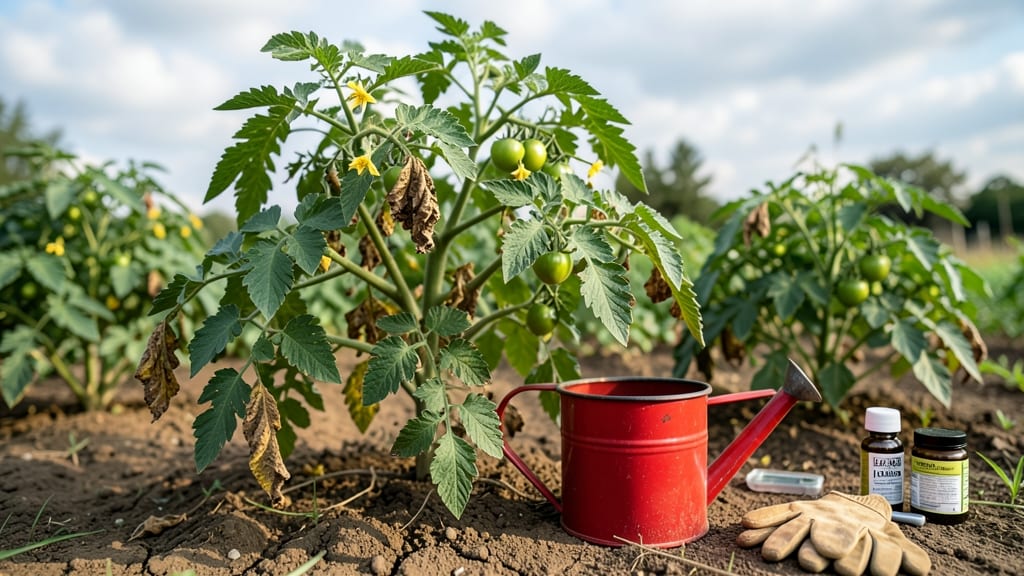
What causes tomato plant leaves to wilt is never just a random bad day—it’s a cry for help from your plant. 🌱 I’ve seen wilting go from a minor hiccup to a full-blown crisis in days, but the good news is that most cases have fast fixes if you catch them early. The key is figuring out whether your plant is thirsty, stressed, or fighting something unseen.
Overwatering and underwatering cause the same symptom—wilting—but the clues differ. Crispy brown edges mean underwatering (or root rot), while soft, droopy leaves that don’t bounce back when watered signal overwatering. Pests like aphids or diseases like early blight also trigger wilting, often with yellow spots or sticky residue.
The first step? Check the soil moisture and inspect the undersides of leaves.
Once you identify the cause, the fixes are straightforward: adjust watering, prune diseased leaves, or introduce beneficial insects. Most wilting reverses within 24-48 hours if caught early—just give your plant the right care, and it’ll bounce back stronger. The worst mistake? Ignoring it until the whole plant collapses.
For stubborn cases, don’t panic—sometimes wilting is just the plant’s way of telling you it’s time for a transplant or a nutrient boost. If the problem persists after trying these fixes, it might be time to consult a local extension office.
But in my experience, 90% of wilting is fixable with quick action.
Root Causes Behind Wilting Leaves
Tomato plants are resilient, but when their leaves start wilting, it’s often a cry for help from the roots, environment, or even unseen pests. Understanding the why behind wilting is the first step to reviving your plants.
Below, we break down the most common culprits—each with a clear scientific explanation and actionable insights to diagnose the issue.
Wilting leaves are often blamed on underwatering, but overwatering is a far more common (and sneaky) culprit. When tomato plants sit in soggy soil for too long, their roots suffocate due to a lack of oxygen—a condition called root rot.
This disrupts the plant’s ability to absorb water and nutrients, even if the soil feels damp.
- Why it happens: Roots need air pockets to breathe.
Compacted or waterlogged soil forces roots to "drown," triggering wilting as the plant struggles to transport water upward. - How to spot it: Leaves turn yellow or brown, stems feel mushy, and the soil smells sour or rotten. - Quick fix: Let the top 1–2 inches of soil dry out between waterings.
Amend heavy soil with perlite or compost to improve drainage, and ensure pots have drainage holes.
Tomatoes are thirsty plants, and wilting is their way of signaling dehydration. When soil moisture drops too low, the plant closes stomata (tiny leaf pores) to conserve water, causing leaves to droop. Heatwaves make this worse by increasing evaporation rates.
- Why it happens: The plant’s vascular system relies on turgor pressure—water-filled cells that keep leaves rigid.
Without enough water, cells collapse, and leaves wilt. - How to spot it: Soil is dry 1–2 inches deep, leaves feel crispy or papery, and wilting occurs during the hottest part of the day (recovering at night). - Quick fix: Water deeply early in the morning (1–1.5 inches per week, more in heat).
Use mulch to retain moisture and shade cloth to protect plants from scorching sun.
Pathogens like early blight, late blight, or bacterial wilt (Ralstonia solanacearum) can cause wilting by clogging the plant’s xylem vessels (the "straws" that transport water). These diseases thrive in warm, humid conditions and spread rapidly.
- Why it happens: - Fungal wilting: Spores infect leaves, creating dark lesions that block water flow. Infected plants may wilt even when soil is moist. - Bacterial wilt: Bacteria multiply in the xylem, forming a gel-like plug that stops water movement.
Often fatal once symptoms appear. - How to spot it: - Early blight: Yellow lower leaves with concentric rings. - Late blight: Dark, greasy spots on leaves (like Phytophthora). - Bacterial wilt: Sudden wilting, especially in one branch, with oozing stems when cut. - Quick fix: - Remove infected plants immediately (don’t compost them!). - Apply copper fungicide preventatively and space plants for airflow. - For bacterial wilt, sterilize tools and avoid overhead watering.
Wilting can also stem from nutrient deficiencies, particularly potassium (K) or calcium (Ca). These minerals regulate water balance and cell structure. A lack of them weakens the plant’s ability to retain moisture.
- Why it happens:
- Low potassium: Weakens cell membranes, leading to osmotic stress (water leaks out of cells).
- Low calcium: Causes blossom-end rot in tomatoes, but severe deficiency can also lead to wilting by disrupting root growth.
- How to spot it:
- Potassium deficiency: Yellowing leaf edges (but green veins), stunted growth.
- Calcium deficiency: Dark, sunken spots on fruits; new leaves may cup or wilt.
- Quick fix:
- Side-dress with banana peel tea (potassium-rich) or crushed eggshells (calcium).
- Use a balanced fertilizer (10-10-10) and test soil pH (aim for 6.0–6.8).
Sap-sucking pests like aphids, spider mites, or nematodes weaken tomato plants by feeding on roots or leaves, disrupting their water transport system. Even physical root damage (from transplant shock or digging) can cause wilting.
- Why it happens:
- Above-ground pests: Aphids inject toxins and drain sap, causing leaves to wilt and curl.
- Below-ground pests: Nematodes feed on root hairs, reducing water absorption.
- Root trauma: Damaged roots can’t uptake water efficiently, leading to transient wilting (often recoverable).
- How to spot it:
- Sticky residue (honeydew) on leaves (aphids).
- Fine webbing on undersides (spider mites).
- Gnarled, stunted roots when pulled gently.
- Quick fix:
- Blast pests off with water or use neem oil.
- Solarize soil (cover with plastic for 4–6 weeks) to kill nematodes.
- Handle roots gently during transplanting and avoid compacting soil.
Tomatoes are sensitive to environmental shocks, including:
- Windburn: Rapid water loss from desiccation.
- Salt buildup: From tap water or fertilizers, which disrupts osmosis in root cells.
- Herbicide drift: Glyphosate or other chemicals can kill roots silently.
- Why it happens: Stress hormones like ethylene trigger stomatal closure, causing wilting even if soil is moist.
- How to spot it:
- Wilting only on wind-exposed sides of the plant.
- White crust on soil surface (salt buildup).
- Unexplained wilting after recent pesticide/herbicide use nearby.
- Quick fix:
- Mulch heavily to protect roots from wind.
- Flush soil with rainwater to leach out salts.
- Test water for chlorine/salt (use distilled or filtered water if high).
Fix wilting tomato leaves fast
Now that you’ve identified the culprit behind your tomato plant’s droopy leaves, it’s time to take action! Whether it’s overwatering, underwatering, disease, or pests, each issue has a targeted solution.
Below, we’ll break down practical fixes for every common cause—plus prevention tips to keep your plants thriving.
Signs: Yellowing leaves, mushy stems, soil that stays soggy for days.
How to Fix It: 🔥 Stop Watering Immediately – Let the top 1–2 inches of soil dry out before watering again. 🍳 Check Your Soil – Stick your finger in the soil; if it’s damp past 2 inches, wait longer. 👨🍳 Improve Drainage – Mix in perlite, sand, or compost to loosen heavy soil. Elevate pots if needed. 🥘 Repot if Necessary – If roots are rotting, trim damaged roots and repot in fresh, well-draining soil. ⏰ Water Deeply but Less Often – Give plants a long, slow drink (10–15 minutes) every 5–7 days instead of daily shallow watering.
💡 Prevention Tip: Use a moisture meter or the "squeeze test"—if soil clumps when pressed, it’s too wet.
Signs: Dry, crispy leaf edges, wilting even after watering, soil pulling away from pot sides.
How to Fix It: 🔥 Water Thoroughly – Soak the soil until water runs out the drainage holes. 🍳 Mulch to Retain Moisture – Spread 2–3 inches of mulch (straw, wood chips) around the base to lock in water. 👨🍳 Provide Shade – Move plants to partial shade (especially in peak afternoon sun) or use a shade cloth. 🥘 Adjust Watering Schedule – Water early morning (before 10 AM) to reduce evaporation. ⏰ Group Plants Together – They create a microclimate that retains humidity.
💡 Prevention Tip: Drip irrigation or self-watering pots keep soil consistently moist without overdoing it.
Signs: Spots, mold, or wilting with yellow/green streaks on stems.
How to Fix It: 🔥 Remove Infected Leaves – Snip off yellow/brown leaves with sterilized scissors (wipe with rubbing alcohol). 🍳 Prune for Airflow – Thin out foliage to improve circulation—crowded plants stay damp and diseased. 👨🍳 Apply Fungicide – Spray with copper fungicide or a baking soda mix (1 tsp baking soda + 1 quart water + a drop of dish soap). 🥘 Water at the Base – Avoid wetting leaves to prevent spread. ⏰ Rotate Crops – If replanting, wait 2–3 years before growing tomatoes in the same spot.
💡 Prevention Tip: Copper tape around pot edges can block fungal spores from climbing up stems.
Signs: Holes in leaves, sticky residue (aphids), or wilting from sap-sucking pests.
How to Fix It: 🔥 Blast Off Pests – Spray plants with soapy water (1 tsp mild soap per quart of water). 🍳 Introduce Beneficial Bugs – Ladybugs and lacewings eat aphids naturally. 👨🍳 Neem Oil Spray – Mix 1 tsp neem oil + 1 tsp dish soap + 1 quart water and spray every 5–7 days. 🥘 Handpick Large Pests – Drop tomato hornworms or cutworms into soapy water. ⏰ Use Row Covers – Floating row covers block pests before they infest.
💡 Prevention Tip: Plant basil or marigolds nearby—they repel pests naturally!
Signs: Sudden wilting, leaf scorch (brown edges), or blackened stems after temperature swings.
How to Fix It: 🔥 Move to a Cooler Spot – If temperatures hit above 90°F (32°C), provide afternoon shade. 🍳 Use Row Covers – Lightweight fabric can lower temps by 5–10°F (3–6°C). 👨🍳 Mulch Heavily – Black plastic or straw mulch keeps roots cooler in heat. 🥘 Water Deeply in Heatwaves – Morning watering prevents shock from sudden heat. ⏰ Hardening Off Seedlings – Gradually expose young plants to outdoor temps over 7–10 days.
💡 Prevention Tip: Choose heat-tolerant varieties like ‘Heatmaster’ or ‘Solar Fire’ tomatoes.
Final Pro Tip: 🎯 Keep a plant journal—track watering, weather, and pest issues to spot patterns and prevent future wilting!
With these fixes, your tomato plants should perk up in days—and you’ll be back to harvesting juicy, homegrown tomatoes in no time! 🍅🌿
Frequently asked questions
Why do my tomato leaves wilt in the afternoon but look fine in the morning?
This classic pattern usually means underwatering or heat stress. Tomato plants close their stomata (pores) during hot afternoons to conserve water, causing wilting. If leaves recover overnight, your plant is likely just thirsty—water deeply in the early morning (1–1.5 inches per week) and use mulch to retain moisture. For extreme heat (90°F+), provide afternoon shade with a shade cloth.
Can wilting tomato leaves recover, or is it too late?
Most wilting is reversible if caught early! If leaves feel soft but not crispy and the soil is moist, your plant is just stressed—not dead. Give it 24–48 hours of proper care (correct watering, shade if needed) and monitor. If leaves stay wilted and brown/mushy, the damage may be permanent, but the plant can often grow new healthy leaves. The key is acting fast before the whole plant collapses.
How do I tell if wilting is from overwatering vs. underwatering? Check the soil and leaf texture:
• Overwatering: Soil stays damp for days, leaves turn yellow or brown, stems feel mushy, and the plant smells sour. Roots may ooze when touched.
• Underwatering: Soil is bone-dry 1–2 inches deep, leaves feel crispy or papery, and wilting happens during the day (recovering at night). Pull the plant gently—if it resists, it’s thirsty!
Will pruning help wilting tomato plants?
Pruning can actually help or hurt, depending on the cause. If wilting is from disease (like blight), remove all infected leaves immediately to stop spread. For overcrowded plants, prune to improve airflow—but avoid heavy pruning during stress (like heatwaves). Never prune more than 1/3 of the plant at once. Focus on removing yellow/brown leaves first, then assess the root cause.
Could my tomato plant be wilting because of something in the water?
Tap water with high chlorine, salt, or fluoride can stress plants. Test your water—if it has a white crust when evaporated, it’s too salty. Switch to rainwater or distilled water, or let tap water sit 24 hours before using to reduce chlorine. Also check for hard water (high calcium/magnesium)—if your soil has a chalky residue, flush it with pure water monthly.