
Companion Plants
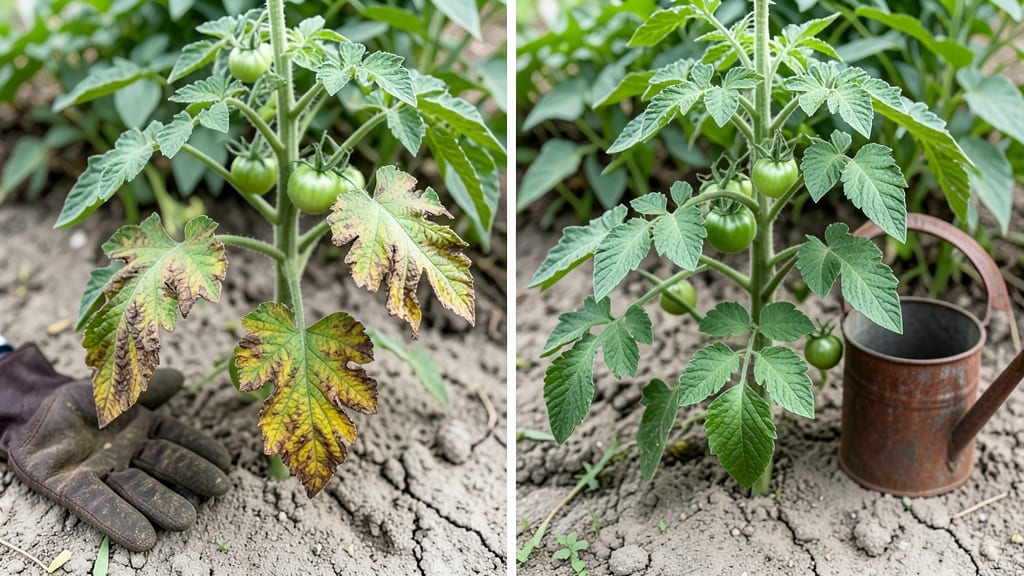
Brown leaves on tomato plants don’t mean your harvest is doomed—it’s often a fixable problem. 🌱 I’ve seen my own plants go from crisp and green to crispy brown in a week, but the right steps can turn things around.
The first thing to check is whether the damage is on the bottom leaves (likely fungal) or scattered randomly (could be pests or stress).
Fungal diseases like early blight or bacterial spot love warm, humid conditions, so start by removing affected leaves immediately and improving airflow around your plants. Prune for better circulation, space plants properly, and water at the base—not overhead. If you catch it early, you might avoid losing the whole plant.
For reversible issues like overwatering or nutrient deficiencies, the fix is simpler: adjust your watering schedule and add compost or a balanced fertilizer. Yellowing between veins usually means nitrogen, while brown edges could signal too much salt or not enough calcium.
A quick soil test can point you in the right direction.
Prevention is key—rotate crops yearly, choose disease-resistant varieties, and keep an eye out for early signs. My garden journal now includes a "leaf check" reminder every Tuesday, and it’s saved me from multiple panics. With these fixes, your tomatoes can bounce back faster than you think.
Root Causes Behind Leaf Discoloration
Brown leaves on tomato plants are rarely a random occurrence—they’re usually your plant’s way of signaling distress. Understanding the why behind the browning is the first step to saving your harvest.
Below, we break down the most common culprits, from environmental stressors to hidden pests, with clear explanations of how they damage your plants.
Tomatoes thrive in warmth, but too much sun or extreme heat can scorch their leaves, turning edges brown and crispy—especially in afternoon heatwaves. Here’s how it happens:
- Direct sunlight overload: Thin or hairless leaves (common in varieties like 'Cherry Roma') lack protection and absorb too much UV radiation, leading to oxidative damage.
- Transpiration stress: When temperatures exceed 90°F (32°C), stomata (leaf pores) close to conserve water, but this halts nutrient transport. Brown patches form as cells dehydrate.
- Soil moisture imbalance: Dry soil + high heat = roots struggle to supply water fast enough. Leaves wilt, then turn brown at the edges.
💡 Pro Tip: Use shade cloth (30–50%) during peak sun (11 AM–3 PM) or mulch heavily to keep roots cool. Drip irrigation in the early morning prevents leaf burn.
Brown, mushy leaves with yellowing undersides? This is classic root suffocation from overwatering or compacted soil. Here’s the science:
- Oxygen deprivation: Waterlogged roots can’t absorb oxygen, triggering anaerobic respiration. Roots release ethanol (yes, like alcohol), which poisons the plant.
- Fungal invasion: Stagnant soil breeds Pythium or Phytophthora, which clog root cells, cutting off water and nutrient flow. Leaves turn brown and droop.
- Salt buildup: Over-fertilized or tap-water-heavy soil leaves sodium chloride residues, burning root tips and causing leaf edges to crisp.
✨ Fix It: Test soil moisture by sticking your finger 2 inches deep—water only if dry. Amend soil with perlite or sand to improve drainage. Raise containers 6 inches off the ground to prevent water pooling.
Brown spots with yellow halos, white mold, or powdery residue? Fungi like Septoria leaf spot or early blight thrive in humid conditions. Here’s how they attack:
- Spore germination: Fungal spores land on leaves, germinate in 24–48 hours if humidity >75%, and penetrate via stomata or wounds.
- Cell breakdown: Fungi release cellulase enzymes, dissolving leaf tissue. Brown lesions expand as the pathogen spreads.
- Nutrient theft: Some fungi (like Alternaria) steal nitrogen and potassium, weakening the plant’s defenses.
🔥 Prevent Spread:
- Remove infected leaves immediately (don’t compost them!).
- Space plants 18–24 inches apart for airflow.
- Apply copper fungicide (like Copper Soap) every 7–10 days during rainy seasons.
Tiny invaders like spider mites, aphids, or tomato hornworms can cause brown speckling or skeletonized leaves. Their tactics:
- Sap-sucking pests (mites, aphids): Inject toxic saliva while feeding, causing brown stippling and stunted growth. Heavy infestations lead to leaf curl and drop.
- Chewers (hornworms, flea beetles): Leave irregular holes or notches along leaf edges. Hornworms can devour entire leaves in 24 hours.
- Secondary infections: Pest wounds create entry points for bacteria (Xanthomonas) or fungi, accelerating browning.
👨🍳 Take Action:
- Blast pests off with a strong spray of water (repeat daily for mites).
- Handpick hornworms (look for green caterpillars with white stripes).
- Introduce beneficial nematodes (Phasmarhabditis hermaphrodita) for grubs in soil.
Brown leaves can also signal micronutrient starvation. Here’s what’s missing and how to spot it:
| Deficiency | Leaf Symptoms | Cause |
|---|---|---|
| Potassium (K) | Brown scorch marks on leaf edges (like "fire damage"), starting at older leaves. | Poor soil organic matter or over-fertilizing with nitrogen (e.g., too much manure). |
| Magnesium (Mg) | Brown interveinal patches (between veins) on older leaves ("marbling"). | Compacted or high-pH soil (tomatoes need pH 6.0–6.8). |
| Calcium (Ca) | Young leaves develop brown, curled edges (blossom-end rot’s cousin). | Imbalanced N:K ratio or poor root uptake (common in container plants). |
📊 Fix It Fast:
- Test soil with a DIY kit or send a sample to a lab.
- Add Epsom salt (magnesium sulfate) for Mg deficiency (1 tbsp/gallon of water, spray leaves).
- Use calcium nitrate (not lime—it raises pH) for Ca issues.
Quick Fixes for Tomato Plant Health
Now that you’ve identified the cause of those pesky brown leaves on your tomato plants, it’s time to roll up your sleeves and take action! Below are practical, step-by-step solutions tailored to the most common culprits—fungal diseases, pests, environmental stress, and nutrient deficiencies.
Each fix includes prevention tips to keep your plants thriving long-term.
If brown, crinkled, or yellowing leaves are paired with white, black, or powdery spots, fungal infections like early blight, late blight, or powdery mildew are likely to blame. Act fast—these spread like wildfire!
🔥 Remove Infected Foliage Immediately
- How: Snip off all brown or spotted leaves with clean pruners (sterilize with rubbing alcohol between cuts).
- Why: Prevents spores from spreading to healthy leaves.
- Pro Tip: 💡 Don’t compost infected leaves—toss them in the trash instead.
🍳 Apply Fungicidal Sprays (Organic or Chemical)
| Solution | How to Use | Prevention Tip |
|---|---|---|
| Baking Soda Spray | Mix 1 tbsp baking soda + 1 tsp dish soap + 1 gallon water. Spray every 7–10 days. | Space plants for airflow; avoid overhead watering. |
| Neem Oil | Combine 1 tbsp neem oil + 1 tsp soap + 1 quart water. Spray at dusk (avoids burning leaves). | Rotate with copper fungicide to avoid resistance. |
| Copper Fungicide | Follow label instructions (e.g., spray every 1–2 weeks during outbreaks). | Plant garlic or chives nearby—they repel fungal spores naturally. |
| Commercial Fungicides | Use chlorothalonil (for blight) or myclobutanil (for mildew) per package. | Alternate with organic sprays to reduce chemical buildup. |
🌿 Improve Air Circulation & Hygiene
- Prune plants to open up the canopy (aim for 12–18 inches between branches).
- Water at the base (not overhead) to keep leaves dry.
- Mulch with straw or grass clippings to reduce soil splashing onto foliage.
If brown leaves have holes, chew marks, or webbing, pests like aphids, spider mites, or hornworms are the culprits. These critters suck sap or munch on leaves, leaving behind a messy (and brown) aftermath.
👨🍳 Handpick & Trap Pests
- Hornworms: 🔪 Check leaves at dawn/dusk—squish or drop them in soapy water.
- Aphids/Spider Mites: Blast them off with a strong stream of water (repeat every 2–3 days).
- Traps: Use yellow sticky traps for flying pests like whiteflies.
🥘 Natural Pest Repellents
| Remedy | How to Use | Prevention Tip |
|---|---|---|
| Soapy Water Spray | Mix 1 tsp mild castile soap + 1 quart water. Spray directly on pests. | Introduce ladybugs or lacewings—they eat aphids! |
| Garlic/Chili Pepper Spray | Blend 2 garlic cloves + 1 tbsp cayenne + 1 quart water. Strain and spray. | Plant basil, marigolds, or nasturtiums as pest deterrents. |
| Diatomaceous Earth | Dust lightly on leaves (avoid windy days). Reapply after rain. | Keep plants healthy and hydrated—stressed plants attract more pests. |
Brown leaves can also signal too much sun, heat, or drought. If the edges are crispy or leaves feel dry to the touch, your tomatoes might be thirsty or sunburned.
💧 Hydration & Shade Solutions
- Water deeply (1–2 inches per week) but avoid soggy soil (root rot worsens fungal issues).
- Mulch with straw or wood chips to retain moisture and cool roots.
- Provide afternoon shade (use shade cloth) if temps exceed 90°F (32°C).
🌡️ Prevent Heat Stress
- Choose heat-tolerant varieties like ‘Solar Fire’ or ‘Heatmaster’ tomatoes.
- Prune lower leaves to improve airflow and reduce heat buildup.
- Harvest early—ripe tomatoes on the vine can overheat and turn brown.
Brown, yellowing, or stunted leaves can mean lack of nitrogen, potassium, or magnesium. A quick soil test (or visual clues) helps pinpoint the issue.
💪 Fix with Fertilizer & Amendments
| Deficiency | Symptoms | Solution | Prevention Tip |
|---|---|---|---|
| Nitrogen (N) | Yellow lower leaves, stunted growth | Apply balanced fertilizer (10-10-10) or compost tea. | Side-dress with alfalfa meal every 4–6 weeks. |
| Potassium (K) | Brown edges on older leaves, weak stems | Use potassium sulfate or banana peel tea (steep peels in water). | Add wood ash (sparingly) to soil for a slow-release boost. |
| Magnesium (Mg) | Yellow patches between leaf veins | Spray Epsom salt solution (1 tbsp per gallon of water) every 2 weeks. | Mix crushed eggshells into soil for long-term magnesium. |
To keep your tomato plants lush and brown-leaf-free, follow this proactive care plan:
- Rotate crops annually to prevent soil-borne diseases.
- Test soil pH (aim for 6.0–6.8)—adjust with lime (to raise) or sulfur (to lower).
- Plant companion plants like basil, onions, or borage to deter pests and improve health.
- Monitor daily—catch issues early before they spread!
Remember: 🌱 Healthy tomatoes start with happy plants! With these fixes, your brown leaves will turn green again, and you’ll be back to harvesting juicy, disease-free tomatoes in no time.
Frequently asked questions
Why are my tomato plant leaves turning brown at the edges first?
Brown edges usually indicate environmental stress like underwatering, too much sun, or high soil salinity. Check soil moisture first—if dry, water deeply. For sunburn, provide afternoon shade (especially in 90°F+ heat). If using tap water, flush soil with rainwater to reduce salt buildup.
Can I save my tomato plant if most leaves are brown and crispy?
It depends! If only older leaves are affected (common with potassium deficiency or age), prune them and focus care on new growth. But if new leaves are browning (fungal disease or pests), act fast: remove infected parts, improve airflow, and apply fungicide. Severe cases may require replacing the plant to save your harvest.
How do I tell if brown spots are from fungus or pests?
Fungal spots (like early blight) appear as concentric rings with yellow halos, often on lower leaves. Pest damage shows irregular holes (hornworms), stippling (mites), or sticky residue (aphids). Hold a leaf up to light—fungus leaves no visible movement, while pests may scurry away.
Will pruning brown leaves help my tomato plant recover?
Yes! Pruning removes disease entry points and redirects energy to healthy growth. Cut 1 inch above the brown area (never tear leaves) and sterilize pruners with rubbing alcohol. For fungal issues, don’t compost the clippings—toss them in the trash to prevent reinfection.
How often should I check my tomato plants for early signs of browning?
Inspect plants 2–3 times per week, especially after rain or heatwaves. Early detection is key—catch fungal spots within 48 hours to prevent spread. Keep a small notebook nearby to track patterns (e.g., "bottom leaves browning after watering" = overwatering).