
Pests
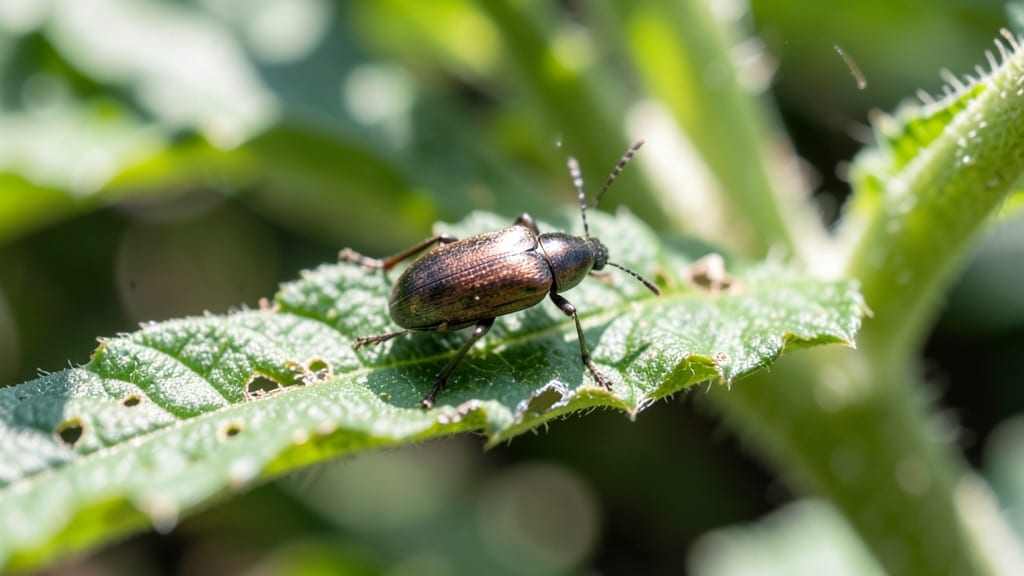
Flea beetles are turning your tomato leaves into Swiss cheese. 🌱 I’ve battled these tiny pests for years, and the key is catching them early before they skeletonize your plants—and I’ll show you exactly how to stop them without harsh chemicals.
The damage starts with tiny holes, then spreads fast. These beetles thrive in hot, dry weather, but you can outsmart them with simple tricks like row covers, companion planting (try basil or nasturtiums), and handpicking them off leaves in the morning. My plants recover fast once I act.
You’ll see new, healthy growth within 1-2 weeks of starting these methods. The best part? Your tomatoes stay lush, productive, and free of those annoying little pests for the rest of the season.
Works for both backyard gardens and container plants—no matter how bad the infestation looks now, these solutions will turn things around. Let’s get those leaves back to full and your harvest safe!
Root Causes Of Flea Beetle Attacks
Flea beetles may seem like tiny, harmless pests, but they can wreak havoc on your tomato plants—especially when they strike in numbers. Understanding why these beetles target your plants is the first step to preventing future infestations.
Below, we break down the key reasons flea beetles invade tomato gardens, backed by science and actionable insights.
Flea beetles are drawn to plants that are already struggling. When tomato seedlings or mature plants are crowded, they compete for sunlight, water, and nutrients, weakening their defenses. Stressed plants produce fewer natural repellents (like volatile organic compounds) that would normally deter pests.
Additionally, young, tender leaves are a flea beetle’s favorite snack because they’re easier to penetrate. If your seedlings are too close together, beetles can quickly find and devour them before they even get a chance to grow.
Actionable insight: Space tomato plants 18–24 inches apart to improve air circulation and reduce stress. Mulch around the base to retain moisture and strengthen plant resilience.
Flea beetles thrive when their natural predators are absent. In a healthy garden ecosystem, birds, lacewings, ground beetles, and parasitic wasps help keep their populations in check. However, if your garden lacks diverse plantings or wildlife-friendly habitats, these predators disappear, leaving your tomatoes vulnerable.
Chemical pesticides can also disrupt this balance by killing beneficial insects alongside pests. Without predators, flea beetle populations explode, leading to widespread damage.
Actionable insight: Plant companion flowers like marigolds, alyssum, or dill to attract predatory insects. Avoid broad-spectrum pesticides and opt for targeted, organic solutions instead.
Flea beetles are most active during warm, dry weather, especially in late spring and early summer. These conditions create the perfect breeding ground for them because:
- Dry soil reduces competition from other insects, giving beetles more access to your plants.
- High temperatures speed up their metabolism, increasing their appetite and reproduction rate.
- Sunlight exposure makes tomato leaves more attractive, as the beetles seek out warm, sunlit surfaces.
If your garden is in a hot, arid climate or you’ve had a drought, flea beetles are more likely to target your tomatoes aggressively.
Actionable insight:
- Water tomato plants deeply but infrequently to encourage strong root growth and reduce stress.
- Use shade cloth during peak afternoon heat to protect young plants.
- Mulch heavily to retain moisture and cool the soil.
Flea beetles are opportunistic feeders, and they’re more likely to attack when they encounter large patches of the same plant—especially tomatoes. Monoculture gardening (planting only tomatoes in a section) makes it easy for them to find and devastate your crops.
In nature, flea beetles must search for food across diverse plant species, which dilutes their impact. But in a tomato-heavy garden, they have a buffet and will stay until the plants are skeletonized.
Actionable insight:
- Interplant tomatoes with repellent crops like basil, onions, or nasturtiums.
- Rotate crops yearly to disrupt beetle life cycles.
- Avoid planting tomatoes in the same spot annually—this breaks their feeding patterns.
A tomato plant’s ability to repel pests naturally depends on its overall health. If your soil lacks essential nutrients like nitrogen, phosphorus, or potassium, your plants become weaker and more susceptible to flea beetle attacks.
Additionally, compacted or poor-draining soil can stunt root growth, making plants more attractive to pests. Flea beetles also prefer plants that are nutrient-deficient because they’re easier to consume.
Actionable insight:
- Test your soil and amend it with compost or organic fertilizer before planting.
- Use mycorrhizal fungi to improve root health and nutrient uptake.
- Avoid over-fertilizing with nitrogen—this can lead to soft, tender growth that beetles love.
Quick Fixes for Flea Beetle Damage
Flea beetles may be tiny, but their damage can feel massive—especially when your tomato plants look like they’ve been shot at with a BB gun. 🎯 The good news? You don’t need harsh chemicals to reclaim your garden.
Below are practical, step-by-step solutions tailored to the root causes of an infestation, plus prevention tips to keep beetles from crashing your harvest again.
If your tomato leaves already have jagged holes, act fast to minimize further damage.
🛡️ Physical Barriers: The First Line of Defense
Flea beetles are deterred by physical obstacles that block their access to your plants. - 🍳 Row Covers (Best for Early Prevention) Use floating row covers (lightweight fabric) to shield seedlings and young plants.
Secure them tightly with soil or bricks to prevent beetles from crawling underneath. Pro tip: Leave covers off during pollination if growing tomatoes for fruit, then reapply after flowering. - 👨🍳 Collars Around Stems Cut cardboard or aluminum foil into 2-inch-wide rings and wrap them around stems at the soil line.
Beetles can’t jump over these barriers, and they’ll eventually fall off as plants grow.
🥘 Trap Crops: Lure & Destroy
Flea beetles love radishes, mustard greens, and arugula more than tomatoes. Use these as sacrificial traps: 1. Plant a small patch of trap crops near your tomato beds. 2.
Once beetles infest the trap plants (usually within days), remove and destroy them (compost or trash—don’t compost if beetles are still alive!). 3. Repeat as needed to break their cycle. ✨ Bonus: This also works for aphids and cabbage worms!
Flea beetles hate strong scents and textures. Rotate these methods to keep them guessing.
🌡️ DIY Sprays (Safe for Edibles)
Mix these in a spray bottle and apply early morning or late evening (avoid direct sun to prevent leaf burn):
- 🔥 Garlic & Chili Pepper Spray
- Blend 4 garlic cloves + 1 tbsp cayenne pepper with 1 quart of water.
- Strain, add 1 tsp dish soap (as a surfactant), and spray every 3–4 days.
- Why it works: The sulfur in garlic repels beetles, while capsaicin irritates their exoskeletons.
- 🎯 Neem Oil Solution
- Mix 1 tbsp neem oil + 1 tsp mild soap + 1 quart water.
- Spray foliage (top and bottom) thoroughly.
Reapply after rain. - Caution: Avoid spraying in direct sun or high heat (can burn leaves).
🌿 Companion Planting: Nature’s Pest Control
Plant these flea beetle repellents alongside tomatoes to mask their scent:
- 🥗 Basil (also improves tomato flavor!)
- 🍎 Onions or Garlic (strong odors confuse beetles)
- 🌻 Marigolds (release a scent beetles avoid)
- 🌿 Nasturtiums (trap beetles away from tomatoes)
💡 Pro Tip: Interplant bush beans—flea beetles prefer them over tomatoes, acting as a decoy.
If you’re okay with a hands-off approach, introduce beneficial predators to your garden ecosystem.
🐞 Ladybugs & Lacewings
- Buy eggs or adults online or from garden centers.
- Release them at dusk when temperatures are cool (they’re less stressed).
- Provide water sources (shallow dishes with pebbles) to help them thrive.
- ⏰ Timeframe: Populations take 2–3 weeks to establish—best for preventive use.
🐍 Ground Beetles & Spiders
- Encourage their habitat by:
- Leaving leaf litter near tomato plants.
- Avoiding harsh pesticides that kill their prey.
- Planting clover or low-growing herbs to attract them.
An ounce of prevention is worth a pound of cure—especially with flea beetles, which can return year after year.
🌱 Start Strong: Healthy Plants Resist Pests
- 🌱 Choose Resistant Varieties Some tomato types are less appealing to flea beetles:
- ‘Mountain Merit’ (disease-resistant)
- ‘Cherokee Purple’ (thicker leaves deter feeding)
- ‘Stupice’ (a European variety with natural resistance)
- 🌱 Harden Off Seedlings Properly Acclimate young plants to outdoor conditions gradually to reduce stress (stressed plants attract pests).
🕰️ Timing Is Everything
- 🌅 Plant Late Flea beetles emerge in early spring. Delay planting tomatoes until late May or June (after the first frost risk passes).
- 🌙 Mulch Heavily Use straw or grass clippings to smother eggs and keep soil moist (beetles prefer dry conditions).
🧹 Garden Hygiene: Break the Cycle
- 🔄 Rotate Crops Avoid planting tomatoes, peppers, or eggplants in the same spot year after year (beetles overwinter in soil).
- 🧹 Clean Up Debris Remove old plant debris in fall—beetles lay eggs in weeds and dead leaves.
- 🌡️ Solarize Soil (For Heavy Infestations) In late summer, cover beds with clear plastic for 4–6 weeks to bake out eggs and larvae (works best in hot climates).
Final Reminder: Flea beetles are annoying but not deadly—your tomatoes will recover if you act quickly. Combine barriers, repellents, and prevention for the best results, and soon you’ll be harvesting hole-free, juicy tomatoes instead of beetle buffets! 🍅🚫🐜
Frequently asked questions
Why do flea beetles target my tomato plants more than other garden plants?
Tomatoes are a favorite because their tender leaves are easy to penetrate, and beetles are drawn to stressed plants. They especially love young seedlings and plants in crowded conditions where they can find food quickly. The scent of healthy tomato foliage also attracts them during warm, dry weather.
How quickly will my tomato plants recover after treating for flea beetles?
With immediate action, you’ll see new growth within 1-2 weeks. The key is removing barriers (like row covers) once the beetles are gone and keeping plants well-watered. Young plants may need more time, while established ones often bounce back faster if the roots are healthy.
Can I use neem oil on tomatoes that are already flowering or fruiting?
Yes, but with caution! Neem oil is safe for edible plants, but avoid spraying directly on flowers to protect pollinators. Apply it to foliage only, especially the undersides where beetles hide. Reapply after rain, and always spray in the evening when bees are less active.
What's the best time of day to handpick flea beetles?
The early morning is ideal—beetles are sluggish from cool temperatures and easier to spot. Drop them into soapy water to kill them instantly. Avoid handpicking during the heat of the day when they’ll scatter quickly and hide.
Will companion planting alone stop a severe flea beetle infestation?
Companion planting helps, but for severe cases, combine it with physical barriers (like row covers) and DIY sprays. While plants like basil and marigolds deter beetles, they won’t eliminate an established population—think of them as part of a layered defense system.