
Fertilization
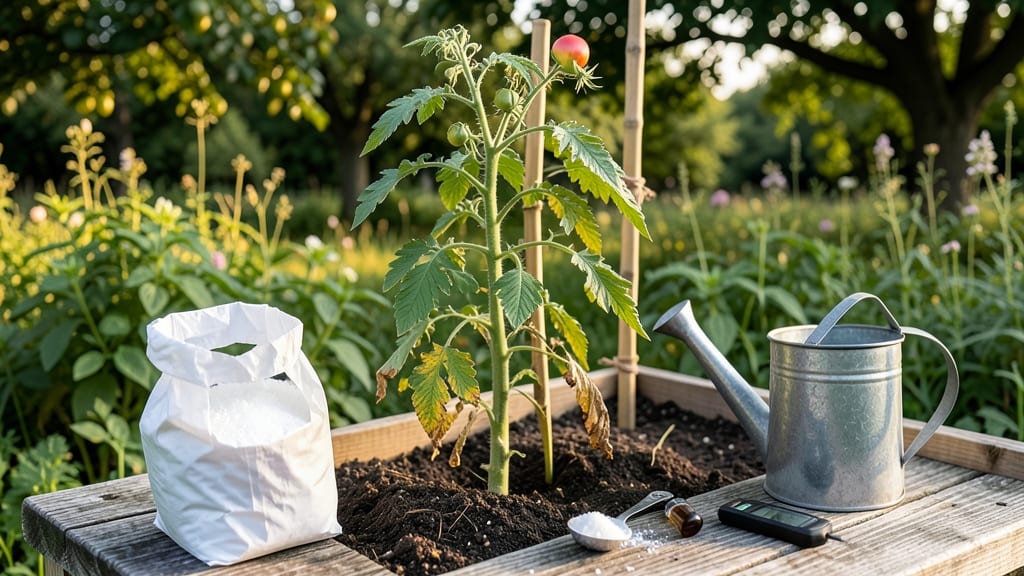
Your tomato plants' yellow leaves might be screaming for magnesium—Epsom salts can turn that sad yellow back to vibrant green in days. 🌱 I've seen this happen with my own struggling plants, and the fix is simpler than you'd think.
The key is magnesium deficiency, which shows up first on older leaves as pale yellow patches before spreading. Most gardeners overlook this mineral, but tomatoes love magnesium just as much as nitrogen.
A quick soil test or leaf analysis confirms the issue, but if you're ready to act now, Epsom salts provide an immediate boost. The solution is a simple spray or soil drench that works in as little as 3-5 days for new growth.
No fancy equipment needed—just water, a spray bottle, and a bag of Epsom salts from the garden center. What you'll end up with is plants that look like they've had a spa day: darker green leaves, stronger stems, and more fruit set.
The yellowing stops, and the plant starts redirecting energy to what matters—those juicy tomatoes you've been waiting for. This works for both container and in-ground tomatoes, making it a universal fix. The best part? This isn't just a quick fix—it's prevention too.
Regular applications every 2-3 weeks during the growing season keep your tomatoes thriving without the yellow warning signs. Here's exactly how to do it right.
Root Causes of Yellowing Tomato Leaves
Yellow leaves on tomato plants can be frustrating, but understanding the underlying causes is the first step to restoring your plants to vibrant health. Below, we break down the most common reasons—from nutrient deficiencies to environmental stress—and explain the science behind each.
Tomato plants are heavy feeders, and when they lack essential nutrients, leaves often yellow as a distress signal. The most critical deficiencies linked to yellowing include:
- 📊 Magnesium Deficiency (Most Common with Epsom Salts Fix) Magnesium is a central atom in the chlorophyll molecule, the pigment responsible for photosynthesis. When soil magnesium levels drop, older leaves (especially the lower ones) turn yellow between the veins while remaining green near the edges.
This is often called "interveinal chlorosis." - Why it happens: Over time, magnesium binds tightly to soil particles and becomes less available, especially in sandy or acidic soils (pH < 6.0).
Tomato plants also compete with weeds for magnesium, exacerbating the issue. - Actionable clue: Check soil pH—if it’s below 6.5, magnesium uptake plummets. Epsom salts (magnesium sulfate) are a quick fix because magnesium in this form dissolves easily in water, making it immediately accessible to roots.
- 💪 Calcium Deficiency (Blossom End Rot’s Silent Partner) While calcium deficiency is famous for causing blossom end rot (black, rotting bottoms on tomatoes), it also triggers yellowing and curling of new leaves, often paired with weak stems.
Calcium is immobile in plants, so symptoms appear on younger leaves first. - Why it happens: Calcium is highly insoluble in soil, especially when soil moisture fluctuates (e.g., drought followed by heavy watering).
Roots struggle to absorb enough, even if the soil contains calcium. High potassium or phosphorus levels can also block calcium uptake. - Actionable clue: Avoid over-fertilizing with high-potassium mixes (like banana peels or compost tea). Instead, use gypsum (calcium sulfate) or crushed eggshells for a slow-release source.
- 🥗 Nitrogen Shortages (The Slow Burn) Yellowing starts on older leaves (a classic sign of nitrogen deficiency) because the plant reallocates nitrogen to new growth.
Leaves may turn pale yellow or even brown if severe. - Why it happens: Nitrogen is highly mobile in soil and leaches quickly, especially after heavy rain or overwatering.
Organic matter decomposes over time, depleting available nitrogen unless replenished. - Actionable clue: Test your soil—if nitrogen levels are low, use a balanced fertilizer (e.g., 10-10-10) or top-dress with compost or fish emulsion. Avoid synthetic nitrogen spikes, which can burn roots.
Yellow leaves aren’t always about nutrients—sometimes, your tomato plants are screaming for help due to their surroundings. Here’s what’s likely happening:
- 🌡️ Overwatering or Poor Drainage (Root Suffocation) Waterlogged soil cuts off oxygen to roots, leading to yellowing leaves with a mushy texture (often starting at the bottom). Roots may also develop black, foul-smelling fungal growth. - Why it happens: Tomato roots need aeration to function.
Compacted or clay-heavy soils trap water, while overzealous watering (especially with low-oxygen water) drowns roots. - Actionable clue: Improve drainage by amending soil with perlite or compost. Water deeply but only when the top 1–2 inches of soil are dry. Raised beds or containers help prevent soggy roots.
- ☀️ Sunburn or Heat Stress (Too Much of a Good Thing) In hot climates, tomato leaves may develop yellow patches with crispy edges, especially on exposed upper leaves.
This is sun scald, where intense UV rays damage chlorophyll. - Why it happens: Tomatoes thrive in full sun (6–8 hours/day), but sudden heatwaves or reflective surfaces (like white walls) amplify UV damage.
Leaf hairs (trichomes) also burn off in extreme heat. - Actionable clue: Provide afternoon shade (e.g., shade cloth) during peak heat (90°F+). Mulch with straw to keep roots cool and reduce evaporation stress.
- 🌬️ Wind or Physical Damage (The Unseen Bruises) Yellowing can occur on leaves that have been torn or bruised by wind, hail, or even rough handling.
These leaves can’t photosynthesize efficiently and may turn yellow or brown. - Why it happens: Physical damage disrupts cell membranes, causing oxidative stress and nutrient leakage.
Weak stems (from calcium deficiency) make plants more susceptible. - Actionable clue: Use stakes or cages to support plants and prune damaged leaves to redirect energy to healthy growth. Avoid overhead watering, which can weaken leaves.
While not always obvious, pests and pathogens can drain nutrients and cause yellowing by: - 🐛 Sap-Sucking Insects (Aphids, Whiteflies, Spider Mites): These pests inject toxins and steal sugars from leaves, leading to yellowing, curling, or stippling (tiny white/yellow dots).
Infested leaves may also drop prematurely. - Why it happens: Weak plants (from nutrient deficiencies) attract more pests.
High humidity or sticky honeydew (a pest byproduct) creates a breeding ground for sooty mold, which blocks sunlight and worsens yellowing. - Actionable clue: Spray with neem oil or introduce ladybugs/predatory mites. Prune heavily infested leaves and remove debris to break pest cycles.
- 🍄 Fungal Infections (Early Blight, Septoria Leaf Spot): Fungal diseases like early blight cause yellowing with concentric rings or spots, often paired with brown lesions.
Roots may also rot if the fungus spreads. - Why it happens: Fungi thrive in wet, humid conditions and spread via contaminated soil, tools, or wind. Overhead watering splashes spores onto leaves. - Actionable clue: Water at the base of plants (avoid wetting foliage).
Apply copper fungicide preventatively and rotate crops annually to break the fungal life cycle.
Pro Tip: 💡 Before reaching for Epsom salts, rule out environmental causes first! A quick soil test (or DIY pH strip) can save time and money.
If magnesium deficiency is confirmed, a 1 tablespoon of Epsom salts per gallon of water applied every 2 weeks often revives plants in 7–10 days.
Quick Fixes for Reviving Tomato Plants
Yellow leaves on your tomato plants don’t have to spell disaster—with the right approach, you can restore their vibrant green health and boost growth. Below are practical, step-by-step solutions tailored to the most common causes of yellowing leaves, including how (and when) to use Epsom salts for a magnesium boost.
Plus, we’ll share prevention tips to keep your tomatoes thriving all season.
If your tomato leaves show yellowing between veins (especially older leaves), your plants are likely crying out for magnesium. Epsom salts (magnesium sulfate) are a quick and affordable fix.
🍳 Step-by-Step Epsom Salt Treatment
- Test Your Soil First 📊
- Grab a small soil sample and mix it with water. If the water turns cloudy or murky, your soil may already have excess salts—skip the Epsom salts and focus on flushing the soil instead.
- Mix the Solution 🥄
- Dissolve 1 tablespoon of Epsom salts in 1 gallon of water.
- For container-grown tomatoes, use 2 tablespoons per gallon (they absorb nutrients faster).
- Apply at the Right Time ⏰ - Best time: Early morning or late afternoon (avoid midday heat). - Method 1 (Soil Drench): Pour the solution directly into the soil at the base of the plant. - Method 2 (Foliar Spray): Lightly mist the undersides of leaves (where nutrients are absorbed fastest).
Use a spray bottle for precision.
- Frequency Matters 📅
- Every 2 weeks during the growing season (spring to early fall).
- Stop 4-6 weeks before harvest—excess magnesium can alter flavor.
- Combine with Organic Matter 🌱
- After treating, top-dress with compost or worm castings to improve soil structure and long-term magnesium availability.
✨ Pro Tip: If your tomatoes are flowering but not fruiting, magnesium deficiency can also cause blossom-end rot. Fixing it early prevents wasted effort!
Yellowing leaves with soggy soil or mushy stems? Your tomatoes are drowning in water, leading to root rot and nutrient starvation.
👨🍳 How to Drain & Revive
- Stop Watering Immediately 🚰
- Let the soil dry out completely before watering again.
- Improve Drainage 🏗️
- For pots: Add a 2-inch layer of gravel or perlite at the bottom.
- For garden beds: Mix in sand or coconut coir to loosen heavy soil.
- Repot if Necessary 🪴
- If roots are circling or black/mushy, transfer to fresh, well-draining soil.
- Water Deeply & Less Often 💧
- Rule of thumb: Water when the top 1-2 inches of soil are dry.
- Use a moisture meter or stick your finger in the soil to check.
💡 Prevention Tip: Always plant tomatoes in raised beds or mounds to prevent water pooling at the stem.
Yellow leaves can also signal too much nitrogen (lush leaves, few fruits) or not enough potassium (weak stems, yellow edges).
🔪 Adjust Your Fertilizer Strategy
| Problem | Fix | Prevention |
|---|---|---|
| All leaves yellow (nitrogen excess) | Switch to a balanced 5-10-10 fertilizer or compost tea. | Test soil before fertilizing. |
| Yellow edges (potassium deficiency) | Feed with banana peel tea or wood ash (sprinkle lightly around plants). | Add potassium-rich fertilizer early in the season. |
| Pale yellow leaves (iron deficiency) | Apply chelated iron or Epsom salts + compost to boost iron. | Use mulch to retain soil nutrients. |
🌿 Quick Fix: For chlorotic (yellow) new leaves, mix 1 tsp of iron sulfate in a gallon of water and spray foliarly.
Once your tomatoes are back to their green selves, keep them healthy long-term with these easy habits:
- 🌡️ Mulch Heavily: Use straw or grass clippings to retain moisture and regulate soil temperature. - 🍅 Prune Wisely: Remove suckers and lower leaves to improve airflow (reduces disease risk). - 📅 Rotate Crops: Avoid planting tomatoes in the same spot yearly to prevent nutrient depletion. - 💧 Monitor pH: Tomatoes thrive in slightly acidic soil (6.0-6.8).
Test with a DIY pH kit and amend with lime (to raise pH) or sulfur (to lower pH) if needed.
Final Thought: Yellow leaves are your tomato plants’ way of sending an SOS—but with the right fixes, they’ll bounce back faster than you think! Start with Epsom salts for magnesium, adjust your watering habits, and balance nutrients for a bountiful harvest. 🍅✨
Frequently asked questions
Why do tomato leaves turn yellow between the veins first?
This classic pattern is called interveinal chlorosis and almost always signals a magnesium deficiency. Magnesium is crucial for chlorophyll production, and older leaves show symptoms first because the plant moves nutrients to protect new growth. Epsom salts (magnesium sulfate) are the fastest fix for this common issue.
How often should I apply Epsom salts to tomato plants?
Use a 1 tablespoon per gallon of water solution every 2 weeks during the growing season. For container plants, double the dose to 2 tablespoons per gallon. Stop applications 4-6 weeks before harvest to avoid altering fruit flavor.
Can I use Epsom salts if my tomato plants have yellow edges instead?
Yellow edges usually indicate potassium deficiency or overwatering, not magnesium. Epsom salts won't help here—try banana peel tea or wood ash instead. Check soil moisture first: soggy roots can cause similar yellowing patterns.
Will Epsom salts work for other vegetables with yellow leaves?
Yes! Epsom salts can help peppers, squash, and citrus trees with magnesium deficiency symptoms. The same 1 tbsp/gallon ratio works for most plants, but always confirm through a soil test first—some plants (like blueberries) prefer different pH levels.
What if my tomato leaves stay yellow after using Epsom salts?
If yellowing persists after 2-3 applications, check for other issues: overwatering, pests, or fungal diseases like early blight. Test soil pH (ideal is 6.0-6.8) and consider a comprehensive soil test—other nutrients like nitrogen or calcium may be lacking.