
Companion Plants
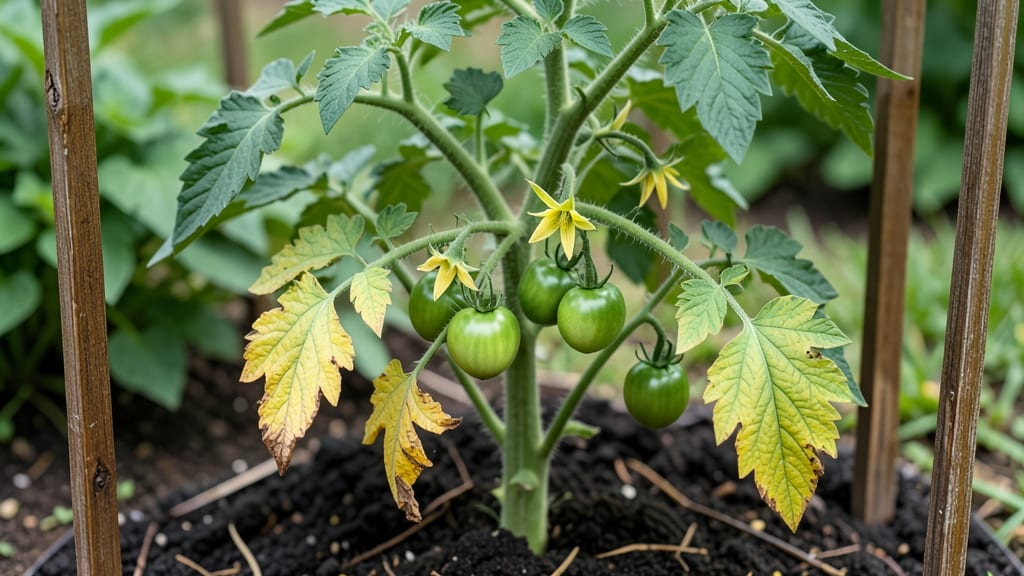
Yellow lower leaves on tomato plants can turn a thriving vine into a sad, droopy mess—but there’s a simple way to fix it before it spreads. 🌱 I’ve seen this happen to my own plants, and the good news is, most cases aren’t caused by disease or pests.
It’s usually a fixable issue like overwatering, nutrient imbalance, or even just the plant’s natural aging process. The key is acting fast to save your harvest.
First, check the soil moisture—soggy roots are a common culprit. Then, inspect the leaves for other signs like spots or curling, which could mean disease or pests. If the leaves are just yellow and limp, it’s likely a watering or nutrient issue.
A quick soil test or adding compost can work wonders, and pruning the affected leaves gives the plant energy to focus on new growth. Most gardeners skip this step, but it’s the easiest way to stop the problem.
Within a week of adjusting watering and adding a balanced fertilizer, you’ll see fresh green leaves emerging from the top of the plant. The best part? Your tomatoes won’t even notice the difference, and you’ll avoid the heartbreak of a wasted season.
This fix works for both container and in-ground plants, so no matter where your tomatoes are growing, you’re covered.
Don’t let this scare you off—it’s one of the most common tomato issues, and the solutions are straightforward. The sooner you act, the sooner your plants bounce back. Next time you see those yellow leaves, grab your trowel and let’s get to work! The harvest is worth it.
Root Causes Behind Leaf Yellowing
When your tomato plants start showing yellowing on the lower leaves, it’s often their way of signaling stress or a nutritional imbalance. Understanding the why behind this symptom is the first step to restoring your plants’ health.
Below, we break down the most common culprits—each with a clear scientific explanation and actionable insights to help you diagnose the issue accurately.
Yellowing lower leaves are a classic sign of waterlogged roots, which suffocate the plant’s root system and prevent it from absorbing oxygen and nutrients.
Tomatoes thrive in well-draining soil with a moisture balance—too much water leads to anaerobic conditions in the roots, causing them to rot and release toxic compounds like ethanol and acetaldehyde. These toxins disrupt nutrient uptake, particularly potassium and magnesium, which are critical for leaf health.
🔍 How to spot it:
- Leaves turn yellow and mushy or wilted, even when soil feels damp.
- Root inspection reveals dark, slimy, or foul-smelling roots.
- Potted tomatoes may develop a "sour" odor from the drainage holes.
Tomatoes are heavy feeders, and yellowing lower leaves often point to a deficiency in key nutrients. Here’s how each deficiency manifests and why:
| Nutrient | Symptoms | Why It Happens | Quick Fix |
|---|---|---|---|
| Nitrogen (N) | Pale yellow leaves (chlorosis) starting at the older leaves; stunted growth. | Nitrogen is essential for chlorophyll production. Deficiencies occur in poor soil, after heavy fruiting, or if soil microbes can’t convert organic N into plant-available forms. | Apply a balanced fertilizer (10-10-10) or compost tea. Avoid over-fertilizing—too much N promotes leafy growth at the expense of fruit. |
| Potassium (K) | Yellowing edges or tips of lower leaves (often with brown spots); weak stems. | Potassium regulates water and nutrient movement in plants. Deficiencies arise from leaching in sandy soil, overwatering, or high temperatures that increase demand. | Use a potassium-rich fertilizer (like wood ash or banana peel tea) or foliar spray with potassium sulfate. |
| Magnesium (Mg) | Interveinal yellowing (veins stay green) on older leaves; cupping or curling. | Magnesium is the center of the chlorophyll molecule. It’s often leached from soil during acidic conditions or over-fertilization with ammonium-based fertilizers. | Apply Epsom salt (magnesium sulfate)—1 tablespoon per gallon of water as a foliar spray or soil drench. |
| Iron (Fe) | Bright yellow leaves with green veins (chlorosis) on new growth; stunted plants. | Iron deficiency is common in alkaline soils (pH > 7.0), where iron becomes insoluble and unavailable. Tomatoes also struggle to absorb it in waterlogged conditions. | Lower soil pH with sulfur or peat moss. Use a chelated iron supplement for fast results. |
💡 Pro Tip: Conduct a soil test to confirm deficiencies. If your soil is alkaline, grow tomatoes in containers with acidic potting mix (pH 6.0–6.8) for better iron uptake.
Physical damage to roots—whether from transplant shock, pests (like nematodes), or fungal infections (e.g., Fusarium or Verticillium wilt)**—disrupts the plant’s ability to transport water and nutrients. When roots are compromised, lower leaves (the oldest) are the first to show stress, turning yellow before wilting or dying.
🔍 How to spot it:
- Leaves yellow and drop suddenly, even with consistent watering.
- Stems develop dark streaks (common in wilt diseases).
- Roots appear gnarled, discolored, or missing when inspected.
- Soil may smell rotten or have mold.
Not all yellowing is a cause for alarm! Tomatoes, like many plants, follow a predictable leaf life cycle. Older leaves at the base naturally senesce (age) as the plant redirects energy to new growth and fruit production. This process is normal and shouldn’t be confused with nutrient stress.
🔍 How to tell it apart:
- Yellowing starts on a few lower leaves and progresses upward slowly.
- Leaves crisp and fall off naturally without wilting or browning.
- The rest of the plant looks healthy and vigorous.
- No other symptoms (spots, wilting, stunted growth).
💡 Pro Tip: If only 1–2 lower leaves yellow weekly, your plant is likely just pruning itself. Remove these leaves to reduce competition for nutrients and improve airflow.
🔥 Key Takeaway: Most yellowing issues are fixable with targeted adjustments—whether it’s tweaking your watering routine, amending soil, or addressing hidden pests. Start with the most likely cause based on your plant’s other symptoms, and act fast to save your harvest! 🍅
Revive Your Tomato Plants Fast
Yellowing lower leaves on your tomato plants can feel like a red flag, but don’t panic—most issues have simple fixes. Below, we break down cause-specific solutions to restore your plants to peak health, plus prevention tips to keep them thriving. Let’s get those leaves back to their vibrant green!
Symptoms: Yellowing lower leaves, soggy soil, wilting despite watering. Why it happens: Too much water (or compacted soil) cuts off oxygen to roots, causing stress and nutrient loss.
How to Fix It: 🍳 Adjust your watering routine
- Water deeply but less frequently—aim for 1–1.5 inches per week (check with a trowel: soil should be moist 2–3 inches down).
- Avoid overhead watering (especially in the evening) to prevent fungal diseases like blight.
👨🍳 Improve soil drainage
- Mix in compost or perlite (1 part to 3 parts soil) to loosen heavy clay.
- If potted, ensure containers have drainage holes and elevate them slightly.
⏰ Let the soil dry slightly between waterings
- Stick your finger in the soil—if the top inch is dry, it’s time to water.
Prevention Tip: 💡 Mulch around plants with straw or wood chips to retain moisture without over-saturating soil.
Symptoms: Pale yellow leaves (especially older ones), stunted growth, slow recovery after pruning. Why it happens: Tomato plants crave nitrogen, potassium, and magnesium—deficiencies show up as yellowing.
How to Fix It: 🔥 Boost nitrogen (for leafy growth)
- Use a balanced fertilizer (10-10-10) or fish emulsion (high in nitrogen).
- Apply every 2–3 weeks during the growing season.
🌡️ Add potassium (for root strength)
- Try potassium-rich fertilizers like banana peel tea (steep peels in water for 24 hours) or greensand.
- Look for labels with potassium (K) percentages of 10%+.
🎯 Fix magnesium deficiency (yellow patches between veins)
- Sprinkle Epsom salt (magnesium sulfate) around the base—1 tablespoon per gallon of water, applied every 2 weeks.
- Alternatively, use dolomitic lime (for long-term soil health).
Prevention Tip: ✨ Test your soil every 2–3 years with a home kit ($10–$20) to avoid guessing. Adjust fertilizers based on results!
Symptoms: Yellowing + spots, holes, or webbing on leaves; sticky residue (aphids). Why it happens: Sap-sucking pests (aphids, spider mites) or fungal infections (early blight) drain nutrients, causing discoloration.
How to Fix It: 🔪 Remove infected leaves immediately
- Snip off yellowed or spotted leaves with sterilized scissors (dip in rubbing alcohol).
- Dispose of them in the trash (not compost) to stop spread.
🥘 Spray natural pest deterrents
- Neem oil solution: Mix 1 tbsp neem oil + 1 tsp mild soap + 1 quart water. Spray every 5–7 days (safe for plants, kills eggs too).
- Insecticidal soap for aphids/spider mites—reapply after rain.
🌿 Encourage beneficial predators
- Plant marigolds, basil, or nasturtiums nearby to attract ladybugs and lacewings, which eat pests.
- Release praying mantis eggs (available online) for heavy infestations.
Prevention Tip: 💡 Rotate crops yearly—don’t plant tomatoes in the same spot to break disease cycles.
Symptoms: Yellowing + crispy edges, leaf drop, or slow growth. Why it happens: Extreme heat, cold drafts, or transplant shock shock roots.
How to Fix It: 🌡️ Protect from temperature swings
- Heat stress? Provide shade cloth (30–50%) during peak sun (11 AM–3 PM).
- Cold stress? Use row covers or move pots to a sheltered spot at night.
🍅 Give roots room to breathe
- If repotting, choose containers 2–3 inches larger than the root ball.
- Loosen soil gently around roots when transplanting to reduce shock.
⏰ Acclimate seedlings gradually
- Harden off seedlings by placing them outside for 1–2 hours daily, increasing time over 7–10 days.
Prevention Tip: 🎯 Plant tomatoes in late spring (after the last frost) when soil temps are consistently above 60°F.
Final Pro Tip: 🌱 Prune strategically—remove suckers (side shoots) to redirect energy to fruit-bearing branches, reducing stress on the plant.
With these fixes, your tomato plants should bounce back in 1–2 weeks—and you’ll be back to harvesting juicy, vine-ripened tomatoes in no time! 🍅🔥
Frequently asked questions
Why do my tomato plants only have yellow lower leaves and not upper ones?
This is often a sign of nutrient deficiency or overwatering. Older leaves at the bottom absorb and show symptoms first because the plant prioritizes sending nutrients to new growth. Check the soil moisture—if it's soggy, reduce watering. For nutrient issues, try a balanced fertilizer (10-10-10) or Epsom salt for magnesium deficiency.
Can I still harvest tomatoes if the lower leaves are yellow?
Yes! Yellow lower leaves rarely affect fruit quality. The plant focuses energy on producing tomatoes, so your harvest should be fine. Just address the underlying issue (like watering or nutrients) to prevent the yellowing from spreading upward. Remove severely yellowed leaves to help the plant conserve energy.
How can I tell if my tomato plant's yellow leaves are from disease or just normal aging?
Normal aging shows 1-2 yellow leaves per week that crisp and fall off naturally, with no wilting or spots. Disease or pests cause multiple leaves to yellow quickly, often with additional symptoms like spots, holes, or webbing. Check the undersides of leaves for pests or dark streaks in stems for fungal issues.
Will pruning yellow leaves help my tomato plant recover faster?
Pruning removes the plant's energy drain, allowing it to focus on new growth. Use sterilized scissors to snip yellow leaves at the stem. For severe cases, remove up to 25% of the foliage, but avoid over-pruning. Always prune in the morning when leaves are dry to prevent disease spread.
What's the fastest way to fix yellow leaves caused by overwatering?
Stop watering immediately and let the soil dry out completely. Improve drainage by mixing compost or perlite into heavy soil. For potted plants, ensure containers have drainage holes. Water only when the top 1-2 inches of soil are dry. Within 3-5 days, you should see the plant perk up and new green leaves emerge.