
Planting
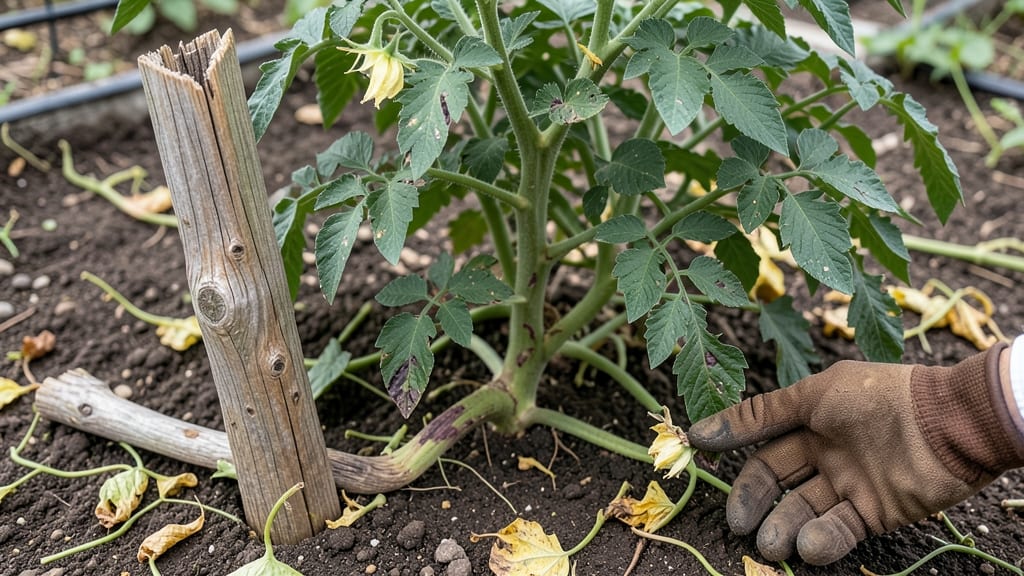
Wind can turn your tomato plants into sad, floppy messes overnight—tomato plant wind damage leaves stems bent, leaves shredded, and fruit hanging by a thread. 🌱 I’ve seen entire harvests ruined by just one strong gust, but I’ve also learned how to nurse plants back to health (and even prevent future disasters).
The damage isn’t always permanent: broken stems can heal if you reinforce them, and torn leaves regrow surprisingly fast with the right care. The key is acting quickly—prune damaged foliage to redirect energy, stake or cage weakened plants, and keep the soil moist so roots recover faster.
My plants bounce back in 1-2 weeks with this approach. You’ll end up with sturdy stems, fewer split fruits, and a garden that stands up to summer storms. The secret? A mix of physical support (cages, stakes) and smart pruning to keep plants balanced.
Even my most wind-battered tomatoes make a full comeback with these tricks. Works for backyard gardens, containers, or raised beds—just adjust the support size to your plant’s needs. Let’s get those tomatoes upright again!
The Hidden Forces Behind Floppy Tomatoes
Wind isn’t just an annoyance—it’s a silent saboteur for your tomato plants. When gusts whip through your garden, they don’t just rattle leaves; they trigger a cascade of stress responses that can cripple your crop.
Understanding why wind damages tomato plants is the first step to protecting them. Below, we break down the science behind the chaos.
Tomato plants are delicate structures—think of them as skyscrapers made of straw. When wind hits, it exerts physical force on stems, leaves, and fruit, bending or breaking them like twigs. Here’s how it happens:
- Stem Snapping: Tomato stems contain collenchyma cells, which provide structural support but are only so flexible. High winds cause torsional stress (twisting), leading to clean breaks or sunscald where exposed tissue dries out.
- Leaf Tearing: Large, broad leaves act like sails, catching wind and tearing at their delicate edges. This creates entry points for pathogens like Alternaria or Septoria, which thrive in damaged tissue.
- Fruit Abrasion: Green tomatoes are soft and prone to bruising when they slap against each other or the plant’s own structure. This leads to blossom-end rot (from calcium loss) or sunscald (white, leathery patches).
Pro Tip: 💡 Wind speed over 10 mph is enough to start causing visible damage. If your garden is exposed, even light breezes can stress plants over time.
Wind doesn’t just batter tomatoes—it confuses them. Plants rely on gravitropism (growing upward) and thigmomorphogenesis (responding to touch). When wind constantly pushes them sideways, they waste energy trying to reorient instead of focusing on fruit production.
- Hormonal Imbalance: Wind triggers a surge in ethylene (a stress hormone), which can prematurely drop flowers or stunt growth. It also disrupts auxin (the growth hormone), leading to weak, leggy stems.
- Water Stress: Wind accelerates transpiration (water loss), forcing roots to work overtime. If the soil can’t keep up, leaves wilt, and fruit shrivels.
- Root Disruption: Shallow-rooted tomato varieties (like cherry tomatoes) are especially vulnerable. Wind can loosen soil around roots, reducing stability and nutrient uptake.
Fun Fact: 🌡️ Studies show tomatoes exposed to consistent wind can reduce yield by up to 30% due to these hidden stresses.
Wind doesn’t work alone—it often teams up with heat to create a double whammy. Here’s how:
| Factor | How It Harms Tomatoes |
|---|---|
| Increased Evaporation | Wind removes the boundary layer of moist air around leaves, drying them out faster. This leads to leaf scorch (brown, crispy edges). |
| Temperature Fluctuations | Wind can cool leaves while roots stay warm (or vice versa), causing physiological stress. Tomatoes thrive in 70–85°F; wind + heat above 90°F = fruit sunburn. |
| Pollination Failures | Tomatoes rely on insects or wind for pollination. Strong gusts can blow away pollen before it reaches flowers, leading to small, seedless fruit. |
Warning Sign: ✨ If your tomato leaves look cupped or curled with a silvery sheen, it’s a classic sign of wind + heat stress.
Now that you know why wind sabotages your tomatoes, the next step is how to fight back. Stay tuned!
Quick fixes for wind-worn tomatoes
Wind damage can turn your thriving tomato plants into floppy, stressed messes—but don’t panic! With the right steps, you can nurse them back to health and even prevent future storms from ruining your harvest.
Below, we’ve mapped out practical fixes based on the root cause of the damage, plus prevention tips to keep your plants standing strong.
If wind has snapped or severely bent your tomato stems, act fast to stabilize the plant before it collapses.
- 🔥 Prop Up with Stakes or Cages Insert a sturdy bamboo stake or tomato cage near the damaged stem. Gently tie the plant to the support using soft plant ties or old T-shirts (avoid wire or tight materials that can cut into the stem).
For extra security, weave the plant through the cage for full support.
- 🍳 Splint Fractured Stems (For Minor Cracks) If the stem is cracked but not fully broken, create a DIY splint using a small wooden dowel or popsicle stick.
Secure it with duct tape or soft cloth strips to hold the stem in place while it heals. Keep the area dry to prevent rot.
- 👨🍳 Prune Damaged Growth Severely damaged branches or leaves won’t recover and can drain the plant’s energy. Use clean pruning shears to trim back broken stems just above a healthy leaf or joint. This redirects energy to new growth.
Fruit that’s been battered by wind may still be salvageable—if you act quickly.
- 🥘 Reposition Heavy or Bruised Tomatoes If fruit is still attached but bruised, gently place it in a shaded spot (like under a leaf or a makeshift cloth canopy) to prevent sunburn. Avoid touching the damaged skin to reduce further injury.
- 🔪 Harvest Early (If Necessary) If tomatoes are soft, split, or severely misshapen, pick them early—they’ll ripen indoors on a sunny windowsill. Cut the stem cleanly with scissors to avoid tearing the plant further.
- ⏰ Monitor for Rot or Pests Wind damage can create entry points for blight or pests. Check damaged fruit daily and remove any that show signs of mold (fuzzy spots) or insect activity. Dispose of affected fruit in a sealed bag, not the compost.
Wind stress weakens tomatoes, making them vulnerable to disease and poor fruiting. Help them recover with these steps.
- 💡 Water Deeply (But Not Too Much) Wind-stressed plants need consistent moisture to rebound, but overwatering can drown roots. Water deeply at the base (1–2 inches per week) in the early morning to reduce evaporation. Use a soaker hose to avoid disturbing the soil.
- 🎯 Fertilize Gently Avoid heavy nitrogen fertilizers post-damage—they encourage leafy growth at the expense of fruit. Instead, use a balanced fertilizer (10-10-10) or compost tea to rebuild strength without overstimulating new growth.
- ✨ Shield from Future Wind If your garden is windy, create a windbreak using:
- Burlap or frost cloth staked around the plant.
- Tall plants like corn or sunflowers as natural barriers.
- A DIY trellis with a windward side (facing the wind) made of plastic sheeting or chicken wire to deflect gusts.
An ounce of prevention is worth a pound of fixes! Set your tomatoes up for success before the next breeze hits.
- 🌡️ Choose Wind-Resistant Varieties Some tomatoes handle wind better than others. Opt for determinate (bush) varieties (like ‘Roma’ or ‘Celebrity’) or dwarf indeterminate types (like ‘Tiny Tim’ or ‘Micro Tom’) that stay low to the ground.
- 🎯 Plant Strategically
- Avoid open, exposed areas—plant near fences, walls, or other crops.
- Space plants 18–24 inches apart to reduce competition for wind protection.
- Use raised beds—plants in containers or mounds are less likely to topple.
- 💡 Strengthen Stems Early
- Hardening off seedlings gradually before transplanting helps stems toughen.
- Side-dress with compost at planting to encourage strong root growth.
- Train vines early to stakes or cages so they’re accustomed to support.
- ✨ DIY Wind Guards Before storms, wrap young plants in toilet paper rolls or cardboard tubes to shield stems. Remove once the plant is established.
With these fixes and a little TLC, your tomato plants can bounce back—and even produce a bountiful harvest despite the wind. Stay vigilant, and your garden will thank you! 🍅💨🌿
Frequently asked questions
How can I tell if my tomato plant is just floppy from heat or actually damaged by wind?
Check for physical signs: wind damage shows torn leaves, bent or snapped stems, or bruised fruit. Heat stress causes drooping leaves that feel soft and limp when touched, often with a silvery sheen on the undersides. If stems are cracked or leaves have jagged tears, wind is the culprit.
Can I still save tomatoes that got battered by wind but are still green?
Yes! Harvest them carefully by cutting the stem cleanly with scissors. Place them in a paper bag with a banana (to speed ripening) and store in a cool, dark place (like a pantry). Wind-bruised tomatoes may ripen unevenly but are still safe to eat. Avoid leaving damaged fruit on the vine—it’s prone to rot.
What’s the fastest way to reinforce a tomato plant after a storm?
Use a DIY cage: bend bamboo stakes into a loose cage shape and weave the plant through it. Secure with soft cloth strips (never wire). For emergency support, wrap the stem with a toilet paper roll or cardboard tube to protect it from further bending. Do this within 24 hours for best results.
Will pruning damaged leaves actually help my tomato plant recover?
Removing torn or broken leaves reduces stress on the plant and prevents disease. Prune just above a healthy leaf node using clean shears. This redirects energy to new growth and fruit production. Just avoid cutting more than 1/3 of the foliage at once—too much pruning weakens the plant further.
Are there any tomato varieties that naturally handle wind better?
Yes! Look for determinate varieties (like ‘Roma’ or ‘Celebrity’) or compact indeterminate types (like ‘Tiny Tim’). These stay shorter and stockier, making them less likely to topple. Avoid tall, sprawling varieties (like ‘Brandywine’) in windy areas—they’re more prone to damage.