
How To
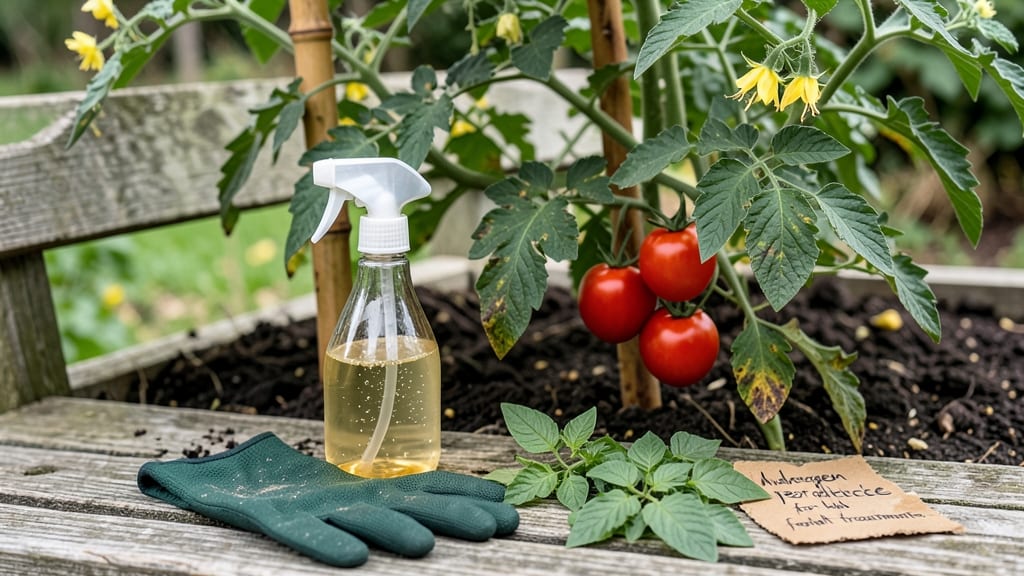
Hydrogen peroxide for tomato blight isn't just another remedy—it’s the 24-hour fix I’ve used to save my plants from crumbling leaves and rotten fruit. 🌱 When those dark, greasy spots appear on your tomatoes, this simple household solution can stop the spread faster than store-bought fungicides.
The key? Timing and technique. I’ll show you exactly how to mix it, apply it, and prevent future outbreaks so your plants bounce back stronger.
Here’s the thing—blight thrives in damp, crowded conditions, but hydrogen peroxide disrupts its life cycle by releasing oxygen. A 3% solution (the kind you use for cleaning wounds) becomes your secret weapon when sprayed directly on infected leaves and soil.
It’s not just about treating symptoms; it’s about breaking the fungus’s hold. Plus, it’s safer than chemical fungicides, so you can spray right before harvest without worrying about residue.
Within a day, you’ll see the difference: new growth pushing through, leaves regaining their vibrant green, and no more blackened edges. The best part? It works on other fungal issues too—early blight, late blight, even powdery mildew.
I’ve saved entire plants with just a few applications, and the results speak for themselves. No more throwing out half-rotten tomatoes or watching your garden give up mid-season.
But here’s where most gardeners mess up: they wait too long. The moment you spot those first suspicious spots, grab your spray bottle and act fast. Combine this treatment with proper spacing, airflow, and mulching to keep blight at bay for good.
Ready to turn the tide on fungus? Let’s get your tomatoes back in fighting shape.
Root Causes Of Tomato Blight
Tomato blight—especially the dreaded Phytophthora infestans (late blight) and Alternaria solani (early blight)—isn’t just a random attack on your garden. It thrives because of specific conditions that create the perfect storm for fungal spores to spread and infect your plants.
Understanding these triggers helps you prevent outbreaks and use hydrogen peroxide as a targeted defense. Let’s break down the science behind why blight strikes your tomatoes so aggressively.
Blight fungi love wet conditions—think of them as aquatic invaders. Here’s why moisture fuels their growth:
- Spores need water to germinate: Fungal spores (zoospores for late blight) swim through water to infect leaves, stems, and fruit. Even dew or overhead watering can turn your garden into a fungal buffet.
- Stagnant soil = fungal paradise: If your tomato beds sit in soggy soil (especially after heavy rain), roots suffocate, weakening plants and making them ripe for infection. Phytophthora thrives in waterlogged conditions because it’s an obligate parasite—it needs a watery environment to survive.
- Humidity accelerates spread: High humidity (above 70%) creates a microclimate where spores release enzymes to break down plant cell walls. This is why blight often spreads like wildfire in greenhouses or densely planted rows.
Actionable fix: Improve drainage with raised beds or containers, and avoid watering leaves (use drip irrigation instead). If your soil stays wet for more than 24 hours, it’s a red flag.
Blight doesn’t just appear out of nowhere—it’s already lurking. Here’s how spores set up shop:
- Surviving on debris: Old tomato stems, leaves, or even compost with infected plant matter harbor overwintering spores. These can lie dormant for months until conditions are right.
- Wind & water spread: A single infected plant can release thousands of spores per day. Wind carries them miles, while rain splashes them onto healthy plants. This is why blight outbreaks often start in one corner of the garden and explode across the entire patch.
- Crowded plants = faster spread: Poor airflow between plants traps moisture and spores. In tight spaces, a single infected leaf can contaminate an entire plant in 48 hours.
Actionable fix: Remove all tomato debris at the end of the season (don’t compost it!) and space plants 18–24 inches apart for airflow. Hydrogen peroxide sprays can kill spores on contact, but prevention is key.
Blight fungi are opportunistic—they wait for the perfect weather to strike. Here’s how temperature plays a role:
- Cool, damp nights (50–65°F): Phytophthora infestans thrives in these conditions. Spores germinate fastest when temperatures drop at night but stay warm during the day—a classic setup for late blight.
- Sudden rain after dry spells: A heatwave followed by heavy rain creates a perfect storm for spore release. The stress from drought weakens plants, making them more susceptible.
- Greenhouse traps humidity: If you’re growing tomatoes in a greenhouse or under plastic, the lack of airflow combined with high humidity creates a fungal incubator.
Actionable fix: Monitor weather forecasts and act fast if rain is predicted. Use hydrogen peroxide sprays proactively during cool, damp periods (every 7–10 days). Also, avoid mulching too close to stems—keep mulch 2–3 inches away to prevent moisture buildup.
Healthy tomatoes resist blight better than stressed ones. Here’s what makes them vulnerable:
- Nutrient deficiencies: Lack of potassium or phosphorus weakens cell walls, making them easier targets for fungal enzymes. Blight exploits these gaps like a burglar casing a house.
- Over-fertilizing with nitrogen: Too much nitrogen = soft, lush growth that’s delicious to fungi. It’s like feeding your tomatoes junk food—they get weak and sickly.
- Physical damage: Pruning wounds, hail, or even insect bites create entry points for spores. A single cut can become a gateway for infection.
- Root stress: Compacted soil, poor drainage, or root-knot nematodes starve plants, making them unable to fight off pathogens.
Actionable fix: Feed tomatoes a balanced fertilizer (look for NPK ratios like 5-10-10) and harden plants with proper care. After pruning, dust cuts with cinnamon powder or a hydrogen peroxide solution to seal wounds.
Quick Fixes for Tomato Blight
Tomato blight can feel like a nightmare for gardeners, but hydrogen peroxide (H₂O₂) is a powerful, natural ally that can help you reclaim your plants in just 24 hours—or even prevent future outbreaks. The key is understanding the cause and matching it with the right treatment.
Below, we’ll break down the most common triggers for blight and how to tackle them with hydrogen peroxide, plus some smart prevention tips to keep your tomatoes thriving.
1. Early Signs? Act Fast with a Preventive Spray
🌱 If you spot small brown spots on leaves or stems (the first warning signs of blight), don’t wait—prevention is easier than a cure.
Mix a 3% hydrogen peroxide solution (1 part peroxide to 3 parts water) and spray it directly on the affected areas and surrounding foliage. The oxygen bubbles help smother fungal spores before they spread.
- When to apply: Early morning or late evening (avoid direct sunlight to prevent leaf burn).
- Frequency: Every 5–7 days during wet or humid weather.
- Pro tip: 💡 Add 1 tsp of baking soda to the mix for extra antifungal power!
2. Active Outbreak? Use a Stronger Solution 🛡️
If blight has already taken hold—yellowing leaves, blackened stems, or wilting plants—you’ll need a more concentrated treatment. Here’s how:
| Cause | Hydrogen Peroxide Fix | How to Apply |
|---|---|---|
| Early Blight | 1 tbsp H₂O₂ + 1 quart water + 1 tsp dish soap | Spray top and bottom of leaves every 3–4 days until symptoms fade. |
| Late Blight | 3 tbsp H₂O₂ + 1 gallon water + 1 tbsp neem oil | Drench soil and plants (especially at night) for 3–5 days straight. |
| Fungal Stem Rot | ½ cup H₂O₂ + 1 gallon water (soak roots) | Remove infected stems, then soak healthy roots in solution for 10 minutes. |
- Critical step: ⏰ Reapply after rain—water dilutes the peroxide, so you may need to retreat.
- Avoid over-spraying: Too much peroxide can bleach leaves—stick to the ratios above.
3. Soil Treatment for Root Health 🌍
Blight often starts in the soil. If your plants are weak or stunted, the fungus may be lurking underground. Here’s how to sterilize the soil naturally:
- Mix 1 cup of 3% hydrogen peroxide per gallon of water.
- Water the base of the plant (not the leaves) until the soil is fully saturated.
- Repeat weekly for two weeks to kill spores and boost beneficial microbes.
- Bonus: 🌡️ Add compost tea after treatment to restore healthy bacteria in the soil.
The best defense is a proactive routine. Here’s how to keep blight away using hydrogen peroxide and smart gardening:
🌿 Weekly Maintenance Sprays
- Every 7–10 days, spray your tomato plants with a diluted hydrogen peroxide mix (1 tbsp H₂O₂ + 1 quart water) even if they look healthy. This creates an unfriendly environment for fungal spores.
🌧️ Rain & Humidity Control
- Blight loves moisture—after heavy rain, spray plants with peroxide to dry them out faster.
- Improve airflow by pruning crowded branches and staking plants to reduce humidity near leaves.
🍅 Crop Rotation & Cleanup
- Never plant tomatoes (or potatoes/peppers) in the same spot two years in a row—this exhausts soil fungi.
- Remove and destroy infected leaves/stems immediately (don’t compost them!).
- Solarize soil in fall by covering it with clear plastic for 4–6 weeks to kill dormant spores.
🌱 Strengthen Your Plants
- Healthy tomatoes resist blight better! Feed them with:
- Compost or worm castings (for nutrients).
- Fish emulsion (for phosphorus, which boosts root strength).
- Epsom salt spray (1 tbsp per gallon of water) to prevent magnesium deficiency (a common blight trigger).
While hydrogen peroxide is highly effective, some cases may need extra help:
- Severe late blight? Combine peroxide with copper fungicide (follow label instructions).
- Wilting plants? Check for verticillium or fusarium wilt—these may require removal of the entire plant to prevent spread.
Final Thought: Hydrogen peroxide is your secret weapon against tomato blight—fast, chemical-free, and budget-friendly. By acting early, preventing moisture buildup, and keeping your plants strong, you’ll send blight packing and enjoy bountiful, disease-free tomatoes all season long! 🍅💪
Frequently asked questions
How soon will I see results after using hydrogen peroxide on tomato blight?
You can expect to see noticeable improvement within 24 hours if applied correctly. The hydrogen peroxide works by releasing oxygen that smothers fungal spores on contact. For early signs of blight, a single application of a 3% solution (1:3 ratio with water) often stops the spread within a day. Severe cases may require 3-5 days of daily treatment to fully control the fungus.
Can I use hydrogen peroxide on tomato plants before harvest?
Yes, hydrogen peroxide is completely safe for use before harvest when used at the proper concentrations. The 3% solution breaks down into water and oxygen, leaving no harmful residues. Always use the 1:3 dilution (1 part peroxide to 3 parts water) and avoid spraying directly on fruit just before picking to prevent any potential surface drying.
What's the difference between early blight and late blight treatments?
For early blight, use a 1 tbsp hydrogen peroxide + 1 quart water + 1 tsp dish soap mixture and spray both leaf surfaces every 3-4 days. For late blight, strengthen the solution to 3 tbsp hydrogen peroxide + 1 gallon water + 1 tbsp neem oil and apply as a soil drench at night for 3-5 consecutive days. Late blight spreads faster and requires more aggressive treatment.
Will hydrogen peroxide work if my tomato plants are already severely infected?
For severely infected plants, hydrogen peroxide alone may not be enough. Start with the strongest solution (½ cup peroxide per gallon of water) and apply daily for 5 days. Combine with copper fungicide for better results, or consider removing heavily infected plants to prevent spread. The key is acting immediately - hydrogen peroxide works best as a preventative measure when applied at the first signs of infection.
How often should I apply hydrogen peroxide as a preventative measure?
For prevention, apply a 1 tbsp hydrogen peroxide + 1 quart water solution every 7-10 days during humid weather or after rain. This creates an inhospitable environment for fungal spores. Increase frequency to every 5 days during peak blight season (late summer) or if you notice any early symptoms like small brown spots on leaves.