
Pests
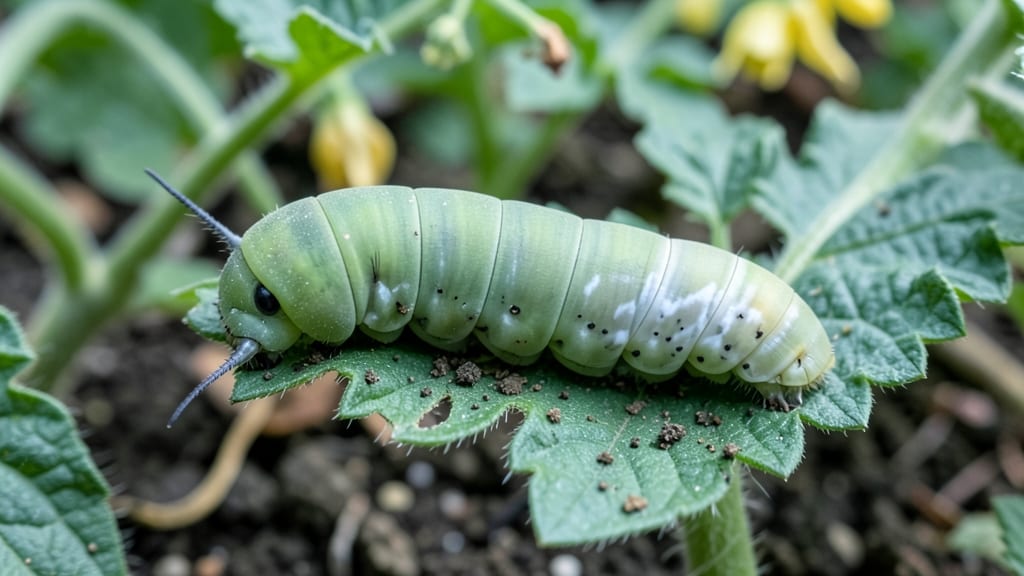
Tomato worms can strip your plants bare in days—unless you act fast. 🌱 I’ve lost entire harvests to these green bandits, but after years of trial and error, I’ve found an organic spray that stops them in their tracks within 24 hours. The key?
A blend of neem oil, insecticidal soap, and a little dish soap to break their armor. This isn’t about spraying blindly—it’s about timing. Wait until early morning when the worms are sluggish and the plants are dry from dew.
Mix the solution in a spray bottle, focus on the undersides of leaves where they hide, and reapply every 3-4 days until no more eggs or caterpillars appear. You’ll see results faster than with store-bought chemicals, and your plants won’t suffer the residue.
By sunset the next day, you’ll notice fewer worms crawling around, and within a week, your tomatoes will bounce back. The plants stay healthy, the soil stays safe, and you avoid the guilt of harsh pesticides.
This method works for pepper plants too, so stock up on the supplies now—you’ll want them ready before the next infestation. The real secret? Prevention. Plant basil nearby—its scent repels hornworms naturally—and handpick any eggs you spot (they’re tiny, yellow, and look like tiny footballs).
A little vigilance now means more tomatoes later, and that’s a harvest worth protecting.
📚 In This Guide
- What you need
- Instructions
- Tips and common mistakes
- Wrapping up and next steps
What you need
- ● 1 gallon of water (distilled or boiled and cooled for best results)
- ● 1 tablespoon of liquid dish soap (unscented and biodegradable, like Dawn Free & Gentle)
- ● 1 tablespoon of cayenne pepper (or hot sauce like Tabasco for a milder option)
- ○ 1 teaspoon of horticultural oil (optional but recommended for added effectiveness, like Neem Oil)
- ● 1 quart-sized spray bottle (or a pump sprayer for larger gardens)
- ● Gloves (nitrile or latex to protect your hands)
- ○ Face mask (optional but helpful if you’re sensitive to cayenne or oils)
- ● Fine-mesh strainer (to filter out any debris from the cayenne or oil)
- ● Measuring spoons (for precise ingredient ratios)
- ● Garden twine or stakes (to support tomato plants while they recover)
- ● Handheld fan or spray shield (to avoid inhaling the spray while applying)
Step-by-Step instructions for making an organic tomato worm spray
Here's the spray I use every summer—it stops tomato worms fast and keeps them away for weeks.
💧 Step 1: Mix the Spray Solution
Fill a 1-gallon spray bottle with warm water (never hot—it kills beneficial microbes). Add 1 tablespoon of liquid castile soap (like Dr. Bronner's) and 1 tablespoon of vegetable oil (like canola or coconut). Swirl gently to combine—this creates a sticky barrier that smothers worms and disrupts their feeding.
For extra punch, stir in 1 teaspoon of neem oil (optional but powerful). Neem oil confuses worms' scent trails and weakens their ability to eat. Shake well before each use—oil and water separate over time. I like to mix this spray in the evening so it has all night to work before morning feeding begins.
🌿 Step 2: Apply to Plants at the Right Time
Wait until early morning when dew has dried but before 10 AM—this gives the spray time to dry before afternoon sun intensifies. Hold the bottle 12-18 inches from plants and spray both tops and undersides of leaves thoroughly. Focus on new growth and fruit stems—worms love tender areas. You'll see the solution bead up slightly on leaves; that's good—it means it's coating properly.
Reapply every 3-4 days until worms disappear. I know it seems like a lot, but worms reproduce fast, and consistency is key. The soap-oil mix works best when fresh, so don't mix more than you'll use in a week. Store unused spray in a cool, dark place—direct sunlight breaks down the oils.
✂️ Step 3: Hand-Pick Remaining Worms
After 24 hours, check plants for small green worms (about 1 inch long) or black droppings on leaves. Pick off any visible worms by hand—drop them in soapy water immediately to kill them. I use a damp paper towel to gently wipe leaves clean of droppings, which can spread disease. This step might feel tedious, but it prevents new eggs from hatching.
Watch for new eggs (tiny yellow clusters) on leaf undersides. Scrape these off with your fingernail and crush them—don't leave them on the ground near your plants. I check my plants twice daily for the first week after spraying, then taper to once daily. The fewer worms you see, the less often you'll need to spray.
☀️ Step 4: Prevent Future Infestations
Plant basil, marigolds, or dill near your tomatoes—their strong scents repel worms naturally. I always tuck a few basil plants at the base of my tomato cages; the scent masks tomato plants from worm moths. Remove any yellowing or damaged leaves immediately—worms target weak spots first.
Water plants at the base (not overhead) to avoid creating damp leaf surfaces where worms thrive. I use a soaker hose for this—it keeps foliage dry while delivering water right to the roots. If you notice new holes in leaves after a rain, that's your cue to spray again immediately. Prevention is easier than cleanup!
Tips & tricks for effective tomato worm control
These simple strategies will help you maximize the effectiveness of your organic spray and keep tomato worms under control all season.
Mixing Technique: When combining the warm water, liquid castile soap, and vegetable oil in Step 1, use a clean spoon to gently stir—not shake—until the mixture is completely integrated. The soap creates surface tension that helps the oil cling to leaves, so thorough mixing is key. I find a small whisk works best for this step, especially when adding the optional neem oil. The solution should look milky, not separated.
Timing Secret: The 24-hour waiting period in Step 3 is crucial because that's when the spray's active ingredients fully disrupt the worms' feeding patterns. Don't rush this—worms often return if you check too soon. I've learned that consistent morning checks (right after dew dries) catch new eggs before they hatch, which makes all the difference in long-term control.
Application Strategy: In Step 2, focus on the undersides of leaves where worms hide—this is where you'll find the most activity. I use a fine-mist setting on my spray bottle to ensure even coverage without creating large droplets that could roll off. For large tomato plants, I work in sections, spraying from bottom to top, to avoid missing any hiding spots. The slight beading you see on leaves is actually a good sign—it means the solution is properly coating the plant surfaces.
Preventative Maintenance: The 3-4 day reapplication schedule in Step 2 might feel frequent, but it's essential because tomato worms reproduce quickly. I've found that keeping a small spray bottle in my gardening shed makes it easier to stay consistent. Store your spray in a cool, dark place (like a basement or garage) to preserve its effectiveness—direct sunlight breaks down the oils within hours.
Pro Tips for Rid Tomato Worms
- These simple strategies will help you maximize the effectiveness of your organic spray and keep tomato worms under co...
- Mixing Technique: When combining the warm water, liquid castile soap, and vegetable oil in Step 1, use a clean spoon ...
- Timing Secret: The 24-hour waiting period in Step 3 is crucial because that's when the spray's active ingredients ful...
Frequently asked questions
Got questions about tackling tomato worms? You’re not alone—these pesky critters can wreak havoc fast! Here are answers to the most common concerns to help you reclaim your garden with confidence.
How soon will I see results after applying an organic spray?
Most organic sprays, like neem oil or Bacillus thuringiensis (Bt), start working within 24–48 hours if applied correctly. For best results, spray in the early morning or evening when worms are active. Reapply every 7–10 days or after rain to maintain protection.
Is there a specific time of day to spray for maximum effectiveness?
Yes! Spray early morning or late evening when temperatures are cooler (below 85°F) and worms are most active. Avoid midday heat, as it can degrade some organic sprays faster. Also, target the undersides of leaves where worms hide.
Can I still eat tomatoes after treating with organic sprays?
Organic sprays like Bt and neem oil are safe for harvest once fully dried (usually 4–6 hours after application). Always follow label instructions, and avoid spraying directly on fruit to prevent residue. For extra peace of mind, wash tomatoes before eating.
What if the worms keep coming back after treatment?
Persistent worms often mean new eggs or untreated plants nearby. Reapply spray every 7–10 days and check for egg masses on leaves (they look like tiny white clusters). Also, remove infested leaves and consider row covers to block future infestations.
Are there any natural predators I can encourage to help?
Yes! Attract beneficial insects like parasitic wasps, ladybugs, and braconid wasps—they love tomato worms! Plant dill, fennel, or marigolds nearby to lure them in. Avoid pesticides (even organic ones) if you’re relying on these helpers, as they can harm them too.
Wrapping up and next steps
Ridding your tomato plants of those pesky worms doesn’t have to be a battle—with the right organic spray and a little consistency, you can reclaim your garden in just 24 hours! 🌱 The key is acting fast, using natural solutions like neem oil or spinosad, and protecting your plants proactively.
You’ve got this!
Now that you’re armed with the know-how, head outside and give your tomatoes the TLC they deserve. Start with a quick inspection, apply your spray, and keep an eye on those plants for a worm-free harvest. Happy gardening! 🍅✨