
Plants
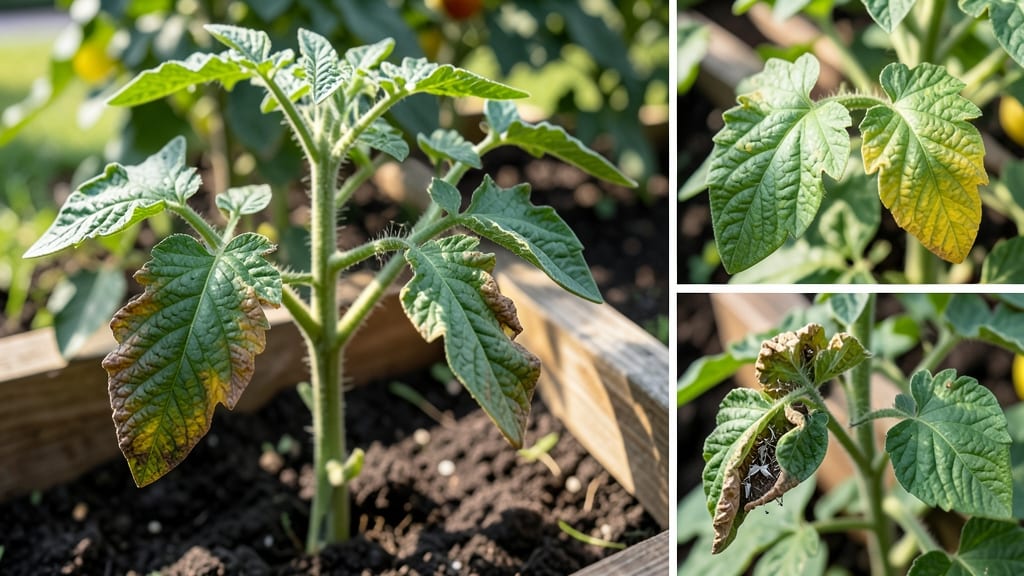
Curly leaf disease turns your tomato plants into twisted, stunted messes overnight. 🌱 I’ve watched this virus ruin entire vines in just weeks—yellowing leaves, crinkled edges, and fruit that never ripens. The good news? You can still save some plants if you act fast with organic fixes.
This disease spreads through leafhoppers, so prevention starts with row covers and early pest control. Once infected, prune affected leaves immediately and isolate plants to stop the spread. The key is speed—the sooner you act, the more tomatoes you’ll salvage.
You’ll see new growth within 2-3 weeks if you remove infected foliage and boost plant health with compost tea. Resistant varieties like ‘Defiant’ or ‘Mountain Merit’ can be your best defense next season. For severe cases, remove the whole plant to protect your garden.
Here’s how to diagnose and treat it before it’s too late.
Root Causes of Tomato Leaf Curl
Curly leaf disease in tomato plants—often called tomato leaf curl virus (ToLCV)—isn’t caused by a single factor but by a mix of environmental stressors, pest activity, and microbial interactions. Understanding these triggers is the first step to preventing and treating the issue.
Below, we break down the primary culprits behind distorted, curled, or stunted tomato leaves, along with the science behind each.
The most common cause of curly leaf disease is a virus, primarily the tomato leaf curl virus (ToLCV), which belongs to the Begomovirus family. These viruses are transmitted by insects, particularly:
- Whiteflies (Bemisia tabaci): The #1 vector for ToLCV.
These tiny, white, flying pests feed on plant sap and inject viral particles into the plant’s vascular system as they move between hosts. - Aphids: While less efficient than whiteflies, aphids can also spread the virus mechanically when they feed on infected plants.
Why it happens: Viruses like ToLCV disrupt the phytohormone balance in tomato plants, particularly ethylene and auxin, which regulate growth. This leads to:
- Abnormal cell division → curled, puckered leaves.
- Stunted growth due to impaired nutrient transport.
- Yellowing (chlorosis) as the virus blocks chlorophyll production.
💡 Pro Tip: Whiteflies thrive in hot, dry conditions, so monitoring them during summer is critical.
Tomato plants are sensitive to extreme heat, drought, and strong winds, which can mimic or worsen viral symptoms—even if no virus is present. Here’s how:
| Stressor | Effect on Tomato Leaves | Scientific Explanation |
|---|---|---|
| High Temperatures (>90°F/32°C) | Leaves curl upward to reduce water loss. | Heat causes stomatal closure, limiting gas exchange. Cells lose turgor pressure, leading to distortion. |
| Drought Conditions | Leaves curl inward to conserve moisture. | The plant’s abscisic acid (ABA) levels spike, triggering a survival response that curls leaves. |
| Strong Winds | Leaves curl or tear to reduce wind resistance. | Mechanical stress damages cell walls, causing physical deformation. |
Why it happens: While these conditions don’t cause viral infections, they weaken plants, making them more susceptible to pests and diseases. A stressed plant is also less able to fight off infections, allowing viruses to take hold faster.
🌡️ Pro Tip: Use shade cloth in peak summer or mulch to retain soil moisture and reduce heat stress.
Though less direct than viruses, fungal and bacterial pathogens can create conditions that mimic or exacerbate curly leaf symptoms. Common culprits include:
- Fusarium wilt (Fusarium oxysporum f. sp. lycopersici): Clogs the plant’s xylem vessels, restricting water and nutrient flow → curled, yellowed leaves.
- Early blight (Alternaria solani): Causes leaf spots and necrosis, which can distort leaf edges as the plant tries to isolate damaged areas.
- Bacterial spot (Xanthomonas perforans): Produces toxic compounds that disrupt cell function, leading to curling and scorch-like symptoms.
Why it happens: These pathogens compete with the plant for resources, leading to:
- Nutrient deficiencies (e.g., potassium or magnesium) → weak, malformed leaves.
- Hormonal imbalances (e.g., excess ethylene) → curling as a stress response.
- Physical damage from lesions → the plant’s attempt to "fold in" damaged areas.
✨ Pro Tip: Rotate crops annually and sterilize tools to prevent soil-borne pathogens from spreading.
Tomatoes need balanced nutrition to grow strong and resilient. When soil lacks key nutrients or has pH imbalances, leaves may curl as a defense mechanism. Common triggers:
- Potassium (K) Deficiency: Leaves curl downward at the edges (a classic "scorch" symptom).
Potassium regulates osmotic pressure and water movement. - Magnesium (Mg) Deficiency: Causes interveinal chlorosis (yellowing between veins), leading to curled, brittle leaves. - High Soil pH (>7.0): Locks out micronutrients like iron and manganese, causing stunted growth and leaf distortion. - Over-fertilization with Nitrogen (N): Leads to soft, sappy growth that’s prone to curling and pest attacks.
Why it happens:
- Nutrient deficiencies disrupt chlorophyll synthesis and enzyme activity, impairing photosynthesis.
- Imbalanced pH prevents root uptake of essential minerals, starving the plant.
- Excess salts (from over-fertilization) cause osmotic stress, forcing leaves to curl to reduce water loss.
💡 Pro Tip: Test your soil annually and amend with compost to improve nutrient availability and pH.
Some pests physically damage leaves, causing them to curl as a protective response. Key offenders:
- Spider Mites: Feed on cell sap, causing stippling and curling as the plant tries to seal off damaged areas.
- Thrips: Pierce cells with their mouthparts, leading to silver streaks and curled new growth.
- Caterpillars (e.g., hornworms): Chew large holes, triggering compensatory curling in remaining tissue.
Why it happens:
- Mechanical damage releases jasmonic acid, a stress hormone that alters growth patterns.
- Saliva from pests can introduce toxic compounds that disrupt cell function.
- Reduced leaf surface area forces the plant to conserve energy, leading to stunted, curled leaves.
🔥 Pro Tip: Use neem oil or insecticidal soap to deter pests without harming beneficial insects.
While some causes (like viruses) are hard to eradicate, most can be mitigated with: ✅ Proper sanitation (remove infected plants immediately). ✅ Pest control (monitor whiteflies and aphids). ✅ Optimal growing conditions (balanced soil, adequate water, shade in heat). ✅ Resistant varieties (e.g., ‘Heatmaster’ or ‘Solar Fire’ tomatoes tolerate stress better).
How to Fix Curly Tomato Leaves
Curly, distorted leaves on your tomato plants can be frustrating, but the good news is that many causes have simple, organic solutions—no harsh chemicals required!
Below, we’ll match each likely culprit to a step-by-step fix, plus prevention tips to keep your vines thriving. Let’s get those leaves perky again!
Fix: Cool things down and shield your plants.
- 🌿 Provide shade cloth (30–50% coverage) during peak sun (10 AM–4 PM).
- 💦 Increase watering frequency—keep soil consistently moist (1–2 inches deep) but avoid soggy roots.
- 🌱 Mulch heavily with straw or grass clippings to regulate soil temperature.
- 🌬️ Boost airflow by pruning crowded branches or spacing plants 18–24 inches apart.
💡 Pro Tip: Move potted tomatoes to a shadier spot midday if possible. Heat stress often fades with cooler temps!
Fix: Flush the soil and adjust feeding.
- 🚰 Flush the soil with water (1–2 gallons per plant) to leach excess salts. - 🛑 Stop nitrogen-heavy fertilizers (like blood meal) for 2–3 weeks.
Switch to a balanced 5-5-5 or low-nitrogen organic fertilizer (e.g., fish emulsion or compost tea). - 🍅 Feed with potassium-rich options like banana peels (blended into water) or wood ash (sparingly) to support recovery.
✨ Quick Fix: Brew compost tea (steep compost in water for 24 hours, strain) and water plants with it to restore microbial balance.
Fix: Isolate, blast, and introduce predators.
🔥 Step 1: Isolate Infested Plants
- Move affected plants away from healthy ones to prevent spread.
👨🍳 Step 2: Blast Off Pests
- 💦 Spray with water (forceful stream) to knock off mites/aphids.
- 🧼 Use insecticidal soap (1 tsp mild soap + 1 quart water) or neem oil spray (1 tbsp neem oil + 1 tsp soap + 1 quart water).
Reapply every 5–7 days.
🐞 Step 3: Attract Beneficial Bugs
- Plant marigolds, dill, or basil nearby to lure ladybugs and lacewings.
- Release predatory mites (if available at garden centers) for spider mite control.
🎯 Prevention: Install fine mesh netting over young plants to block pests early.
Fix: Revive moisture and adjust your watering routine.
- 💧 Water deeply (1–2 inches per week, more in heat) at the base—avoid wetting leaves to prevent fungal issues.
- 🕒 Water in the morning to reduce evaporation and give roots time to absorb moisture.
- 🌱 Add moisture-retentive mulch (straw or coconut coir) to lock in hydration.
🔥 Emergency Fix: Submerge the entire pot in water for 10–15 minutes if soil is bone-dry.
Fix: Remove, disinfect, and boost plant immunity.
🔪 Step 1: Prune and Destroy Infected Parts
- 🗑️ Remove all curled/discolored leaves (don’t compost—bag and trash them).
- 🌱 If the whole plant is infected, pull it up to prevent spread to others.
🧼 Step 2: Sterilize Tools and Soil
- Clean pruners with rubbing alcohol between cuts.
- 🌱 Solarize soil (cover with clear plastic for 4–6 weeks in hot sun) or add compost to improve drainage.
💪 Step 3: Strengthen Remaining Plants
- 🍄 Apply copper fungicide (organic option: Bordeaux mix) or baking soda spray (1 tbsp baking soda + 1 quart water + few drops of soap).
- 🌿 Boost immunity with seaweed extract (follow package rates) or garlic spray (blended garlic + water, strained).
💡 Prevention:
- 🌱 Rotate crops—don’t plant tomatoes in the same spot yearly.
- 🐝 Encourage pollinators (like bees) to reduce stress on plants.
- 🍃 Trim back severely curled leaves to redirect energy to new growth.
- 🌿 Monitor daily—healthy leaves should unfurl within 3–7 days of fixing the issue.
- 🌱 Avoid stress—consistent water, light, and nutrients prevent future curling.
🎯 Remember: Most curly leaf issues are reversible with quick action! Start with the most likely cause, and your tomato plants will bounce back—juicier and healthier than ever. 🍅✨
Frequently asked questions
Can curly leaf disease spread to other plants in my garden?
Yes, it can spread quickly—especially if caused by viruses like tomato leaf curl virus (ToLCV). The disease spreads through sap-sucking insects like whiteflies and aphids, which can jump between plants. To prevent spread, isolate infected plants immediately and remove any curled/discolored leaves. Quarantine new plants for 2 weeks before introducing them to your garden.
Will pruning affected leaves help my tomato plant recover?
Pruning removes the source of the problem and redirects the plant’s energy to healthier growth. Cut off curled or yellowed leaves at the base (use clean pruners) and dispose of them in the trash—not compost. For viral infections, this won’t cure the plant, but it can slow the spread and improve fruit production.
Are there tomato varieties resistant to curly leaf disease?
Yes! Some varieties are bred for better disease resistance. Look for hybrids like ‘Defiant,’ ‘Heatmaster,’ or ‘Mountain Merit,’ which tolerate heat and pests better. While no variety is 100% immune, these can handle stress and viral pressure more effectively. Start with disease-resistant seeds if curly leaf disease is a recurring issue in your area.
How can I tell if my tomato plant has curly leaf disease or just heat stress?
Check the pattern and timing of the symptoms. Heat stress causes leaves to curl upward during the day but often unfurl at night. Viral infections (like ToLCV) create permanent curling, yellowing, and stunted growth. Also, heat stress affects all plants in hot weather, while viral infections spread unevenly. Test your soil—nutrient deficiencies can mimic both.
Can I still harvest fruit from a plant with curly leaf disease?
You can, but the quality may suffer. If the disease is viral, fruit may be smaller or underdeveloped. For non-viral causes (like pests or heat), prune affected leaves and focus care on the remaining plant. Harvest early if needed, but avoid over-stressing the plant. Remove severely infected plants entirely to protect your harvest.