
Pests and Diseases
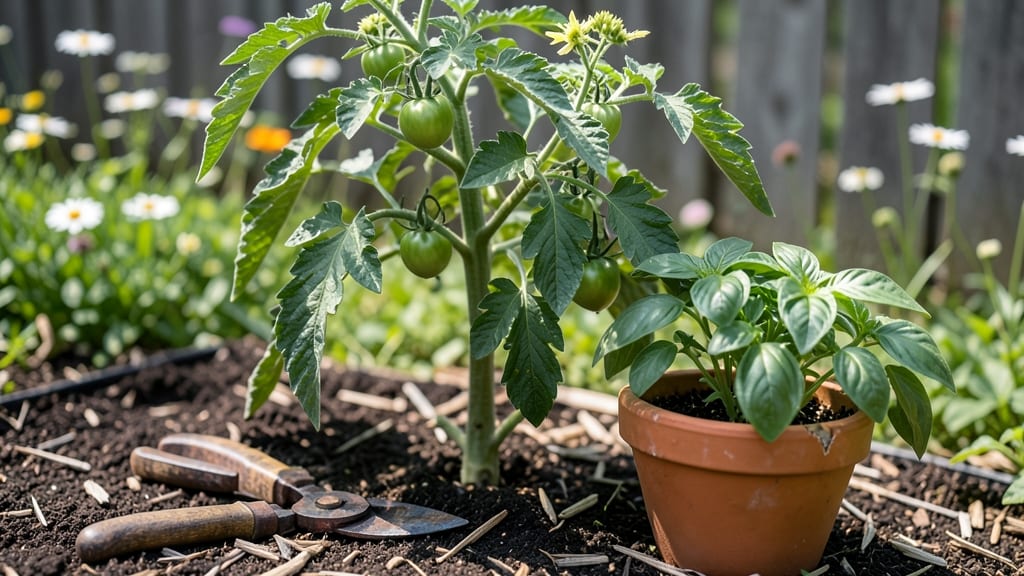
What causes leaf curl on tomato plants is usually a mix of viral infections, pest infestations, or environmental stress—each turning your once-vibrant plants into a twisted, unhealthy mess. 🌱 I’ve seen this problem turn a thriving plant into a sad, curled wreck, and the first step to fixing it is knowing exactly what’s behind those wilted leaves. The culprits range from viral infections like tomato mosaic virus to environmental stress like sudden heat waves or poor watering habits. Even spider mites can leave tiny, curled leaves behind as they suck out plant juices. The key is spotting the difference between viral damage (which often includes yellowing or mottling) and physical stress (where leaves might also feel rough or brittle). Once you identify the cause, you can act fast—removing infected plants, adjusting watering, or introducing beneficial insects to control pests. Prevention starts with healthy soil, proper spacing, and keeping an eye out for early signs of trouble before they spiral out of control. This isn’t just about saving a plant; it’s about protecting your entire harvest. With the right approach, you can turn those curled leaves into a lesson for next season’s stronger, healthier tomatoes.
Root Causes of Leaf Curl
Leaf curl on tomato plants isn’t just an aesthetic issue—it’s a sign that something’s disrupting their health. Whether it’s a sneaky virus, environmental stress, or even hungry pests, understanding the why behind the symptoms is the first step to saving your crop.
Below, we break down the most common culprits, backed by science, so you can diagnose and act fast.
---
Leaf curl in tomatoes is most famously linked to tomato leaf curl viruses (ToLCV), a group of plant viruses transmitted by insects like whiteflies. These viruses hijack the plant’s DNA, forcing it to produce malformed leaves, stunted growth, and curled edges—classic signs of infection.
#### How Viruses Spread Like Wildfire - Whiteflies as Vectors 🪰: These tiny, winged pests (about 1/16" long) feed on plant sap and inject the virus while they eat.
A single whitefly can spread the virus to dozens of plants in a season. - No Cure, Only Prevention: Once a plant is infected, there’s no treatment.
The virus spreads through: - Infested plants (buy disease-free seedlings). - Contaminated tools (sterilize pruners between plants). - Wind or water (avoid overhead irrigation).
#### Symptoms to Watch For | Symptom | What It Means | |---------------------------|-----------------------------------------------------------------------------------| | Cupped or curled leaves | Virus disrupts cell growth, causing leaves to twist upward or inward. | | Stunted growth | Plant energy is diverted to fighting the virus, slowing fruiting. | | Yellowing veins | Chlorophyll breakdown from viral damage (called "vein clearing"). | | Reduced yield | Infected plants produce fewer, smaller tomatoes. |
💡 Pro Tip: If you spot whiteflies (check undersides of leaves for tiny white specks), act immediately. Use neem oil or insecticidal soap to knock them out before they spread the virus.
---
Not all leaf curl is viral—sometimes, your tomatoes are just too stressed to grow straight. Extreme heat, poor soil, or improper watering can trigger curling as a survival mechanism.
#### 1. Heat Stress & Water Deficits - Why It Happens: Tomatoes thrive in 70–85°F (21–29°C).
Above 90°F (32°C), leaves curl to reduce water loss via transpiration. - Actionable Fixes: - Shade cloth (30–50% coverage) for afternoon sun. - Deep watering (1–2 inches per week) to keep roots hydrated. - Mulch (straw or black plastic) to retain moisture and cool soil.
#### 2.
Nutrient Imbalances - Too Much Nitrogen (N): Lush green growth but weak stems → leaves curl to conserve energy. - Potassium (K) Deficiency: Causes edge curling and weak cell structure (common in sandy soils). - Calcium (Ca) Deficiency: Leads to blossom-end rot and curled new leaves (calcium helps cell walls stay rigid).
🌡️ Soil Test First! Use a DIY test kit or send a sample to your local extension office. Amend soil with: - Compost (for organic matter). - Wood ash (for calcium, but sparingly—it raises pH). - Banana peels (for potassium—bury chopped peels near roots).
#### 3. Wind & Physical Damage - How It Happens: Strong winds or rough handling (like aggressive pruning) can tear or bruise leaves, causing them to curl as they heal. - Solution: Use windbreaks (burlap screens or tall plants like corn) and hand-prune with clean shears.
---
While viruses are the #1 cause, other pests and diseases can mimic leaf curl symptoms.
#### 1.
Spider Mites 🕷️ - Damage: These microscopic arachnids suck sap, causing silver stippling and curled, brittle leaves. - Red Flags: - Tiny webs on undersides of leaves. - Leaves turn yellow/brown and fall off. - Treatment: Spray with water (knocks them off) or neem oil (disrupts their life cycle).
#### 2. Aphids 🐜 - Damage: Clusters of aphids excrete honeydew, attracting sooty mold and stunting growth. Infested leaves may curl to protect themselves. - Quick Fix: Blast off with a strong stream of water or use soapy water spray.
#### 3.
Fungal Issues (Early Blight) - Why It Looks Like Curl: Early blight causes concentric rings on leaves, which can make them pucker or curl. - Prevention: - Remove infected leaves immediately. - Space plants for airflow (fungi thrive in humidity). - Copper fungicide as a preventive spray.
--- Not sure if it’s viral, environmental, or pest-related? Ask yourself: - Are whiteflies present? → Likely viral. - Is it only new leaves curling? → Probably heat/nutrient stress. - See webbing or tiny bugs? → Spider mites or aphids. - Dark spots with rings? → Fungal disease.
🎯 Next Steps: Isolate infected plants (if viral), adjust care (if environmental), or treat pests before they spread. Early action = saved tomatoes!
Fixing Leaf Curl in Tomato Plants
Curly, distorted leaves on your tomato plants don’t have to spell the end of your harvest. Whether the issue stems from viral infections, pests, or environmental stressors, there are practical ways to address the problem and prevent future outbreaks.
Below, we break down targeted solutions for each common cause, along with preventive tips to keep your plants thriving.
---
If your tomatoes are suffering from tomato leaf curl virus (ToLCV) or similar pathogens, the best defense is early detection and eradication.
#### 🔥 Step 1: Isolate and Destroy Infected Plants - Remove any plants showing severe curling, yellowing, or stunted growth immediately to prevent spread. - Bag and dispose of infected foliage in the trash (not compost)—viruses can linger on plant debris. - Wash tools (pruners, gloves) with 70% rubbing alcohol or a 10% bleach solution (1 part bleach to 9 parts water) after each use.
#### 🍳 Step 2: Strengthen Remaining Plants - Boost immunity with a balanced fertilizer (10-10-10 or organic options like fish emulsion) to help plants fight off stress. - Water deeply at the base (avoid overhead watering) to reduce virus transmission via splashing. - Encourage airflow by spacing plants 18–24 inches apart and pruning lower leaves to prevent humidity buildup.
#### 🌡️ Prevention Tips for Viruses - Buy certified disease-free seeds/seedlings from reputable nurseries. - Control insect vectors (whiteflies, aphids) with neem oil or insecticidal soap (spray early morning/evening to avoid harming bees). - Rotate crops—avoid planting tomatoes (or related plants like peppers/eggplants) in the same spot for 3–4 years. - Use reflective mulch (aluminum foil or silver plastic) to deter whiteflies, which spread the virus.
---
If sap-sucking pests (aphids, spider mites, whiteflies) are causing leaf curl, targeted pest control is key.
#### 👨🍳 Step 1: Inspect and Identify Pests - Check undersides of leaves for tiny insects, webbing, or sticky residue (honeydew). - Shake plants over a white tray—flying insects (whiteflies) or crawling pests (mites) will reveal their presence.
#### 🥘 Step 2: Apply Natural or Chemical Controls | Pest | Solution | |-------------------|-----------------------------------------------------------------------------| | Aphids | Spray with soapy water (1 tsp mild soap per quart of water) or neem oil.
Repeat every 5–7 days. | | Spider Mites | Blast off with a strong hose spray, then apply horticultural oil or kaolin clay. | | Whiteflies | Use yellow sticky traps or pyrethrin spray (follow label instructions). |
#### ⏰ Step 3: Prevent Reinfection - Introduce beneficial insects: Ladybugs, lacewings, and parasitic wasps eat pests naturally. - Remove weeds near tomato plants—pests hide in weeds and jump to your crops. - Use row covers (floating fabric) early in the season to block pests before they arrive.
---
If leaf curl is due to heat, wind, or poor soil, simple garden tweaks can reverse the damage.
#### 💡 Step 1: Shield Plants from Harsh Conditions - Provide shade during peak sun (use shade cloth if temps exceed 90°F). - Windbreaks: Plant tall crops (corn, sunflowers) or use burlap screens to reduce stress. - Mulch heavily (2–3 inches of straw or wood chips) to retain moisture and cool roots.
#### 🎯 Step 2: Optimize Watering and Nutrition - Water consistently: Aim for 1–1.5 inches per week (more in extreme heat). Use drip irrigation to avoid wetting leaves. - Fertilize wisely: Too much nitrogen causes soft, weak growth.
Switch to a low-nitrogen, high-phosphorus fertilizer (e.g., 5-10-10) to strengthen roots. - Test soil pH: Tomatoes prefer 6.0–6.8. Amend soil with lime (to raise pH) or sulfur (to lower pH) if needed.
#### ✨ Prevention Tips for Environmental Stress - Choose heat-tolerant varieties like ‘Heatmaster’ or ‘Solar Fire’ if you live in a hot climate. - Hardening off seedlings gradually before transplanting reduces shock. - Avoid overcrowding—plants compete for water and nutrients, worsening stress.
--- If multiple plants are severely infected with a virus, it may be best to pull them entirely to protect your garden. Focus energy on next year’s prevention—healthy soil, pest control, and disease-resistant varieties are your best bets for a bountiful harvest. 🍅✨
Frequently asked questions about tomato leaf curl
Can I save a tomato plant with viral leaf curl?
Unfortunately, there's no cure for viral infections like tomato leaf curl. Once infected, the plant will continue to decline, and the virus can spread to nearby plants. Remove infected plants immediately to protect your garden, then focus on preventing future outbreaks with disease-free seedlings and pest control.
How do I tell if my tomato leaves are curling from heat or pests?
Check for these clues: Heat-stressed leaves will curl upward to conserve moisture, often with no other visible damage. Pest-related curl usually includes tiny webs (spider mites), sticky residue (aphids), or visible insects on leaf undersides. Examine both sides of leaves and look for signs of webbing or insects.
Will pruning help with leaf curl caused by environmental factors?
Pruning can help in some cases! If curl is from heat stress, remove only the most severely affected leaves to reduce water loss. For nutrient deficiencies, focus on pruning to improve airflow and reduce competition. Avoid heavy pruning during heatwaves—this stresses plants further. Always use clean, sharp tools to prevent spreading potential infections.
Can I still harvest tomatoes from plants with leaf curl?
Yes, but with caution. If the curl is from environmental stress or pests (not viral), you can continue harvesting. For viral infections, remove all fruit from infected plants immediately—the virus can spread through the fruit. Always wash harvested tomatoes thoroughly before eating, regardless of the cause of leaf curl.
How often should I check my tomato plants for early signs of leaf curl?
Inspect your plants at least twice weekly during growing season, especially after rain or when pests are active. Early detection is key—catching problems when only a few leaves show symptoms gives you the best chance to save your plants. Pay extra attention to new growth and leaf undersides where pests often hide.