
Companion Plants
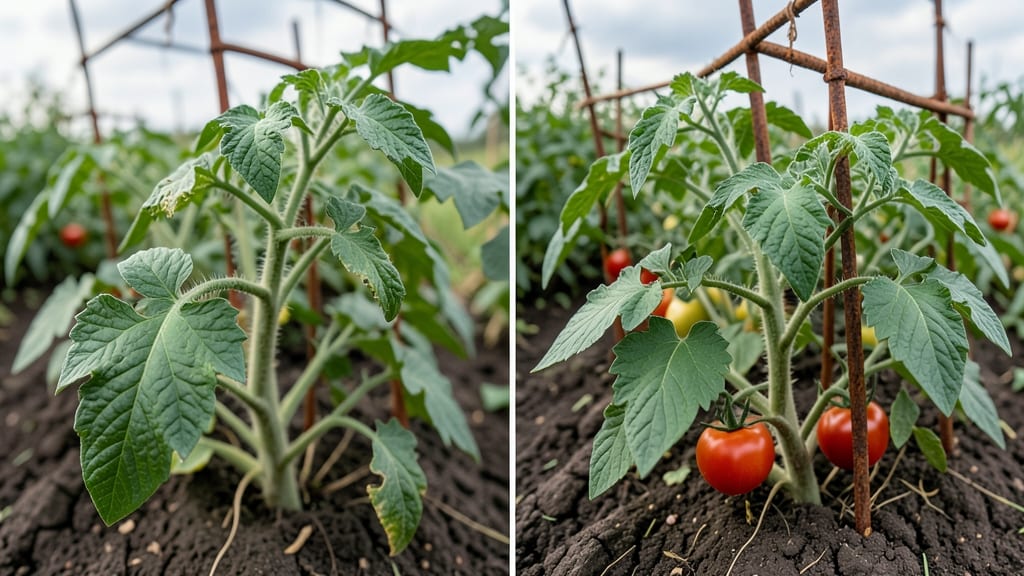
Your tomato leaves curling up like tiny green parchment? 🌱 That’s your plant screaming for help—and the good news is, most fixes take less than 10 minutes.
I’ve seen this happen with my heirloom tomatoes every summer, and I’ve learned which pests (like spider mites) and stresses (heat, watering mistakes) trigger it first. The key is spotting the real cause before the damage spreads.
First, check the undersides of leaves for tiny webs or specks (pests) or crispy edges (underwatering). Overhead watering? That’s a surefire way to invite fungal stress. My plants bounce back fastest when I combine neem oil sprays for pests with shade cloth on scorching days.
Even a simple pruning to improve airflow works wonders—just snip the curled leaves and watch new growth push out in 3-5 days.
What you’ll end up with is a tomato plant that’s stronger than before, with glossy leaves and no more curling. The secret’s in the details: consistent watering at the base, morning sunlight (not scorching afternoon rays), and a weekly check for early signs.
No more guessing—just quick, effective fixes that save your harvest.
Works for container tomatoes, raised beds, or in-ground plants—just adjust the scale. The same principles apply whether you’re dealing with a single plant or a full garden. Let’s turn those curled leaves around before they turn yellow.
Root Causes Behind Curling Leaves
When your tomato plants’ leaves start curling upward like a defensive shield, it’s often their way of signaling distress. Understanding the underlying triggers is the first step to saving your harvest. Below, we break down the most common—and sometimes surprising—reasons why this happens, complete with actionable science-backed explanations.
🌡️ Heat or Cold Stress (Environmental Shock)
Tomatoes are tropical plants at heart, and they hate sudden temperature swings. When daytime temps soar above 90°F (32°C) or nighttime dips below 50°F (10°C), their leaves curl to reduce water loss and protect delicate tissues. This is especially common in:
- Hot, dry climates: High evaporation rates dehydrate leaves, triggering a "curl-and-survive" response.
- Frost or late-season chills: Cold snaps disrupt cellular metabolism, causing leaves to pucker and stiffen.
- Poor airflow: Stagnant hot air (like in greenhouses) traps heat, mimicking stress signals.
💡 Pro Tip: Use shade cloth (30-50%) during peak heat or row covers for nighttime protection. Mulch with straw to stabilize soil temps.
💧 Watering Woes (Too Much or Too Little)
Water is the lifeblood of tomato plants, and imbalances send them into panic mode. Curling often stems from:
- Underwatering: Leaves curl inward to minimize surface area and conserve moisture. Soil should stay consistently moist (not soggy)—1–2 inches deep.
- Overwatering: Poor drainage or excessive watering suffocates roots, starving leaves of oxygen. Roots can’t absorb nutrients, leading to edema (blistered, curled leaves).
- Inconsistent watering: Drought followed by a sudden soak causes osmotic shock, where cells swell and distort.
🔥 Fix It: Water deeply at the base (early morning) and use drip irrigation to avoid wetting foliage. Test drainage—if water pools after 30 minutes, amend soil with perlite or compost.
🐛 Pests at Work (Sap-Sucking Invaders)
Tiny pests like aphids, spider mites, and whiteflies pierce leaves to feed on sap, triggering a defensive curl. Their saliva contains toxins that disrupt plant hormones, causing:
- Stunted growth (leaves cup upward to protect new shoots).
- Yellowing or browning (from cell damage).
- Sticky residue ("honeydew") (a sign of aphids or scale insects).
🕵️♂️ Spot the Culprit:
Pest
Signs
Solution
Spider Mites
Fine webbing, tiny yellow specks
Spray with neem oil or release predatory mites
Aphids
Clustered green/black bugs, curled new growth
Blast off with soapy water or introduce ladybugs
Whiteflies
Clouds of white when disturbed
Use yellow sticky traps or kaolin clay
🌱 Nutrient Deficiencies (Hungry Roots)
Curling can also signal a starving plant. Key deficiencies to check:
- Nitrogen (N): Leaves curl and turn yellow (especially older ones). Fix: Add compost or blood meal.
- Potassium (K): Leaf edges curl and brown (like "scorched"). Fix: Use wood ash or banana peels.
- Magnesium (Mg): Interveinal yellowing (between leaf veins) + curling. Fix: Apply Epsom salt (1 tbsp/gallon water).
- Calcium (Ca): New leaves curl and develop blossom-end rot (on fruit). Fix: Side-dress with crushed eggshells.
🌡️ Test Soil pH: Tomatoes thrive in 6.0–6.8 pH. Use a soil test kit—if pH is off, amend with lime (to raise) or sulfur (to lower).
🦠 Disease Pressure (Fungal & Viral Threats)
Pathogens like tomato mosaic virus (ToMV) or early blight can cause curling as the plant fights infection. Watch for:
- ToMV: Mottled yellow/green leaves + stunted growth (spread by aphids). No cure—remove infected plants immediately.
- Early Blight: Concentric brown spots on lower leaves + curling. Prevent: Space plants for airflow, rotate crops, and spray copper fungicide.
- Verticillium Wilt: Yellowing between veins + wilting (soil-borne fungus). Solution: Solarize soil or plant resistant varieties like 'Mountain Merit.'
✨ Prevention Tip: Rotate crops yearly and avoid overhead watering to reduce fungal spores.
Quick Fixes for Curling Tomato Leaves
Now that you’ve identified the culprit behind your tomato plant’s curled leaves—whether it’s pests, disease, environmental stress, or nutrient deficiencies—it’s time to take action! Below are practical, step-by-step solutions tailored to each common cause, plus prevention tips to keep your plants thriving. Let’s get those leaves perky again!
---
If tiny invaders like aphids, spider mites, or whiteflies are sucking the life out of your tomatoes, act fast before the damage spreads.
#### 🔥 Step 1: Isolate & Inspect - Remove severely infested leaves (especially the curled ones) and drop them in soapy water to kill hitchhiking pests. - Check the undersides of leaves and new growth—pests love to hide there!
#### 🍳 Step 2: Blast Them Away (Non-Toxic First!) - Spray with a strong jet of water (early morning or evening) to knock off soft-bodied pests like aphids. - Neem oil spray (1 tsp neem oil + 1 tsp mild soap + 1 quart water) is a powerhouse for mites and whiteflies.
Spray every 5–7 days until pests vanish. - Insecticidal soap (store-bought or DIY) works well for aphids but must be reapplied after rain.
#### 👨🍳 Step 3: Introduce Predators (Nature’s Cleanup Crew!) - Ladybugs, lacewings, or parasitic wasps devour pests like a buffet. Buy them online or attract them with dill, fennel, or marigolds as companion plants. - Release them at dusk when pests are most active.
#### 🎯 Prevention Tips - Inspect new plants before bringing them home (quarantine for a week!). - Use reflective mulch (like aluminum foil) to deter whiteflies. - Rotate crops yearly to break pest life cycles.
---
If your tomatoes are curling due to heat, wind, or improper watering, tweaking their environment can reverse the damage fast.
#### 💡 Step 1: Shield from Harsh Elements - Heat stress? Provide shade cloth (30–50%) during peak afternoon sun (1–4 PM). - Windburn? Install a windbreak (bamboo stakes, straw bales, or a temporary fence) to block gusts. - Cold snaps? Cover plants with frost blankets or row covers if temps dip below 50°F (10°C).
#### 🌊 Step 2: Master the Watering Routine - Water deeply 1–2 times per week (1–2 inches total) rather than daily shallow drinks. - Use drip irrigation to keep leaves dry and prevent fungal issues. - Mulch heavily (straw or grass clippings) to retain moisture and cool roots.
#### ✨ Prevention Tips - Choose heat-tolerant varieties like ‘Solar Fire’ or ‘Heatmaster’ if you live in a hot climate. - Avoid overhead watering at night to prevent fungal diseases. - Monitor soil moisture with your finger—consistency is key!
---
Yellowing, curling leaves could signal too much or too little of a key nutrient. Let’s balance the diet for lush, healthy growth.
#### 📊 Step 1: Diagnose the Deficiency | Symptom | Likely Cause | Quick Fix | |---------------------------|---------------------------|----------------------------------------| | Curling + Yellow Lower Leaves | Nitrogen deficiency | Side-dress with compost or blood meal | | Curling + Brown Edges | Potassium deficiency | Sprinkle wood ash or banana peels (steeped in water) | | Purple Stems + Small Leaves | Phosphorus deficiency | Add bone meal or fish emulsion | | Crispy, Curled Leaves | Calcium deficiency (Blossom End Rot) | Crush eggshells into soil or use calcium nitrate |
#### 💪 Step 2: Boost Soil Health - Mix in compost (1–2 inches) around the base of the plant. - Use a balanced fertilizer (10-10-10 or 5-5-5) every 3–4 weeks during growing season. - Avoid over-fertilizing—too much salt burns roots!
#### 🍎 Prevention Tips - Test your soil (DIY kits are cheap!) before planting. - Rotate crops to prevent nutrient depletion. - Mulch with compost to slowly release nutrients.
---
If early blight, late blight, or bacterial spot is causing curling, act fast to save your harvest.
#### 🔪 Step 1: Prune & Remove - Cut off infected leaves (don’t compost them—trash bag them!). - Sterilize pruners with rubbing alcohol between cuts.
#### 🌿 Step 2: Fungal Sprays & Barriers - Copper fungicide (like Bordeaux mixture) works for early blight. - Baking soda spray (1 tbsp baking soda + 1 tsp soap + 1 gallon water) helps prevent powdery mildew. - Space plants 18–24 inches apart for better airflow (fungi love humidity!).
#### 🔥 Prevention Tips - Water at the base (never the leaves) to keep foliage dry. - Remove plant debris at season’s end to prevent overwintering spores. - Plant resistant varieties like ‘Mountain Merit’ or ‘Defiant PhR’.
--- Final Pro Tip: 🌱 Companion planting can prevent many issues—try basil, marigolds, or nasturtiums near tomatoes to repel pests and improve health!
With these fixes, your tomato plants should bounce back in 1–2 weeks. Keep an eye on them, adjust as needed, and soon you’ll be reaping juicy, disease-free tomatoes! 🍅🔥
Frequently asked questions
Why are my tomato leaves curling upward but no pests are visible?
Curling without visible pests often signals environmental stress or nutrient issues. Check for heat stress (temps above 90°F) or underwatering—leaves curl to conserve moisture. Also inspect for nutrient deficiencies: yellowing between veins suggests magnesium, while brown edges point to potassium. Try watering deeply at the base and applying Epsom salt or wood ash.
Can I use household items to treat curled leaves caused by pests?
For aphids, mix 1 tablespoon dish soap + 1 quart water and spray directly. Spider mites hate neem oil—blend 1 teaspoon oil + 1 teaspoon soap + 1 quart water and apply every 5-7 days. For a natural repellent, crush garlic or chili peppers in water and spray. Always test on a small leaf first!
How long until my tomato plant recovers from curled leaves?
With proper care, recovery typically takes 3-10 days. Remove severely curled leaves to redirect energy. If caused by pests, you’ll see improvement in 3-5 days after treatment. For environmental stress (heat/water), leaves may flatten within 24-48 hours of adjusting conditions. Monitor soil moisture and provide shade if needed.
Will pruning curled leaves help my tomato plant?
Yes! Pruning severely curled leaves removes stress points and improves airflow, which prevents fungal diseases. Use sterilized scissors to cut at a 45-degree angle just above a leaf node. Avoid removing more than 20% of foliage at once—too much pruning can shock the plant. Focus on the worst-affected leaves first.
Can companion plants prevent tomato leaf curling?
Certain companions deter pests and improve plant health! Plant basil nearby to repel thrips and whiteflies, or marigolds to confuse aphids with their scent. Nasturtiums act as trap crops for aphids. For nutrient support, interplant with legumes like beans to fix nitrogen in the soil. Space companions 12-18 inches away to avoid competition.