
How To
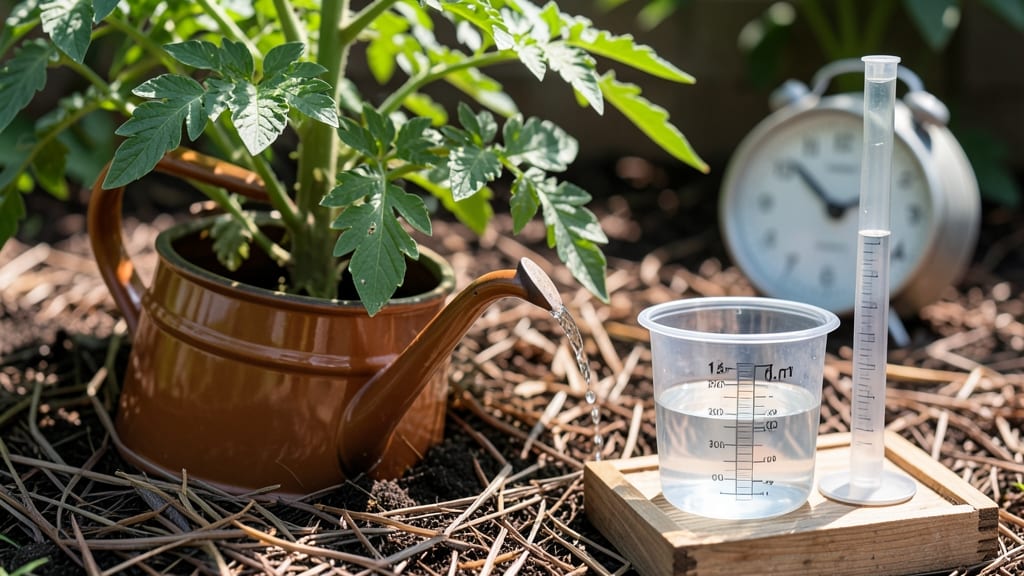
Tomato plants require 1 to 2 inches of water per week to thrive, but the real secret lies in how you deliver it—deep, consistent soaking beats light sprinkles every day.
Picture this: you’ve spent weeks nurturing your 🍅 plants, only to watch them wilt or develop cracked fruit because you either drowned them or left them parched. The truth? Tomato roots crave moisture at the right depth, not just surface-level hydration.
This isn’t just about tossing a hose at your garden. Soil type, climate, and even the plant’s growth stage (seedling vs. fruiting) change how much water your tomatoes truly need. A sandy soil drains fast, while clay holds onto moisture like a sponge—both extremes demand different strategies.
In this guide, I’ll break down the exact watering schedule by stage, how to spot thirsty or soggy plants before it’s too late, and the game-changer techniques—like drip irrigation and mulching—that save time and boost your harvest.


Tomato plant watering schedule by growth stage: from seedling to fruit
Tomato plants have unique hydration needs at each growth stage—seedlings crave gentle moisture, while flowering and fruiting plants demand consistency. Skipping this balance risks blossom-end rot or cracked fruit. Let’s break down the perfect watering schedule for each phase, plus how your local climate should adjust the timing.
First, soil moisture is your best friend. Aim for 1 inch of water per week during active growth, but never let soil dry out completely. The key? Deep watering (1-2 inches below soil surface) encourages strong root development.
Shallow puddles lead to weak stems and disease. For container-grown tomatoes, check soil moisture daily—pots dry out faster than in-ground beds.
Here’s your stage-by-stage watering guide, including soil moisture targets and climate adjustments to keep your plants thriving:
During the seedling stage, focus on gentle moisture—overwatering can suffocate young roots. Use a spray bottle or drip irrigation to keep the top 1 inch of soil consistently damp.
If your seedlings wilt, they’re thirsty, but if leaves yellow, you’re overwatering. Clay soil? Water less frequently but deeper to prevent compaction.
When tomatoes flower, they need steady hydration to prevent blossom-end rot. Sudden dry spells cause flowers to drop, while uneven moisture leads to cracked fruit.
In hot climates, water in the early morning to reduce evaporation. Mulch with straw to lock in moisture and keep roots cool—a game-changer for summer gardens.
At the fruiting stage, tomatoes are water hogs. Aim for 1-2 inches of water daily during peak heat, but avoid wetting leaves to prevent fungal diseases.
Use drip irrigation or soaker hoses to deliver water directly to the roots. Container tomatoes may need water twice daily in 100°F+ weather. Pro tip: Check soil moisture by sticking your finger 2 inches deep—if it’s dry, it’s time to water.
Your local climate dictates big adjustments. In arid regions, water daily and mulch heavily. In humid areas, reduce frequency to every 3-4 days to avoid fungal growth. Rainy seasons?
Skip watering if soil is already saturated—root rot is a silent killer. Always prioritize deep, infrequent watering over shallow, frequent sprinkles.
One more secret: Morning watering is non-negotiable. It gives leaves time to dry before evening, reducing disease risk. Avoid evening watering, as damp foliage invites blight.
For container tomatoes, weigh your pots—if they feel light, it’s time to water. In-ground plants? The "finger test" (2 inches deep) is foolproof.
By tailoring your watering schedule to each stage and climate, you’ll grow plump, disease-free tomatoes all season. Start with seedlings, ramp up during flowering, and stay consistent as fruit sets. Your harvest will thank you—juicy, crack-free perfection is just water away.
Signs your tomato plants are thirsty or overwatered (and how to fix it)
Your tomato plants communicate their hydration needs through subtle but telling signs. Wilting leaves during the day that recover at night signal thirst, while leaves that stay droopy even after watering may mean root stress from overwatering. Pay attention to these visual cues—they’re your plant’s SOS signals.
Another red flag is yellowing leaves, especially on older foliage. This often indicates overwatering or poor drainage, as roots suffocate in soggy soil. Conversely, crispy leaf edges or curling leaves scream for more water. The key is balancing moisture so your plants thrive without stress.
🌱
Watering Warning: The Finger Test for Tomato Plants
Tomatoes need 1-2 inches of water weekly, but soil type changes the equation. Stick your finger 2 inches deep—if dry, water deeply. If damp, wait. Clay soil holds moisture longer than sandy soil, so adjust frequency accordingly.
For thirsty tomato plants, water deeply at the base until soil is moist 6 inches down. Avoid shallow watering, which encourages weak roots. In containers, check soil moisture daily—potted plants dry out faster. Mulch with straw to retain moisture and prevent evaporation.
Overwatered plants show mushy stems or blackened roots due to root rot. If you suspect this, stop watering immediately and repot in fresh, dry soil. Add perlite to improve drainage. Prevention is key—ensure pots have drainage holes and garden beds aren’t waterlogged.
Use the morning watering rule to avoid fungal diseases like blight. Wet leaves at night invite pests and mildew. A drip irrigation system delivers water directly to roots, reducing waste and keeping foliage dry. Adjust your schedule based on weather conditions—hot days mean more frequent watering.
💧