
How To
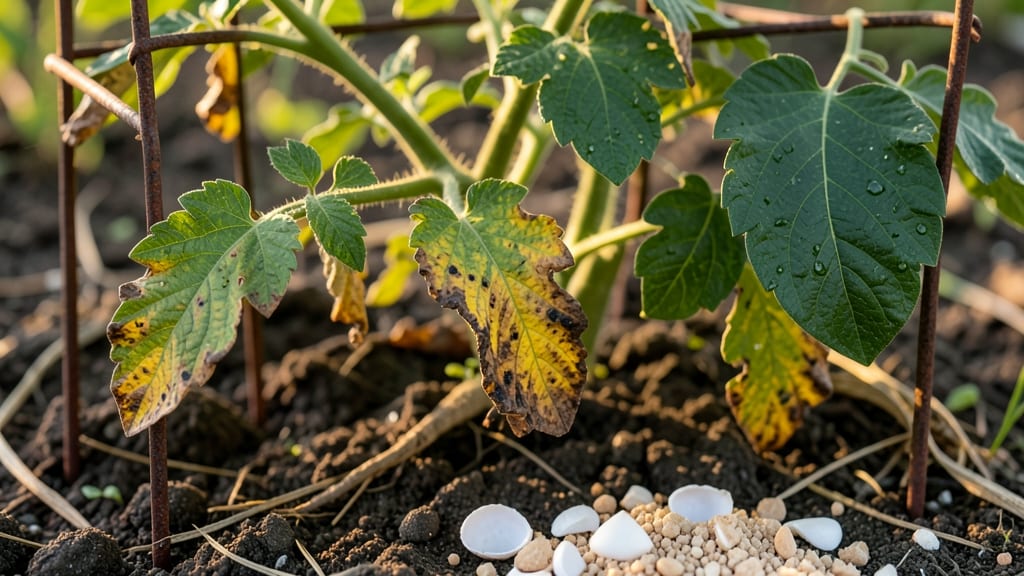
Your calcium deficiency in tomato leaves, curling with brown edges? That’s classic—and the good news is you can fix it fast with what’s already in your kitchen. 🌱 I’ve saved multiple harvests using these simple, organic fixes that work in days, not weeks.
The problem starts when soil pH gets too high or too low, locking out calcium even if your plants look healthy above ground. Overwatering or uneven moisture also flushes nutrients away, leaving leaves brittle and stunted. But the fix is easier than you think—no fancy tools required.
Crush eggshells into your soil or mix in crushed limestone for a slow-release boost. For faster results, spray a diluted calcium solution (like 1 tablespoon of Epsom salt per gallon) on leaves every 7-10 days. Within 2-3 weeks, new growth will be firm and green again.
Prevention is simple: maintain 6.0-6.8 pH, mulch to keep moisture steady, and side-dress with compost every 4 weeks. If brown spots keep spreading, check for blight too—but this method handles most calcium issues fast.
Root Causes Of Leaf Weakness
When your tomato plants start showing signs of calcium deficiency—like curled, yellowing, or brown-edged leaves—it’s usually a sign that their nutritional needs aren’t being met. But why does this happen in the first place? Let’s break down the key factors that lead to weak, calcium-starved tomato leaves.
Calcium is abundant in the Earth’s crust, but that doesn’t mean your soil has enough for your tomatoes. Here’s why soil might be falling short:
- Low Organic Matter: Soil rich in organic material (like compost or decomposed leaves) naturally holds calcium in a plant-accessible form. If your soil is sandy or depleted, calcium leaches away too quickly for roots to absorb it.
- High pH Levels: Calcium becomes less available when soil pH rises above 6.5–7.0. In alkaline conditions, calcium binds tightly to soil particles, making it hard for roots to uptake. Test your soil’s pH—if it’s above 7.0, that’s a red flag.
- Poor Drainage: Waterlogged soil creates an oxygen-deficient zone around roots, disrupting calcium absorption. Even if calcium is present, roots can’t pull it in efficiently when they’re struggling to breathe.
Pro Tip: 💡 Mix in gypsum (calcium sulfate) or crushed eggshells into the soil before planting. These dissolve slowly, releasing calcium in a form tomatoes can use.
Tomatoes aren’t just picky about calcium—they’re also competitive. When other nutrients hog the spotlight, calcium gets left behind. Common culprits include:
- Excess Nitrogen: Too much nitrogen (from synthetic fertilizers or overworked compost) promotes lush, fast-growing foliage—but at the expense of calcium. The plant prioritizes leaf growth over fruit and root development, leading to deficiencies.
- Potassium Overload: Potassium and calcium often compete for the same uptake pathways in roots. If your fertilizer is heavy on potassium (look for high P2O5 or K2O numbers), calcium gets crowded out.
- Magnesium or Phosphorus Deficiency: These nutrients work alongside calcium. If magnesium (common in Epsom salt) or phosphorus is lacking, the plant struggles to utilize calcium even if it’s present.
Fix It: ✨ Balance your fertilizer ratio to 3-1-2 (N-P-K) or use a calcium-rich amendment like bone meal to avoid competition.
Calcium moves through the plant via water—so if water isn’t moving smoothly, neither is calcium. Here’s how water-related stress triggers deficiencies:
- Inconsistent Watering: Tomato roots need steady moisture to absorb calcium. Drought stress or sudden soaking causes calcium to precipitate in older leaves (where it’s least needed) instead of moving to new growth.
- Cold Soil Temperatures: Calcium uptake slows dramatically when soil temps drop below 55°F (13°C). Early-season transplants or cool climates often suffer because roots can’t absorb enough, even if calcium is available.
- Salt Buildup: Over-fertilizing or poor-quality water (high in sodium or chlorine) can create a saline barrier around roots, blocking calcium absorption.
Quick Fix: 🌡️ Water deeply at the base (not overhead) and mulch with straw to keep soil temps stable. Avoid fertilizing during heatwaves—roots shut down when stressed.
Tomatoes are hungry growers, especially when flowering and fruiting. If the plant outpaces its calcium supply, deficiencies appear fast:
- Over-Fertilization: Too much fertilizer (especially high-phosphorus or potassium blends) can burn roots, reducing their ability to absorb calcium. The plant may look healthy above ground but starve below.
- Transplant Shock: Moving seedlings from pots to the ground (or even larger containers) disrupts root systems. New roots take time to establish, leaving the plant vulnerable to calcium shortages during the transition.
- Heavy Fruit Load: When tomatoes set too many fruits at once, they divert calcium to developing fruit, leaving leaves brittle and prone to disorders like blossom end rot (a classic calcium deficiency symptom).
Prevent It: 🎯 Prune suckers to limit fruit load and side-dress with crushed limestone or oyster shell when flowers appear to boost calcium reserves.
Understanding these triggers is the first step to fixing calcium deficiency. Once you know why your tomato leaves are struggling, you can target the right remedy—whether it’s adjusting your soil, tweaking your watering routine, or feeding your plants the right nutrients.
Quick Fixes For Weak Tomato Leaves
Reviving your tomato plants from calcium deficiency doesn’t have to be complicated—especially when you’ve got simple, household-friendly solutions at your fingertips. Below, we’ve matched common causes to practical fixes, so you can act fast and prevent future issues. Let’s get those leaves strong again!
If your tomato leaves are curling, yellowing at the edges, or developing small brown spots, your plants are crying out for calcium—now. Here’s how to respond:
💧 Immediate Calcium Boost: Eggshell Remedy
Calcium is hiding in plain sight—right in your kitchen! Eggshells are packed with the mineral, and turning them into a quick fertilizer is a game-changer. 1. 🔥 Save and dry eggshells (rinse and bake at 200°F/93°C for 10 minutes to sterilize).
- 🍳 Crush them into a fine powder using a blender or mortar and pestle.
- 👨🍳 Mix into soil around the base of the plant (¼ cup per plant) or sprinkle on top and water lightly.
- ⏰ Repeat weekly until leaves recover.
Pro Tip: 💡 For faster results, steep crushed eggshells in water overnight (1 cup shells per gallon of water), then use the liquid as a foliar spray or soil drench.
🥛 Dairy Rescue: Milk or Yogurt Soak
Tomato plants love a splash of dairy—it’s a quick calcium fix!
- 🥛 Mix 1 cup of milk or yogurt with 1 gallon of water.
- 🌿 Water your plants with this solution at the base (avoid spraying leaves to prevent fungal issues).
- ✨ Do this 2-3 times over a week for visible improvement.
Warning: 🌡️ Only use fresh, unpasteurized dairy if possible (pasteurized milk works too, but fermented options like yogurt are even better).
If you’re seeing dark, sunken spots on the bottom of tomatoes, your plants are in full-blown calcium crisis. Blossom end rot is a classic sign of calcium uptake failure—often due to uneven watering, poor soil structure, or root stress.
🚿 Correct Watering Habits (The #1 Fix)
Calcium moves through water, so inconsistent moisture = trouble. - 💧 Water deeply but infrequently: Aim for 1-1.5 inches of water per week (more in extreme heat).
Use a drip irrigation system or soaker hose to deliver water directly to the roots. - 🌧️ Avoid wetting leaves (especially at night) to prevent disease. - ⏰ Mulch heavily (straw or grass clippings) to retain moisture and regulate soil temperature.
🌿 Soil Amendments for Better Calcium Absorption
If your soil is compacted or lacks organic matter, calcium can’t reach the plant’s fruiting zone.
- 🔥 Mix in compost (well-aged, 2-3 inches around the base).
- 🥔 Add gypsum (calcium sulfate) to sandy soils (1 lb per 100 sq ft).
It won’t add nutrients but improves soil structure so calcium moves freely. - 🍂 Top-dress with crushed limestone (if your soil is acidic; test with a pH kit first).
Pro Tip: ✨ For container-grown tomatoes, flush the soil with a calcium nitrate solution (1 tsp per gallon of water) every 2 weeks to keep levels stable.
Once your tomatoes are back on track, lock in those calcium levels with these smart habits:
| Problem | Prevention Fix | How to Do It |
|---|---|---|
| Poor soil drainage | Improve aeration | Add perlite or vermiculite to heavy clay soil. |
| Over-fertilizing | Balance NPK ratios | Use a low-nitrogen, high-calcium fertilizer (like 5-10-10). |
| Extreme heat/drought | Mulch + shade cloth | Apply 3+ inches of mulch; use shade cloth in 90°F+ temps. |
| Acidic soil (pH <6.0) | Raise pH slightly | Sprinkle crushed oyster shell or wood ash (sparingly). |
| Root-bound plants | Repot or prune roots | Transplant if in containers; trim roots if circling. |
Bonus Tip: 🌱 Interplant tomatoes with comfrey—its deep roots help break up compacted soil, improving calcium availability for nearby plants.
- Diagnose (yellow edges? blossom end rot?).
- Act fast with eggshells, dairy, or gypsum.
- Adjust watering (deep, consistent, no leaf-wetting).
- Amend soil (compost + organic matter).
- Monitor pH (aim for 6.0-6.8 for calcium uptake).
- Prevent relapse with mulch and balanced fertilizing.
With these fixes, your tomato plants should bounce back in 1-2 weeks, and your harvest will thank you! 🍅✨
Frequently asked questions
How do I tell if my tomato leaves have calcium deficiency vs. other problems?
Look for these classic signs: young leaves curling upward with brown or yellow edges, while older leaves stay green. The key difference? Calcium deficiency affects new growth first, while blight or pests target mature leaves. Check the undersides of leaves too—pests leave holes or webbing, while deficiency causes brittle, crinkled edges.
Can I use coffee grounds to fix calcium deficiency in tomatoes?
No, coffee grounds actually lower soil pH, making calcium even harder for roots to absorb. Instead, use crushed eggshells or crushed limestone—both add calcium without acidifying soil. If you love coffee grounds, compost them first to neutralize their acidity before adding to tomato beds.
Will Epsom salt help with calcium deficiency?
Epsom salt (magnesium sulfate) won’t fix calcium deficiency directly, but it can improve magnesium levels, which work alongside calcium. For best results, use 1 tablespoon of Epsom salt + 1 tablespoon of crushed eggshells per gallon of water as a foliar spray. This dual approach supports both minerals your tomatoes need.
How often should I apply calcium remedies to my tomato plants?
For foliar sprays (like eggshell tea), apply every 7-10 days until new growth appears healthy. For soil amendments (like crushed limestone), mix into the soil once at planting time and again when flowers appear. Overapplying won’t help—tomatoes need balanced nutrients, not just calcium overload.
Can I fix calcium deficiency in tomatoes too late in the season?
You can still try, but results may be limited for existing fruit. Focus on new growth: Apply calcium-rich remedies and adjust watering immediately. For container-grown tomatoes, flush the soil with a calcium nitrate solution (1 tsp per gallon) to help young leaves recover. Late-season fixes won’t reverse blossom end rot on current tomatoes, but they’ll strengthen next year’s plants.