
Pests and Diseases
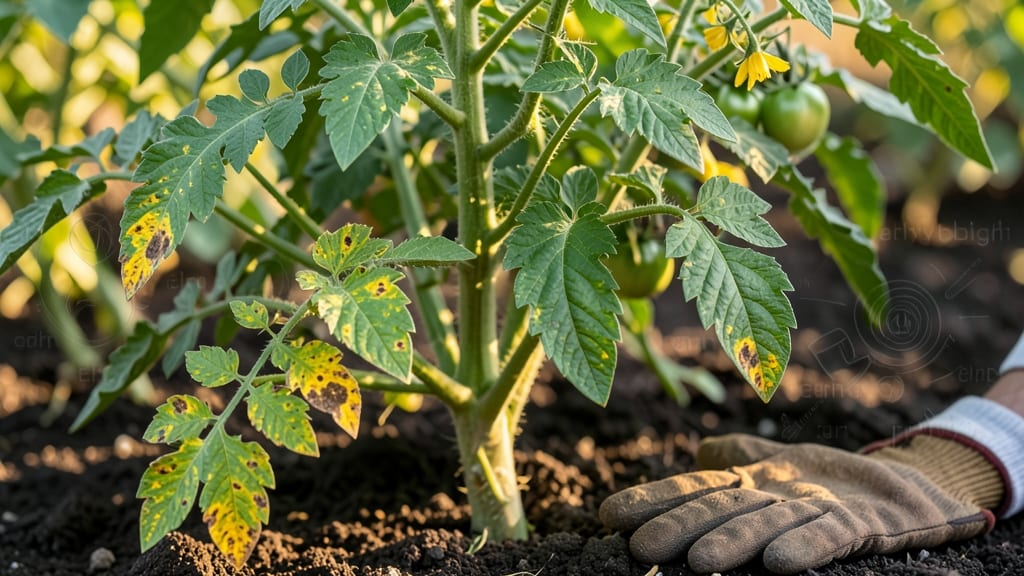
Those stubborn yellow blotches on your tomato leaves aren’t just ugly—they’re stealing your harvest’s potential. 🌱 I’ve battled early blight and septoria leaf spot enough to know the difference between a fixable problem and a full-blown crisis. The good news? Most cases respond to simple, organic interventions before they spiral.
The culprits are usually fungal spores (love damp leaves) or bacterial infections (hate humidity), but nutrient deficiencies or even overwatering can mimic the symptoms. What sets this apart from other leaf issues is how fast it spreads—those yellow spots turn brown and crispy if you wait too long.
The key is acting at the first sign: prune infected leaves immediately and space plants for airflow. You’ll restore your plants to vibrant green in just 2-3 weeks with the right mix of copper spray, neem oil, and cultural tweaks. The secret weapon?
A morning watering habit that keeps foliage dry all day. No more guessing—just a step-by-step plan that works even for beginners. Works for greenhouse tomatoes, patio containers, or backyard plots. Here’s how to diagnose and treat it before it takes over your crop.
Root Causes Behind Leaf Discoloration
When your tomato plants develop yellow blotches on leaves, it’s rarely a coincidence—it’s a cry for help from your plants. Understanding the why behind these unsightly marks is the first step to saving your harvest.
Below, we break down the most common culprits, from environmental stress to sneaky pathogens, with actionable insights to tackle each one.
Tomatoes are sun-lovers, but too much of a good thing can scorch their leaves. When temperatures soar—especially above 90°F (32°C)—or when young leaves are exposed to intense afternoon sun, they can develop irregular yellow patches with crispy edges.
Unlike disease spots, these blotches often appear on upper leaves first and may look bleached or white.
Why it happens:
- Photosynthesis overload: Excess sunlight damages chloroplasts (the plant’s energy factories), causing cells to break down and turn yellow.
- Water loss: High heat increases transpiration (water evaporation), stressing the plant and leading to cellular damage.
- Young leaf vulnerability: New growth lacks protective wax coatings, making them more susceptible to sunburn.
💡 Pro Tip: Provide afternoon shade with floating row covers or shade cloth (30-50%) during peak heat. Mulch with straw or grass clippings to keep soil cool and retain moisture.
Yellow blotches can also signal root suffocation from soggy soil. While tomatoes need consistent moisture, waterlogged roots starve for oxygen, triggering leaf discoloration. Overwatering (or heavy clay soil) forces roots to struggle, and the plant compensates by shedding chlorophyll in affected areas.
Why it happens:
- Anaerobic soil: Without oxygen, roots can’t absorb nutrients efficiently, leading to nutrient deficiencies (like iron or nitrogen) that manifest as yellowing.
- Fungal root rot: Excess moisture invites pathogens like Pythium or Phytophthora, which block water/nutrient uptake and cause interveinal yellowing (between leaf veins).
- Salt buildup: Over-fertilized or tap-water-heavy soil increases salt concentrations, burning root tips and reducing uptake.
🔥 Action Steps:
- Test your soil’s drainage—dig a hole, fill it with water, and time how long it takes to drain. Ideal: 4–6 hours.
- Amend heavy soil with compost or perlite to improve aeration.
- Water deeply but infrequently (1–1.5 inches per week), focusing on the base of the plant.
If the yellow blotches are ringed with dark borders or accompanied by tan or brown spots, you’re likely dealing with a fungal foe. Two common offenders—Alternaria solani (early blight) and Septoria lycopersici—thrive in humid conditions and leave behind target-like lesions that expand over time.
Why it happens:
| Fungus | Trigger | Leaf Symptoms |
|---|---|---|
| Alternaria solani (Early Blight) | Warm, humid nights (75–85°F / 24–29°C) + overhead watering | Concentric rings with yellow halos; spots start on lower leaves and spread upward. |
| Septoria lycopersici (Septoria Leaf Spot) | Cool, wet weather (60–75°F / 15–24°C) + poor air circulation | Small, circular spots with gray centers and dark borders; often appear on upper leaves. |
🌡️ Key Difference: Early blight spots are crusty and papery; Septoria spots have tiny black dots (pycnidia) in the center.
🎯 Prevention: Remove and destroy infected leaves immediately (don’t compost them!). Space plants 18–24 inches apart for airflow, and water at the soil level (never overhead).
Yellowing between leaf veins (a pattern called interveinal chlorosis) often points to a mineral deficiency. While multiple nutrients can cause this, nitrogen and magnesium are the top culprits for tomatoes.
Why it happens:
- Nitrogen deficiency: Causes pale yellowing on older leaves (since the plant pulls nutrients from lower growth first). Stunted growth and weak stems often accompany this.
- Magnesium deficiency: Leads to yellow patches between veins on mature leaves, starting at the edges and moving inward. This is classic magnesium chlorosis.
💪 Fix It Fast:
- For nitrogen: Side-dress with compost or blood meal (1 tbsp per plant). Use a balanced fertilizer (10-10-10) if soil tests confirm a deficiency.
- For magnesium: Apply Epsom salt (magnesium sulfate)—dissolve 1 tbsp in a gallon of water and spray leaves weekly until symptoms improve.
✨ Bonus: Test your soil’s pH—magnesium uptake drops in alkaline soil (pH > 7.0). Amend with sulfur or peat moss to lower pH if needed.
Now that you’ve identified the likely cause, the next step is targeted treatment. Stay tuned for organic solutions to restore your tomato plants to peak health! 🍅✨
Fixing Fungal Spots on Tomato Leaves
Yellow blotches on tomato leaves can feel like a frustrating setback, but with the right approach, you can restore your plants to health—without harsh chemicals. Below are targeted solutions for each likely cause, paired with prevention tips to keep your tomatoes thriving. Let’s tackle this step by step!
Early blight (Alternaria solani) thrives in warm, humid conditions and spreads rapidly. Act fast to prevent it from ruining your harvest.
🔥 Immediate Treatment
- Remove infected leaves 🌿: Snip off yellow or brown spots (and a 1-inch margin of healthy tissue) with clean pruners. Dispose of them in the trash—not the compost!
This stops spores from spreading. - Apply copper fungicide 🛡️: Use an organic copper-based spray (like copper sulfate or copper hydroxide) every 7–10 days during wet weather.
Follow label instructions for dilution. - Baking soda spray 🧂: Mix 1 tbsp baking soda + 1 tbsp vegetable oil + 1 tsp dish soap in 1 gallon of water. Spray undersides of leaves (where spores hide) in the early morning or evening to avoid burning leaves.
🌱 Prevention for Next Season
- Rotate crops 🌾: Avoid planting tomatoes, potatoes, or peppers in the same spot for 3–4 years to break the disease cycle.
- Improve airflow 💨: Space plants 18–24 inches apart and prune lower leaves to reduce humidity near the soil.
- Mulch heavily 🌿: Use straw or grass clippings (2–3 inches thick) to keep soil moist but prevent splashing spores onto leaves.
This fungal disease causes small, dark spots with yellow halos and thrives in wet foliage. It’s aggressive but manageable with consistency.
🍳 Quick Fixes
- Prune aggressively ⚔️: Cut out all infected leaves (even small spots) and sterilize pruners with rubbing alcohol between cuts.
- Neem oil spray 🌿: Mix 1 tbsp neem oil + 1 tsp mild soap in 1 quart of water.
Spray every 5–7 days to disrupt fungal growth. Best applied at dawn or dusk. - Companion planting 🌱: Interplant tomatoes with marigolds, basil, or garlic to repel fungal spores naturally.
🔥 Long-Term Defense
- Water at the base 💦: Avoid overhead watering—use drip irrigation or soaker hoses to keep leaves dry.
- Sanitize tools 🧼: Wash pruners and pots with bleach solution (1 part bleach to 9 parts water) before and after use.
- Crop rotation + solarization ☀️: In late summer, cover soil with clear plastic for 4–6 weeks to kill fungal spores before replanting.
If yellow blotches appear only on upper leaves and are dry or papery, sun scorch (not a fungus!) is likely caused by too much direct sunlight or heat stress.
👨🍳 Fast Relief
- Provide afternoon shade 🌳: Use shade cloth (30–50%) or temporary row covers during peak sun (11 AM–3 PM).
- Mulch deeply 🌿: Apply 3–4 inches of organic mulch (straw or wood chips) to cool roots and reduce heat stress.
- Water deeply in the morning 💧: 1–2 inches per week (check soil moisture 1 inch deep).
Avoid evening watering to prevent fungal issues.
🌡️ Prevention Tips
- Choose heat-tolerant varieties 🍅: Opt for ‘Solar Fire,’ ‘Heatmaster,’ or ‘Celebrity’ tomatoes, bred for high temperatures.
- Adjust planting time ⏰: In hot climates, start seeds indoors 8–10 weeks early and transplant in early spring or late summer.
- Use reflective mulch ✨: Lay white plastic mulch under plants to bounce back sunlight and reduce leaf burn.
Sometimes, aphids, spider mites, or whiteflies weaken leaves, making them susceptible to fungal infections. Treat pests first!
🔪 Pest Control Steps
- Blast with water 💦: Spray pests off leaves with a strong stream of water in the morning.
- Insecticidal soap 🧼: Mix 2 tbsp castile soap + 1 quart water and spray directly on pests (reapply every 3–5 days).
- Introduce beneficial insects 🐞: Release ladybugs, lacewings, or predatory mites to control aphids naturally.
🎯 Ongoing Protection
- Inspect leaves weekly 🔍: Check undersides of leaves for early signs of pests.
- Use row covers 🛡️: Floating row covers block pests while allowing sunlight and water through.
- Test your soil 📊: Use a pH test kit—tomatoes prefer 6.0–6.8 pH.
Adjust with lime (to raise pH) or sulfur (to lower pH) if needed. - Boost plant health 💪: Feed tomatoes every 2–3 weeks with compost tea or fish emulsion for stronger resistance. - Avoid overhead watering 🚫💦: Wet leaves = fungal paradise. Drip irrigation is your best friend. - Harvest promptly ⏰: Pick tomatoes as soon as they ripen to reduce plant stress and speed up recovery.
By addressing the root cause (fungus, sun, or pests) and following these steps, your tomato plants can bounce back—and even produce a bountiful harvest despite the setback. 🍅🌟 Stay vigilant, and your garden will thank you!
Frequently asked questions
Are yellow blotches on tomato leaves always caused by disease?
Not always! While fungal diseases like early blight or septoria leaf spot are common culprits, yellow blotches can also result from sun scorch (too much direct sunlight), nutrient deficiencies (especially nitrogen or magnesium), or even overwatering. Always check the leaf pattern: disease spots often have dark borders, while sun damage appears bleached and crispy.
How do I tell the difference between early blight and septoria leaf spot?
Look closely! Early blight spots have concentric rings with yellow halos and start on lower leaves, while septoria spots are small with gray centers and tiny black dots and appear on upper leaves. Early blight thrives in warm, humid nights, while septoria loves cool, wet weather.
Can I still harvest tomatoes if the leaves have yellow blotches?
Yes, but prioritize healthy plants. If only a few leaves are affected, the tomatoes may still ripen safely. Remove severely infected leaves to redirect the plant’s energy. For fungal diseases, harvest green tomatoes early and ripen indoors if needed—just avoid eating leaves with visible spots.
Will pruning infected leaves help stop the spread?
Prune immediately—cut off yellow or brown spots with a 1-inch margin of healthy tissue and sterilize pruners between cuts (use rubbing alcohol). Dispose of infected leaves in the trash (not compost) to prevent spores from spreading. This is your first line of defense!
Are there organic sprays that work for both early blight and septoria?
Yes! Copper fungicide and neem oil are effective for both diseases. For a DIY option, mix 1 tbsp baking soda + 1 tbsp vegetable oil + 1 tsp dish soap per gallon of water and spray undersides of leaves. Reapply every 7–10 days during wet conditions.