
Pests and Diseases
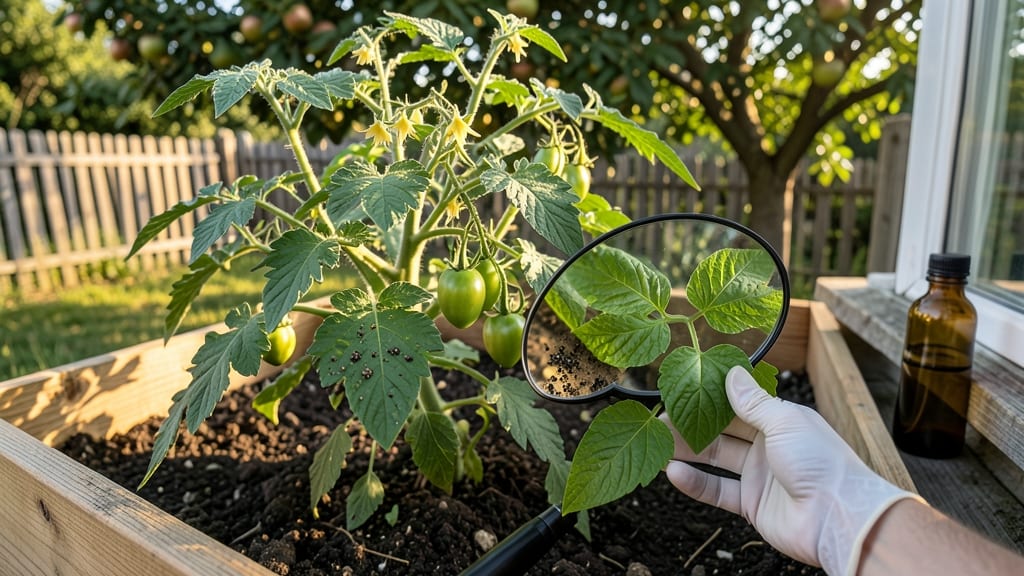
Those little black dots on your tomato leaves aren’t just unsightly—they’re a red flag for aphids, and ignoring them means your harvest could be at risk. 🌱 I’ve battled these tiny pests enough to know that early action is everything, and the fix is simpler than you think.
The culprits are usually aphids, but fungal spots can mimic them too. Aphids leave sticky residue (that black soot), while fungal dots often appear with yellow rings. The key is catching it early—before the pests multiply or the fungus spreads to fruit.
With just three targeted steps, you’ll stop the spread in its tracks. I’ll show you how to identify the real problem, use natural sprays that work, and protect your plants so they keep producing all season long.
No more guessing what’s wrong—just clear, actionable fixes that get your tomatoes back on track. Let’s tackle this before it gets worse.
Root Causes of Tiny Leaf Spots
Those mysterious little black dots on tomato leaves aren’t just random blemishes—they’re often a sign of underlying issues in your garden’s ecosystem. Understanding the why behind these specks is the first step to stopping them before they spread. Let’s break down the most common culprits and their science-backed triggers.
Fungal infections like early blight (Alternaria solani) or late blight (Phytophthora infestans) are notorious for leaving tiny black dots on leaves. These pathogens thrive in:
- High humidity (fungi love moisture—think of them as aquatic vampires 🧛♂️).
- Poor air circulation (crowded plants trap dampness, creating the perfect fungal buffet).
- Warm, wet weather (ideal conditions for spores to germinate and spread).
How it works: Fungal spores land on leaves, germinate, and release enzymes that break down plant cells. The black dots you see? They’re necrotic lesions—dead tissue where the fungus has feasted. Left unchecked, these spots expand, turning yellow and eventually killing the leaf.
Aphids, whiteflies, and spider mites don’t just leave behind sticky honeydew—they also excrete black sooty mold as a byproduct. This isn’t the pest itself but a fungal hitchhiker that grows on their sugary waste.
- Aphids cluster on undersides of leaves, piercing plant cells to suck out sap.
- Whiteflies flutter around tomato plants, leaving a trail of honeydew that hardens into black grime.
- Spider mites (though smaller) also contribute, especially in dry, dusty conditions.
Why it’s a problem: Sooty mold blocks sunlight, stunting photosynthesis. The plant weakens, making it even more vulnerable to other pests and diseases. It’s a vicious cycle!
Sometimes, those dots aren’t pests or fungi at all—they’re a physical response to stress. Common triggers include:
- Water stress (overwatering or drought causes necrotic spots from cell damage).
- Chemical burns (fertilizer salts or herbicide drift can scorch leaves, leaving blackened areas).
- Mechanical damage (harsh pruning, wind, or hail can bruise leaves, creating entry points for infections).
Key clue: Stress-related dots often appear irregularly shaped or in patterns tied to watering/harvesting habits. Check your watering schedule or recent garden activities!
Tomatoes packed too closely together create a microclimate of doom:
- Reduced airflow = higher humidity = fungal growth.
- Shaded leaves = weaker, slower-growing plants (easier targets for pests).
- Hidden pests = aphids and mites thrive in dense foliage, undetected until it’s too late.
Science note: Plants release volatile organic compounds (VOCs) when stressed. These chemicals attract pests—so overcrowding doesn’t just limit light; it actively invites invaders.
Actionable takeaway: Whether it’s fungal spores, pest poop, or stress marks, the black dots are your garden’s SOS signal. The next step? Diagnosing the exact cause so you can treat it fast. 🚀
Fixing Black-Spotted Tomato Leaves Fast
Now that you’ve identified the culprit behind those pesky little black dots on your tomato leaves—whether it’s aphids, sooty mold, or another pest—it’s time to take action! The good news? Most solutions are simple, effective, and won’t require a degree in horticulture.
Below, we’ll break down the best fixes for each cause, plus prevention tips to keep your tomato plants thriving.
Aphids are sneaky sap-suckers, and their honeydew residue can lead to sooty mold. Here’s how to banish them for good:
🍳 Spray with Soapy Water (Best for Early Stages)
- Mix 1 tablespoon of mild dish soap (like Dawn) with 1 quart of water.
- Spray directly on aphids (especially undersides of leaves) until leaves are wet.
- Repeat every 2–3 days until aphids disappear.
- Pro tip: 💡 Use a spray bottle with a fine mist for better coverage.
👨🍳 Introduce Natural Predators (Long-Term Solution)
- Ladybugs, lacewings, and parasitic wasps love aphids! Buy them online or attract them with dill, fennel, or marigolds in your garden.
- Release them in the early morning or late evening when they’re most active.
🥘 Neem Oil Spray (For Stubborn Infestations)
- Mix 1 teaspoon neem oil + 1 teaspoon mild soap + 1 quart of water.
- Spray all leaf surfaces, including stems.
- Reapply every 5–7 days until aphids are gone.
- Warning: 🌡️ Avoid spraying in direct sunlight (it can burn leaves).
⏰ Prune & Dispose of Heavily Infested Leaves
- Cut off badly damaged leaves and drop them in a sealed bag (not the compost!).
- This stops the cycle of honeydew buildup.
Sooty mold thrives on aphid honeydew, but removing the source is key. Follow these steps:
🌿 Clean Leaves with Water & Mild Soap
- Use a soft cloth or sponge dipped in soapy water to gently wipe moldy leaves.
- Rinse with clean water afterward.
- Pro tip: ✨ Do this on a cloudy day to prevent leaf scorch.
🌞 Improve Airflow & Light
- Space plants 18–24 inches apart to reduce humidity.
- Prune overcrowded branches for better airflow.
- Ensure 6+ hours of sunlight daily to help leaves dry faster.
🎯 Use Fungicide (For Severe Cases)
- Spray with a copper-based fungicide or baking soda solution (1 tsp baking soda + 1 quart water + a few drops of soap).
- Apply every 7–10 days until mold clears.
Once you’ve treated the issue, stop it from coming back with these easy habits:
✅ Inspect plants weekly – Catch pests early before they spread. ✅ Encourage beneficial insects – Plant basil, cilantro, or alyssum near tomatoes. ✅ Water at the base – Avoid wetting leaves (reduces mold risk). ✅ Rotate crops – Don’t plant tomatoes in the same spot yearly. ✅ Use reflective mulch – Aluminum foil or white plastic can repel aphids.
Final Thought: 🎯 With the right approach, your tomato plants will bounce back stronger—and those black dots will become a thing of the past!
Frequently asked questions
Are those black dots always a sign of aphids?
Not necessarily! While aphids and their honeydew often cause black sooty mold, similar spots can come from fungal diseases like early blight or late blight. Check for yellow rings around the dots—those suggest fungus. If the dots are sticky or you see tiny insects, it’s likely aphids or whiteflies.
Will my tomatoes still be safe to eat if leaves have black dots?
Most black dots from pests or mold don’t directly harm the fruit, but severe infestations can stress the plant and reduce yield. If you’re using organic sprays, wait 24 hours before harvesting treated leaves. Always wash tomatoes thoroughly before eating, regardless of leaf conditions.
How do I tell if black dots are from overwatering vs. pests?
Water-stress dots usually appear irregularly shaped and often in patterns matching your watering habits. Look for wilting or yellowing leaves too. Pest-related dots are often uniform, accompanied by sticky residue, or found on undersides of leaves where insects hide.
Can I use vinegar spray to treat black dots on tomato leaves?
Yes, but with caution! A 1:10 vinegar-to-water solution can help deter pests, but it may burn leaves if too concentrated. For fungal issues, vinegar won’t work—use neem oil or copper fungicide instead. Always test on a small leaf first, and avoid spraying in direct sunlight.
When should I call a professional for tomato leaf spots?
If home remedies fail after 2-3 weeks or if you notice large black patches spreading rapidly, it’s time to consult a local extension service. Severe fungal infections like late blight can destroy plants quickly—don’t wait if your tomatoes show signs of wilting or fruit rot.