
Plants
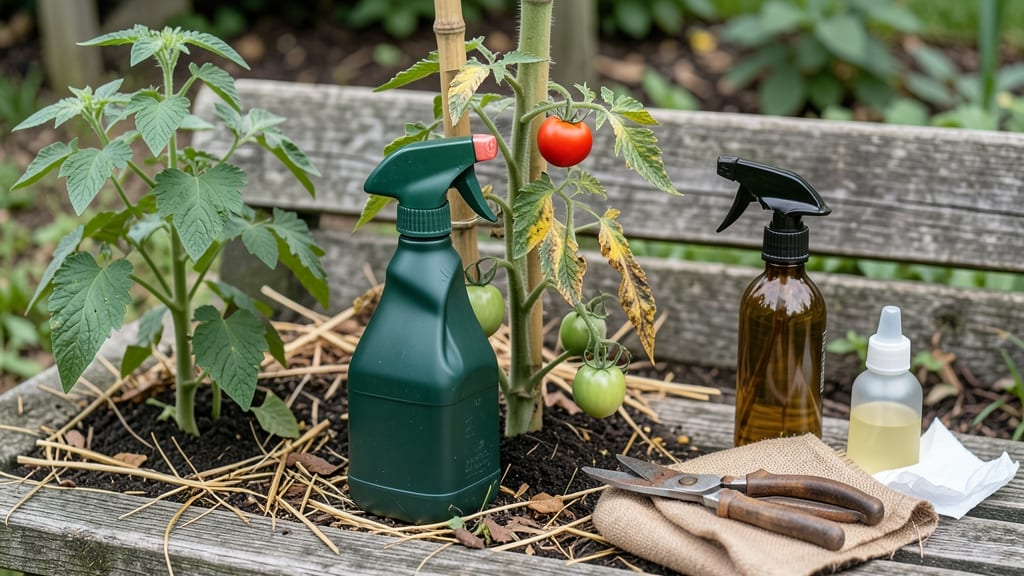
If your tomato plants are turning into leafy brown messes, treating early blight on tomato plants can save them in just 7-10 days—copper spray is the secret weapon. 🌱 I’ve saved my own plants with this method after seeing entire leaves crisp up overnight, and the key is acting before the fungus spreads to the fruit.
The copper spray works by stopping the fungus in its tracks, but you’ve got to hit it early—those dark concentric rings on lower leaves are your first warning. Most gardeners wait too long, but once you see the first spots, spray immediately.
The solution is simple: mix copper fungicide with water (follow the label rates) and apply it thoroughly, especially on the undersides of leaves where spores hide.
You’ll start seeing new green growth within a week if you catch it early, and the plants will bounce back stronger than before. The best part? This isn’t just a quick fix—it protects your plants for the rest of the season.
Just keep an eye out for new spots and reapply every 7-14 days during wet weather.
For next year, focus on prevention: space your plants properly, remove fallen leaves, and rotate crops. But for now, grab that spray bottle and give your tomatoes a fighting chance—they’re worth saving!
Root Causes of Tomato Blight
Early blight (Alternaria solani) may seem like a mysterious villain stealing your tomato harvest, but it thrives due to a mix of environmental and cultural factors. Understanding these triggers is the first step to stopping it in its tracks.
Below, we break down the key reasons this fungal foe attacks your plants—and how to recognize its favorite conditions.
Early blight spreads via spores that germinate when humidity and temperature align perfectly for fungal growth.
Here’s the science: - Ideal temperature range: Spores activate between 60–85°F (15–30°C), with 77–86°F (25–30°C) being prime conditions for infection. - Moisture triggers: The fungus needs free water (not just dew) on leaves for 12–24 hours to infect.
Rain, overhead watering, or dense foliage trapping humidity create the perfect breeding ground. - Nighttime dew danger: If mornings are foggy or leaves stay wet overnight, spores latch onto plant tissues like velcro.
Actionable insight: 🌡️ Monitor your local weather app for humidity spikes—if it’s above 70% for days, your tomatoes are at high risk.
Tomato plants with crowded foliage or overly dense canopies create a greenhouse effect, trapping moisture and spores.
Why? - Stagnant air slows evaporation, keeping leaves damp longer. - Shaded lower leaves (where blight often starts) stay cooler and wetter, accelerating spore germination. - Pruning neglect: If you skip pruning suckers or yellow leaves, the plant’s energy goes to maintaining dense growth instead of defense.
Pro tip: ✂️ Prune regularly to improve airflow—aim for 6–12 inches between branches. Remove lower leaves that touch the soil (they’re ground zero for spores!)
Early blight isn’t just airborne—it hides in soil and garden tools, waiting for the right moment to strike. - Infested soil: If you grew tomatoes (or other solanaceous plants like peppers or potatoes) in the same spot last year, spores may still lurk in the top 2 inches of soil. - Dirty pruners or stakes: Tools can carry spores from infected plants to healthy ones.
Even watering cans can spread contamination if they splash water onto leaves. - Compost or mulch: Fresh organic matter (like grass clippings or untreated manure) can harbor spores if not composted properly.
Critical move: 🧹 Sterilize tools with 70% rubbing alcohol or a 10% bleach solution (1 part bleach to 9 parts water). Rotate crops—don’t plant tomatoes in the same spot for 3 years.
Stressed tomatoes are like open invitations to fungi. Common stress factors include: - Nutrient deficiencies: Low potassium (K) or phosphorus (P) weakens cell walls, making them easier targets. Early blight thrives when plants are zinc- or magnesium-deficient. - Overwatering or drought: Both extremes disrupt root function.
Overwatering leads to root rot, while drought weakens the plant’s immune response. - Physical damage: Hail, insect bites (like hornworms), or rough handling create entry points for spores.
Boost defenses: 💪 Side-dress with compost or use a balanced fertilizer (10-10-10) at planting. Mulch with straw to retain moisture without suffocating roots.
How you water tomatoes can make or break your blight defense: - Overhead irrigation: Water droplets splash spores from soil onto leaves.
This is the #1 way early blight jumps from the ground to foliage. - Windborne spores: If infected plants grow nearby (even in another garden), wind can carry spores up to 50 feet in ideal conditions. - Late-season watering: Irrigating after dark keeps leaves wet overnight, giving spores a head start.
Smart watering hack: 💦 Use drip irrigation or soaker hoses to deliver water at the base. Water early in the day (before 10 AM) so leaves dry by evening.
How to Fix Early Blight Fast
Early blight doesn’t have to mean the end of your tomato harvest—with the right approach, you can stop the spread, save your plants, and even revive them!
Below are practical, actionable solutions tailored to the most common causes of early blight, along with prevention tips to keep your garden healthy long-term. Let’s get your tomatoes back on track!
Cause: Dark, concentric rings on leaves (classic early blight symptoms). Fix It:
- Remove infected leaves immediately 🔪—don’t compost them! Toss them in the trash to prevent reinfection.
- Apply a copper-based fungicide (like copper sulfate or copper hydroxide) every 7–10 days until new growth appears. Copper disrupts fungal spores before they take hold.
- Mix it right: Follow label instructions (typically 1–2 tbsp per gallon of water).
- Best time to spray: Early morning or late evening when humidity is high but leaves are dry.
- Improve airflow by spacing plants 18–24 inches apart and pruning crowded foliage.
💡 Pro Tip: If you catch early blight early, a baking soda spray (1 tsp baking soda + 1 tbsp oil + 1 tsp soap per quart of water) can be a gentler first line of defense.
Cause: Overhead watering or soggy soil creates the perfect fungal buffet. Fix It:
- Water at the base 💦—use drip irrigation or soaker hoses to keep leaves dry.
- Avoid evening watering—wet leaves overnight = fungal party time. Water early in the day so foliage dries quickly.
- Improve drainage by amending soil with compost or sand if it’s heavy clay. Raised beds help too!
- Mulch with straw or wood chips (2–3 inches deep) to keep soil moist without splashing water onto leaves.
✨ Prevention Boost: Add 1–2 inches of mulch around plants to reduce soil splash and retain moisture evenly.
Cause: Poor airflow from dense planting lets spores linger. Fix It:
- Thin plants to the recommended spacing (check seed packet guidelines).
- Remove lower leaves (up to 12 inches from the ground) to improve airflow and reduce humidity near the soil.
- Rotate crops next season—don’t plant tomatoes (or potatoes/peppers) in the same spot for 3+ years to break the fungal cycle.
🎯 Long-Term Strategy: Interplant tomatoes with basil or marigolds—both repel pests and improve air circulation.
Cause: Heat stress weakens plants, making them susceptible to fungal attacks. Fix It:
- Shade cloth (30–50%) during peak summer heat can reduce stress.
- Fertilize lightly with a balanced, low-nitrogen fertilizer (like 5-5-5) to strengthen roots without promoting leafy (but weak) growth.
- Harvest early—ripe tomatoes are less vulnerable to blight than overripe ones. Pick them when they’re firm and slightly soft to the touch.
💡 Quick Fix: A seaweed-based fertilizer (like Maxicrop) can boost plant immunity naturally.
If blight spreads despite your best efforts, switch to a systemic fungicide (like chlorothalonil or myclobutanil).
These absorb into the plant’s system for longer protection. - How to use: Spray every 10–14 days until the threat passes. - Safety note: Wear gloves and follow label instructions—some chemicals require protective gear.
Don’t let early blight sneak up again!
Follow this year-round plan: - Start with resistant varieties like ‘Mountain Merit,’ ‘Defiant PhR,’ or ‘Bush Early Girl.’ - Sterilize tools with rubbing alcohol between uses to avoid spreading spores. - Test your soil—aim for a pH of 6.0–6.8 for optimal tomato health. - Plant in full sun (6–8 hours daily) to reduce humidity around foliage.
🍅 Bottom Line: Early blight is beatable! Act fast, stay consistent, and prioritize airflow and dryness—your tomatoes will thank you with a bountiful, blight-free harvest. Now grab that spray bottle and get to work! 🌱💪
Frequently asked questions
How do I tell if my tomato plants have early blight vs. late blight?
Early blight starts on lower leaves with concentric brown rings (like bullseyes) and yellow halos, while late blight appears as greasy, dark spots that spread rapidly to upper leaves and fruit. Early blight rarely affects fruit, but late blight does. Check stems too—early blight causes leaf yellowing and wilting, while late blight often kills plants faster.
Can I still eat tomatoes from plants with early blight?
Yes, but only if the fruit is unaffected by spots. Early blight rarely infects tomatoes, so harvest any healthy-looking fruit immediately. Remove all infected leaves and fruit (even if just spotted) to prevent further spread. Wash tomatoes thoroughly before eating to remove any spores that might be on the surface.
How often should I spray copper fungicide for prevention?
Apply copper fungicide every 7–14 days during wet seasons or when humidity is high. Start spraying at first sign of infection or as a preventive measure when plants are 6–8 inches tall. Early morning applications work best, and always spray undersides of leaves where spores hide. Stop spraying 2 weeks before harvest to meet food safety standards.
Will removing infected leaves really stop early blight from spreading?
Removing infected leaves eliminates the food source for spores and prevents the fungus from spreading. Use clean pruners and sterilize them between cuts with rubbing alcohol. Toss infected leaves in the trash (don't compost them) and avoid touching healthy leaves. This reduces spore load by 50–70% in just a few days.
What are the best organic alternatives to copper spray?
Try a baking soda spray (1 tsp baking soda + 1 tbsp oil + 1 tsp soap per quart of water) or a neem oil solution (2 tbsp neem oil + 1 tsp soap per gallon). Both disrupt fungal growth naturally. For prevention, use compost tea (1:1 ratio) or garlic spray (blended garlic + water) every 2 weeks. These work best in humidity below 70%.