
Plants
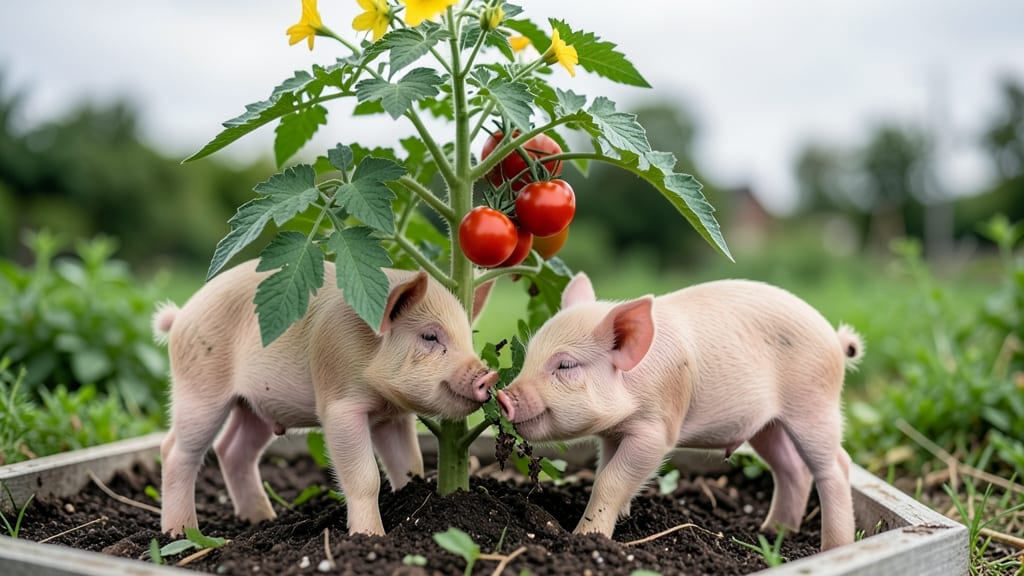
Pigs can eat tomato plants in moderation, but the green parts (leaves and stems) contain solanine and other toxins that may cause digestive upset or mild poisoning. Only feed ripe, red tomatoes without stems or leaves, and introduce them gradually while monitoring your pig's reaction.
Tomato plants pose a real risk to pigs when fed improperly, especially the green parts. 🔥 Solanine, a natural toxin found in unripe tomatoes and foliage, can trigger vomiting, diarrhea, or lethargy in pigs—similar to how it affects humans.
The key is sticking to fully ripe, red tomato flesh while avoiding any green stems or leaves. Even then, moderation is crucial, as sudden dietary changes can upset a pig's digestive system.
For a safer alternative, consider feeding pigs garden scraps like squash, pumpkin, or leafy greens that pigs tolerate better. Always introduce new foods slowly and watch for signs of discomfort, such as refusal to eat or unusual bowel movements.
When in doubt, opt for pig-safe vegetables like carrots or cabbage instead of risking tomato-related issues.
💡 In This Article
- Toxic Components in Tomato Plants: Solanine and Pig Health Risks
- Safe Pig-Friendly Garden Plants and Feeding Guidelines
Toxic components in tomato plants: solanine and pig health risks
Tomato plants contain solanine, a glycoalkaloid toxin primarily concentrated in the green parts like leaves, stems, and unripe fruit. This chemical acts as a natural defense mechanism against pests and herbivores, including pigs.
When ingested, solanine disrupts the nervous system by interfering with acetylcholine receptors, which can lead to gastrointestinal distress or even neurological symptoms in severe cases. 🔥 The green foliage contains roughly 5-10 mg of solanine per 100 grams, while ripe red tomatoes have negligible amounts.
Pigs are particularly sensitive to solanine because their digestive systems aren't equipped to metabolize it efficiently. Symptoms of mild poisoning typically appear within 6-12 hours and include vomiting, diarrhea, lethargy, and loss of appetite. In extreme cases, pigs may experience muscle weakness or even tremors.
The ripening process breaks down solanine through enzymatic activity, which is why fully red tomatoes are much safer—though they should still be fed in moderation to avoid digestive upset from sudden dietary changes.
Another concern is the presence of other alkaloids like tomatine, which shares similar toxic properties. These compounds are most concentrated in the plant's leaves and stems, making them particularly dangerous. Even small amounts can cause digestive irritation, while larger quantities may lead to more serious health complications.
The key is understanding that what's safe for humans (like ripe tomato flesh) isn't always safe for pigs in the same quantities or forms.
What most people don't realize is that solanine levels can vary significantly based on growing conditions. Plants exposed to stress—such as extreme heat, drought, or poor soil quality—produce higher concentrations of solanine as a survival mechanism.
This means homegrown tomatoes from stressed plants could pose even greater risks to pigs than store-bought varieties grown under controlled conditions. Always prioritize organic, pesticide-free tomatoes when feeding pigs, as chemical residues can compound the health risks.
To put it into perspective, a 150-pound pig would need to consume roughly 2-3 pounds of fresh green tomato foliage to experience noticeable symptoms, though smaller pigs or those with sensitive stomachs may react to much smaller amounts.
This highlights why moderation is critical—even what seems like a small amount of green parts could cause problems over time. Always err on the side of caution by removing all stems, leaves, and unripe fruit before offering tomatoes to pigs.
If you notice any unusual behavior after feeding tomatoes, remove the food source immediately and provide plenty of fresh water. Mild cases typically resolve within 24-48 hours, but severe symptoms should prompt a veterinary consultation. Prevention is always better than treatment when it comes to solanine exposure in pigs.