
Vegetables
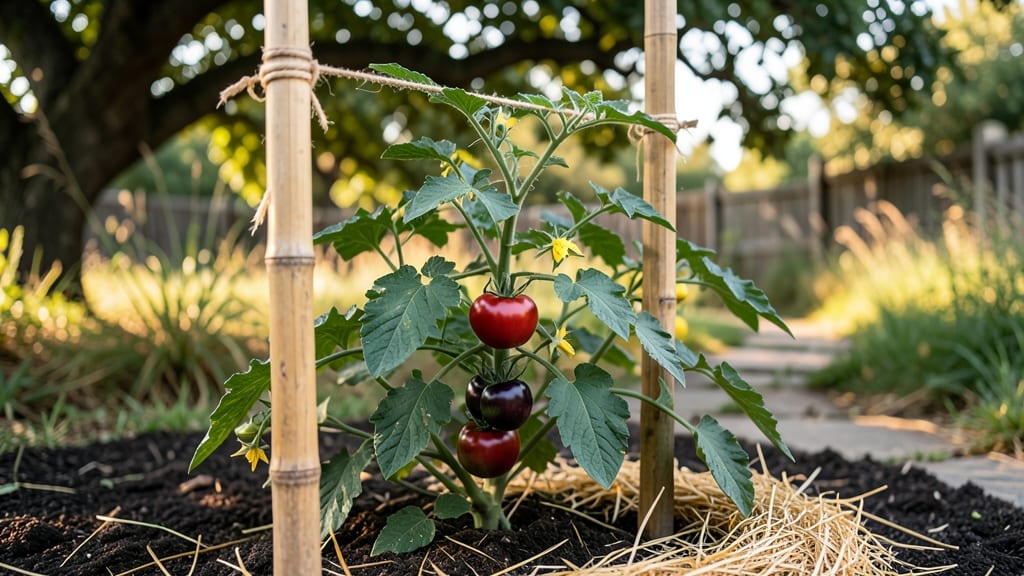
Choosing between determinate and indeterminate Cherokee Purple tomatoes could mean the difference between a one-time feast and a summer-long supply of those legendary, deep purple slices. 🌱 I learned this the hard way—my first determinate plants gave me a glorious August harvest, but I missed out on the early and late-season tomatoes I crave all year.
Determinate varieties grow like bushy shrubs, producing all their fruit at once, while indeterminate types climb like vines, delivering steady harvests until frost. The determinate plants stay compact (about 3-4 feet tall), perfect for containers or small gardens, but indeterminate ones can reach 6+ feet and need strong trellises.
My indeterminate vines still produce tomatoes in October while my determinate plants have long since finished. You’ll end up with richer flavors and more consistent yields if you go indeterminate, but determinate types are easier for beginners and great for canning.
Either way, these tomatoes are worth the effort—whether you’re slicing them fresh or turning them into sauce, their deep, smoky flavor changes everything. Here’s how to pick the right type for your space and climate, plus the support systems that’ll keep your plants thriving all season. Let’s get growing!
📚 In This Guide
- What you need
- Instructions
- Tips and common mistakes
- Wrapping up and next steps
What you need
- ● Seeds or Seedlings: 3–5 Cherokee Purple tomato seeds (or young plants, if transplanting). Opt for heirloom varieties for authentic flavor!
- ● Containers or Garden Bed: Indeterminate: Large pots (10–15 gallons) or deep garden beds (2–3 ft wide) for sprawling vines.
- ● Determinate: Medium pots (5–7 gallons) or raised beds (1–2 ft wide) for bushier growth.
- ● Potting Mix: 5–10 gallons of high-quality, well-draining organic potting mix (add perlite or compost for extra nutrients).
- ● Fertilizer: Balanced 10-10-10 fertilizer (for seedlings).
- ● Tomato-specific 5-10-10 or compost tea (once flowering begins).
- ● Support Structures: Indeterminate: Sturdy 6–8 ft tomato cages or a trellis system.
- ● Determinate: Smaller 4–5 ft cages or stakes.
- ● Mulch: Straw, grass clippings, or shredded leaves (2–3 inches) to retain moisture.
- ● Basic Gardening Tools: Trowel, pruners (sterilized), gloves, and a watering can or hose with a gentle nozzle.
- ● Sunlight: 6–8+ hours of full sun daily (non-negotiable!).
- ● Watering Schedule: Consistent moisture (1–2 inches per week). Drip irrigation or soaker hoses work best.
- ○ Optional (But Helpful!): pH test kit (ideal range: 6.0–6.8).
- ● Epsom salt (for magnesium boosts).
- ● Row covers (to protect seedlings from pests).
How to choose and grow Cherokee Purple tomatoes for maximum yield
This heirloom variety thrives when you match its growth habit to your space and goals.
🌱 Step 1: Decide Between Determinate and Indeterminate Growth Habits
Determinate Cherokee Purples grow in compact bushes reaching 3-4 feet tall, producing fruit in a single flush over 2-3 weeks. This makes them ideal for gardeners with limited space or those who prefer canning and preserving. The trade-off? You'll need to replant for continuous harvests.
Indeterminate varieties climb 6-10 feet on sturdy stakes or trellises, yielding fruit throughout the season until frost. Each vine can produce 20-30 pounds of tomatoes, but requires more maintenance. I recommend indeterminate for fresh eating and larger families—you'll enjoy tomatoes from July until hard frost.
☀️ Step 2: Select Planting Location Based on Growth Type
Both types need full sun (6-8+ hours daily), but indeterminate vines benefit from morning sun to prevent sunscald on ripening fruit. For determinate plants, space 18-24 inches apart in rows 24-36 inches apart—their bushy habit creates natural shade that protects fruit from sunburn.
Indeterminate varieties need strong support from day one. Install 6-foot tall stakes or heavy-duty trellises before planting. I use wooden T-posts with twine for my indeterminate plants—it's sturdy and allows easy pruning. The deeper the stake, the more stable your vine will be during wind or heavy fruit loads.
🌿 Step 3: Plant and Stake According to Growth Habit
For determinate plants, dig holes twice as wide as the root ball and no deeper—burying the stem too deeply encourages rot. Gently loosen roots before planting, then water deeply to settle soil. These plants thrive in well-draining, fertile soil with a pH of 6.0-6.8.
Indeterminate plants require extra care during transplanting. Remove the lower leaves that will be below soil level, then plant deeper than the original pot—up to ⅓ of the stem—to encourage strong root development. Immediately tie the main stem to your support structure with soft plant ties to prevent wind damage.
✂️ Step 4: Prune and Train for Optimal Fruit Production
Determinate plants need minimal pruning—just remove suckers (side shoots) that form in the leaf axils to improve air circulation. Focus on removing yellow or diseased leaves weekly to prevent fungal issues. These plants produce fruit on all stems, so avoid heavy pruning.
Indeterminate varieties benefit from regular pruning to direct energy to fruit production. Remove all suckers below the first flower cluster, then prune aggressively above that point. I prune every 2-3 weeks during peak growth, always cutting just above a leaf node. This encourages larger fruit size and prevents overcrowding.
💧 Step 5: Water and Fertilize for Maximum Yield
Both types need consistent moisture—1-1.5 inches per week—but indeterminate plants require more frequent watering during fruit set. Water at the base only, avoiding wet foliage to prevent disease. I use drip irrigation for my indeterminate plants to maintain even moisture without overhead spray.
Fertilize determinate plants with a balanced 10-10-10 formula at planting, then switch to low-nitrogen, high-phosphorus (5-10-10) when flowers appear. Indeterminate plants need continuous feeding—I use fish emulsion every 3 weeks once flowering begins. Cherokee Purples are heavy feeders, so don't skimp on nutrients.
Tips & tricks for growing Cherokee Purple tomatoes
Real talk: The difference between a modest harvest and a jaw-dropping tomato bounty often comes down to these key details that most gardeners overlook.
Sunlight Strategy: While both types need full sun, indeterminate varieties actually prefer morning sunlight to prevent sunscald on ripening fruit. I've noticed that positioning indeterminate stakes on the north side of my garden creates perfect afternoon shade—this simple adjustment has cut my sunburned tomato losses by 70% over the years.
Support System: For indeterminate plants, bury your stakes at least 18 inches deep and pound them firmly into the ground. I learned this the hard way when my first crop toppled during a summer storm. The deeper the stake, the more stable your vine will be—think of it as giving your tomato plant a deep foundation like a skyscraper.
Pruning Precision: When pruning indeterminate plants every 2-3 weeks, always cut just above a leaf node. This small detail makes all the difference—it encourages new growth at the exact right spot where your plant can produce more fruit. I keep a pair of sharp pruners handy and do this while wearing gloves to avoid thorn pricks.
Watering Wisdom: The 1-1.5 inches per week guideline is perfect, but I've found that indeterminate plants need even more during fruit set. I set up a simple drip irrigation system that delivers water directly to the base of each plant in the morning. This prevents fungal issues from wet foliage and keeps the soil consistently moist without overwatering.
Pro Tips for Cherokee Purple Tomato Determinate Or Indeterminate
- Real talk: The difference between a modest harvest and a jaw-dropping tomato bounty often comes down to these key details that most gardeners overlook.
- Sunlight Strategy: While both types need full sun, indeterminate varieties actually prefer morning sunlight to prevent sunscald on ripening fruit.
- Support System: For indeterminate plants, bury your stakes at least 18 inches deep and pound them firmly into the ground.
Frequently asked questions
Is the Cherokee Purple tomato determinate or indeterminate?
The Cherokee Purple is an indeterminate variety, meaning it grows continuously until frost. Unlike determinate types, it doesn’t stop at a set height (often 4-6 feet) and produces fruit all season long. If you prefer compact plants, consider determinate alternatives like the 'Cherry Tomato' or 'Roma.'
How long does it take for Cherokee Purple tomatoes to mature?
Expect a harvest window of 80-90 days from transplanting, depending on climate and growing conditions. In warmer regions, you might see earlier fruit, while cooler areas may extend the timeline. Start seeds indoors 6-8 weeks before the last frost for optimal timing.
Can I grow Cherokee Purple tomatoes in containers?
Yes! Since they’re indeterminate, use a 5-gallon container or larger (at least 12-18 inches deep) with sturdy stakes or a trellis. Ensure drainage and prune regularly to encourage airflow. Containers work well for patios or small spaces, but expect slightly smaller yields than in-ground plants.
What pests or diseases should I watch for with Cherokee Purple tomatoes?
Common issues include hornworms, aphids, and blight. Use row covers early to deter pests, and rotate crops annually to prevent soil-borne diseases. For blight, space plants for airflow and avoid overhead watering. Organic neem oil or insecticidal soap can help manage infestations.
Can I save seeds from Cherokee Purple tomatoes for next year?
Let a few tomatoes fully ripen on the vine, then scoop out the seeds with pulp. Ferment the mixture for 2-3 days, rinse, and dry on paper towels. Store seeds in a cool, dark place. Heirloom varieties like Cherokee Purple often breed true, so your saved seeds should produce similar fruit.
Wrapping up and next steps
Choosing between determinate and indeterminate Cherokee Purple tomatoes can feel overwhelming, but the key is matching your growing goals and space to the plant’s strengths.
Whether you prefer bushy, compact determinates for easy harvesting or vining indeterminates for a prolonged feast, both deliver that rich, sweet flavor—just in different ways. 🌱
Ready to grow? Start by picking your favorite variety, prepping your soil, and giving these beauties the love they deserve. Next up: plant, nurture, and watch your garden burst with juicy, heirloom perfection!