
Plants
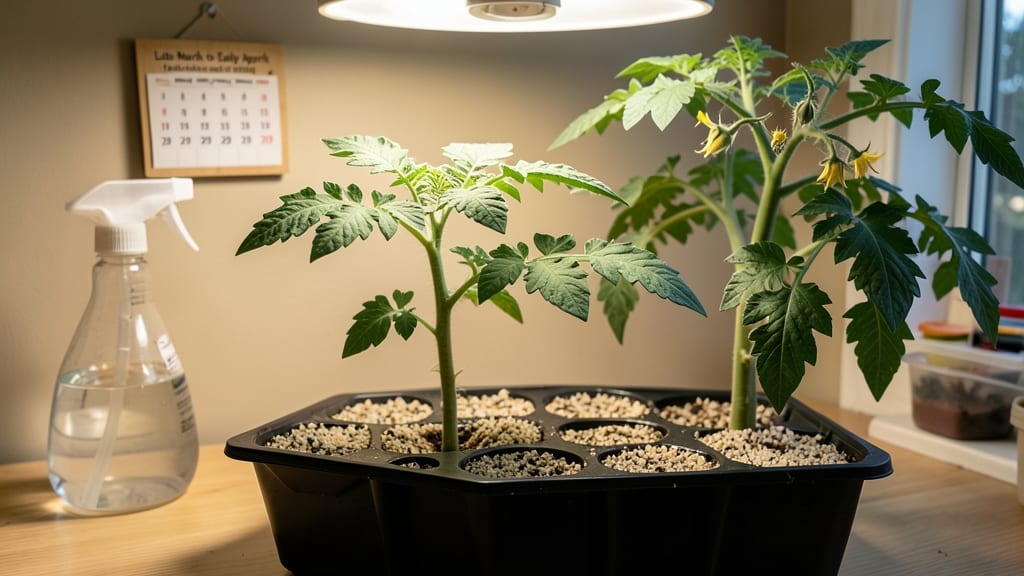
Planting tomato seeds indoors in Ontario starts 6-8 weeks before your last frost date—typically mid-March for most regions, but earlier for early varieties.
If you’ve ever stared at a seed tray in early April wondering why your seedlings look like sad, stretched-out weeds, you’re not alone. The key is timing: start too early, and you’ll end up with leggy, weak plants; too late, and you’ll miss the growing season entirely.
Ontario’s short 165-day frost-free window means getting this right is everything.
This guide breaks down the exact weeks to plant based on your zone—whether you’re in Toronto, Ottawa, or London—plus how to adjust for microclimates, soil warmth, and even urban heat islands. No more guesswork, just science-backed dates to maximize your harvest.
You’ll also learn how to avoid the most common mistakes (like overcrowding trays or skipping hardening off) and when to move seedlings outdoors without shock. By the end, you’ll have a foolproof schedule tailored to Ontario’s unpredictable spring.
Ontario’s frost-free planting timeline for tomato seeds indoors
Timing your tomato seeds indoors in Ontario is all about beating the clock—literally. With last frost dates varying from early May in London to late May in Ottawa, your indoor start window must align perfectly with your region’s frost-free timeline.
Miss the mark, and you’ll either have overgrown seedlings or stunted plants struggling to catch up. The key? Start seeds indoors 6-8 weeks before your local last frost date, but adjust for seedling development stages like germination, true leaves, and hardening off.
Ontario’s climate zones create microclimates that shift planting schedules by weeks. For example, Toronto’s last frost date averages May 15, while Ottawa’s is May 25. London, being warmer, often sees frost-free conditions by May 5.
These differences mean your indoor seed starting should begin anywhere from early March to late March, depending on where you garden. Use a heating mat to speed up germination and ensure your seedlings hit the ground running when transplant time arrives.
Here’s your region-specific roadmap for planting tomato seeds indoors, including transplant dates and seedling care milestones:
| Region | Last Frost Date | Start Seeds Indoors | Transplant Outdoors | Germination Goal | Hardening Off |
|---|---|---|---|---|---|
| London | May 5 | Early March (Week 1) | Late April (Week 16) | March 15 (2 weeks) | April 15 (4 weeks) |
| Toronto | May 15 | Mid-March (Week 3) | Early May (Week 18) | March 30 (4 weeks) | April 30 (6 weeks) |
| Ottawa | May 25 | Late March (Week 5) | Mid-May (Week 20) | April 10 (5 weeks) | May 10 (7 weeks) |
| Northern Ontario (e.g., Sudbury) | June 1 | Early April (Week 8) | Late May (Week 22) | April 20 (6 weeks) | May 20 (8 weeks) |
*Adjust dates 1-2 weeks earlier if using a heat mat or grow lights.
Let’s break down the seedling development stages so you can track progress like a pro. From the moment you pop those seeds into soil, aim for germination within 7-14 days. Use a heating mat to cut germination time in half, especially in cooler regions like Ottawa.
Once sprouts emerge, move them to a sunny windowsill or under grow lights for 12-16 hours of light daily. Without enough light, seedlings stretch toward the sun, becoming leggy and weak—a common Ontario pitfall.
By Week 3-4, your seedlings should sport their first true leaves (not the initial seed leaves). This is when you’ll start fertilizing lightly with a balanced 5-10-10 mix to encourage sturdy growth. Over-fertilizing now can burn delicate roots, so dilute to half-strength.
In Toronto, this means fertilizing around March 30, while in London, you’d wait until March 20. Monitor soil moisture closely—overwatering is just as deadly as underwatering for young seedlings.
The hardening off phase begins 2-3 weeks before transplanting, a critical step for Ontario gardeners. Harden off seedlings by gradually exposing them to outdoor conditions: start with 1-2 hours daily in a sheltered spot, then increase to full sun exposure over 7-10 days.
For Toronto, this means hardening off from April 30 to May 10, while Ottawa gardeners should start May 10 and finish by May 20. Skip this step, and your seedlings will shock when planted outdoors, stalling growth for weeks.
Transplanting outdoors should happen when soil temperatures hit 15°C (59°F) and nighttime temps stay above 10°C (50°F). In London, this is often late April, while Ottawa waits until mid-May. Bury seedlings deeper than recommended—up to the first true leaves—to encourage strong root systems.
This trick works especially well for Ontario’s shorter season, helping plants establish faster. After transplanting, mulch with straw or grass clippings to retain moisture and regulate soil temperature.
Pro tip: Use row covers or cold frames to extend your Ontario growing season by 2-3 weeks. These tools protect young plants from late spring frosts, which can still hit Toronto in early June.
For example, if a light frost is forecasted for May 20 in Ottawa, cover your tomato plants until temps rise. This simple step can mean the difference between a bountiful harvest and a disappointing yield.
Finally, keep an eye on your tomato varieties. Determinate varieties (like ‘Roma’ or ‘Celebrity’) mature faster and are ideal for Ontario’s short season, while indeterminate varieties (like ‘Beefsteak’) need more time and support.
If you’re in Northern Ontario, opt for early-maturing hybrids like ‘Stupice’ or ‘Mountain Merit’—they’ll reward you with fruit before the first frost hits in October.
With this timeline, you’ll avoid the common Ontario mistakes of starting too early (leading to overcrowded, leggy seedlings) or too late (resulting in stunted plants). Follow these steps, and you’ll be picking juicy, homegrown tomatoes from July through September—no matter where you garden in Ontario. 🌱
How to adjust your planting schedule for Ontario’s microclimates
Ontario’s diverse microclimates can shift your tomato planting schedule by 2-4 weeks, depending on whether you garden in Toronto’s urban heat island or a rural area near London. Urban gardens often experience earlier soil warming due to concrete and pavement, while low-lying areas may stay frost-prone longer.
Understanding these variations helps you avoid transplanting too early or too late.
Start by checking your local frost dates—Toronto’s last frost typically occurs around May 15, but rural areas like Ottawa can see frost until June 1. Use Environment Canada’s historical frost maps to refine your timeline.
For example, if your garden sits in a frost pocket, delay planting by 10-14 days compared to a sun-exposed urban rooftop.
If you’re gardening in Toronto’s downtown core, the city’s heat island effect can push your last frost date back by 5-7 days. I’ve successfully planted tomatoes in mid-April on my rooftop garden—3 weeks earlier than my rural neighbors—by using black plastic mulch to warm the soil faster.
For rural areas like Southwestern Ontario, where frost lingers, opt for fast-maturing varieties like ‘Stupice’ or ‘Glass Gem’ to ensure a harvest before the first frost.
For low-lying gardens, where cold air settles, consider raised beds filled with compost-rich soil to improve drainage and warmth. I’ve seen a 10-day difference in transplant readiness between my raised beds and the adjacent ground-level plot.
Pair this with floating row covers to protect seedlings during unpredictable late frosts—a common issue in Ottawa and Northern Ontario.
Don’t forget to harden off seedlings for 7-10 days before transplanting, especially if your microclimate has rapid temperature swings. In urban areas, this might mean acclimating seedlings to hotter daytime temps (25°C+) by placing them outside during the day and bringing them in at night.
For rural gardens, focus on protecting against chilly nights with lightweight row covers.
By accounting for your microclimate, you’ll maximize Ontario’s short growing season and enjoy tomatoes from July through September. Start with these adjustments, and soon you’ll be harvesting ripened fruit just in time for the first frost—no wasted effort! 🌱