
Vegetables
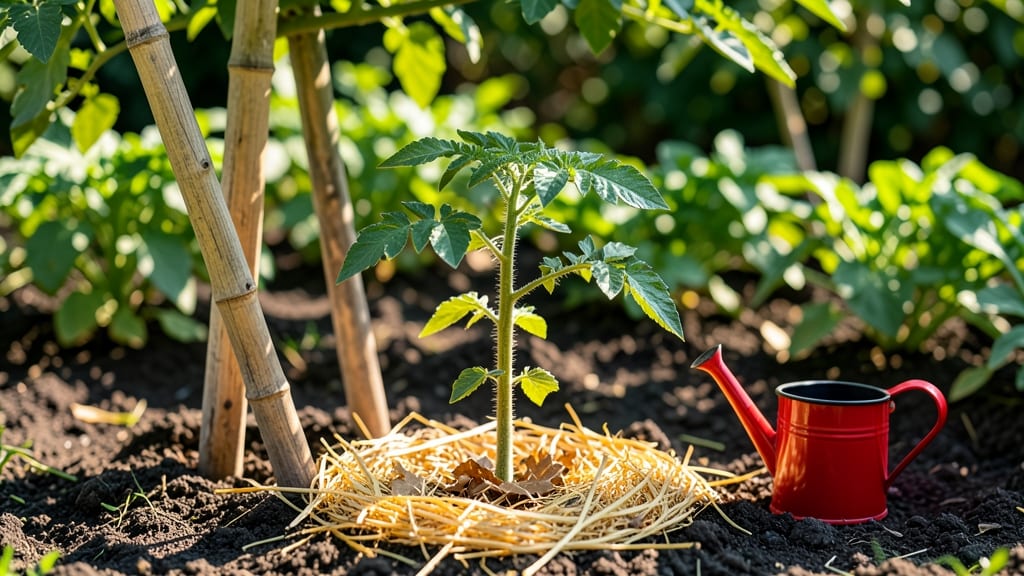
Caring for tomato seedlings transforms flimsy sprouts into sturdy plants ready for your garden. 🌱 The first four weeks decide whether you'll harvest juicy tomatoes or end up with weak, leggy failures—and I've learned the exact routine that works every time.
Start with bright light (14+ hours daily), warm soil (70-75°F), and gentle watering at the soil line. Most beginners overwater or let seedlings get too cool, both of which invite damping-off or stunted growth.
I use a seedling heat mat and grow lights to keep conditions perfect, and you can too without fancy equipment.
By transplant time, your seedlings will be stocky, dark green, and ready to thrive in the garden. Proper hardening off (7-10 days of outdoor acclimation) prevents shock, and a sturdy stake or cage keeps them upright as they grow.
The payoff? Plants that produce heavy fruit instead of struggling through the season.
Works for both cherry and slicing varieties, and the same principles apply whether you're growing in flats or individual pots. Let's get those seedlings strong!
📚 In This Guide
- What you need
- Instructions
- Tips and common mistakes
- Wrapping up and next steps
What you need
- ● Seeds: High-quality tomato seeds (choose heirloom, hybrid, or disease-resistant varieties based on your climate and preferences). Quantity: 3–5 seeds per cell (for transplanting later).
- ● Seed Starting Trays or Pots: Biodegradable or plastic cell trays (2–4 inches deep) or small pots (3–4 inches in diameter). Quantity: 1 tray or 6–10 pots.
- ● Seed Starting Mix: Lightweight, sterile, and well-draining potting mix (avoid garden soil—it’s too dense!). Quantity: Enough to fill your trays/pots (about 1–2 gallons).
- ● Grow Lights or Sunny Windowsill: A full-spectrum LED grow light (12–16 hours/day) or a south-facing window with consistent sunlight (6+ hours/day).
- ● Spray Bottle: For gentle watering (avoid over-saturating seeds!).
- ○ Heat Mat (Optional but Helpful): A seedling heat mat (70–80°F) to speed up germination (especially for slow starters like heirlooms).
- ● Fertilizer: A balanced, water-soluble fertilizer (5-10-5 or 10-10-10) or organic options like fish emulsion or compost tea. Quantity: Dilute as directed on the label.
- ● Humidity Dome or Plastic Wrap: To retain moisture while seeds germinate (remove once sprouts appear).
- ● Tweezers or Small Spoon: For carefully transplanting seedlings later.
- ● Labels & Marker: To track seed varieties and planting dates (trust us, you’ll forget!).
- ● Bottom Watering Trays: To keep moisture consistent without overwatering.
- ● pH Test Kit: To ensure your soil is slightly acidic (6.0–6.8 pH, ideal for tomatoes).
- ● Fungicide (Preventative): Like copper fungicide or neem oil to ward off damping-off disease.
- ● Grow Light Timer: Automates light cycles for consistent growth.
- ● Compost or Worm Castings: Boosts nutrient density in the soil.
Step-by-step instructions for tomato seedling care
Here's how I keep tomato seedlings strong and ready for transplanting—no leggy disasters here.
🌱 Step 1: Provide Consistent Light for Strong Growth
Tomato seedlings need 14-16 hours of light daily from day one. A south-facing window won't cut it unless it's brutally sunny—most seedlings stretch toward the light and grow weak. I use a full-spectrum LED grow light on a timer to automate the process. Position it just 2-3 inches above the seedlings at first, then raise it as they grow.
You'll know your light is perfect when seedlings have thick stems and dark green leaves spaced close together. If they're pale and leggy, move the light closer immediately. The goal is compact, sturdy plants that can handle transplanting without snapping.
💧 Step 2: Water Gently and Maintain Moisture
Water seedlings from the bottom by placing trays in ½ inch of water for 10-15 minutes. This encourages roots to grow downward instead of sitting in soggy soil. I check moisture by sticking my finger ½ inch into the soil—if it feels dry, it's time to water again. Overwatering is the fastest way to kill seedlings, so let the top inch dry out between waterings.
After watering, I like to run a fan on low for 15 minutes daily. This mimics outdoor conditions and strengthens stems. You'll see seedlings lean toward the fan slightly—that's normal and actually a good sign they're developing properly.
✂️ Step 3: Prune and Support for Healthy Development
When seedlings reach 4-6 inches tall, pinch off the top set of leaves just above where two leaves meet. This encourages bushier growth and prevents legginess. I also remove any lower leaves that touch the soil to prevent disease. Use clean scissors or your fingers—never tear leaves, as this damages the plant.
For taller varieties, I insert a 3-foot bamboo stake beside each seedling now. Gently tie the main stem to the stake with soft twine. This prevents stems from snapping when they get heavy with fruit later. You'll notice the plant grows straighter and more upright once supported.
☀️ Step 4: Harden Off Before Transplanting
Two weeks before your last frost date, start hardening off seedlings by placing them outside in a sheltered spot for 1-2 hours the first day. Gradually increase time outside by 1 hour daily until they're out all day. I bring them in at night if temperatures drop below 50°F—tomatoes are tropical plants and can't handle cold.
Watch for wilting or leaf burn as signs they're not ready. Healthy hardened-off seedlings will have firm stems and glossy leaves. Transplant on an overcast day or late afternoon to reduce stress. Water deeply right after transplanting to help roots establish quickly.
⏰ Step 5: Monitor for Pests and Diseases
Inspect seedlings daily for signs of pests like aphids or whiteflies. I spray with a mix of 1 tsp dish soap and 1 quart water if I see any. Fungal diseases appear as black spots or mold—remove affected leaves immediately and avoid overhead watering. The key is prevention: keep your growing area clean and provide good airflow.
If seedlings look stressed (yellow leaves, slow growth), they might need more nutrients. I use a balanced liquid fertilizer diluted to half strength every 2 weeks once they have their first true leaves. You'll see new growth within a week—that's your signal everything is working.
Tips & tricks for thriving tomato seedlings
Here's what I've learned after years of growing strong, healthy tomato plants—no leggy failures here.
Lighting Strategy: If you don't have a grow light, place seedlings on a sunny windowsill during the day and supplement with a 14-16 hour fluorescent bulb at night. Rotate trays daily so all seedlings get equal light exposure—this prevents uneven growth. I notice seedlings grow most evenly when the light source stays 2-3 inches above them throughout their early stages.
Watering Wisdom: The 10-15 minute bottom-watering method works best when your trays have drainage holes. If yours don't, place trays on a towel to catch excess water—soggy soil leads to rot. I've found that watering in the morning gives seedlings time to dry slightly before evening, reducing disease risk. Always check that water reaches ½ inch deep into the soil.
Pruning and Support: When seedlings hit 4-6 inches, I pinch off the first set of true leaves above where two leaves meet. This might seem counterintuitive, but it forces the plant to grow bushier. For taller varieties, I stake them immediately—waiting until they're too tall makes the process much harder. Use soft twine that won't cut into stems as they grow.
Harden Off Gradually: The 1-2 hour outdoor introduction should happen in partial shade first. I've seen seedlings get sunburned when moved too quickly to full sun. Watch for leaves that look crispy or have white patches—these are signs they're not ready. On cooler days (below 50°F), keep them inside at night until they're fully hardened off.
Pro Tips for Tomato Seedling Care
- Here's what I've learned after years of growing strong, healthy tomato plants—no leggy failures here.
- Lighting Strategy: If you don't have a grow light, place seedlings on a sunny windowsill during the day and supplement with a 14-16 hour fluorescent bulb at night.
- Watering Wisdom: The 10-15 minute bottom-watering method works best when your trays have drainage holes.
Frequently asked questions
Got questions about nurturing your tomato seedlings? You’re not alone!
Here are answers to the most common concerns—whether you’re a first-time gardener or just looking to refine your green thumb.
How often should I water tomato seedlings?
Keep the soil consistently moist but not soggy—water when the top inch feels dry. Overwatering can drown roots, while underwatering stresses seedlings. Use a spray bottle or gentle stream to avoid disturbing delicate stems. Pro tip: Water at the base to prevent fungal diseases like damping-off.
When is the best time to transplant seedlings outdoors?
Wait until nighttime temperatures stay above 50°F (10°C) and frost risk has passed. Seedlings need at least 6-8 weeks of growth indoors before transplanting. Harden them off for 7–10 days by gradually exposing them to outdoor conditions. Check your last frost date for your zone!
Why are my tomato seedlings leggy or weak?
Leggy seedlings usually mean they’re stretching for light. Move them closer to a sunny window or use grow lights (12–16 hours/day). Bury stems deeper when transplanting—up to the first true leaves—to encourage stronger roots. Bonus: Use reflective surfaces (like aluminum foil) to maximize light.
What should I do if pests attack my seedlings?
Common culprits include aphids, spider mites, or fungus gnats. Act fast: Spray with neem oil or insecticidal soap for soft-bodied pests. For gnats, let the soil dry slightly between waterings. Prevention tip: Keep seedlings clean and inspect leaves regularly.
Can I grow tomatoes from store-bought seeds?
Yes! Rinse tomato seeds from grocery-store tomatoes, dry them, and plant them. However, heirloom varieties yield the best results. Note: Hybrid seeds (like those from supermarkets) may not produce true-to-type tomatoes. For reliability, opt for seed packets labeled "heirloom" or "open-pollinated."
Wrapping up and next steps
Caring for tomato seedlings is all about patience, consistency, and a little love—and you’ve got this! 🌱 By mastering the right balance of light, water, and nutrients, you’re setting the stage for a bountiful harvest.
Whether you’re a first-time gardener or a seasoned green thumb, every healthy seedling brings you one step closer to juicy, homegrown tomatoes.
Ready to take the next step? Transplant your thriving seedlings into the garden or larger containers once they’ve grown strong enough (about 4-6 inches tall). Watch them flourish under the sun—and enjoy the rewards of your hard work!