
Vegetables
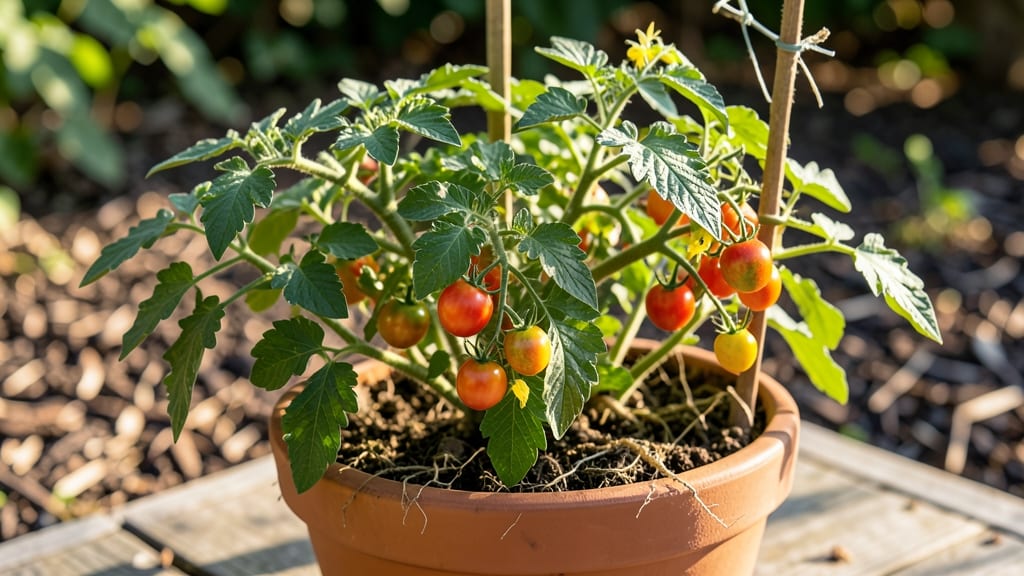
Growing cherry tomatoes in pots unlocks summer flavor on balconies and patios—no yard needed. 🌱 I’ve turned my 5-gallon containers into a sun-drenched tomato factory, and the secret isn’t fancy equipment but matching the right pot, soil, and sunlight to what these vines crave.
Last year, my plants produced enough sweet bursts to feed the neighborhood for weeks.
The magic starts with a 5-gallon container (minimum) filled with well-draining potting mix—regular garden soil will suffocate roots. Place in full sun (6+ hours daily) and water when the top inch feels dry.
Prune suckers early to keep vines bushy, and feed with tomato fertilizer every 2 weeks. Within 6-8 weeks, you’ll see those first tiny green fruits swelling with flavor.
What you’ll end up with is a compact, high-yielding plant that ripens fruit faster than in-ground tomatoes. The vines stay manageable, the flavor explodes, and you avoid soil-borne diseases that plague garden beds.
Plus, you can move the pot to follow the sun or protect it from late frosts. My plants produced over 200 cherry tomatoes last season—enough for salads, snacks, and sharing.
Pair them with basil or marigolds to repel pests and boost flavor, and avoid overwatering (the #1 killer of potted tomatoes). With these basics, you’ll turn a simple pot into a bursting, sun-soaked tomato vine that outperforms anything from a garden center. Ready to grow?
📚 In This Guide
- What you need
- Instructions
- Tips and common mistakes
- Wrapping up and next steps
What you need
- ● Container: A pot at least 12 inches deep and wide (5-gallon minimum for 1 plant; larger for multiple). Use terracotta, fabric, or plastic with drainage holes.
- ● Cherry tomato seeds or seedlings: Choose determinate varieties (like 'Tiny Tim' or 'Sweet Million') for compact growth. Buy 3–5 plants if space allows!
- ● Potting mix: A lightweight, well-draining blend (e.g., 60% potting soil + 30% perlite + 10% compost). Avoid garden soil—it compacts!
- ● Fertilizer: A balanced, slow-release fertilizer (10-10-10) or organic options like worm castings or fish emulsion.
- ● Support system: A small cage, trellis, or stakes (4–6 ft tall) to keep vines upright.
- ● Drainage: Pebbles or broken pottery (1–2 inches) at the pot’s bottom to prevent clogging.
- ● Hand trowel or small shovel for planting.
- ● Watering can with a rose attachment (gentle watering = happy roots!).
- ● Pruning shears to trim suckers and encourage bushiness.
- ● Mulch (straw or shredded leaves) to retain moisture.
- ● Grow lights (if indoors) for 12–16 hours/day of light.
- ● A sunny spot (6+ hours of direct sunlight daily).
- ● Access to water (consistent moisture is key!).
- ● Patience! Cherry tomatoes take 60–70 days to fruit from seed.
Step-by-step instructions for growing cherry tomatoes in pots
Here's how to coax those sweet, sunburst tomatoes from a single plant—no sprawling vines or backbreaking bending required.
🪴 Step 1: Choose the Right Container and Drainage
Start with a pot at least 12-14 inches deep and 18-24 inches wide—cherry tomatoes need room for roots and sturdy support. I recommend terra cotta because it breathes and prevents root rot, but any container with multiple drainage holes works. If your pot lacks drainage, drill holes yourself—two or three spaced evenly around the bottom.
Line the bottom with 2-3 inches of gravel or broken pottery to create an air pocket. This prevents soil from clogging drainage and ensures excess water escapes. Skip the plastic saucer unless you're prepared to empty it daily—soggy roots will smother your plant before it even sets fruit. Place your pot where it won’t get jostled by wind or foot traffic.
🌱 Step 2: Plant with Proper Spacing and Support
Fill the pot with high-quality potting mix (never garden soil—it compacts and suffocates roots). Add a slow-release fertilizer (like 10-10-10) mixed into the top 4 inches of soil. Plant your cherry tomato 1-2 inches deeper than its current soil line—this encourages stronger root growth. For determinate varieties (bush types), space plants 18-24 inches apart; for indeterminate (vining types), give them 24-36 inches of space.
Install a sturdy cage or trellis immediately after planting—waiting until vines get heavy will damage stems. I like 5-foot tall tomato cages for bush types and stronger stakes with twine for vining varieties. Press the support gently into the soil so it doesn’t topple when you tie vines later. Water deeply right after planting to settle the soil around roots.
☀️ Step 3: Provide Light and Water for Maximum Fruit
Cherry tomatoes crave full sun—place your pot where it gets 6-8 hours of direct sunlight daily. A south-facing window or balcony works, but if you’re indoors, supplement with a grow light kept 4-6 inches above the plant. You’ll know your light is right when leaves are dark green and compact—if they stretch toward the light or turn pale, move the plant closer.
Water when the top 1-2 inches of soil feel dry to the touch. Stick your finger in—if it comes out clean, it’s time. Water deeply until it drains from the bottom, then empty the saucer. Mulch with 2-3 inches of straw to retain moisture and keep roots cool. Avoid wetting leaves when watering—this prevents fungal diseases like blight, which can wipe out a plant in days.
✂️ Step 4: Prune and Fertilize for Bushy Growth
When your plant reaches 18 inches tall, start pruning to encourage bushiness and airflow. Remove suckers (the small shoots that grow in the leaf axils) with your fingers or clean pruners. These little stems sap energy from fruit production. Leave 2-3 main stems for bush types and 1-2 for vining types—this keeps the plant manageable and boosts yield.
Feed your plant every 2-3 weeks with a balanced liquid fertilizer (like 5-5-5) diluted to half strength. Stop fertilizing 4-6 weeks before harvest—too much nitrogen late in the season leads to leafy growth instead of fruit. Pinch off the first few blossoms if your plant looks stressed; it’s better to have one perfect harvest than a weak first flush.
🍅 Step 5: Harvest and Extend the Season
Pick cherries when they’re fully colored and slightly soft to the touch. Use clean scissors or your fingers—twisting stems can damage the plant. Harvest in the morning after dew dries; fruits stay fresher longer. You’ll know they’re ripe when they pop easily off the vine and taste burstingly sweet. Regular picking encourages more flowers and fruit.
To extend your harvest, prune lightly in late summer to remove old leaves and improve airflow. If frost threatens, bring potted plants indoors to a cool, sunny spot (like a garage with a window) and harvest what’s left. With proper care, a single bush can produce pounds of tomatoes—enough to share with neighbors or freeze for winter.
Tips & tricks for perfect cherry tomato growth in pots
These simple yet game-changing tricks will help you coax the most vibrant, productive cherry tomato plants from your containers—no green thumb required.
Container Material Matters: Terra cotta pots are ideal because they wick away excess moisture, preventing root rot in those 12-14 inch deep containers. If you use plastic, make absolutely sure to drill two or three drainage holes—I learned this the hard way after losing two plants to soggy roots. For extra insurance, add 2-3 inches of gravel at the bottom to create that crucial air pocket. This simple layer prevents soil from clogging drainage and keeps roots breathing properly.
Lighting is Non-Negotiable: Those 6-8 hours of direct sunlight aren't just a suggestion—they're essential for flavor and yield. If your balcony or windowsill falls short, supplement with a grow light placed 4-6 inches above the plant. I notice the biggest difference in leaf color—dark green and compact means your plant is happy, while pale or stretched leaves mean it's starving for light. Trust me, this is where homegrown tomatoes make or break their restaurant-quality taste.
Pruning Strategy for Maximum Fruit: When your plant hits 18 inches tall, start removing suckers (those little shoots in the leaf axils) with your fingers. I always leave 2-3 main stems for bush types—this creates better airflow and prevents disease. The key is consistency: prune every 2-3 weeks along with your regular fertilizing schedule. This might seem tedious, but it's what turns a decent harvest into a bounty that'll have your neighbors asking for cuttings.
Fertilizer Timing is Everything: The instructions mention stopping fertilizer 4-6 weeks before harvest, but here's what nobody tells you—too much nitrogen too late causes leafy monsters instead of sweet fruit. I've found that switching to a low-nitrogen fertilizer (like 2-3-3) during the last 6 weeks gives me the perfect balance of flavor and yield. And always dilute that 5-5-5 liquid fertilizer to half strength—your plant will thank you with bigger, sweeter tomatoes.
Pro Tips for Cherry Tomato In Pot
- These simple yet game-changing tricks will help you coax the most vibrant, productive cherry tomato plants from your containers—no green thumb required.
- Container Material Matters: Terra cotta pots are ideal because they wick away excess moisture, preventing root rot in those 12-14 inch deep containers.
- Lighting is Non-Negotiable: Those 6-8 hours of direct sunlight aren't just a suggestion—they're essential for flavor and yield.
Frequently asked questions
Got questions about growing cherry tomatoes in pots? You’re not alone! Here are some of the most common queries—and their practical answers—to help you cultivate a thriving harvest.
What’s the best pot size for cherry tomatoes?
Cherry tomatoes thrive in pots at least 12 inches deep and 12 inches wide. Larger pots (15+ gallons) support bigger plants and reduce root competition. If growing indeterminate varieties (vining types), opt for 5-gallon containers or deeper—they’ll need more space to sprawl. Drainage holes are a must to prevent soggy roots!
How often should I water potted cherry tomatoes?
Water when the top inch of soil feels dry—usually every 2–3 days in hot weather, but adjust for your climate. Pots dry out faster than ground soil, so morning watering prevents fungal issues. Mulch the soil surface to retain moisture and avoid wetting leaves. Overwatering? Yellow leaves or wilting can signal root stress.
Can I grow cherry tomatoes in pots indoors?
Yes! Place pots near a sunny south-facing window (6+ hours of light daily) or use a grow light (12–16 hours). Choose compact varieties like ‘Tiny Tim’ or ‘Balcony Red.’ Ensure humidity with a pebble tray or misting, and fertilize lightly with a balanced liquid feed every 2–3 weeks. Watch for pests like spider mites in dry indoor air.
What can I do if my potted cherry tomatoes stop producing?
Fewer tomatoes often mean lack of pollination, overcrowding, or nutrient stress. Hand-pollinate by gently shaking plants or using a paintbrush. Prune suckers (side shoots) to improve airflow. Check for yellow leaves (nitrogen deficiency) or blossom end rot (calcium lack)—adjust fertilizer or add crushed eggshells. Move pots to sunnier spots if growth slows.
Are there low-maintenance cherry tomato varieties for pots?
Try these bushy, compact breeds:
- ‘Tumbling Tom’ – Trailing, prolific, and great for hanging pots.
- ‘Micro Tom’ – Dwarf variety (8 inches tall), perfect for small spaces.
- ‘Patio Princess’ – Determinate (bushy) with sweet, bite-sized fruit.
- ‘Sweet Million’ – Indeterminate but manageable in large containers.
Wrapping up and next steps
Growing cherry tomatoes in pots is a rewarding journey that brings fresh, flavorful harvests right to your doorstep—literally! With the right container, soil, and care, you’ll enjoy bursting vines and juicy tomatoes that outshine store-bought varieties.
Whether you’re a beginner or a seasoned gardener, this method proves that big yields don’t need big space.
Ready to savor your homegrown bounty? Start small—pick a sunny spot, grab your pot, and let those vines climb! For even sweeter results, experiment with pruning or trellises next season. Happy gardening! 🌱🍅